
Riyadh is a large capital built around the car, and nobody lives in all of it. Our Riyadh guide describes a loose federation of districts, each with its own character. Living here well starts with the district. The home comes second.
This piece stays with the city itself: the day, the week, the year, the broad cost of a home and how newcomers house themselves. For the country, work and the wider budget, read Life as an expat in Saudi Arabia. For schools, read Moving to Riyadh with a family. If the choice is still between the capital and the coast, Riyadh vs Jeddah is the comparison.
A city of districts.
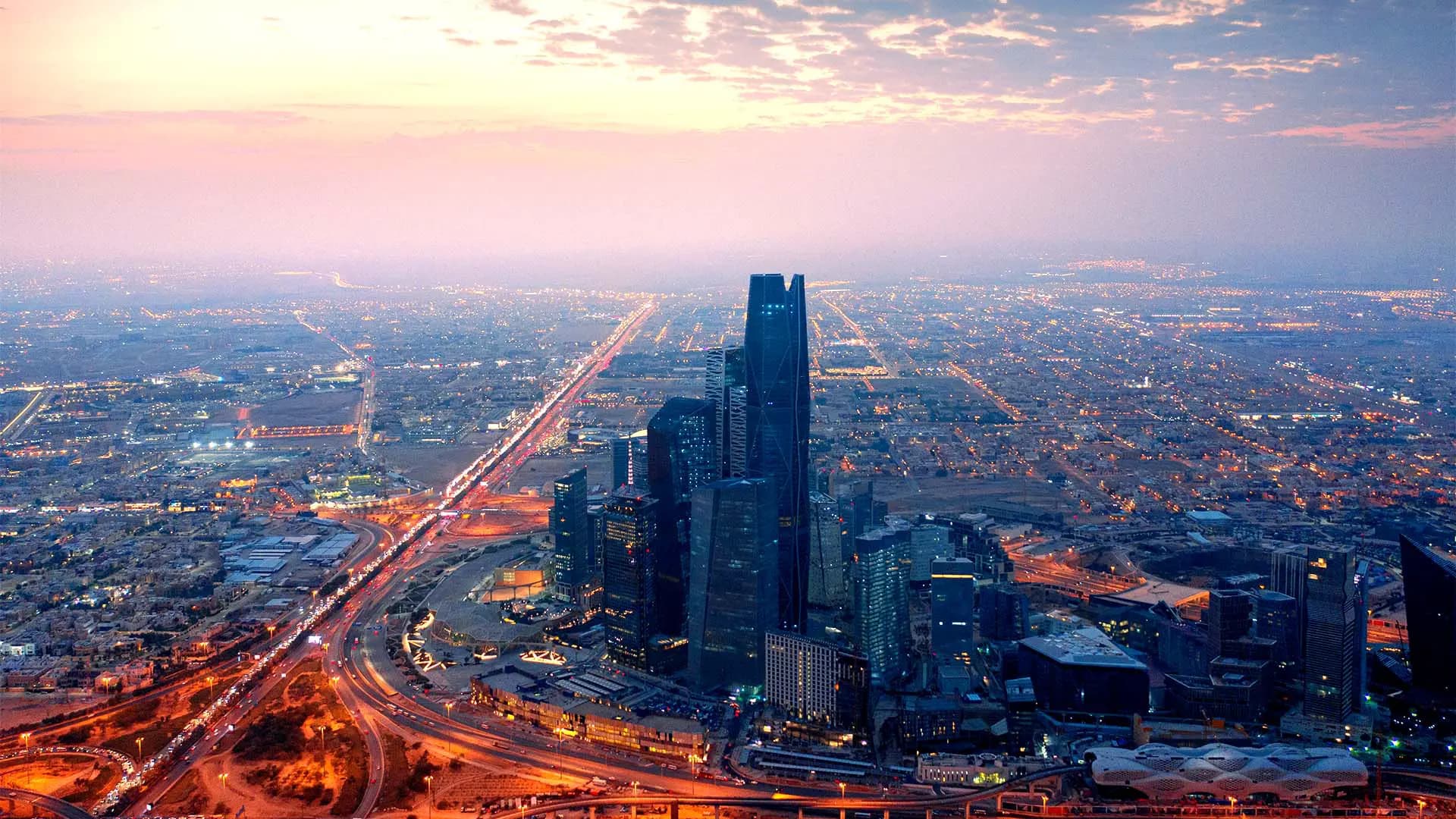
The centre is the vertical part. Al Olaya and the King Abdullah Financial District, KAFD, hold the towers and the offices, and KAFD mixes business addresses with restaurants and public spaces, so it can be part of the working day and of the evening after it.
On the western side, beside Wadi Hanifah, the Diplomatic Quarter is the exception to most rules about Riyadh. It is walled, green and low in density, home to the embassies and to the city’s most settled international community, and it is walkable in a way little of the capital is. Homes there have historically been leased, not owned.
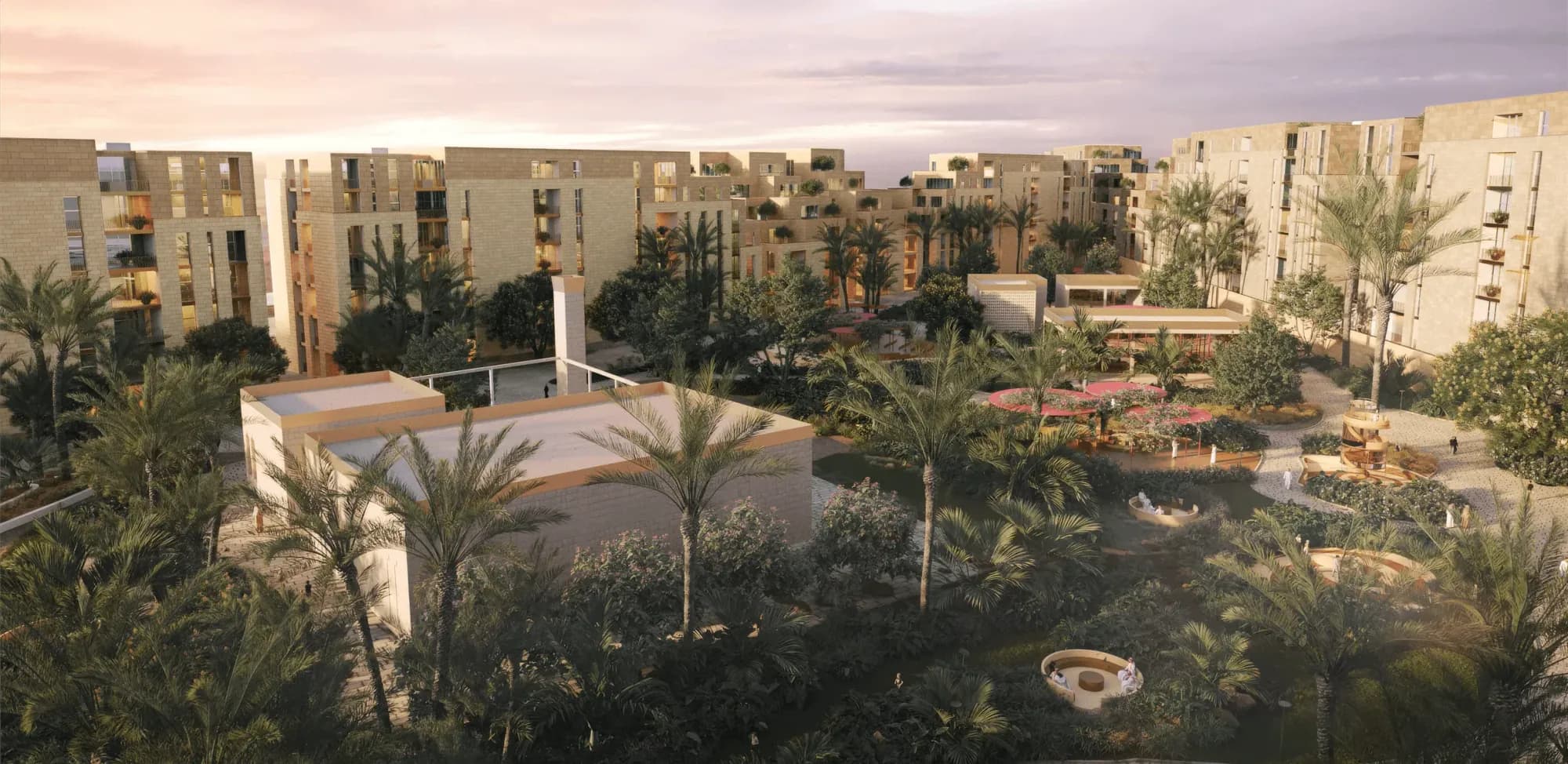
Much of the north is family territory. Al Nakheel is an established district of villas, mature trees and a handful of gated compounds. Hittin, to the north-west, is home to Boulevard City. Al Narjis sits on the road to the airport and suits households who travel often. Beyond them are the planned communities: Sedra, and the National Housing Company’s Khuzam and Al Fursan.
To the north-west, Diriyah is where the city goes for dinner and for its own history: At-Turaif and the Bujairi Terrace have been open since December 2022.
Getting around.
Riyadh grew as a car-first city and the car still sets the pace of most days. What has changed is the metro. Riyadh Municipality confirms six operating lines covering 176 km, with KAFD and King Khalid International Airport among the destinations. It helps the household whose regular journey a station actually serves, and no one else: a home near a useful station is a different thing from a home described as being in the north.
By car from the centre, our city guide puts KAFD at about 15 minutes, Diriyah at 20 and the airport at 35. Fuel is cheap, and a ride-hailing trip costs about SAR 20 on the figures in our country guide. For the journey home, Riyadh Air began flying in June 2026 with London Heathrow as its first route, about seven hours away.
The school run is a separate question from the commute. Moving to Riyadh with a family covers buses, pick-up points and what a second daily journey does to a housing choice.
The heat, and the year it makes.
Riyadh’s summers are dry and its winters cooler. It does not have Jeddah’s humid coastal heat, but the heat it has is the fact to plan around: our country guide describes summers of 45°C that can pass 50, and treats May to September as the months to keep big plans out of. Life moves indoors and into the evening, and the same guide puts summer air conditioning at roughly SAR 500 a month.
The city has a calendar to match. Riyadh Season, which began in 2019, is a months-long festival of music, sport and markets, and Boulevard City in Hittin is part of it. Ramadan changes the rhythm again: the days are quiet, shops wake at dusk and iftar runs late.
For a home, the practical lesson is shade. Compare orientation and the hours of the day you would actually use a terrace or a garden, a subject we take further in The world’s most valuable shadow.
The shape of the week.
Work fills much of the week. Our country guide describes 48-hour weeks, with the five daily prayers pacing out the day. Evenings are when Riyadh gathers: in KAFD after the offices empty, in Diriyah over dinner, at whatever Riyadh Season has on.
Much of expat social life still runs through the compound, with its pool, its gym and its ready-made neighbours. Beyond the gates the same guide says locals are warm if you make the effort, and that an offer of cardamom coffee is one to accept. Some of the old rules still hold and some have gone; that guide sets out which, plainly.
The district, not the apartment, is where a Riyadh decision should start.
The Journal · Free, monthly
Enjoying the issue? Have the next one delivered.
One considered email a month. Unsubscribe in one click.
What things cost, in broad terms.
Rent is the largest line. On our reading of the Real Estate General Authority’s rental indicators, registered contracts for apartments in Riyadh averaged about SAR 30,800 a year in the first quarter of 2026, and villas about SAR 108,900. Those are averages across the whole city and every size of home, so read them as orientation, not as a quote. Our country guide puts a villa inside a compound at roughly SAR 120,000 a year with bills included. The rental figures are published with our Saudi property prices data.
That guide also records a royal order of 25 September 2025 freezing rents in Riyadh for five years, which takes one worry out of a first lease. Beyond rent, its Riyadh figures put a family of four at around SAR 12,100 to 12,200 a month. For a family, school is the other large line, and the campus decides more than the fee.
How expats house themselves.
For decades the answer was the compound: a self-contained enclave, often run by a housing operator, with villas, a pool and a gym behind one secured perimeter. Compounds are reliable and familiar, and Al Nakheel, north of the centre, is among the districts that hold the established stock. Gated communities in Riyadh follows how that model is changing.
An apartment suits a household whose week is at the centre. Makanah, for one, is a single tower of 140 apartments and penthouses in Al Nakheel, about 1.3 km from KAFD.
The newer answer is the planned community. Sedra has tree-lined streets built to be walked, with mosques, parks and schools delivered phase by phase, though life beyond its gates is still by car; Kaheel adds apartments and townhouses to it. In Al Narjis, Sadu is a completed compound of 64 townhouses in the Salmani style, a modern reading of Najdi architecture that The Salmani style explains.
It is worth separating the move from the purchase, as our family guide argues: settle near work or school, learn the districts by using them, and let the purchase follow the knowledge.
If you decide to buy.
Renting is no longer the only route for a non-Saudi, but the rules are specific. Riyadh is treated by designated zone, and whether a particular address qualifies for a non-resident buyer is checked property by property, never assumed from the district name. We do not restate the law here. Can foreigners buy property in Saudi Arabia? sets it out, Premium Residency through property covers residency, and the ownership and residency checker answers the question for your own case.
The homes we list in the capital are on the Riyadh developments page, and the Saudi property map shows them against the zones open to non-Saudis.
Before you choose a district.
Field notesFix the places you cannot move.
A job in KAFD and a school in the Diplomatic Quarter make a different search from a household tied to the airport and the north-east. Start there.
Plot the station, not the district.
A metro line helps only if a station serves your actual journey. Mark the station entrance and the final destination, then see what the last stretch involves.
Count the usable hours.
Compare shade, orientation and the hours you would use a terrace. In this climate they matter more than its area.
Let the purchase wait.
Rent near work or school first. A few months of ordinary weeks will tell you more about a district than any viewing.