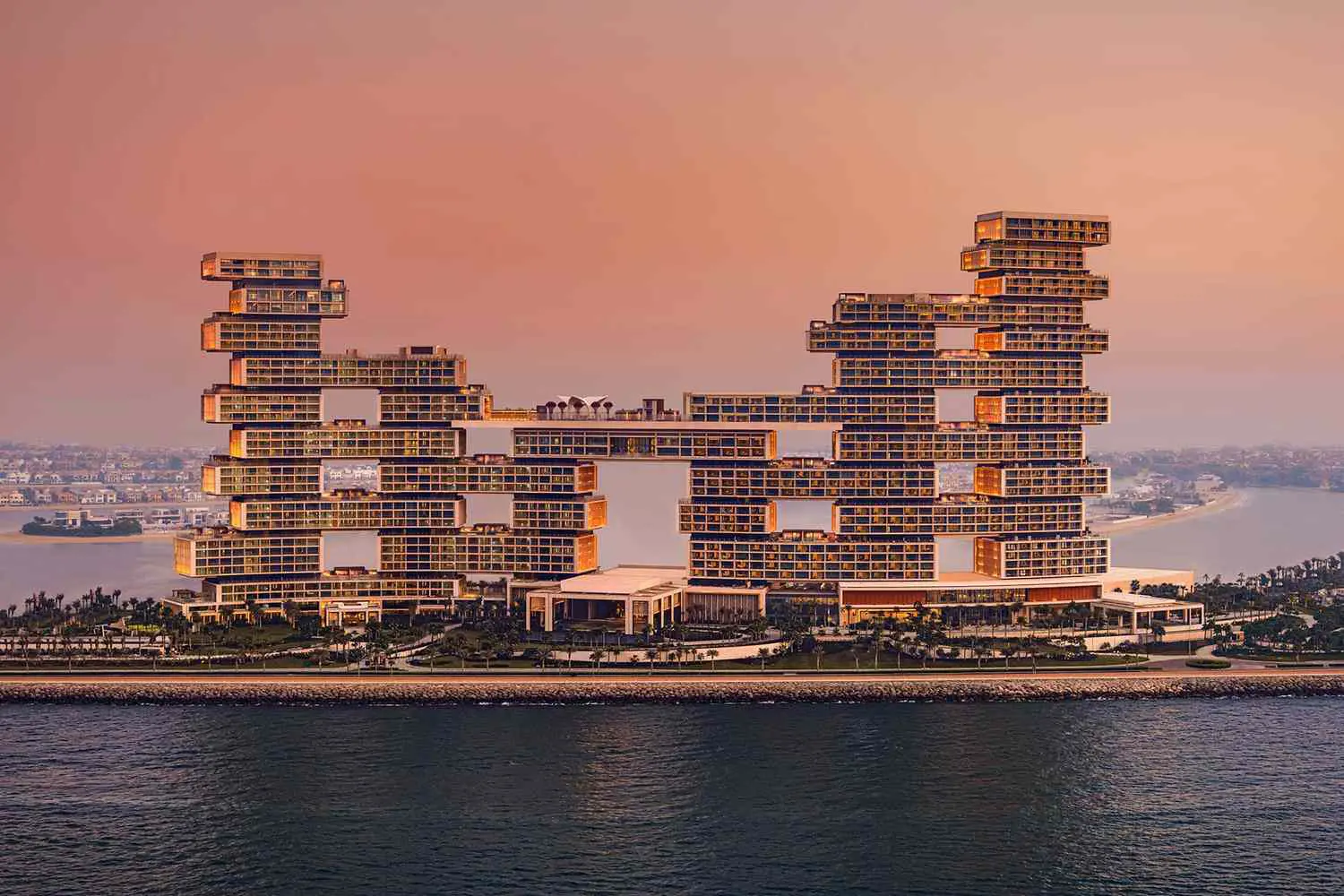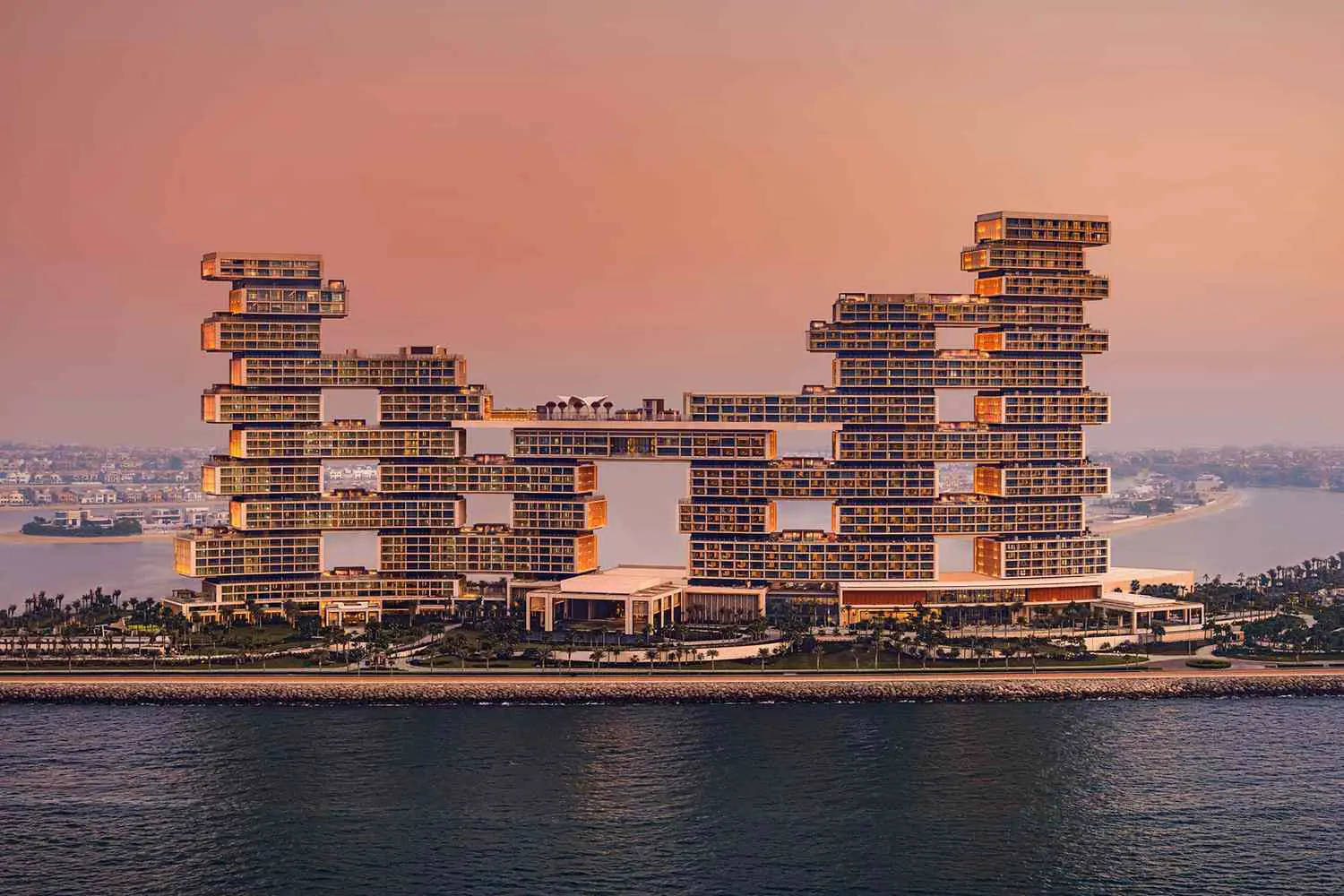
The place
Dubai stopped needing its case made years ago: the title record, the market depth and the tax position speak for themselves.
What earns its keep in 2026 is selection, the building and the district that hold their value through the supply now arriving.
The short answers
- What is listed
- 14 developments across 7 districts
- Guide prices start at
- £144.4K
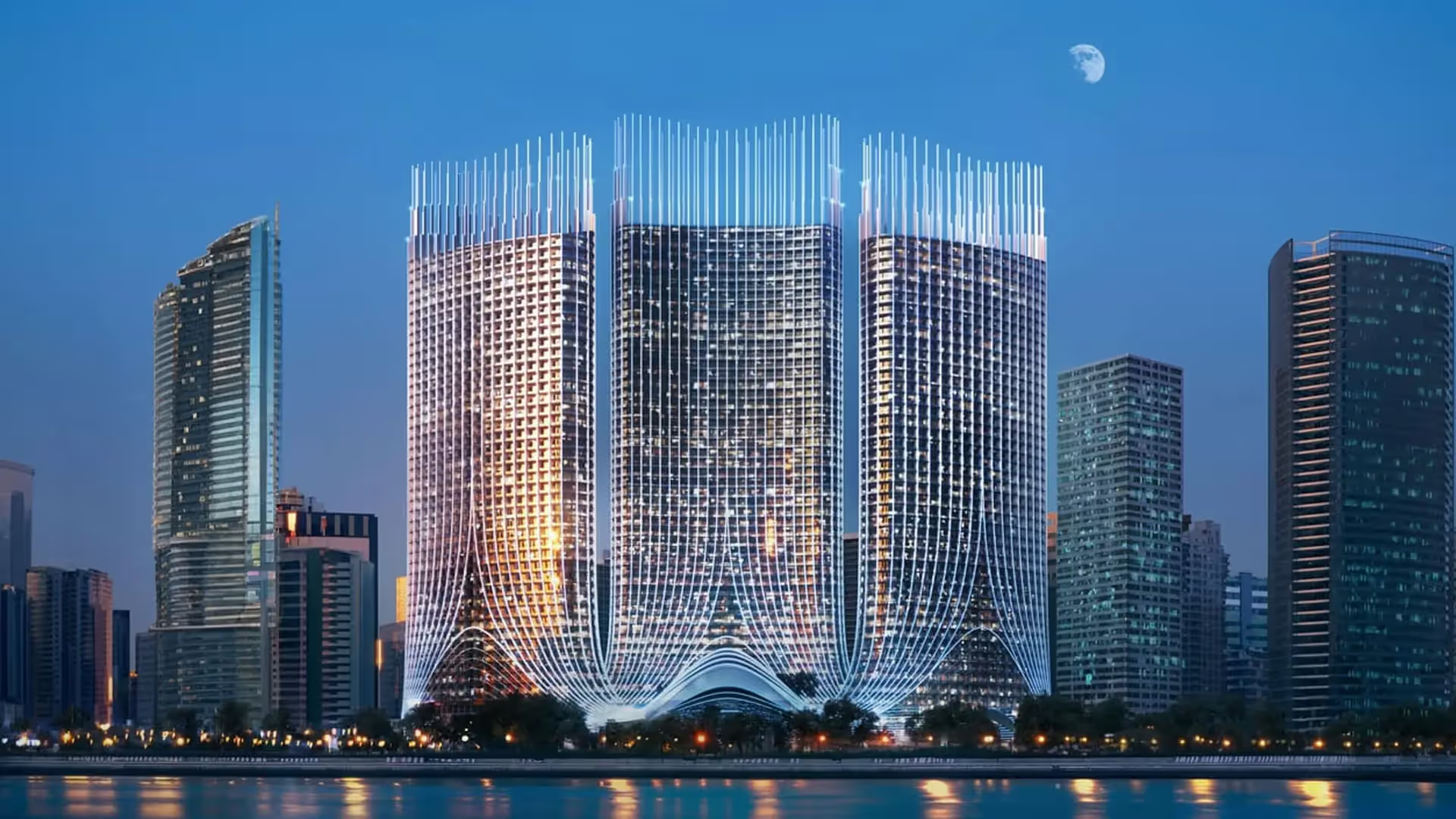
Our services in Dubai.
- Buyer advisory and off-market accessA named Gulf desk adviser shortlists against your brief, building by building, and brings the off-market and pre-launch stock a portal search will never surface.
- Off-plan and developer diligenceDirect relationships with Dubai’s master developers, so we can read an escrow account, an Oqood registration and a handover schedule honestly before you commit a deposit.
- Golden Visa and relocation supportThe 10-year Golden Visa follows a qualifying AED 2m purchase. We handle the property side and the practicalities of basing a family in the emirate, schooling included.
- Letting and portfolio managementOnce you own, we manage the letting, the Ejari registration, the service charges and, where it pays, the licensed holiday-let route, so the asset never becomes a second job.
Developments · available now
Residences to know in Dubai.
United Arab Emirates · Dubai · Downtown Dubai
Trump International Hotel & Tower Dubai
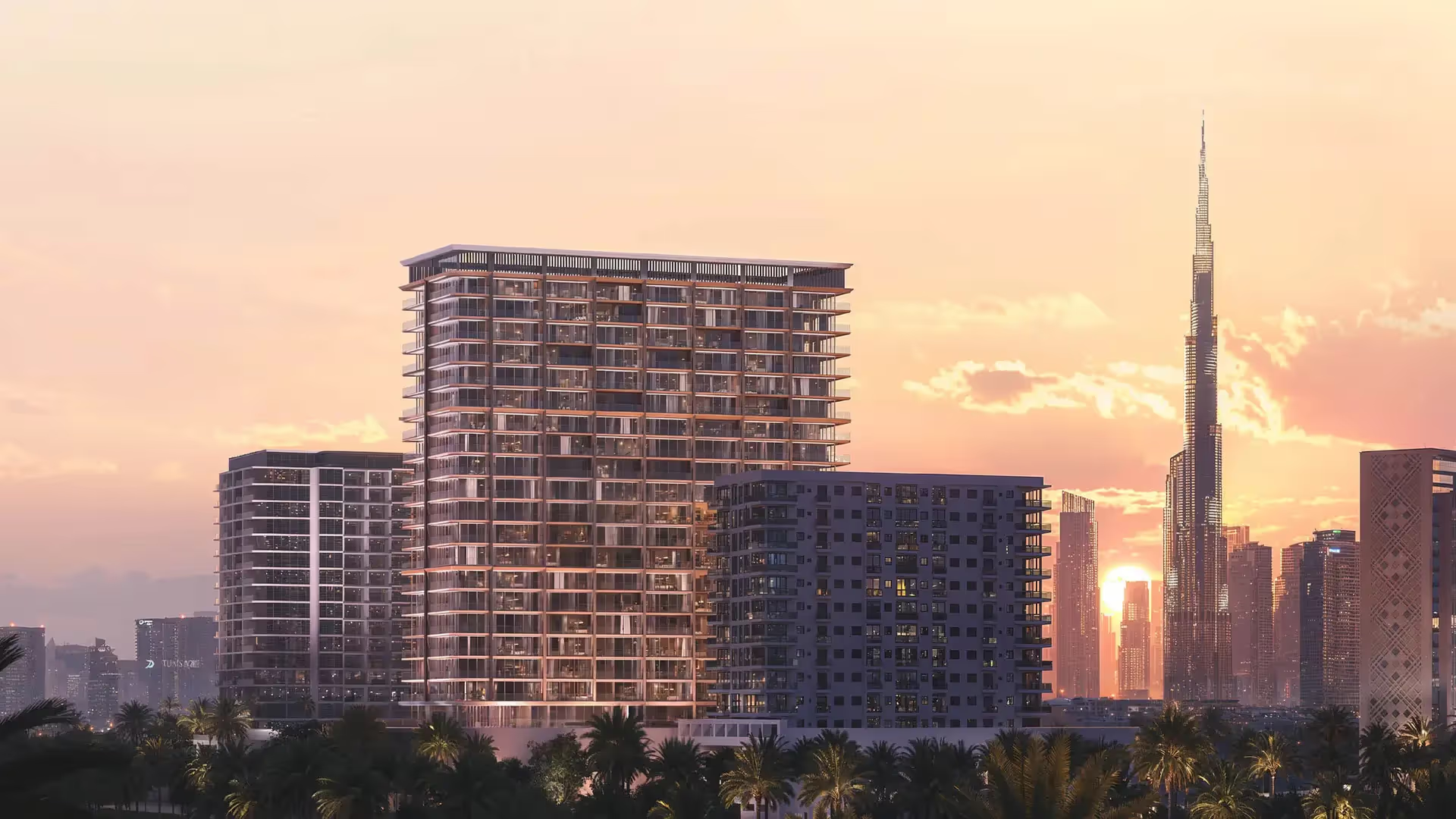
Trump International Hotel & Tower Dubai: 572 branded residences on Sheikh Zayed Road by Dar Global, one to four beds from AED 2,542,000, freehold, off-plan to 2031.
Handover Q4 2031and 1 more type
United Arab Emirates · Dubai · Business Bay
Da Vinci Tower, Interiors by Pagani
Da Vinci Tower in Business Bay, Dubai: the world's first residence with interiors by Pagani, developed by Dar Global. A completed canal-front tower of about 80 freehold homes, now trading on resale.
United Arab Emirates · Dubai · Business Bay
DG1
DG1 is Dar Global's own-brand Business Bay tower on the Dubai Water Canal: a Gensler-designed building of 221 studio to three-bedroom apartments, freehold, under construction, from about AED 1,720,000.
Handover Q4 2027and 1 more type
United Arab Emirates · Dubai · Jumeirah Golf Estates
D-Villas at Jumeirah Golf Estates
D-Villas at Jumeirah Golf Estates: 198 freehold golf villas by Dar Global in Dubai, beside the Greg Norman Earth and Fire courses. Off-plan from about AED 5,900,000.
Handover Q4 2028
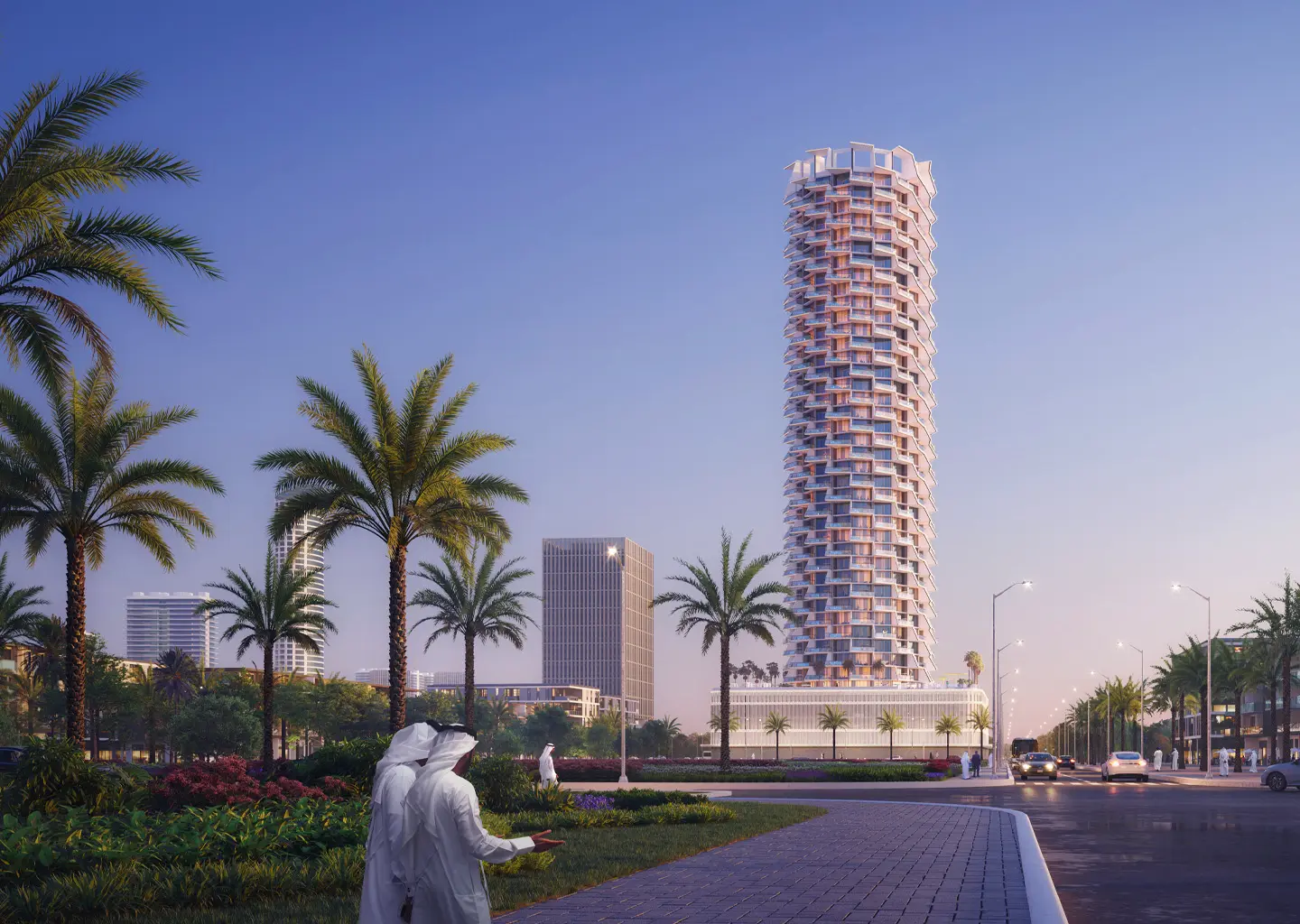
Where in Dubai
Where to buy in Dubai.
Start with the district, not the apartment.
from £200.0k5 developments
Read the guidefrom £170.0k3 developments
Read the guidefrom £521.0k2 developments
Read the guidefrom £216.6K1 development
See the homesfrom £144.4K1 development
See the homesfrom £1.2m1 development
Read the guidefrom £246.0k1 development
Read the guide

Business Bay
The canal-side extension of Downtown, near AED 2,673 per square foot, and one of the districts where the 2026–2027 handover wave concentrates.
from £200.0k5 developments
The market
The Dubai real estate market in 2026.
Dubai is moderating from a record 2025, not breaking. Values fell 3.8% in the first quarter of 2026, the first quarterly decline since the pandemic, while still up 8.9% year on year. The decision now is which building and which district defend their value through the supply that is coming, and that is where selection earns its keep.
- Citywide average
- AED 1,950 / sq ft
- Quarter-on-quarter (Q1 2026)
- -3.8%
- Year-on-year growth
- +8.9%
- Gross yields
- 6 to 8%
- Capital gains tax
- 0%
- Marina apartmentsFrom £360k
- Business Bay apartmentsFrom £420k
- Downtown apartmentsFrom £620k
- Palm residencesFrom £750k
- Trophy and brandedFrom £3M
The case for Dubai.
Title you can rely on. Freehold for any nationality across 60 plus designated zones, registered in your own name at the Dubai Land Department, with no quota, no cap on holdings and no prior approval to buy.
A settled tax position. No personal income tax, no annual property tax and no capital gains tax for individuals. The main cost is at the door: a 4% DLD transfer fee on purchase.
Residency follows the purchase. A DLD-certified value of AED 2m opens the 10-year renewable Golden Visa, extended by a 2025 reform to mortgaged and off-plan purchases. The holder can sponsor spouse, children and parents.
Letting demand that is real. Gross apartment yields broadly run 6 to 8%, commonly 4.5 to 6% net after service charges and voids, with the 2026 Smart Rental Index benchmarking rents building by building.
A dollar-pegged currency. Prices, rents and any eventual exit are denominated in a dirham pegged to the US dollar, which removes one variable most cross-border property markets cannot.
A market honest about its cycle. Values fell 3.8% in the first quarter of 2026 while holding 8.9% higher on the year, and the market published the numbers itself. That transparency is what selection is built on.
Indicative entry prices for freehold stock, Dubai, early 2026, at the dollar-pegged dirham. Total transaction costs run roughly 6 to 8%, including the 4% DLD transfer fee. Illustrative, not investment advice.
The return no longer comes from being early to Dubai: it comes from being right about the building.
The city, in full
The Dubai story.
Two decades of open title built the region’s deepest property market. What it does as prices moderate is the part worth understanding.
In 2002, Dubai announced something no Gulf city had tried: foreigners could buy homes in designated developments, outright and in their own name. Law No. 7 of 2006 wrote it into statute as freehold title, registered at the Dubai Land Department. Two decades on, that opening has produced the deepest and most transparent property market in the region: 60 plus freehold zones, every sale registered, and a record of transactions published for anyone to read. It has also produced cycles, and the market is in one now, a record 2025 giving way to the first quarterly decline since the pandemic with a heavy handover wave ahead. That is why the story is worth reading before the register is.
From the Creek to freehold
Dubai’s instinct for openness is older than its skyline. The city grew as a trading port on the Creek, a place where pearls, gold and textiles moved between India, Persia and East Africa, and where the ruling family kept duties low to keep the dhows coming. When oil arrived it arrived modestly by Gulf standards, and the response became the city’s template: build the infrastructure of trade before the oil runs out. The container port at Jebel Ali, the airline, the free zones. Opening property to the world was the same instinct, applied to homes.
The 2002 announcement extended the free-zone logic to homes, and the 2006 law made it title. Foreign buyers of any nationality could hold registered ownership in designated zones, with no quota and no cap on how many properties one name could carry. The Dubai Land Department became the market’s spine, every sale registered and every price recorded. The map is still widening: in January 2025 the DLD opened freehold conversion for 457 previously leasehold plots along Sheikh Zayed Road and in Al Jaddaf. Twenty years in, the direction of travel has not changed.
The return no longer comes from being early to Dubai: it comes from being right about the building.
Read the full story
Dubai is the deepest and most transparent freehold market in the Gulf, where foreigners have owned title outright in designated zones for roughly two decades through the Dubai Land Department. The addresses an investor weighs sit across Downtown, Business Bay and Dubai Marina at the dense end, Dubai Hills Estate and Dubai Creek Harbour for newer masterplans, and Palm Jumeirah and Emirates Hills for the trophy tier. After a record 2025, values softened for the first time since the pandemic in early 2026, so the question now is less whether to enter than which building and which district will hold through the supply that is coming.
The crash that wrote the rulebook
The market’s first full cycle ended badly. The 2008 global crisis hit a young, heavily off-plan market, and the districts that had run furthest fell hardest. What matters for a buyer now is what Dubai built in response: escrow accounts protecting off-plan payments, a dedicated regulator for developers and brokers, rent registration through Ejari, and a land department that publishes its transaction data rather than guarding it. The rulebook was written in a downturn, which is why it holds up in one. Few markets anywhere have been stress-tested this thoroughly and documented the results this openly.
A city of addresses
Dubai is best read district by district, because each answers a different question. Downtown, around the Burj Khalifa, is the recognised postcode, where averages run near AED 3,011 per square foot against a citywide AED 1,950. Dubai Marina is the letting engine, dense, waterfront and rarely vacant. Dubai Hills Estate is where settled family demand lives, low-rise around a golf course and a park. Dubai Creek Harbour is the patient buyer’s district, delivered in phases and priced on the plan. Palm Jumeirah is the trophy tier, where operator names and scarcity set values from AED 3m into the tens of millions. The district decides the outcome before the apartment does.
The supply wave and the selective buyer
The present cycle turned in early 2026. After a record 2025, ValuStrat’s first-quarter review recorded a 3.8% quarterly decline in residential values, the first since the pandemic, with prices still up 8.9% on the year. The reason is visible from any balcony: of roughly 71,613 units forecast for 2026, analysts expect only about 34,740 to complete, before a sharper 2027 surge near 70,537 units concentrated in apartment districts such as Jumeirah Village Circle and Business Bay. Fitch has flagged a correction of up to 15% as a risk scenario tied to that pipeline.
The wave is a reason to choose carefully, not to stay away. Supply on this scale never lands evenly: it lands on interchangeable towers in commodity districts, while established waterfront addresses, settled communities and buildings with real service records defend their value. Gross yields still run 6 to 8%, the dirham is still pegged to the dollar, and from 2026 the Smart Rental Index benchmarks rent increases building by building. In a moderating market, the quality of the address is the strategy.
Reviewed by the Omnia Gulf Desk · June 2026
Living and letting in Dubai.
A city built for arrival: no personal income tax, a dirham pegged to the dollar, and a 10-year residency that follows a single qualifying purchase, all reachable through one of the better-connected airports in the world. The lifestyle case and the investment case meet most clearly on the waterfront and in the established communities, where letting demand is real rather than speculative. What is changing is the rhythm of supply: a heavy handover wave lands across 2026 and 2027, concentrated in the apartment districts, and it is rewriting which locations defend their value and which do not.
Burj Khalifa, Dubai Mall, Dubai Marina, Palm Jumeirah, Jumeirah Beach, Dubai Opera.
From Downtown Dubai, by car
- Dubai International Airport (DXB)
- 15 min
- Dubai Marina
- 25 min
- Palm Jumeirah
- 25 min
- Dubai Hills Estate
- 20 min
- Al Maktoum International (DWC)
- 40 min
However you're buying
The right district, for the right reason.
Tell us what you are hoping for, and an adviser tailors the shortlist, the numbers and the next step to you. No generic forms, no pressure.
Year-round letting demand in the dense waterfront and canal districts, with rents benchmarked building by building under the Smart Rental Index from 2026.
Where to look: Business Bay
 Mercedes-Benz Places by Binghatti
Phased masterplans priced today on the plan, held with patience through the supply wave for the districts that come out of it established.
 Burj Binghatti Jacob & Co Residences
Beachfront Palm Jumeirah and the settled calm of Dubai Hills Estate. Branded, serviced addresses to use in season and let when you are away.
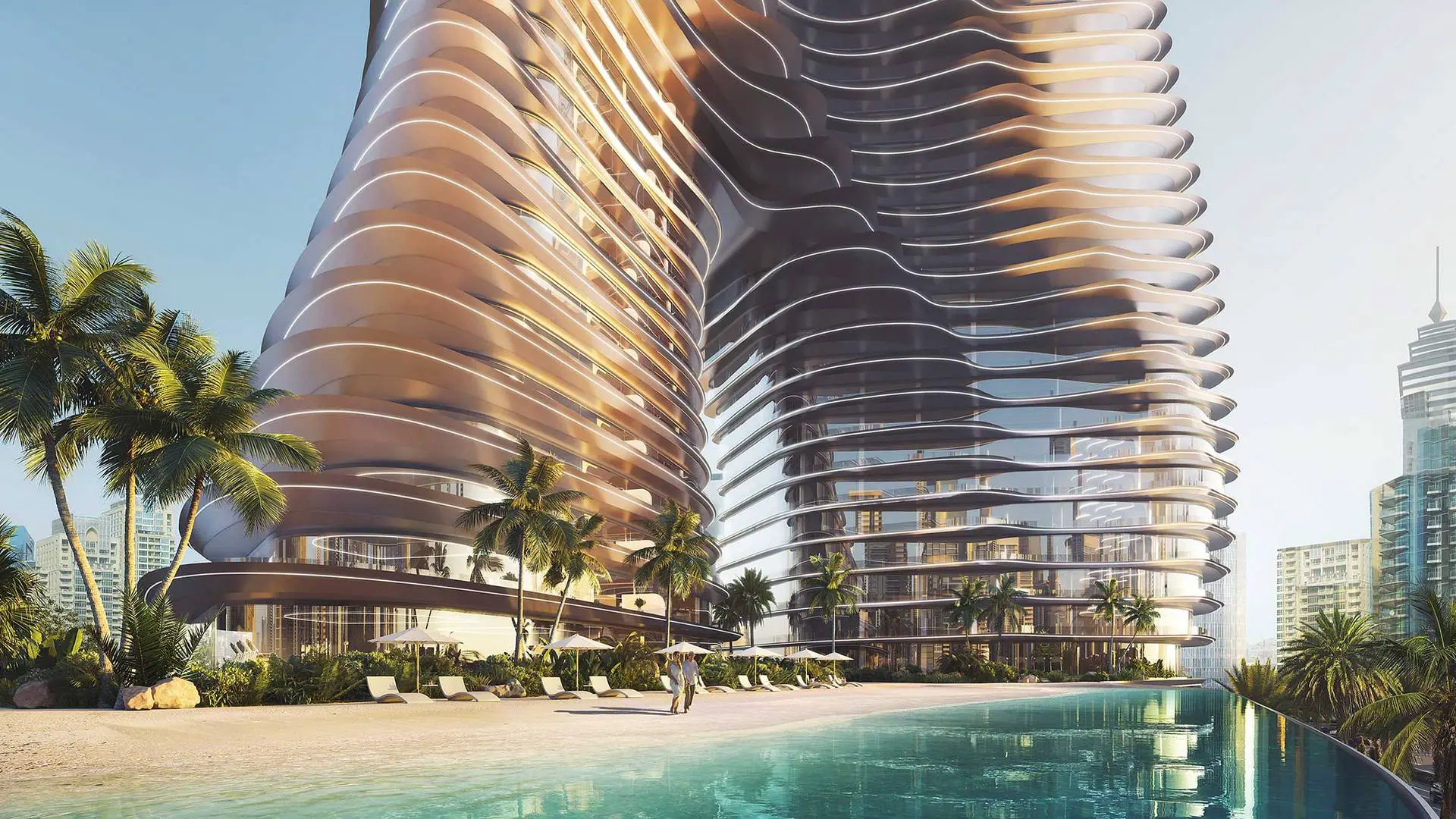 Bugatti Residences by Binghatti
The 10-year Golden Visa at AED 2m, schooling and the practical side of basing a family in the emirate, guided end to end.
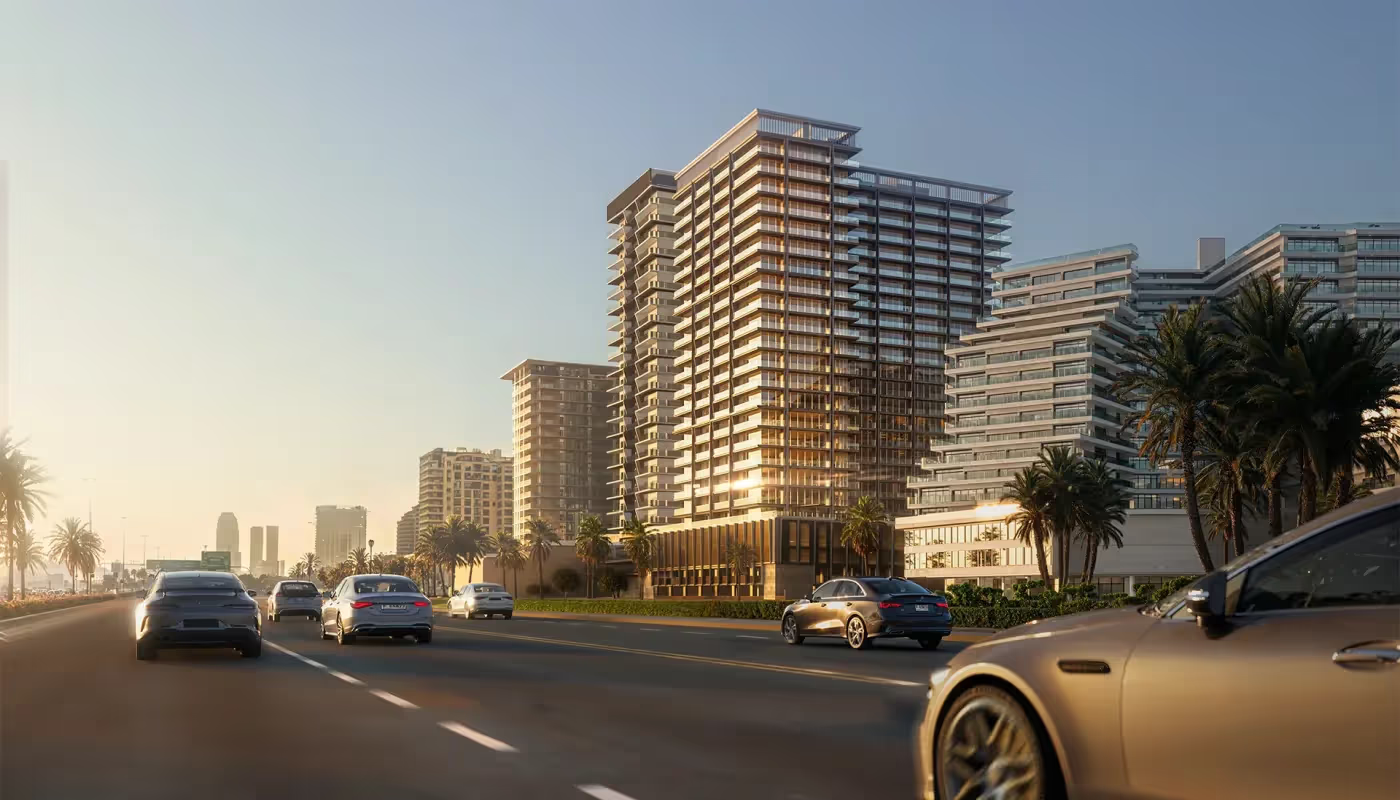 Binghatti Starlight
Related reading
Reading on Dubai.
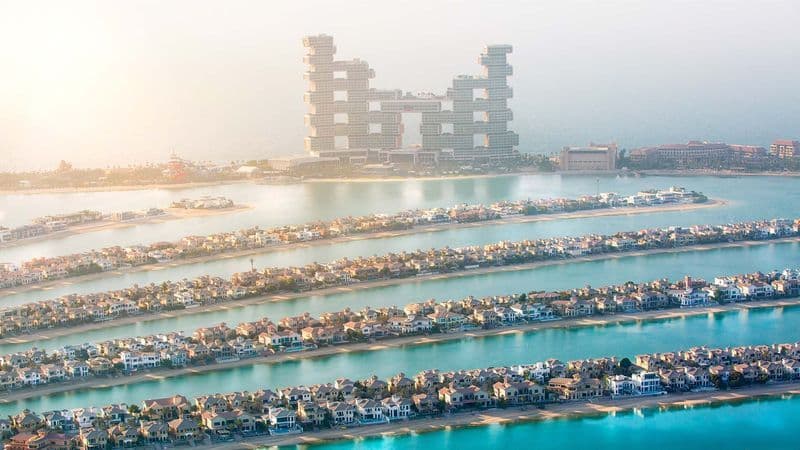
The Journal
Ras Al Khaimah vs Dubai: a comparison for expats.
Ras Al Khaimah or Dubai? RAK runs about 28% cheaper, with beaches, mountains and a close-knit community, and a Wynn-led boom underway; Dubai is the high-octane global stage. A full 2026 expat comparison.
- ReportsUK buyers in Dubai property: the 2026 read.
- Investor guidesBuying property in Dubai, step by step
- Investor guidesCan foreigners buy property in the UAE?
- Investor guidesThe true cost of owning property in Dubai
- Investor guidesThe UAE Golden Visa through property investment
- Investor guidesFreehold vs. leasehold in the Emirates
Questions
Buying property in Dubai: your questions answered.
Can foreigners buy freehold property in Dubai?
Yes. Any nationality can own freehold outright in Dubai's designated freehold zones, with title registered in your own name at the Dubai Land Department. There are no nationality quotas, no cap on how many properties you hold, and no prior government approval to buy. Dubai has 60 plus freehold zones, and in January 2025 the DLD opened freehold conversion for 457 previously leasehold plots along Sheikh Zayed Road and in Al Jaddaf. Outside the freehold zones, foreign buyers are limited to long leasehold of up to 99 years.
How much property do I need to buy for the Dubai Golden Visa?
The 10-year renewable Golden Visa applies at a DLD-certified property value of AED 2m or more. A 2025 reform removed the former AED 1m down-payment requirement, so mortgaged and off-plan properties now qualify provided the DLD valuation reaches AED 2m, with the payment schedule immaterial. For off-plan you submit a registered Oqood certificate. The visa carries no employer sponsor, and the holder can sponsor spouse, children and parents. Confirm the current threshold before relying on it.
What taxes and fees apply when buying property in Dubai?
There is no personal income tax, no annual recurring property tax and no capital gains tax for individuals on residential property. On purchase you pay a DLD transfer fee of 4% of the price, for example AED 80,000 on a AED 2m home, plus admin and title-deed fees, a trustee office fee, and for off-plan a 4% Oqood registration fee. Agent commission is customarily around 2% plus 5% VAT on that commission. Budget roughly 7 to 8% of the price in total transaction costs for a cash purchase.
Is there an annual property tax in Dubai?
No. There is no recurring property tax. The only annual public charge is the Dubai municipality housing fee, set at 5% of the property's annual rental value and billed through the DEWA utility account, so it is a municipal fee on the bill rather than a property tax. Separately, owners pay building service charges that run roughly AED 10 to 32 per square foot per year for apartments, higher for prime and branded stock.
What does it cost to enter the Dubai market?
Figures are indicative and dated to early 2026. Entry studios in budget districts such as International City and Dubai Silicon Oasis realistically run from about AED 450,000, with a thin tail of listings from AED 350,000, against a citywide average apartment price near AED 1,950 per square foot. By district, Downtown averages around AED 3,011 per square foot, Business Bay around AED 2,547, and Dubai Marina around AED 2,058. Palm Jumeirah and branded residences sit well above, commonly AED 3m and into the tens of millions for trophy stock.
Where is the Dubai market heading in 2026?
It is moderating from a 2025 peak rather than breaking. ValuStrat's Q1 2026 review recorded the first quarterly decline in residential values since the pandemic, down 3.8% quarter on quarter, while values stayed up 8.9% year on year. The defining dynamic is supply: of roughly 71,613 units forecast for 2026, analysts at Morgan's Realty expect only about 34,740 to complete, before a sharp 2027 surge near 70,537 units concentrated in apartment districts such as Jumeirah Village Circle and Business Bay. Fitch has flagged a possible correction of up to 15% as a risk scenario tied to that pipeline.
Can I run a short-term rental or Airbnb in Dubai?
Yes, but it is licensed and enforced. Any property let for stays under six months must hold a holiday-home permit from Dubai's Department of Economy and Tourism, costing around AED 1,520 per unit per year, covering Airbnb, Booking.com, Vrbo and direct bookings. Units must be let whole, with guest check-in reporting and a monthly Tourism Dirham of AED 10 to 15 per occupied bedroom per night. Since 2025 the major platforms auto-delist listings without a valid permit, and penalties escalate from AED 5,000 up to AED 100,000 with a permanent ban.
What rental yields can I expect in Dubai?
Gross apartment yields broadly run 6 to 8%, with studios and one-beds at the higher end and larger units lower. Net yields are commonly around 4.5 to 6% once service charges and voids are accounted for, so the gross figure is not a guaranteed return. The strongest yields tend to sit in districts such as Jumeirah Village Circle, Dubai Silicon Oasis, International City and Arjan. Long lets fall under RERA and Ejari registration and the DLD Smart Rental Index, in force for 2026, which caps rent increases at renewal by building benchmark.
Speak with us
Start with a conversation, not a brochure.
Tell us what you are weighing in Dubai and we will send a short, specific briefing.
Keep exploring