The city, in full
The Madinah story.
The city of the Hijrah has hosted pilgrims for fourteen centuries. In 2026 it began, for the first time, to sell them homes.
In this story
- I.A city built around the visit
- II.Who may own, and where
- III.The first evidence
Omnia Saudi Desk · October 2026
Madinah is where the Islamic calendar begins. The Prophet’s migration from Makkah in 622 CE, the Hijrah, made the oasis city then called Yathrib the first home of the Muslim community, and it has drawn visitors ever since: to the Prophet’s Mosque at its centre, to Quba Mosque on its southern edge, to Mount Uhud on the north. For most of its history that relationship ran one way. People came, prayed and went home. The ownership law that took effect on 22 January 2026 changed the terms. Muslim individuals living abroad may now own here, and within nine months a first phase of 304 homes had sold to them in full.
I.
A city built around the visit
The demand in Madinah is not seasonal in the way a resort’s is. In 2024 Saudi Arabia welcomed about 35.7 million Umrah pilgrims, roughly 16.9 million of them from abroad, against a stated ambition of around 30 million foreign pilgrims a year by 2030. The Haramain High-Speed Railway, 453 kilometres from Makkah to Madinah through Jeddah, carried close to 70% of international Umrah pilgrims between the three cities in 2025, and puts Makkah under two and a half hours away.
The city is being rebuilt to match. Rua Al Madinah, a Public Investment Fund project on 1.5 million square metres east of the Prophet’s Mosque, is planned for 47,000 hotel rooms by 2030, with around 63% of its area left as open and green space. Across Makkah and Madinah together, more than 252,000 hotel rooms are planned, announced or under construction.
II.
Who may own, and where
Madinah does not follow the zone maps that govern Riyadh and Jeddah. Under the Law of Real Estate Ownership by Non-Saudis, in force since 22 January 2026, ownership in Makkah and Madinah is restricted to Saudi companies and Muslim individuals, whether they reside inside or outside the Kingdom, with CMA-licensed funds and listed entities permitted under conditions. Muslim individuals are not confined to designated zones in the holy cities, and non-Muslims are prohibited from owning there entirely.
For an eligible buyer the practical question is therefore the home rather than the map: which building, which phase, which contract. Every acquisition by a non-Saudi must be registered through the Real Estate General Authority to be legally valid, and a buyer should budget roughly 10% in combined transaction taxes and fees, plus registration, on top of the price. This is a summary of the law, not legal advice; REGA and the implementing regulations are the authority.
For fourteen centuries Madinah has received the world. Since 2026 it can also be home to it.
III.
The first evidence
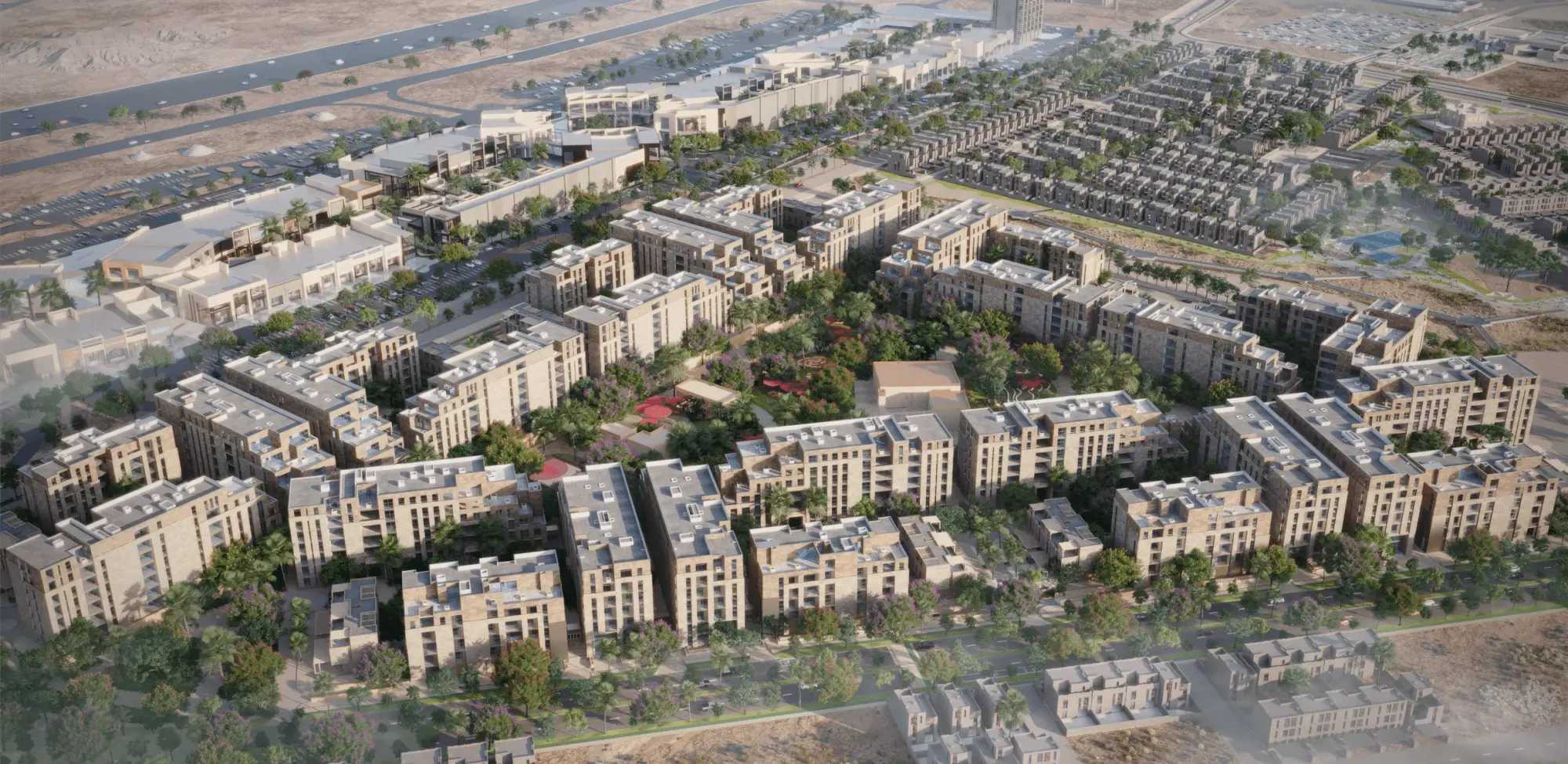
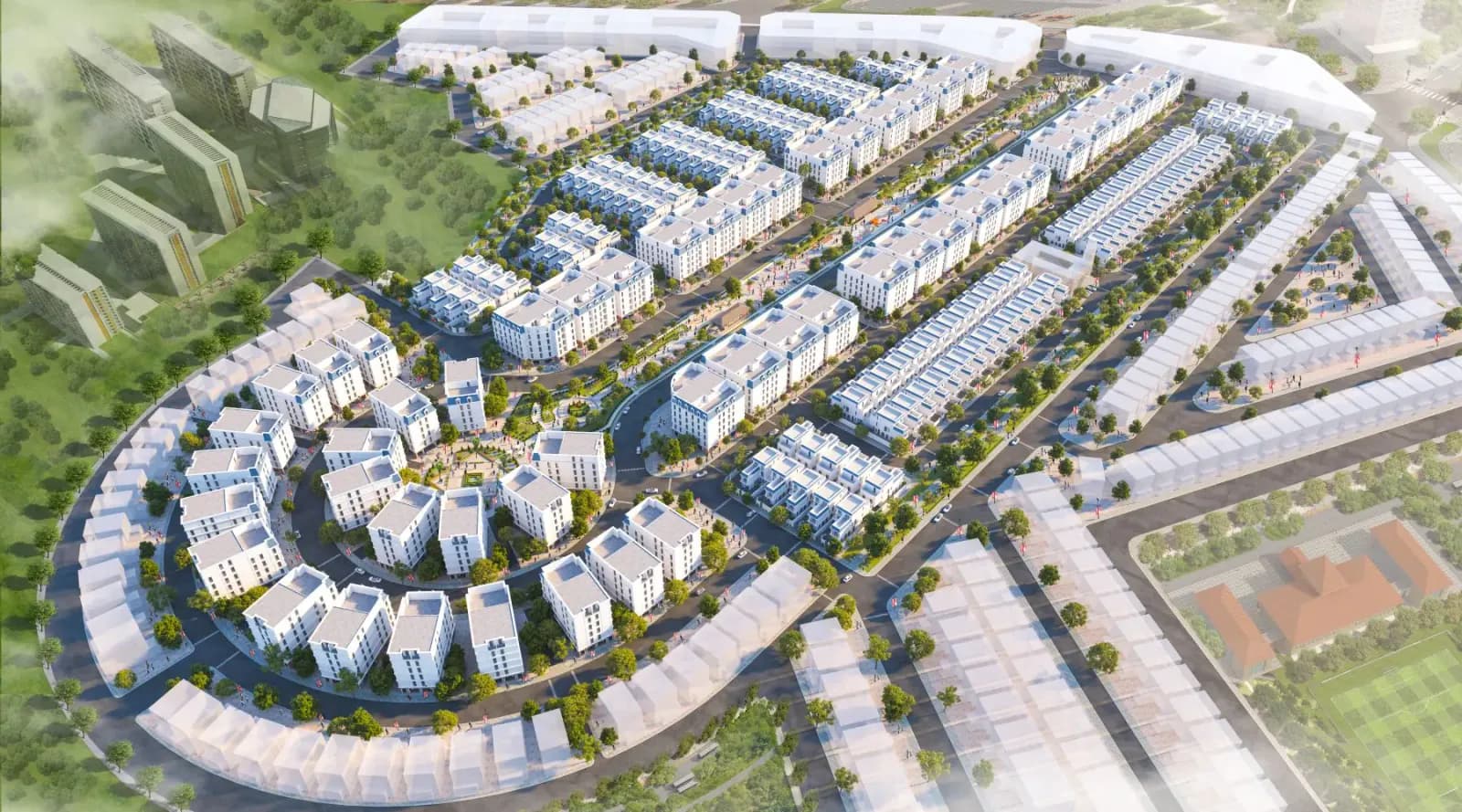
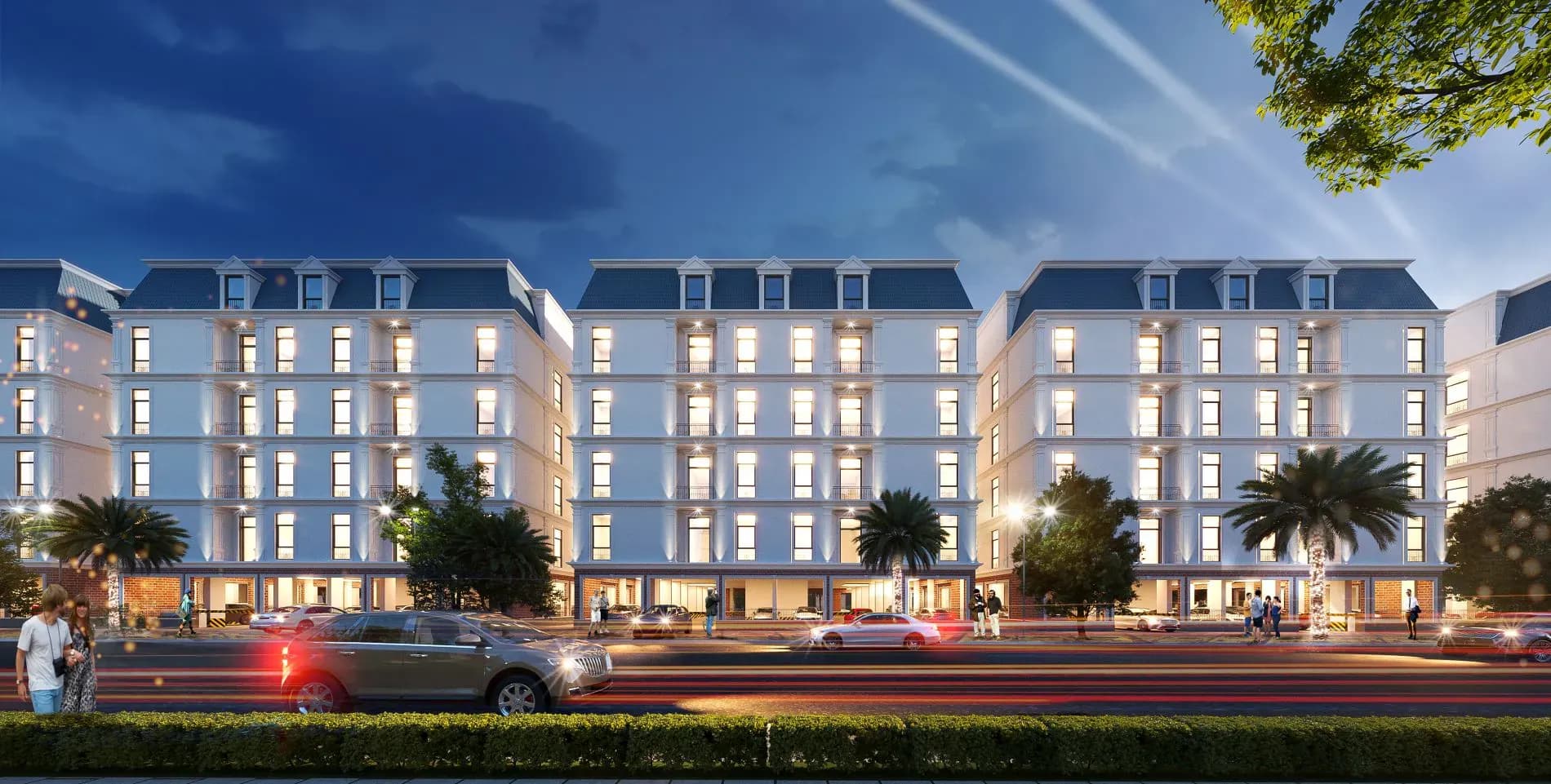
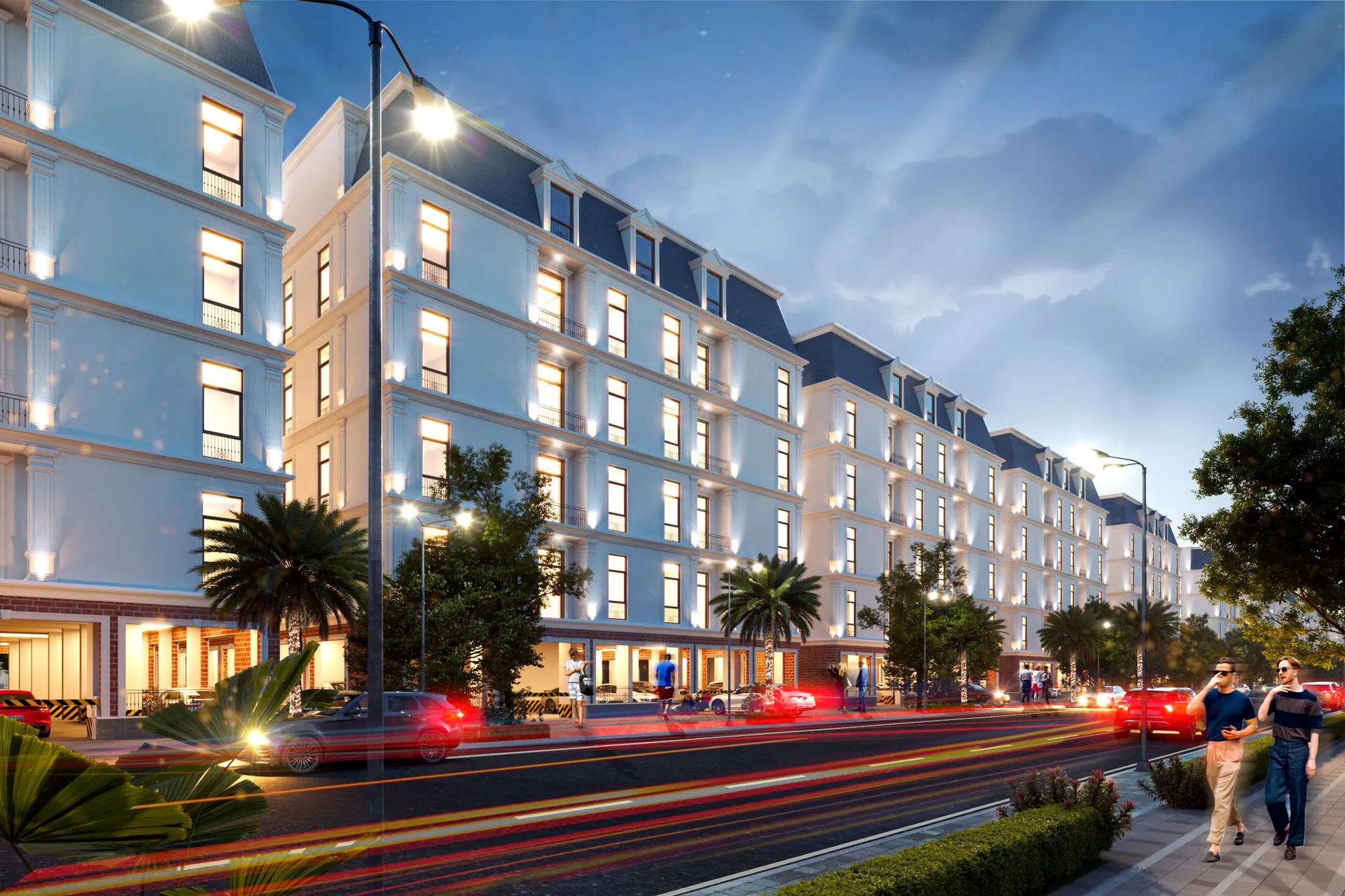
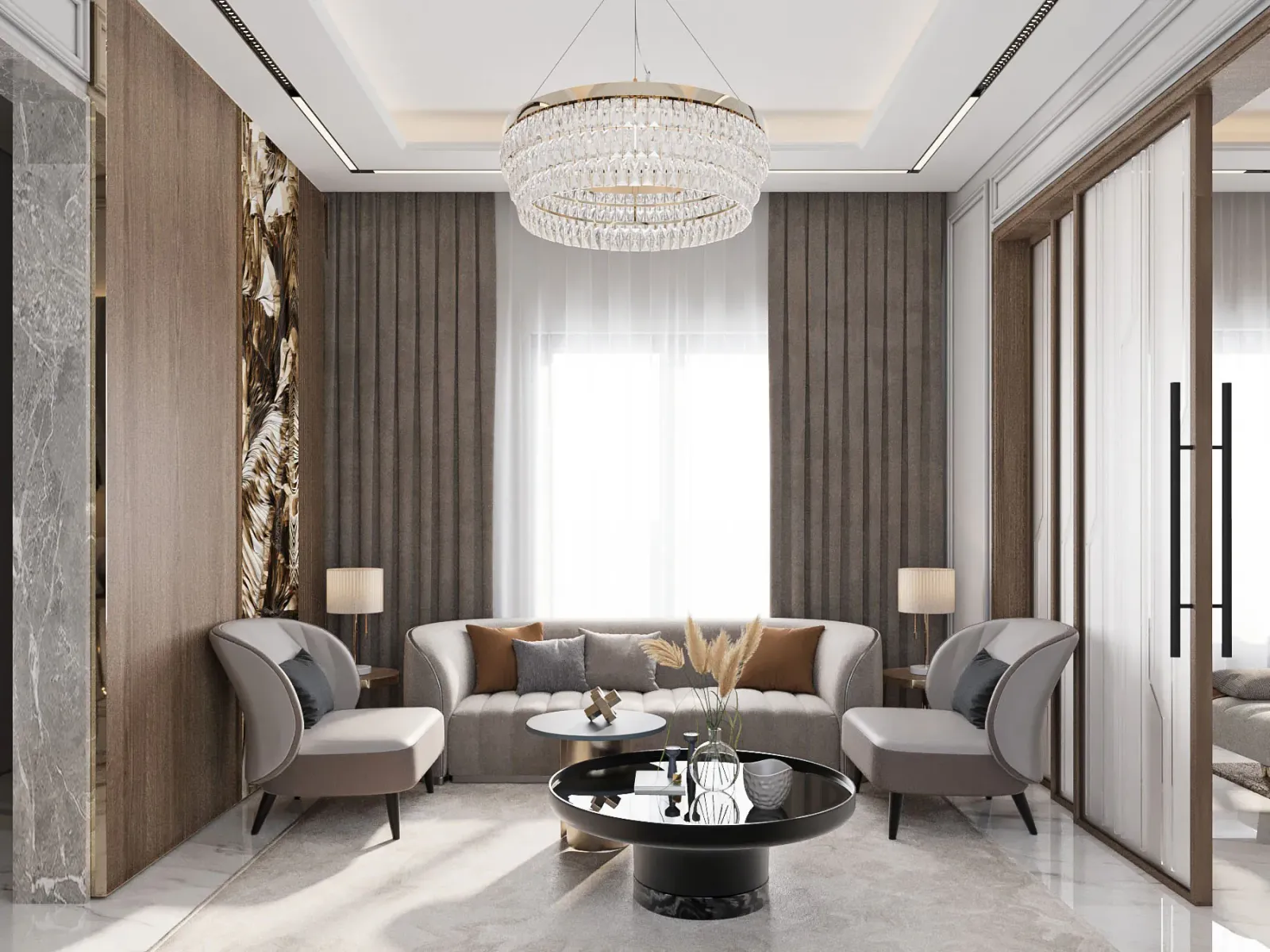
On 29 September 2026 Al Majdiah announced that phase one of Meshraf Al Majdiah, its villa and apartment neighbourhood in Al Hadra, east Madinah, had closed in full: 304 homes for SAR 231,466,000, every one sold to non-Saudi investors. That is an average of about SAR 761,000 a home, a figure Omnia derives from the two published totals. The neighbourhood sits 9.6 kilometres in a straight line from the Prophet’s Mosque and 9.2 kilometres from Quba Mosque.
More is aimed at the same buyer. A memorandum signed on 15 September 2026 describes about 2,700 homes inside the Haram boundary within the Knowledge Economic City masterplan, close to Multaqa Al Madinah, aimed primarily at non-Saudi Muslim customers. A memorandum is a statement of intent, not a launch: there are no prices, plans or dates yet. One sale is not a market, which is why we read Madinah as early and treat every number as one to verify.