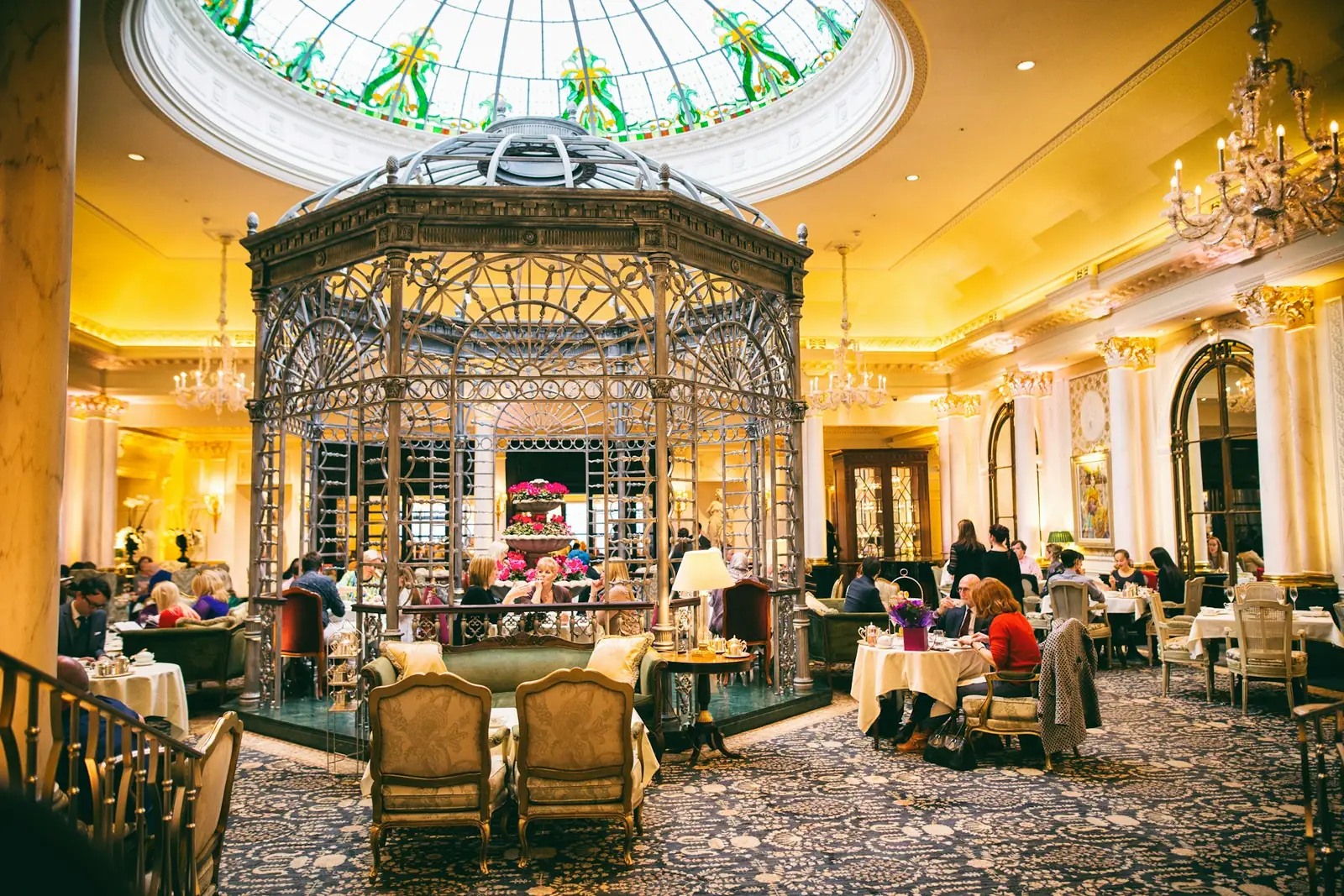
A beautiful room can still make you crawl behind the bedside table to charge your phone. It is an undignified end to a promising arrival. The chandelier may be magnificent; at that moment, you would exchange a surprising amount of it for a socket.
The grand hotel is an education in the difference between looking wonderful and making a day feel wonderful. Its history is full of decisions about things that rarely make the cover photograph: plumbing, lighting, luggage, breakfast and who answers when something goes wrong. Get those right and the guest is free to enjoy the room.
For Omnia, that is a compelling starting point for a home. Beauty should make a promise that the experience of living there can keep. The Savoy and Raffles offer two particularly good places to begin thinking about how.
Comfort was once the innovation.
The Savoy opened in 1889. Its published history describes electric lighting, lifts and hot and cold running water among the innovations offered to guests. The hotel was conceived by Richard D’Oyly Carte, whose theatrical interests also shaped its social setting. Behind an address now associated with tradition was an appetite for doing things differently.
It is a useful corrective to the idea that tradition means leaving everything alone. The Savoy’s appeal included conveniences that were strikingly modern. A guest could admire the surroundings and enjoy the hot water. We see no reason to lower that ambition for a home.
On a viewing, mentally unpack. Put your coat somewhere, find a place for the suitcase and sit where you would read after dinner. Imagine the room once the flowers have gone and your belongings have arrived. A good plan becomes more convincing as you do this. You begin to notice the quiet intelligence behind the first impression.
A room can give the day a rhythm.
The Savoy describes afternoon tea as a tradition reaching back to its opening. Whatever the changes in menu or setting, the appeal of a named occasion is easy to understand: the day has a point at which people gather, sit down and give one another their attention.
At home, the occasion may be much less ceremonious. Coffee that runs into breakfast. A lunch that somehow needs another chair. The hour on the terrace when everyone finally puts down a phone. A room can encourage these things, or make them surprisingly difficult.
This is why the details of your household belong early in a property conversation. If friends regularly stay for a week, the guest room is central to the brief. If cooking is how you relax, the relationship between kitchen and table matters. The home begins to take shape around the hours you would like more of.
The most convincing room is the one you can imagine using without rearranging your life.
Continuity takes care.
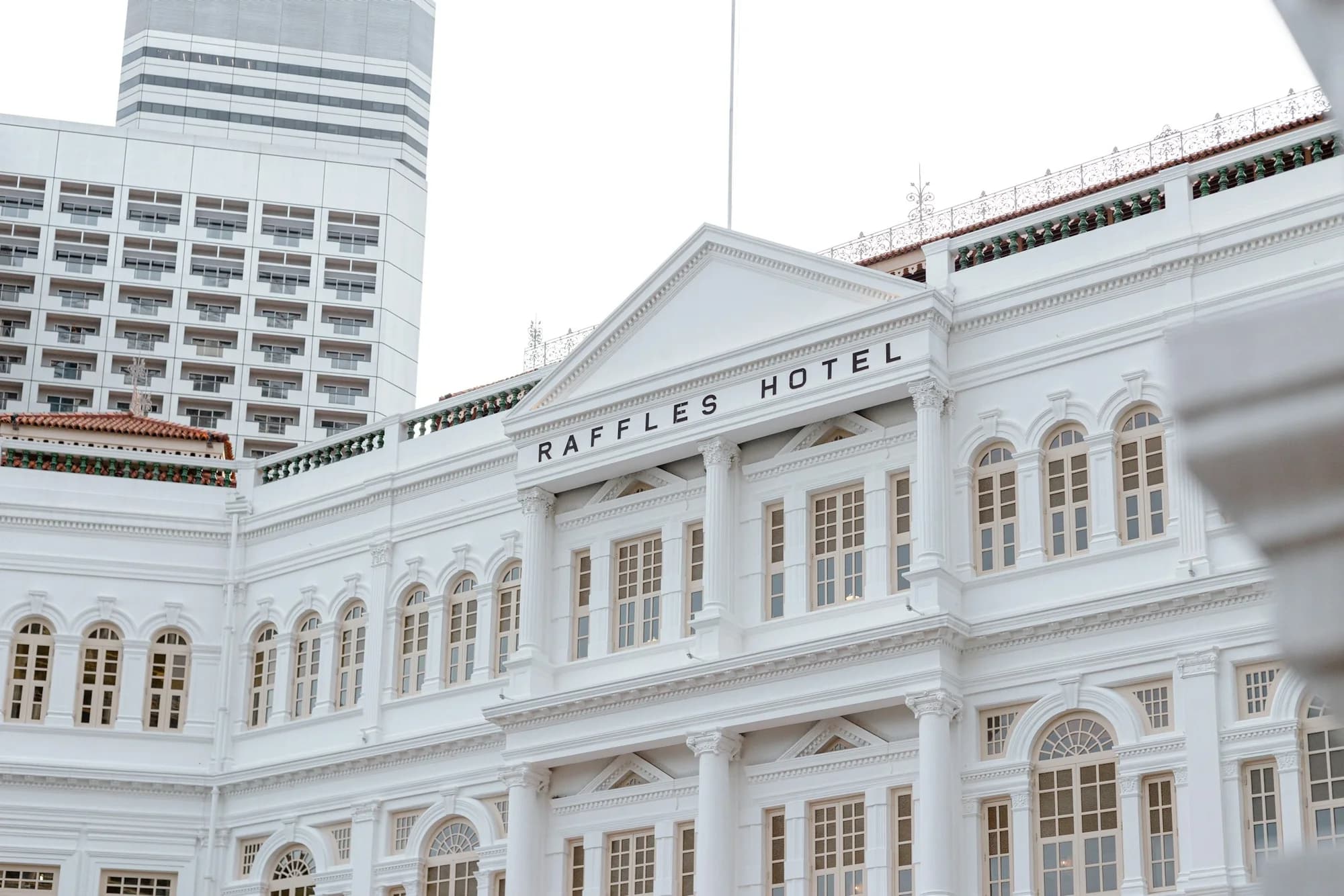
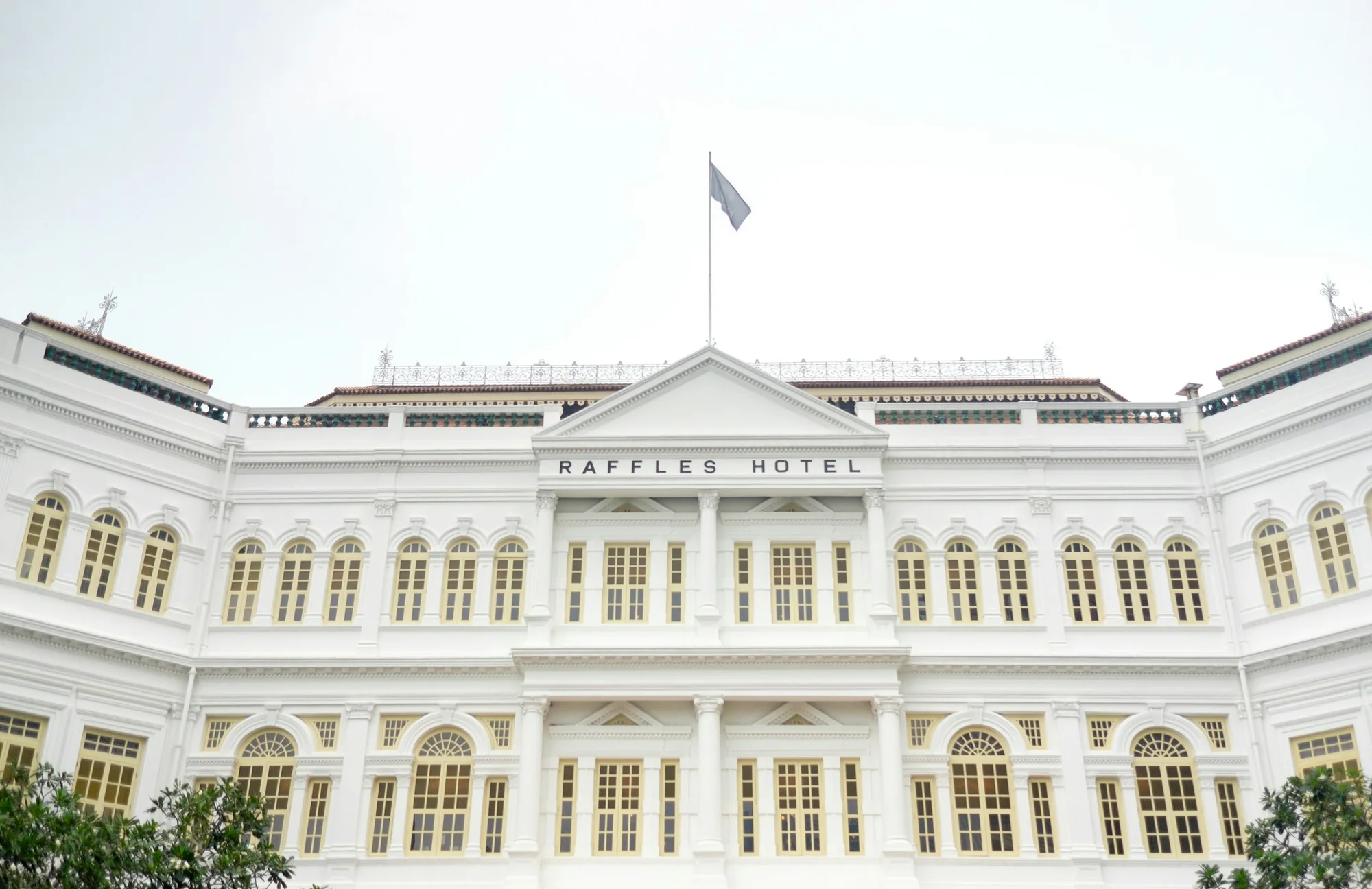
Raffles Singapore provides another instructive example. The hotel’s official chronology records a restoration beginning in 2017 and a reopening in August 2019. It presents the work as a way to retain the hotel’s character while adapting it for contemporary guests, with renewed social spaces and courtyards.
The apparent ease of an old hotel is an achievement somebody has to keep earning. Floors wear. Systems age. The things guests bring with them change. Continuity requires people willing to decide what deserves to stay and what needs to work better.
For an owner, the interesting question reaches beyond the opening photograph. Who will be looking after the building in five years? What happens when a repair is needed while you are elsewhere? The answer gives substance to the atmosphere. Care is part of what you are choosing.
المجلة · مجانية، شهرية
أعجبك العدد؟ دع العدد القادم يصلك.
رسالة واحدة مدروسة في الشهر. إلغاء الاشتراك بنقرة واحدة.
Service is a working relationship.
Raffles includes butler service in its published suite offer. The appeal points to something very human: knowing whom to ask. A request has a destination; somebody understands what needs to happen next.
In a second home, that reassurance can take a wonderfully undramatic form. The house is prepared before you arrive. A delivery is received. A small repair does not become the principal event of your first morning. You get to spend the time as you intended.
It is one reason to explore branded residences within Omnia’s collections. The conversation should move quickly from the name above the door to the life behind it: which services you would use, who delivers them and what the ownership arrangement actually includes. A hotel’s service offer does not establish the terms of a separate residential scheme.
Our Middle East property amenity census looks more closely at advertised facilities. For your own search, start with the things you would happily stop organising. That list can be remarkably revealing.
Leave room for your own life.
A home must also survive the arrival of your life. Books accumulate. A perfectly composed table becomes the place where somebody works. Children return older, friends stay longer and the room that looked incidental becomes everyone’s favourite.
Leave some generosity in the plan for that. Somewhere quiet while the rest of the house is occupied. Space for a guest who extends the weekend. Materials you will enjoy living with, including the care they ask of you. The pleasure of ownership includes the freedom to settle in.
At Omnia, guided property discovery begins with understanding those intentions. A long winter stay, family weekends and a base between journeys are three different briefs. We want to hear enough about yours to recognise the details that will matter after the first viewing.
The grand hotel has done its job when the hours feel easy. A home adds something of your own: the book left open, the familiar chair, the knowledge that there is no checkout tomorrow. That is a rather good ambition to bring to the search.
Read the home as a guest, then as an owner.
The Omnia viewArrival.
Walk the route with the things you actually travel with. Notice storage, thresholds, lifts and the space to pause.
A day indoors.
Consider daylight, seating, privacy and whether different members of the household can comfortably do different things.
Care between visits.
Establish the person or team responsible, the services included and the process for approving work.
Time.
Look for a plan that can accommodate changing routines and a maintenance approach that keeps the building useful.