ما إن تخرج من صالة الوصول حتى تقدّم لك قطر نفسها عبر ناسها قبل عمارتها. فالدوحة، عاصمة هذا البلد الخليجي الصغير المساحة، تُبقي سوقها القديم وميناء سفنها الشراعية على مرمى البصر من الأبراج، وأول ما يلفت معظم القادمين الجدد هو كرم الضيافة. فللقطريين موهبة في إشعارك بأنك واحد منهم، سواء كان جارًا يقدّم لك قهوة معطّرة بالهيل أو غريبًا يدلّك على طريقك في شارع مزدحم. لن يحدث ذلك بين ليلة وضحاها، إذ عليك أن تتعلّم الإيقاع، لكن الدفء أصيل، تأسّس على قرون من روح الجماعة.
ما تغفله كتابات الرحلات عادةً هو الحساب، والحساب في قطر كريم على نحو لافت. لا توجد ضريبة دخل على الأفراد، فراتبك الإجمالي كاملًا هو ما تتقاضاه فعلًا. ويتكفّل أصحاب العمل عادةً بالتأمين الصحي، وبجزء من الرسوم المدرسية للعائلات. ونحو 89% من سكان البلاد البالغ عددهم 3.17 مليون نسمة من المغتربين، فيما يشكّل المواطنون القطريون نحو 10.5% من الإجمالي، لذا صُمّمت الأنظمة حول القادمين الجدد لا لمجرد التسامح معهم. والمزيج عالمي بحق: فالهنود أكبر جالية منفردة بنحو خُمس السكان، يليهم البنغلاديشيون والنيباليون والمصريون والفلبينيون، ولهذا قد يبدو طابق مكاتب واحد وكأنه يجمع أربع قارات في آن. يحافظ هذا الدليل على دفء المكان، ويضيف إليه الأرقام التي يتوقّف عليها الانتقال فعلًا في 2026: كم تكلّف الدوحة، وكم ينبغي أن تكسب، وكيف يعمل التعليم والرعاية الصحية، وأين يمكن للأجانب اليوم أن يمتلكوا البيت الذي يسكنونه.
تكاليف المعيشة في قطر.
ينفق الشخص الأعزب نحو QAR 10,800 شهريًا، أي قرابة US$2,990، شاملةً كل شيء. يغطي هذا الرقم الإيجار والطعام والمواصلات والمرافق وحياة اجتماعية عادية في الدوحة، ويقع معظم المغتربين العزّاب في نطاق يمتد من QAR 8,000 إلى QAR 14,000 بحسب أسلوب حياتهم. والسكن هو البند الأكبر بفارق واضح، إذ يستحوذ عادةً على 40 إلى 60% من إنفاق المغترب الأعزب الشهري بحسب الحي ومستوى التشطيب. وإذا استثنيت الإيجار، ينفق الشخص الأعزب نحو QAR 3,000 شهريًا على كل ما عداه. يبلغ إيجار شقة بغرفة نوم واحدة في الخليج الغربي نحو QAR 11,000 شهريًا، بينما تتراوح شقة مماثلة في اللؤلؤة قطر عادةً من QAR 7,000 إلى QAR 10,000، وترتفع أكثر للوحدات الفندقية أو المطلّة على الواجهة البحرية. أما البقية، من البقالة وتناول الطعام خارج المنزل والوقود والفواتير، فتأتي أدنى بكثير من نظيراتها في أوروبا الغربية، ولأن ضريبة الدخل لا تقتطع شيئًا من أعلى الراتب، فإن الفجوة بين ما تكسبه وما تحتفظ به أوسع منها في أي مكان تقريبًا قد يأتي منه القادم الجديد.
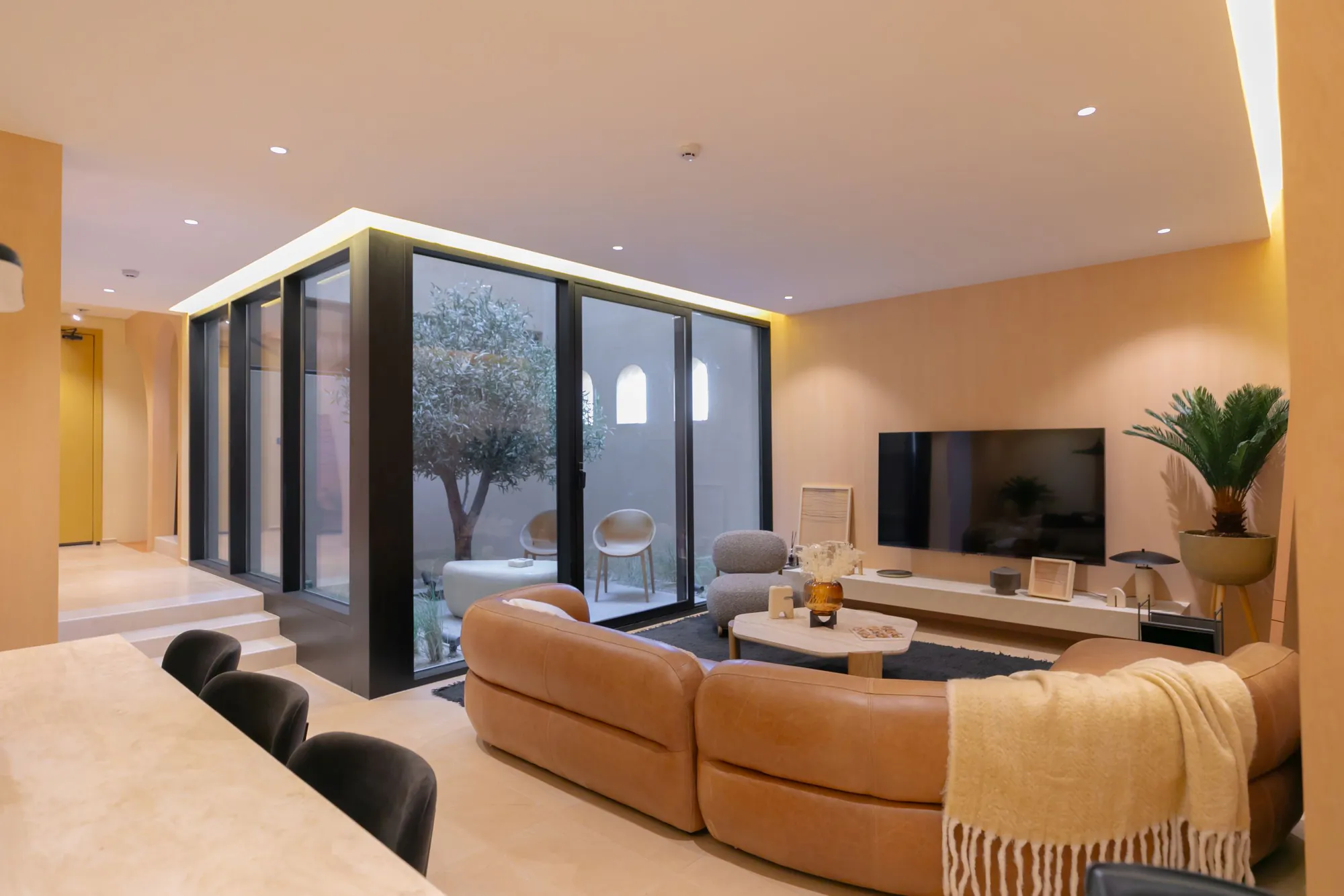
أما التنقّل فلا يضيف إلا القليل. يتقاضى مترو الدوحة أجرة ثابتة قدرها QAR 2 للرحلة المفردة العادية، والاشتراك الشهري QAR 120 والسنوي QAR 990، فينفق المتنقّل اليومي على المواصلات في شهر كامل أقل مما ينفقه على عشاء واحد خارج المنزل. وتحتاج العائلات إلى أكثر، كما هي حال العائلات في كل مكان. فالأسرة المكوّنة من أربعة أفراد تحتاج عادةً إلى حزمة شهرية، أي الراتب مع البدلات، تبلغ نحو QAR 35,000 أو أكثر لتغطية الإيجار والتعليم ونفقات المعيشة دون ضغط. والعامل الأكثر تأثيرًا على الإطلاق هو مكان السكن. تطلّ أبراج الخليج الغربي على مياه الخليج وتناسب العزّاب والأزواج، بينما تختار العائلات غالبًا مجمّعات الفلل في الوعب أو الغرافة أو عين خالد، حيث تأتي البيوت بمسابحها وأجواء جيرة متقاربة. توقّع بعض الإجراءات الورقية عند توقيع عقد الإيجار، لكن ما إن تستقر حتى تجعل حفلات الشواء مع الجيران ولقاءات اللعب بين الأطفال المكانَ بيتًا حقيقيًا.
العمل والدخل: نبض الحياة المهنية.
تجتذب قطر الكفاءات: مهندسين ومعلمين وأطباء ومتخصصين في المال والطاقة، وغيرهم كثير. وتعجّ أماكن العمل بالتنوع، فقد يجمع اجتماع واحد أصواتًا من مانيلا ومانشستر ومومباي. توقّع ساعات عمل طويلة في القطاعات القائمة على المشاريع، لكن فرصة القيادة أو التعلّم حقيقية. يتراوح متوسط الراتب الإجمالي على المستوى الوطني من QAR 11,000 إلى QAR 15,000 شهريًا في 2026، غير أن التفاوت واسع: تتركّز الوظائف المبتدئة من QAR 7,000 إلى QAR 10,000، والمناصب العليا من QAR 20,000 إلى QAR 30,000، وكثيرًا ما يبلغ دخل كبار المهنيين في النفط والغاز والمال والرعاية الصحية من QAR 25,000 إلى QAR 45,000. وكقاعدة عامة، يستطيع المهني الأعزب الذي يكسب من QAR 15,000 إلى QAR 20,000 شهريًا أن يعيش براحة، ويدّخر ادخارًا يُعتدّ به، ويستمتع مع ذلك بمشهد المطاعم والترفيه في الدوحة. وتركيبة الحزمة لا تقل أهمية عن الرقم المعلن: فبدلات السكن والمواصلات، وبدل التعليم للأبناء، والتغطية الصحية التي يموّلها صاحب العمل تضيف عادةً ما يعادل QAR 3,000 إلى QAR 10,000 شهريًا فوق الراتب المذكور. وللمرجعية، يبلغ الحد الأدنى القانوني للأجور QAR 1,000 شهريًا أجرًا أساسيًا، إضافة إلى QAR 500 للسكن ومبلغ QAR 300 للطعام حين لا يوفّرهما صاحب العمل، معمولًا به منذ مارس 2021 ودون تغيير حتى 2026، وهو الحد الأدنى للقوى العاملة لا للحزم المهنية التي سيوازن بينها معظم قرّاء هذا الدليل.
ينتهي أسبوع العمل يوم الخميس، وتأتي العطلة يومي الجمعة والسبت، ولهذين اليومين حرمتهما. تضجّ حديقة أسباير بالعدّائين وهواة الطائرات الورقية، وإن كنت ستتحاشى الشمس صيفًا. وتغري شواطئ مثل سيلين بمغامرات التطعيس على الكثبان أو ركوب الجمال، أما خور العديد، حيث تلتقي الصحراء بالبحر، فمشهد بكر لا يُنسى، وإن كان من الحكمة الاستعانة بمرشد لتفادي مفاجآت الرمال.
إتقان الحياة اليومية والتنقّل.
التنقّل في الدوحة يسير. فالطرق واسعة، وتطبيقات مثل كروة وأوبر تبقيك في حركة دائمة، فيما يجعل مترو الدوحة، الأنيق المكيّف الدقيق في مواعيده، تنقّلات الصيف محتملة. تمتد خطوطه الثلاثة، الأحمر والأخضر والذهبي، عبر المدينة، ومحطات مثل مشيرب ببلاطها الفسيفسائي تبدو كأنها معارض فنية صغيرة. والتسوّق للبقالة سهل، إذ يعرض لولو هايبرماركت معجون الفيجمايت الأسترالي إلى جانب البهارات الهندية، ولمن يبحث عن منتجات المزارع الطازجة فإن سوق تربة للمزارعين في المدينة التعليمية جوهرة عطلة نهاية الأسبوع.
وبعيدًا عن المشاوير اليومية، يكمن نسيج الحياة في العمود الفقري الثقافي للمدينة. انغمس في سوق واقف، قلب الدوحة النابض: هواء معبّق بالتوابل، وباعة ينادون على بضائعهم، وأكشاك تكتظ بكل شيء من الزعفران إلى السجاد المحاك يدويًا. اطلب شاي كرك، كثيفًا بالحليب والبهارات، واجلس في مقهى تتأمل العالم يمرّ أمامك. ولقراءة أعمق للبلاد، يروي متحف قطر الوطني، المصمَّم على هيئة وردة الصحراء، رحلتها من القبائل الرحّالة إلى مكانتها لاعبًا عالميًا، فيما يحوّل الحي الثقافي كتارا قاعاته إلى لوحة عالمية خلال مهرجان قطر الدولي للفنون.
المدارس والتعليم لعائلات المغتربين.
المدارس من أبرز ما يميّز قطر، وهي لكثير من العائلات العامل الحاسم في قرار الانتقال. تجمع كلية الدوحة والمدرسة الأمريكية في الدوحة بين الصرامة الأكاديمية وأندية مثل الروبوتات والمسرح، والجودة واضحة للعيان. لكنها ليست رخيصة. ففي المدرسة الأمريكية في الدوحة، تبلغ الرسوم الدراسية المعلنة لعام 2025/26 مبلغ QAR 79,305 سنويًا للصفوف من 6 إلى 12، تضاف إليها رسوم رأسمالية سنوية قدرها QAR 14,600، فيقترب مقعد المرحلة العليا من QAR 94,000 إجمالًا. وهناك أيضًا رسوم تسجيل لمرة واحدة غير مستردة قدرها QAR 3,796 لكل طفل، إلى جانب بنود أصغر مثل رسم QAR 250 لبرنامج الحاسوب المحمول الفردي في الصفوف من 5 إلى 12، ورسوم عن كل مادة لامتحانات البرنامج المتقدم AP والبكالوريا الدولية IB. أما كلية الدوحة فتتراوح رسومها من QAR 47,000 إلى QAR 79,000 بحسب المرحلة الدراسية. وأضف الإضافات المعتادة، من الحافلة المدرسية والزي الموحّد والأجهزة ورسوم الامتحانات، ليرتفع حساب السنة الأولى قليلًا مرة أخرى.
لكن الرقم الذي ينبغي أن تبني عليه حساباتك هو ذاك الذي لا تدفعه معظم العائلات بنفسها. فالغالبية العظمى من حزم المغتربين في الدوحة تتضمن بدل تعليم، يتراوح عادةً من QAR 30,000 إلى QAR 80,000 لكل طفل، وكثيرًا ما يسدّد صاحب العمل الرسوم مباشرة إلى المدرسة. هذا البند وحده يغيّر حسابات انتقال العائلة أكثر من أي بند آخر، لذا فهو البند الذي يستحق أشدّ التفاوض قبل التوقيع. وإلى جانب هاتين المدرستين البارزتين، تضم المدينة قائمة طويلة من المناهج البريطانية والأمريكية والبكالوريا الدولية وسواها من المناهج الدولية، فالمهمة الحقيقية هي المواءمة بين المنهج ومسافة الطريق إلى المدرسة، لا العثور على مقعد من الأساس.
الرعاية الصحية للمقيمين.
الرعاية الصحية في قطر قوية، إذ تقدّم مؤسسة حمد الطبية الخدمات العامة، وإلى جانبها شبكة من المستشفيات والعيادات الخاصة. ويسجّل كل مقيم في منظومة الرعاية الحكومية مقابل نحو QAR 100 سنويًا، ما يتيح العلاج المدعوم في مستشفيات المؤسسة ومراكز الرعاية الصحية الأولية؛ ومنذ تعميم وزاري صدر في 2026 تُستخدم البطاقة الشخصية القطرية بدلًا من البطاقة الصحية المطبوعة، مع استمرار تحصيل الرسم السنوي. أما التأمين الصحي الخاص الإلزامي فيُطبَّق على مراحل لا دفعة واحدة. فقد نُشر القانون رقم 22 لسنة 2021 في 4 نوفمبر 2021 ودخل حيز النفاذ في 4 مايو 2022، وبدأت مرحلته التشغيلية الأولى في 1 فبراير 2023، حين أصبح على الزوار أن يحملوا وثيقة أساسية للطوارئ من شركة تأمين مسجّلة لدى الوزارة، بقيمة QAR 50 شهريًا، قبل إصدار التأشيرة. وتمدّ المرحلة الثانية هذا الشرط إلى المقيمين: يموّل صاحب العمل تغطية أساسية لموظفيه وأسرهم، ويرتبط تصريح الإقامة بإثبات هذه التغطية. وقد أعلنت شركات التأمين جاهزيتها لها في 2023، لكن حتى منتصف 2026 لم يصدر إشعار من الوزارة يطبّقها بصورة موحّدة على كل معاملات الإقامة، فتحقّق من الوضع القائم عند تقديم طلبك.
عمليًا، نادرًا ما تقع التكلفة على عاتقك. فمعظم الحزم المهنية تتضمن أصلًا تغطية يموّلها صاحب العمل، والقانون يضع هذا الالتزام على عاتقه صراحةً مع ترسّخ مرحلة المقيمين. وتتراوح الوثيقة الأساسية للمقيم من QAR 1,200 إلى QAR 2,500 سنويًا تقريبًا قبل أي إضافة لأفراد العائلة، والباقة الأساسية الموصوفة لمرحلة المقيمين واسعة: الرعاية الداخلية والخارجية، وعلاج الطوارئ، ورعاية الحمل والولادة وحديثي الولادة، والفحوصات المخبرية والتشخيصية. والخلاصة لمعظم القادمين الجدد أن زيارة الطبيب تمضي بلا قلق، ومدفوعة مسبقًا إلى حد كبير. وكما في التعليم، فإن التفصيل الذي ينبغي التأكد منه في عرض العمل هو نطاق التغطية للزوج أو الزوجة والأبناء، لأن خطط العائلة هي حيث تكمن الأموال الحقيقية.
عن الاستقرار
لا تغمرك قطر بالوعود، بل تكسب مودّتك عبر لحظات صغيرة نابضة بالحياة: صاحب المتجر الذي يتذكّر اسمك، والزميل الذي يدعوك إلى عرس، وبهجة أن تنطق «شكرًا» بالعربية كما ينطقها أهلها.
المجلة · مجانية، شهرية
أعجبك العدد؟ دع العدد القادم يصلك.
رسالة واحدة مدروسة في الشهر. إلغاء الاشتراك بنقرة واحدة.
شراء العقار والإقامة في قطر.
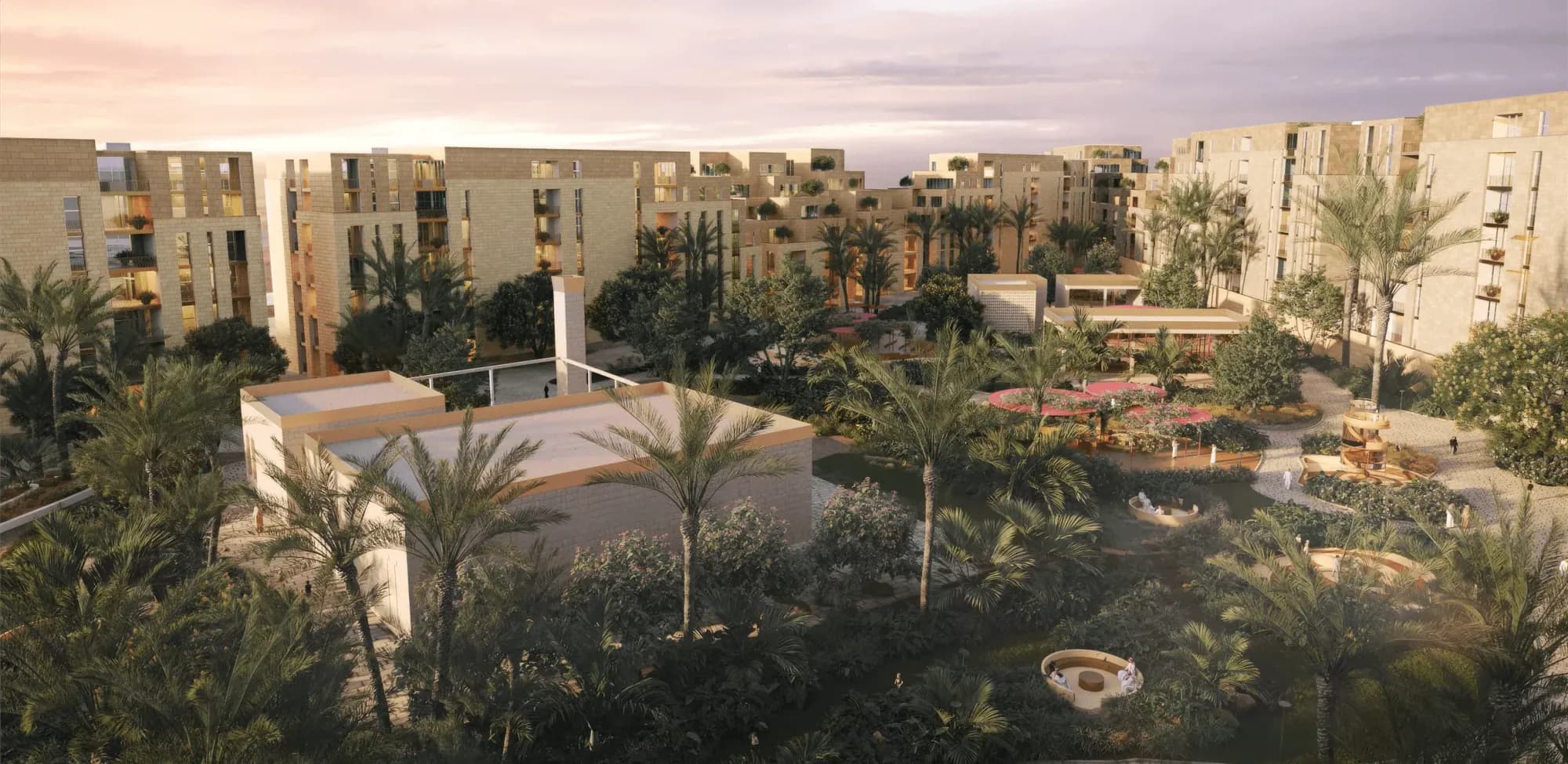
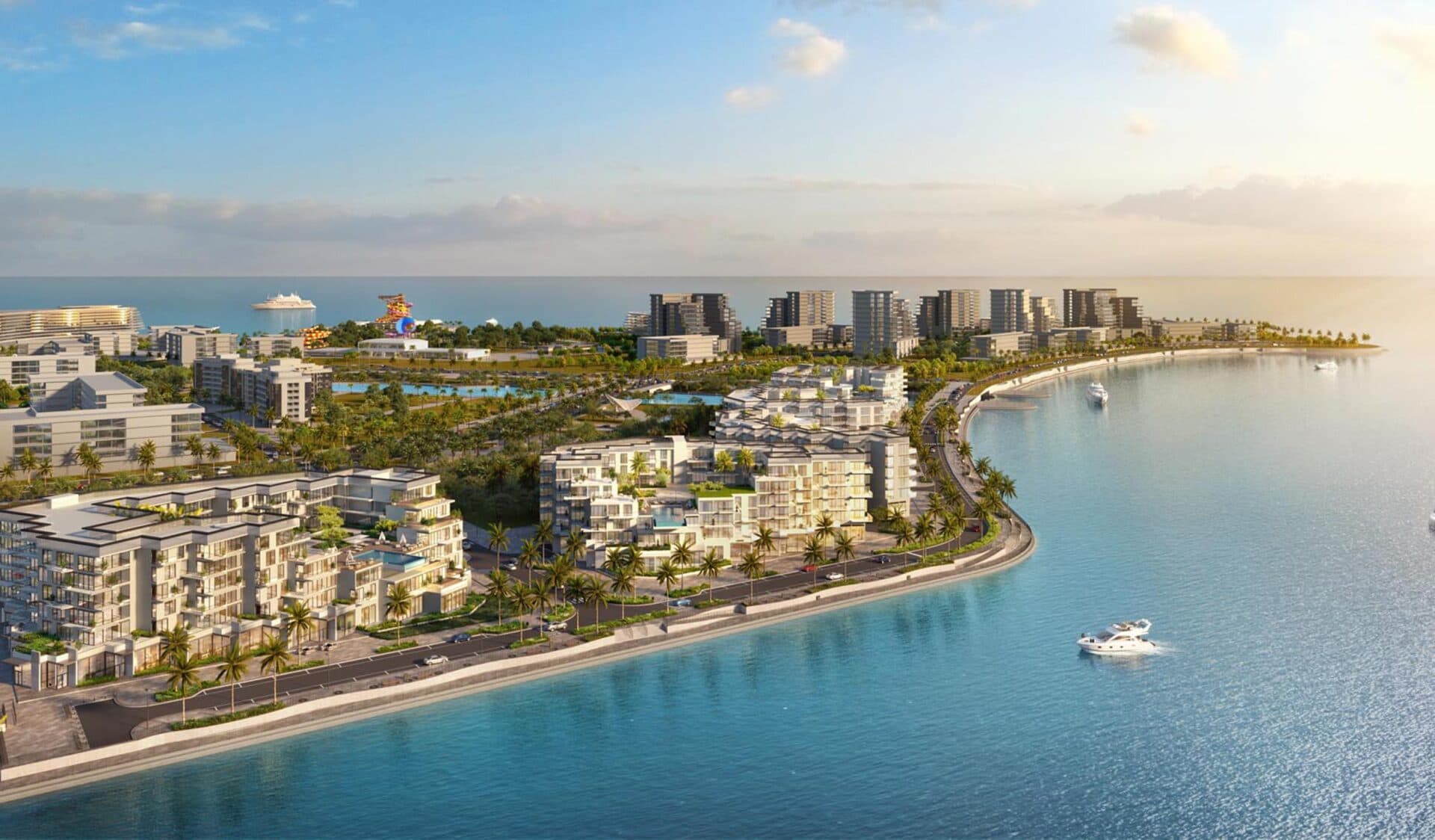
لسنوات طويلة اكتفى المغتربون في قطر بالاستئجار. لكن ذلك تغيّر. فبموجب القانون رقم 16 لسنة 2018 وقرار مجلس الوزراء رقم 28 لسنة 2020، يحق للأجانب شراء العقارات وتملّكها ووراثتها بنظام التملك الحر في مناطق محددة، مع حق البيع والتأجير والرهن. وأبرز هذه المناطق اللؤلؤة ولوسيل وبحيرة الخليج الغربي، أما القائمة الرسمية، التي وسّعها قرار مجلس الوزراء رقم 21 لسنة 2026 إلى عشر مناطق، فتشمل أيضًا أجزاء من الدفنة وعنيزة، والخرايج، وجبل ثعيلب، ومنتجع الخور، وأحدثها مشروع منتجع وشاطئ سميسمة شمال الدوحة. وتُتداول الشقق الفاخرة في المناطق الرئيسية بنحو QAR 10,000 إلى QAR 15,000 للمتر المربع بحسب الحي الفرعي ومستوى التشطيب، وتُعدّ بورتو أرابيا وقناة كوارتييه وفيفا بحرية في اللؤلؤة أكثر العناوين طلبًا؛ وكثيرًا ما تقع الشقة النموذجية في اللؤلؤة ضمن نطاق QAR 2.5 مليون إلى QAR 3.5 مليون. والعوائد الإيجارية الإجمالية مجزية بالمعايير العالمية، نحو 5 إلى 7%، إذ قدّرت فاليوسترات (ValuStrat) متوسط العائد الإجمالي السكني بنحو 5.6% في الربع الثاني من 2026، وتأتي الاستوديوهات والشقق بغرفة نوم واحدة في اللؤلؤة ولوسيل في الطرف الأعلى من هذا النطاق.
وقد ازداد السوق نفسه رسوخًا بدل أن يحتدم. فقد بلغت المبيعات السكنية نحو QAR 26.6 مليار في 2025، بزيادة 43.5% على العام السابق عبر 6,831 صفقة، فيما وصلت مبيعات جميع أنواع العقارات المسجّلة لدى وزارة العدل إلى نحو QAR 34.4 مليار. واستُهلّ العام الجديد بحذر أكبر، إذ أثقل التوتر الإقليمي على المعنويات: فقد بلغت المبيعات السكنية نحو QAR 6.2 مليار عبر 1,582 صفقة في الربع الأول، قبل أن تسجّل فاليوسترات انتعاشًا فصليًا بنسبة 23.6% في الصفقات السكنية خلال الربع الثاني. وارتفع مؤشر أسعار العقارات الصادر عن مصرف قطر المركزي من نحو 224 في يناير 2026 إلى مستوى قياسي يقارب 245 في مايو، وظل منذ ذلك الحين فوق 240 بقليل، رغم أن متوسط أسعار الشقق والفلل للمتر المربع بقي مستقرًا إلى حد كبير، وهو ما يُقرأ استقرارًا لا موجة صعود جديدة. والربط بين التملك والإقامة أقدم مما يظنه كثير من المشترين: فهو يعود إلى القانون رقم 16 لسنة 2018 وقرار مجلس الوزراء رقم 28 لسنة 2020 المنفّذ له، لا إلى إصلاحات حديثة. اشترِ عقارًا معتمدًا في منطقة تملك حر لا تقل قيمته عن QAR 730,000، أي نحو US$200,000، تصبح أنت وأسرتك مؤهلين لتصريح إقامة قابل للتجديد، دون كفيل من جهة العمل، ما دمت مالكًا له. واستثمر ما لا يقل عن QAR 3.65 مليون، أي نحو US$1 مليون، يمنحك التصريح المزايا التي يقرّها القانون رقم 10 لسنة 2018 للمقيمين إقامة دائمة، ومنها الرعاية الصحية والتعليم الحكوميان وبعض الأنشطة التجارية. أما بطاقة الإقامة الدائمة نفسها فعددها محدود كل عام، فتعامل مع هذه الفئة على أنها برنامج محدد لا باب مفتوح، وتحقّق من الشروط السارية قبل الالتزام.
وللمشترين الذين يدرسون السوق لا الإيجار، تتركّز مشاريع قطر في مناطق التملك الحر هذه تحديدًا، ولهذا باتت مسارات الإقامة وخريطة العقارات تشير اليوم إلى الحفنة نفسها من العناوين. وإن كنت تقارن بين وجهات الخليج، فإن دليلنا للمغتربين في السعودية ودليلنا للمغتربين في عُمان يضعان أرقام قطر في سياقها الإقليمي.
ملتقى المطابخ.
مشهد الطعام في قطر ملتقى عالمي. ابدأ بالأطباق القطرية الأصيلة: المجبوس، طبق الأرز المتبّل باللحم الطري، أو الثريد، مزيج الخبز والمرق الذي يدفئ الروح. ويقدّم مطعم الجسرة للأكلات الشعبية هذه الأطباق مع لمسة من التاريخ، وفي أمسيات سوق واقف تخبز النساء الرقاق في الأكشاك، وهو خبز رقيق كالورق يُحمَّص على الصاج حتى يتقرمش، ويُطوى على البيض والجبن أو يُزيَّن بالعسل أو دبس التمر. وأبعد من المطبخ المحلي، تلبّي الدوحة كل الأذواق. تشتهي السوشي؟ يتقنه نوبو الدوحة في فندق فورسيزونز. الإيطالي؟ يأخذك لا سبيغا باي بيبر مون إلى توسكانا. ولأمسيات هادئة، تصطفّ على مرسى بورتو أرابيا في اللؤلؤة قطر شرفات ومطاعم صغيرة مريحة، بينما يقصد أصحاب الميزانيات المحدودة سوق الوكرة لتناول الشاورما أو السمك المشوي الطازج من القارب مباشرة.
وثقافة القهوة مزدهرة أيضًا. تقدّم سلاسل محلية مثل فلات وايت للقهوة المختصة، بفروعها الممتدة من اللؤلؤة إلى المدينة التعليمية، قهوة فلات وايت مخملية، وتُبقي أكشاك الكرك المدينة كلها متيقّظة. ولا شيء من هذا عرضيّ في حياة المغترب. فتنوّع خريطة الطعام أوضح علامة على مدينة بُنيت لأناس من كل مكان، وما تبسطه الدوحة من موائد، من المطابخ القطرية إلى الفلبينية واللبنانية والهندية والسريلانكية، جزء من سرّ احتضانها للقادمين الجدد بهذه السهولة.
بناء دائرتك: مجتمع المغتربين.
مجتمع المغتربين في قطر، الذي يشكّل نحو 89% من السكان، بوتقة انصهار واسعة. انضم إلى مجموعة قطر للتاريخ الطبيعي لمحاضراتها المسائية ورحلاتها الميدانية إلى الصحراء برفقة مرشدين، التي تُقام طوال الأشهر الأكثر اعتدالًا. ويعتمد الآباء والأمهات على مجموعة Doha Mums لتجمعات لعب الأطفال والنصائح، فيما يلتقي العزّاب في افتتاحات المعارض الفنية في كتارا. وتنمو العلاقات حول الموائد المشتركة، في ولائم يحمل كل ضيف فيها طبقًا، من التبولة اللبنانية إلى الكاري السريلانكي. ليس كل شيء سلسًا؛ فبعضهم يشعر بالعزلة في البداية، لكن المثابرة تفتح أبواب الصداقة. والتطوع مع قطر الخيرية أو الانضمام إلى نادٍ للتصوير يمنحان الحياة معنى ويوطّدان الروابط.
والحفاظ على النشاط سهل. تقدّم حديقة الأكسجين اليوغا تحت النجوم، وتلبّي استوديوهات متخصصة مثل F45 وBarry’s في الخليج الغربي روّاد التمارين عالية الكثافة والتدريب الوظيفي، وتتوافد العائلات إلى جندولانيا، مدينة الألعاب الداخلية في فيلاجيو مول، أو إلى حديقة البدع لركوب الدراجات والنزهات. والنمط الذي يتضح لك بعد أن تستقر هو أن المجتمع هنا يُبنى عن قصد لا بالمصادفة، وأن من يزدهرون هم من يقولون «نعم» مبكرًا وكثيرًا.
الفصول والطقس والتقويم.
مناخ قطر يستحق الاحترام. الصيف، من يونيو إلى سبتمبر، قاسٍ: 45°C فما فوق مع رطوبة تبلّل قميصك، فتنتقل الحياة إلى الداخل، إلى المراكز التجارية أو متحف الفن الإسلامي. أما الشتاء، من نوفمبر إلى مارس، فذهبي، بأيام تقارب 25°C خُلقت للتنزه على الكورنيش أو حفلات الشواء في الصحراء. والربيع والخريف عابران لكنهما مثاليان للتخييم. خطّط لعامك حول الحر وستنفتح لك البلاد؛ أما إن قاومته فسينتصر الصيف.
والتقويم يبقيك مشغولًا. يتفجّر اليوم الوطني لقطر في ديسمبر بالمسيرات وسباقات السفن الشراعية التقليدية. ويعرض مهرجان الدوحة السينمائي جواهر السينما المستقلة، ويهتف عشّاق الرياضة في بطولة قطر المفتوحة، وحتى الأسابيع الهادئة تحمل أسواقًا مؤقتة أو ليالي شاحنات الطعام في لوسيل. ويُبطئ رمضان الإيقاع، إذ تجمع موائد الإفطار تحت الفوانيس المتلألئة العائلات والغرباء معًا، ويضجّ العيد بالحيوية: أطفال في ثياب جديدة، وولائم تفيض على الموائد، وألعاب نارية تلوّن السماء. وأنت بصفتك مغتربًا لست متفرجًا فحسب، بل مدعوّ للمشاركة، تتبادل الحكايات على أطباق اللقيمات، تلك الكرات الحلوة المغموسة بدبس التمر.
ما ينبغي حسمه قبل انتقالك إلى قطر.
ملاحظات ميدانيةفاوض على الحزمة لا على الراتب.
بدلات السكن والمواصلات والتعليم، مع التغطية الصحية التي يموّلها صاحب العمل، تؤدي معظم المهمة. راتب من QAR 15,000 إلى 20,000 يضمن حياة طيبة للشخص الأعزب؛ أما العائلة فتحتاج عادةً إلى حزمة من QAR 35,000 فأكثر بعد احتساب التعليم والإيجار.
غياب ضريبة الدخل يغيّر كل شيء.
لا تفرض قطر ضريبة دخل على الأفراد، فالراتب الإجمالي هو الراتب الصافي. وهذه الحقيقة وحدها هي ما يجعل ميزانية الدوحة تمتد أبعد من الراتب المماثل في بلدك، رغم ارتفاع الإيجارات.
التأمين يدفعه صاحب العمل عادةً.
يُلزم القانون رقم 22 لسنة 2021 صاحب العمل بتمويل تغطية أساسية لموظفيه وأسرهم. وتُطبَّق مرحلة الزوار منذ فبراير 2023 فيما لا تزال مرحلة المقيمين قيد التطبيق التدريجي، فتأكّد من نطاق التغطية للزوج أو الزوجة والأبناء قبل التوقيع.
بات بإمكانك أن تتملّك، لا أن تستأجر فحسب.
يحق للأجانب الشراء بنظام التملك الحر في عشر مناطق محددة، منها اللؤلؤة ولوسيل وبحيرة الخليج الغربي. والشراء بدءًا من ~QAR 730,000 (US$200,000) يفتح باب الإقامة القابلة للتجديد؛ ونحو QAR 3.65 مليون (US$1 مليون) يضيف مزايا المقيم إقامة دائمة.