هل يحق للأجانب تملك العقارات في قطر؟
نعم. يحق لغير القطري التملك الحر في قطر، في عشر مناطق محددة منها اللؤلؤة ولوسيل وبحيرة الخليج الغربي، مع حق انتفاع لمدة 99 عاماً متاح في ست عشرة منطقة أخرى. ويحكم التملكَ القانون رقم 16 لسنة 2018، ولا يتضمن أي قيد على الجنسية، كما أن الشراء المستوفي للشروط يفتح مساراً إلى الإقامة. وفيما يلي كيف يعمل كل جانب من ذلك.
- روجِع من قبل
- مكتب أومنيا
- آخر مراجعة
- 13 يونيو 2026
- زمن القراءة
- 10 دقائق
لمحة سريعة
الأساسيات، قبل أن تقرأ.
من أقل أسواق الخليج كلفةً في الاستحواذ والاحتفاظ: رسم نقل ملكية بنسبة 0.25%، ولا ضريبة عقارية سنوية، ولا ضريبة على الأرباح الرأسمالية للأفراد. فالتكلفة تكمن في السعر، لا في المعاملة.
- التملك
- تملك حر أو حق انتفاع
- مناطق التملك الحر
- عشر مناطق محددة
- مناطق حق الانتفاع
- ست عشرة منطقة، حتى 99 عاماً
- قيود الجنسية
- لا يوجد
- رسم نقل الملكية
- 0.25%
- الضريبة العقارية السنوية
- لا يوجد
- ضريبة الأرباح الرأسمالية
- لا توجد على الأفراد
- العملة
- الريال القطري مربوط بالدولار الأمريكي
- مسار الإقامة
- من QAR 730,000
في هذه الصفحة
صيغتان للتملك، وعشر مناطق للتملك الحر.
يحق لغير القطري التملك الحر في قطر. والقرار الأول هو اختيار صيغة التملك، ثم المنطقة.
قطر مفتوحة أمام المالك الأجنبي، بشروط أوضح مما توحي به سمعة المنطقة. ويستند التملك إلى القانون رقم 16 لسنة 2018، الذي يُطبَّق بموجب قرار مجلس الوزراء رقم 28 لسنة 2020، وقد أرسيا معاً نظامين متجاورين: التملك الحر المطلق في قائمة محددة من المناطق، وحق الانتفاع طويل الأجل لمدة تصل إلى 99 عاماً في ست عشرة منطقة أخرى. ولا يوجد أي قيد على الجنسية، فالقيد جغرافي لا يرتبط بجواز السفر.
في يونيو 2026 وُسِّعت قائمة التملك الحر لتشمل عشر مناطق بموجب قرار مجلس الوزراء رقم 21 لسنة 2026، الذي أضاف مشروع منتجع وشاطئ سميسمة منطقةً عاشرة. أما بالنسبة إلى المشتري الدولي، فالخريطة العملية أضيق من ذلك: إذ تتركز العناوين التي تجمع بين التملك الحر ومشغّل دولي في موقعين، اللؤلؤة قطر ولوسيل.
التملك الحر
ملكية تامة ودائمة في أي من المناطق العشر المحددة، قابلة للتوريث والتصرف. متاحة لأي فرد أو شركة من غير القطريين، دون اشتراط الإقامة للشراء.
الأنسب لـالملاك الباحثون عن ملكية قابلة للتوريث
أين يمكنك الشراءحق الانتفاع
حق استخدام العقار وتحقيق الدخل منه لمدة تصل إلى 99 عاماً، دون تملكه تملكاً حراً، في ست عشرة منطقة محددة أخرى في وسط الدوحة.
الأنسب لـالمشترون ذوو الأفق الزمني المحدد
الفرق بين صيغتي التملكالإقامة عبر الشراء
يفتح الشراء المستوفي للشروط مساراً إلى الإقامة: تصريح قابل للتجديد ابتداءً من QAR 730,000، أو الأهلية للإقامة الدائمة ابتداءً من QAR 3.65m.
الأنسب لـالملاك الذين سيقضون وقتاً في قطر
مسار الإقامة- يحق لغير القطري التملك الحر في عشر مناطق محددة، وحق الانتفاع لمدة 99 عاماً في ست عشرة منطقة أخرى، بموجب القانون رقم 16 لسنة 2018. ولا يوجد أي قيد على الجنسية.
- ارتفع عدد مناطق التملك الحر إلى عشر في يونيو 2026، حين أضاف قرار مجلس الوزراء رقم 21 لسنة 2026 مشروع منتجع وشاطئ سميسمة.
- أبرز مناطق التملك الحر للمشترين الدوليين هي اللؤلؤة قطر ولوسيل، حيث تتركز المساكن ذات العلامات الفندقية.
- التكلفة منخفضة في الاتجاهين: رسم نقل ملكية بنسبة 0.25% عند الشراء، ولا ضريبة عقارية سنوية ولا ضريبة على الأرباح الرأسمالية للأفراد خلال فترة الاحتفاظ.
أين يمكن للأجانب الشراء.
احسم صيغة التملك أولاً، ثم المنطقة. فالنظامان يقعان في أجزاء مختلفة من الدوحة.
صيغة التملك أول ما ينبغي حسمه. التملك الحر هو الصيغة الأبرز، وهو ما يريده معظم المشترين الدوليين: ملكية دائمة قابلة للتوريث مسجلة باسمك. ولا يتاح إلا داخل مناطق التملك الحر العشر المحددة. حق الانتفاع هو البديل، أي حق استخدام العقار وتحقيق الدخل منه لمدة تصل إلى 99 عاماً، ويتاح في ست عشرة منطقة أخرى تتركز في وسط الدوحة، مثل مشيرب وفريج بن محمود والسد.
ملاحظة حول طريقة احتساب المناطق العشر. يعدّد القرار عشرة بنود مرقّمة، ولا يقابل كل بند منها رقم منطقة مستقلاً. فبحيرة الخليج الغربي، الواردة في الجريدة الرسمية باسم الخليج الغربي (لقطيفية)، تشترك مع جزيرة اللؤلؤة في المنطقة الإدارية 66؛ وتشترك لوسيل والخرايج وجبل ثعيلب في المنطقة 69؛ أما الدفنة، حي الأبراج الذي يسميه معظم الناس الخليج الغربي، فترد مرتين، مرة لكل من منطقتيها الإداريتين 60 و61. ويتبع الجدول أدناه هذه القائمة المرقّمة كما نُشرت في الجريدة الرسمية وفق ما أوردته التقارير.
| المنطقة | المنطقة الإدارية | ملاحظات |
|---|---|---|
| جزيرة اللؤلؤة | المنطقة 66 | أول منطقة تملك حر للأجانب |
| بحيرة الخليج الغربي (لقطيفية) | المنطقة 66 | حي البحيرة، لا أبراج الخليج الغربي |
| لوسيل | المنطقة 69 | تتركز هنا المساكن ذات العلامات الفندقية |
| الخرايج | المنطقة 69 | تشترك مع لوسيل في المنطقة 69 |
| جبل ثعيلب | المنطقة 69 | تشترك مع لوسيل في المنطقة 69 |
| الدفنة (المنطقة 60) | المنطقة 60 | حي أبراج الخليج الغربي، يرد مرة لكل منطقة |
| الدفنة (المنطقة 61) | المنطقة 61 | حي أبراج الخليج الغربي، يرد مرة لكل منطقة |
| عنيزة | المنطقة 63 | حي في وسط الدوحة |
| منتجع الخور | المنطقة 74 | وجهة منتجعات شمال الدوحة |
| منتجع وشاطئ سميسمة | المنطقة 70 | أُضيفت في يونيو 2026، القرار 21/2026 |
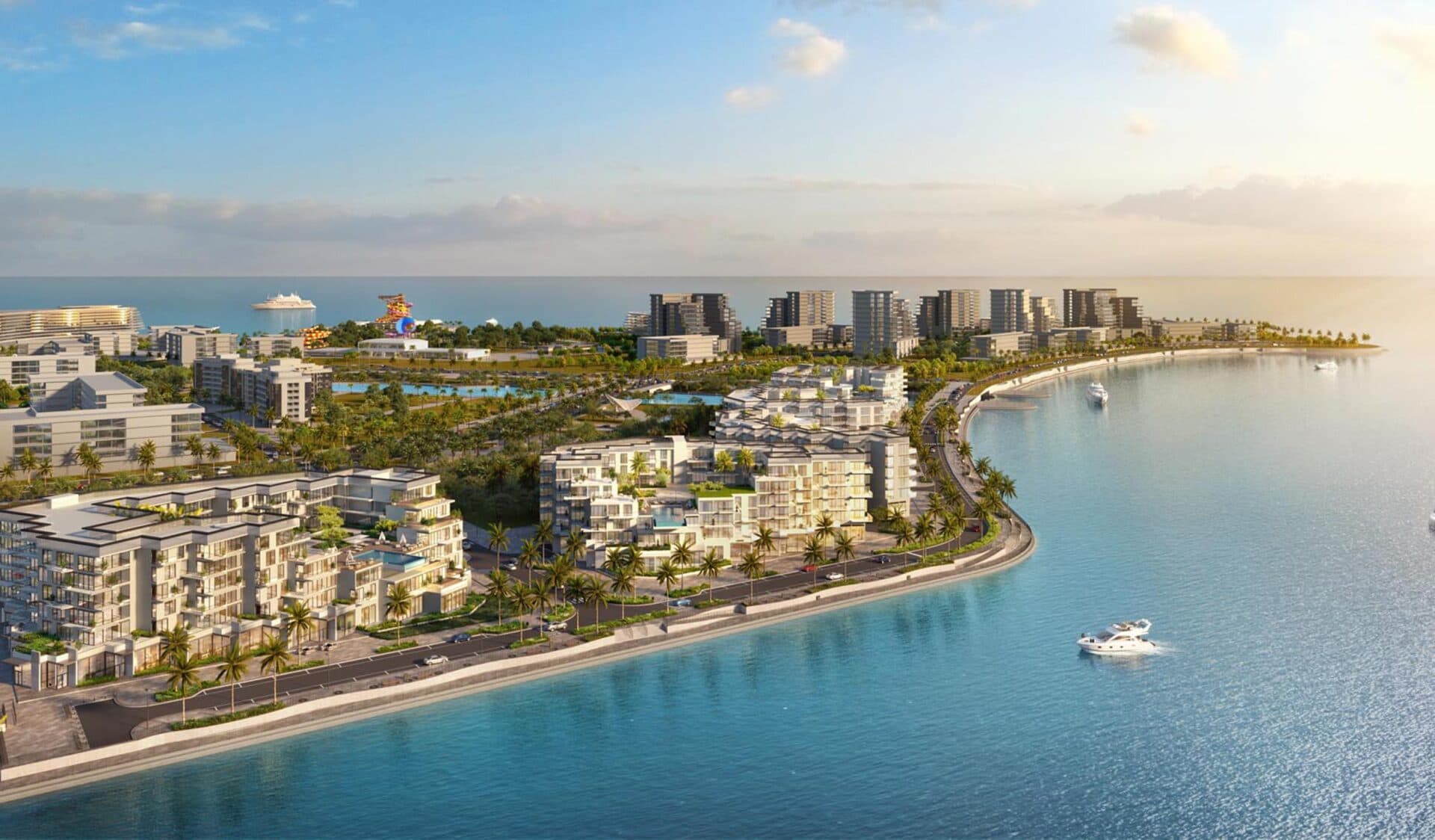
أين تتراكم القيمة سؤال منفصل عن أين يحق لك الشراء. يتركز المعروض الموجّه للمشترين الدوليين في اللؤلؤة قطر، الجزيرة الاصطناعية التي تولّت الشركة المتحدة للتنمية تطوير مخططها الرئيسي، بأحيائها بورتو أرابيا وفيفا بحرية وقنات كوارتييه، وفي لوسيل، المدينة الجديدة شمال الدوحة. وفيهما تقع المساكن ذات العلامات الفندقية: والدورف أستوريا في حي المارينا بلوسيل، وفيرمونت ورافلز في أبراج كتارا، ومساكن سانت ريجيس في اللؤلؤة. وتبدأ أسعار الدخول في اللؤلؤة من نحو QAR 1.3m للاستوديو، فيما تبلغ أسعار الوحدات الرفيعة ملايين عدة.
التكاليف والرسوم الدورية.
من أقل أسواق الخليج كلفةً في المعاملات. فالبند الذي ينبغي احتسابه هو تكاليف الاحتفاظ المتكررة، لا الشراء.
من حيث تكاليف المعاملة، يُعدّ الشراء في الدوحة من أقل الصفقات كلفةً في الخليج. والتكلفة الرئيسية رسم حكومي واحد هو رسم نقل الملكية (التسجيل) بنسبة 0.25% من القيمة، يدفعه المشتري لدى إدارة التسجيل العقاري بوزارة العدل. أما الرسوم الإضافية للوزارة فزهيدة، وقد خُفِّضت في يناير 2026 بموجب القرار الوزاري رقم 5 لسنة 2026: فرسم سند الملكية وخريطة التسجيل مثلاً انخفض من QAR 300 إلى QAR 100. ولا توجد ضريبة عقارية سنوية، ولا ضريبة على الدخل الشخصي، ولا ضريبة على الأرباح الرأسمالية من العقارات التي يملكها الفرد بصفتها أصلاً شخصياً، ولا ضريبة على الميراث أو الهبات. ولم تُطبَّق ضريبة القيمة المضافة حتى أكتوبر 2026، فلا تخضع عملية الشراء لأي ضريبة استهلاك.
البند الذي ينبغي احتسابه هو تكاليف الاحتفاظ المتكررة، لا المعاملة. ففي المشاريع الراقية مثل اللؤلؤة ولوسيل، تتراوح رسوم الخدمات الإجمالية عادةً بين نحو QAR 60 و120 للمتر المربع سنوياً؛ وفي اللؤلؤة تبلغ حصة المجتمع الرئيسي وحدها QAR 3.00 للمتر المربع شهرياً في 2026، تُضاف إليها رسوم كل مبنى. أما التبريد المركزي فيُفوتَر بشكل منفصل، برسم سعة ثابت إضافة إلى الاستهلاك المقيس، ويتفاوت من وحدة إلى أخرى بما لا يسمح بذكر رقم ثابت. وبالنسبة إلى المستثمر الذي يعتمد الدولار الأمريكي، لا توجد مخاطر عملة تُذكر: فالريال القطري مربوط بالدولار ربطاً ثابتاً عند 3.64. أما المشتري بالجنيه الإسترليني، فيتحمّل في المقابل انكشافاً على الدولار عبر أصل قطري.
| البند | المبلغ | التوقيت |
|---|---|---|
| رسم نقل الملكية (التسجيل) | 0.25% | مرة واحدة، عند نقل الملكية |
| عمولة الوساطة | 2-3% | يتحملها البائع عادةً |
| الضريبة العقارية السنوية | لا يوجد | لا رسوم متكررة |
| ضريبة الأرباح الرأسمالية | لا يوجد | للأفراد، أصل شخصي |
| رسوم الخدمات | QAR 60-120 / م² / سنوياً | سنوية، للعقارات الراقية |
| التبريد المركزي | يتفاوت حسب الوحدة | رسم سعة ثابت مع الاستهلاك المقيس |
اطّلع على الوحدات المتاحة حالياً في اللؤلؤة ولوسيل، ووضع مناطق التملك الحر، ورأي أومنيا في كل عنوان، تصلك بسرية إلى مكتبك.
الإقامة عبر الشراء.
يفتح التملك مساراً إلى الإقامة على مستويين: أحدهما يمنح تصريحاً، والآخر يمنح الأهلية.
تربط قطر العقار بالإقامة عند عتبتين، والفرق بينهما جوهري. فشراء عقار لا تقل قيمته عن QAR 730,000، أي نحو USD 200,000، في منطقة محددة يمنح تصريح إقامة قابلاً للتجديد بكفالة ذاتية: دون صاحب عمل ودون كفيل محلي. ويتيح لحامله الإقامة والعمل والدراسة في قطر، والانتفاع بالخدمات العامة، وكفالة الزوج أو الزوجة والأبناء المعالين، وتشترط الضوابط المنشورة الوجود في قطر 90 يوماً على الأقل في السنة، متصلة أو متقطعة.
أما شراء عقار لا تقل قيمته عن QAR 3.65m، أي نحو USD 1m، فيمنح أمراً أضيق مما يبدو للوهلة الأولى: الأهلية للإقامة الدائمة، لا الحق في بطاقتها. إذ تقرن اللوائح التنفيذية إقامة المالك بالامتيازات المقررة لحاملي بطاقة الإقامة الدائمة، أي الرعاية الصحية والتعليم الحكوميين والاستثمار في قطاعات معينة. أما البطاقة ذاتها فيحكمها القانون رقم 10 لسنة 2018: إذ تحدّ المادة 4 منه المنح بـ 100 شخص سنوياً، وهو عدد يجوز لسمو الأمير زيادته في سنة بعينها، كما يضع القانون شروطاً خاصة به. ولا توضح الضوابط المنشورة كيفية تطبيق هذا الحد على ملاك العقارات. وعليه، فإن شريحة QAR 730,000 تمنح تصريحاً فعلياً عند الشراء، بينما تضيف شريحة QAR 3.65m امتيازات وتفتح باباً لا يُفتح تلقائياً. ولا نسمح لأي نص، ولا لأي عميل، بأن يعامل البطاقة على أنها مضمونة.
| الشريحة | الحد الأدنى | ما تمنحه |
|---|---|---|
| تصريح إقامة المستثمر | QAR 730,000نحو USD 200,000 | تصريح قابل للتجديد بكفالة ذاتية |
| الإقامة الدائمة | QAR 3.65mنحو USD 1m | امتيازات الإقامة الدائمة؛ البطاقة محدودة بـ 100 سنوياً |
- تأكّد من المنطقة وصيغة التملك
تحقّق من أن العقار يقع ضمن إحدى مناطق التملك الحر العشر، أو ضمن منطقة انتفاع إن كان ذلك هو المسار المختار، وأن صيغة التملك المعروضة تطابق ما تريد امتلاكه.
- اتفق على الشروط وأجرِ العناية الواجبة
حدّد السعر، ثم تحقّق من صك الملكية وسجل رسوم الخدمات والمطوّر قبل تحويل أي أموال. وعمولة الوساطة يتحملها البائع عادةً، لكن ثبّت ذلك كتابةً.
- سجّل نقل الملكية
تُنقل الملكية لدى إدارة التسجيل العقاري بوزارة العدل، حيث يُدفع رسم 0.25%. وبموجب المسار السريع المعتمد في 2025، تصدر صكوك الملكية للمشتريات المستوفية للشروط خلال أيام.
- قدّم طلب الإقامة إن رغبت فيها
بعد استلام صك الملكية، تخوّلك شريحة QAR 730,000 الحصول على تصريح قابل للتجديد، فيما تفتح شريحة QAR 3.65m باب الأهلية للإقامة الدائمة. نسّق بين الشراء والطلب في خطة واحدة.
انفتاح مدروس، لا باب مشرّع للجميع.
فتحت قطر أرقى عناوينها بشروط هادئة ومنخفضة التكلفة. ويبقى الحكم الحقيقي في اختيار العنوان.
إطار قطر يكافئ من يحتفظ بالأصل. فالمعاملة زهيدة الكلفة، وتكاليف الاحتفاظ خفيفة، والريال القطري مربوط بالدولار، وصك الملكية حقيقي وقابل للتوريث باسمك. ويخلو السوق من تقلبات البيع الإلحاحي التي تشهدها بعض الأسواق المجاورة، وهو ما يناسب مشترياً يقتني أصلاً ليحتفظ به لا ليتداوله. وقد خضع هذا الثبات للاختبار في 2026: فبعد الضربة التي استهدفت رأس لفان في مارس، عدّلت فيتش نظرتها المستقبلية لقطر إلى سلبية مع تثبيت تصنيفها عند AA في سبتمبر، غير أن مؤشر فاليوسترات لأسعار العقارات السكنية ظل شبه مستقر عند 97.8 نقطة في الربع الثاني، فيما ارتفعت المبيعات 23.6% على أساس ربعي.
ثمة تحفظان ينبغي أن يتضمنهما أي تقييم صادق. فالشريحة العليا للإقامة تمنح الأهلية، لا بطاقة مضمونة، والبطاقة ذاتها خاضعة لحد قانوني قدره 100 منحة سنوياً. كما أن خريطة التملك الحر، وإن اتسعت الآن لتشمل عشر مناطق، صغيرة ومحددة: إذ تتركز القيمة في عدد قليل من العناوين في اللؤلؤة ولوسيل. ويتمثل عملنا في التحقق من الوضع الحالي للمناطق المحددة، وقراءة ميزانية رسوم الخدمات للمبنى، وإرشادك إلى العنوان الذي تتراكم قيمته. الانفتاح حقيقي، لكن العناية الواجبة هي التي تحسم النتيجة.
رؤية أومنيا
فتحت قطر أكثر عناوينها جاذبية أمام المالك الأجنبي دون أن تفتح الأبواب على مصاريعها. فالخريطة صغيرة ومدروسة، والتكاليف من الأدنى في أي مكان، والسؤال أمام المشتري المتبصّر ببساطة: أي جزيرة، وأي برج، يحفظ قيمته.
مرجع
مصطلحات أساسية، معرّفة.
- التملك الحر
- ملكية تامة ودائمة للعقار وأرضه، قابلة للتوريث والتصرف. متاحة لغير القطريين في عشر مناطق محددة بموجب القانون رقم 16 لسنة 2018.
- حق الانتفاع
- حق استخدام العقار وتحقيق الدخل منه لمدة محددة تصل إلى 99 عاماً، دون تملكه تملكاً حراً. متاح لغير القطريين في ست عشرة منطقة محددة أخرى.
- المنطقة المحددة
- منطقة يجوز فيها لغير القطري التملك الحر أو الانتفاع، وتُحدَّد بقرار من مجلس الوزراء. وقد أكّد قرار مجلس الوزراء رقم 21 لسنة 2026 القائمة الحالية لمناطق التملك الحر العشر.
- عقارات
- الهيئة العامة لتنظيم القطاع العقاري، الجهة المنظِّمة للعقارات في قطر. أما نقل الملكية ذاته فيتم لدى إدارة التسجيل العقاري بوزارة العدل.
- تصريح إقامة المستثمر
- تصريح إقامة قابل للتجديد بكفالة ذاتية، متاح لمالك عقار لا تقل قيمته عن QAR 730,000، دون الحاجة إلى صاحب عمل أو كفيل محلي.
- الإقامة الدائمة
- وضع قريب من المواطنة بموجب القانون رقم 10 لسنة 2018. ويمنح تملك عقار بقيمة QAR 3.65m الأهلية وامتيازات حامل البطاقة، لا الحق في البطاقة ذاتها، التي تحدّ المادة 4 من القانون منحها بـ 100 حالة سنوياً ما لم يقرر سمو الأمير زيادتها.
أسئلة شائعة
إجابات، بعبارات واضحة.
هل يحق للأجانب التملك الحر للعقارات في قطر في 2026؟
نعم. بموجب القانون رقم 16 لسنة 2018، يحق للفرد أو الشركة من غير القطريين التملك الحر في عشر مناطق محددة، منها اللؤلؤة ولوسيل وبحيرة الخليج الغربي. وقد وُسِّعت قائمة التملك الحر إلى عشر مناطق بموجب قرار مجلس الوزراء رقم 21 لسنة 2026، الذي أضاف مشروع منتجع وشاطئ سميسمة. وتتاح ست عشرة منطقة أخرى لحق الانتفاع لمدة 99 عاماً بدلاً من التملك الحر.
هل توجد قيود على الجنسية عند الشراء في قطر؟
لا. فقد فتح الإطار التنظيمي التملك في المناطق المحددة أمام أي فرد أو شركة من غير القطريين، دون قيود على الجنسية. والقيد جغرافي لا يرتبط بجواز السفر: فالشراء يكون داخل مناطق التملك الحر أو الانتفاع المحددة. ويتمتع مواطنو دول مجلس التعاون الخليجي بنطاق أوسع للتملك في أنحاء البلاد.
هل يمنحني شراء عقار في قطر حق الإقامة؟
قد يمنحك ذلك. فشراء عقار لا تقل قيمته عن QAR 730,000، أي نحو USD 200,000، يمنح تصريح إقامة قابلاً للتجديد بكفالة ذاتية، يتيح لك الإقامة والعمل والدراسة في قطر وكفالة أفراد أسرتك المباشرين. أما شراء عقار لا تقل قيمته عن QAR 3.65m، أي نحو USD 1m، فيمنح الأهلية للإقامة الدائمة وامتيازات حامل البطاقة في الرعاية الصحية والتعليم والاستثمار؛ أما البطاقة ذاتها فمحدودة قانوناً بـ 100 منحة سنوياً ولا تُمنح تلقائياً عند الشراء. وتشترط الشريحتان كلتاهما الوجود في قطر 90 يوماً على الأقل في السنة.
ما الضرائب والرسوم المترتبة على شراء الأجنبي عقاراً في قطر؟
التكلفة الرئيسية رسم واحد لنقل الملكية (التسجيل) بنسبة 0.25% من القيمة، وهو من الأدنى في المنطقة، إضافة إلى رسوم زهيدة لوزارة العدل مثل QAR 100 لسند الملكية وخريطة التسجيل. ولا تفرض قطر ضريبة عقارية سنوية، ولا ضريبة على الدخل الشخصي، ولا ضريبة على الأرباح الرأسمالية من العقارات التي يملكها الفرد بصفتها أصلاً شخصياً. ولم تُطبَّق ضريبة القيمة المضافة حتى أكتوبر 2026. أما عمولة الوساطة، التي يتحملها البائع عادةً، فتبلغ نحو 2 إلى 3 بالمئة.
أين يمكن للأجانب التملك الحر في قطر؟
في عشر مناطق محددة، وفق ترقيم القرار: بحيرة الخليج الغربي (لقطيفية)، وجزيرة اللؤلؤة، ومنتجع الخور، والدفنة (المنطقة 60)، والدفنة (المنطقة 61)، وعنيزة، ولوسيل، والخرايج، وجبل ثعيلب، ومشروع منتجع وشاطئ سميسمة المضاف في يونيو 2026. والدفنة هي حي الأبراج الذي يسميه معظم الناس الخليج الغربي. وأبرز مناطق التملك الحر للمشترين الدوليين هي اللؤلؤة قطر ولوسيل، حيث تتركز المساكن ذات العلامات الفندقية.
هذا الدليل معلومات عامة، وليس مشورة استثمارية أو قانونية أو ضريبية. تتطوّر الأنظمة؛ والأرقام إرشادية وصحيحة في تاريخ آخر مراجعة. تحدّث مع مستشار أومنيا للحصول على إرشاد يناسب ظروفك.
أدلة ذات صلة.
- التكاليف
تكلفة شراء عقار في الدوحة
قطر · 9 دقائق - الإقامة
الإقامة عبر الاستثمار العقاري في قطر
قطر · 10 دقائق - التملّك
Can foreigners buy property in the UAE?
الإمارات العربية المتحدة · 10 دقائق
مشاريع ذات صلة.
 للبيع الآن
 للبيع الآن
 للبيع الآن
المزيد في قطر.
فرص خاصة
اطلب الفرص.
التوافر الحالي وملاحظات الأهلية ورؤية أومنيا حول كل عنوان، تُرسل إلى مكتبك بسرّية.