باختصار
- صمد النشاط أكثر من الأسعار. فقد ارتفعت قيمة المبيعات السكنية 43.5% إلى QAR 26.6 مليار في 2025 عبر نحو 6,831 صفقة (نايت فرانك، يناير 2026)، وارتفعت المبيعات التي ترصدها فاليوسترات 15.8% على أساس سنوي في الربع الثاني من 2026 رغم الحرب الإقليمية.
- الأسعار مستقرة إلى متراجعة. إذ قدّرت نايت فرانك انخفاض أسعار الفلل 3.5% والشقق 1.7% على أساس سنوي في الربع الأول من 2026، فيما تراجع مؤشر فاليوسترات 0.3% على أساس سنوي في الربع الثاني من 2026، مع نحو QAR 10,460 للمتر المربع للشقق ونحو QAR 5,675 للفلل.
- الدخل هو القصة الأقوى. إذ تقدّر فاليوسترات العائد الإيجاري الإجمالي للعقارات السكنية بنحو 5.6% في الربع الثاني من 2026، ونحو 8% للشقق و4.4% للفلل، فيما تراجع الإيجار الشهري الوسيط 4.5% على أساس سنوي.
- رؤيتنا لعامي 2026–2027: قيم وطنية مستقرة إلى حد بعيد، وإيجارات أكثر ليونة حتى 2027، وتعافٍ مرهون بإعادة فتح الملاحة في الخليج. وتبقى عتبات الإقامة عبر التملك العقاري QAR 730,000 وQAR 3.65 مليون.
سوق العقارات في قطر يدخل الربع الأخير من 2026 بسمة غير مألوفة: نشاط مبيعات صامد يقترن بأسعار مستقرة إلى متراجعة وإيجارات آخذة في التراجع. فقد ارتفعت قيمة المبيعات السكنية بنحو 43.5% إلى QAR 26.6 مليار (نحو USD 7.3 مليار) في 2025 عبر قرابة 6,831 صفقة، فيما تراجع متوسط أسعار الفلل بنحو 1% خلال العام (نايت فرانك، يناير 2026). وفي 2026 أضافت الحرب الإقليمية المرتبطة بإيران اختباراً جديداً: إذ تراجع النشاط في الربع الأول ثم تعافى في الربع الثاني، بينما لم تتحرك القيم الرأسمالية إلا قليلاً (فاليوسترات، الربع الثاني 2026). إنها سوق مشترين قائمة على حجم التداول والدخل، لا على ارتفاع القيمة.
تكتسب هذه الصورة أهميتها لأن القراءات السابقة لسوق قطر استندت إلى توقعات بنمو رأسمالي من خانتين لم تؤكده البيانات. ويعرض ما يلي موقع الأسعار والإيجارات والعوائد وقواعد التملك حتى أكتوبر 2026، استناداً إلى نايت فرانك وفاليوسترات وكوشمان آند ويكفيلد وصندوق النقد الدولي وفيتش ووزارة العدل القطرية، ويختتم برؤيتنا الخاصة لعامي 2026–2027.
الإطار الاقتصادي والتنظيمي في قطر.
الخلفية الاقتصادية.
تغيّرت الصورة الاقتصادية الكلية بحدة في 2026. فقبل الحرب الإقليمية، توقّع صندوق النقد الدولي نمو الناتج المحلي الإجمالي الحقيقي بنحو 6.1% في 2026 بدفع من توسعة حقل الشمال للغاز الطبيعي المسال. وبعد الضربة الصاروخية الإيرانية على مدينة راس لفان الصناعية في 18 مارس 2026 وتعطّل الملاحة عبر مضيق هرمز، خفّض تقرير آفاق الاقتصاد العالمي الصادر عن الصندوق في أبريل 2026 هذا التوقع بنحو 14.7 نقطة، إلى انكماش بنحو 8.6% في 2026، مع توقع التعافي متى عاد إنتاج الطاقة ونقلها إلى طبيعتهما. ووضعت فيتش تصنيف قطر عند مستوى AA قيد المراقبة السلبية في أواخر مارس 2026، ثم ثبّتت التصنيف عند AA في أوائل سبتمبر 2026، وأزالته من قائمة المراقبة مع نظرة مستقبلية سلبية. وتفترض فيتش استئناف صادرات الغاز الطبيعي المسال عبر المضيق في الربع الأول من 2027، وتتوقع عجزاً في الموازنة في 2026 قبل عودة الفوائض اعتباراً من 2027، وتقدّر صافي الأصول الأجنبية السيادية بنحو 254% من الناتج المحلي الإجمالي.
سياسات التملك والإقامة.
ينظّم تملك الأجانب القانون رقم 16 لسنة 2018 وقرار مجلس الوزراء رقم 28 لسنة 2020، المعدّل بقرار مجلس الوزراء رقم 21 لسنة 2026. ويحق لغير القطريين التملك الحر في عشر مناطق، منها لوسيل واللؤلؤة قطر وبحيرة الخليج الغربي والدفنة، ومنذ يونيو 2026 مشروع منتجع وشاطئ سميسمة، كما يحق لهم الانتفاع لمدة 99 عاماً في ست عشرة منطقة أخرى. أما على صعيد الإقامة، فإن تملك عقار لا تقل قيمته عن QAR 730,000 يؤهل المالك لتصريح إقامة قابل للتجديد، فيما يجعل تملك عقار لا تقل قيمته عن QAR 3.65 مليون المالك مؤهلاً للتقدم بطلب الإقامة الدائمة بموجب القانون رقم 10 لسنة 2018. وفي فبراير 2026 أعلنت قطر أيضاً تأشيرات إقامة طويلة الأجل قابلة للتجديد لكبار التنفيذيين ورواد الأعمال، وهي مسارات للعمل وريادة الأعمال تقوم على معايير الراتب أو ترشيح الحاضنات، لا مسارات للاستثمار العقاري، ولا تغيّر عتبات الشراء المذكورة أعلاه.
تكاليف المعاملات.
كما أصبح الشراء أقل كلفة في يناير 2026. فبموجب القرار الوزاري رقم 5 لسنة 2026، حددت وزارة العدل رسوم الفرز النهائي وتسجيل الوحدات على الخارطة بمبلغ QR100 للوحدة، وخفّضت رسوم توثيق الوكالة الخاصة بالعقارات من QR300 إلى QR100، وخفّضت رسوم سند الملكية وبدل الفاقد إلى QR100، وحددت رسوم تسجيل الرهن بنسبة 0.025% من قيمة الدين المضمون، وخفّضت رسوم نقل ملكية المزارع والأراضي البحرية من 1% من القيمة السوقية إلى 0.25% من القيمة المقدّرة، بما يتسق مع الرسوم المعتادة البالغة 0.25% التي يدفعها المشتري لتسجيل البيع العادي.
الوضع الضريبي.
لا تفرض قطر ضريبة على الدخل الشخصي ولا على الأرباح الرأسمالية للمستثمرين الأفراد، وهي ميزة هيكلية حقيقية. غير أن التحفظ الذي يجدر ذكره بوضوح هو أن غير المقيمين قد يخضعون لضريبة بنسبة 10% على الأرباح المتحققة من مصادر قطرية متى كان الأصل جزءاً من نشاط تجاري خاضع للضريبة، ومن ثم فإن الإعفاء الضريبي الكامل ينطبق على التملك الشخصي لا على كل الهياكل.
تطوير البنية التحتية.
تظل مدينة لوسيل المخطط الرئيسي الأبرز، وستحتضن قرية الرياضيين لدورة الألعاب الآسيوية الدوحة 2030. وفي قطاع النقل، افتُتح الخط الفيروزي لترام لوسيل في 6 يناير 2025، وتربط محطة لوسيل QNB التبادلية شبكة الترام بمترو الدوحة. أما الخط الأزرق لمترو الدوحة، وهو خط مخطط بطول 17.5 كيلومتر على امتداد الطريق الدائري الثالث، فلا يزال جزءاً من خطة التوسعة طويلة الأجل للمترو دون الإعلان عن عقد إنشاء أو موعد افتتاح، لذا لا نعدّه محفزاً في المدى القريب. واستقبل مطار حمد الدولي عدداً قياسياً بلغ 54.3 مليون مسافر في 2025، واستقبلت قطر رقماً قياسياً بلغ 5.1 مليون زائر، غير أن الحرب عكست هذا الاتجاه في 2026: إذ تراجع عدد الزوار بنحو 45% على أساس سنوي في الربع الثاني من 2026، وانخفض متوسط إشغال الفنادق إلى نحو 52% (فاليوسترات، الربع الثاني 2026).
اتجاهات أسعار العقارات في قطر لعام 2026.
لمحة عن السوق.
القصة حتى الآن في 2026 هي صمود أحجام التداول مع أسعار مستقرة إلى متراجعة. إذ سجّلت مراجعة نايت فرانك للربع الأول من 2026 نحو 1,582 صفقة سكنية بقيمة تقارب QAR 6.2 مليار: وجاءت أحجام الصفقات أعلى بنسبة 15% مما كانت عليه في الربع الأول من 2025، لكنها أقل بنسبة 23% مما كانت عليه في الربع الرابع من 2025، في ظل تأثير الحرب الإقليمية في المعنويات. وقدّرت نايت فرانك انخفاض متوسط أسعار الفلل بنحو 3.5% على أساس سنوي إلى نحو QAR 6,626 للمتر المربع، وأسعار الشقق بنحو 1.7% إلى نحو QAR 13,049 للمتر المربع. ثم تعافى النشاط: إذ سجّلت مراجعة فاليوسترات للربع الثاني من 2026 ارتفاع المبيعات السكنية بنسبة 23.6% على أساس ربعي و15.8% على أساس سنوي، مع ارتفاع القيمة الوسيطة للصفقة إلى نحو QAR 3 مليون. وبلغ مؤشر أسعار فاليوسترات 97.8 نقطة، بانخفاض 0.2% على أساس ربعي و0.3% على أساس سنوي، مع متوسط نحو QAR 10,460 للمتر المربع للشقق ونحو QAR 5,675 للفلل، دون تغيير على أساس سنوي لكليهما. وتُظهر بيانات وزارة العدل استمرار التداول في الربع الثالث، إذ بلغت قيمة عقود البيع المسجلة نحو QAR 1.86 مليار في يوليو 2026 وQAR 1.29 مليار في أغسطس 2026 لجميع أنواع العقارات.
المصدر: نايت فرانك، الربع الأول من 2026 (صدر في يونيو 2026). تُظهر الأعمدة حجم انخفاض الأسعار على المستوى الوطني على أساس سنوي. أما مؤشر فاليوسترات المستقل القائم على التقييم فقد ارتفع بنحو 1.6% على أساس سنوي في الربع الأول من 2026 وتراجع 0.3% في الربع الثاني من 2026، والسلسلتان غير قابلتين للمقارنة المباشرة. الأرقام استرشادية ولا تشكّل نصيحة استثمارية.
المؤشرات المرجعية للعقارات السكنية.
تُتداول بشأن قطر سلسلتان بحثيتان، وينبغي قراءة كل منهما على حدة لا دمجهما في نطاق واحد. إذ تنشر فاليوسترات مؤشراً قائماً على التقييم لسلة ثابتة من الوحدات السكنية: وقد قدّرت في الربع الثاني من 2026 سعر الشقق بنحو QAR 10,460 للمتر المربع والفلل بنحو QAR 5,675. أما نايت فرانك فتنشر متوسطات أسعار من عيّنتها الخاصة من المشاريع والأحياء التي ترصدها: وبلغت متوسطاتها للربع الأول من 2026 نحو QAR 13,049 للمتر المربع للشقق وQAR 6,626 للفلل. ويعكس الفارق بينهما اختلاف المنهجية والعيّنة، لا تفاوتاً في الأسعار داخل السوق. والحذر ذاته ينطبق على بيانات المواقع. فمتوسط فاليوسترات للؤلؤة قطر في الربع الثاني من 2026، البالغ نحو QAR 10,570 للمتر المربع، يقع فوق متوسطها الوطني للشقق بقليل، وهو متوسط لمجمل وحدات الجزيرة لا مؤشر للشريحة الفاخرة. وتأتي قراءات نايت فرانك على مستوى المشاريع أعلى من ذلك، يتصدرها مشروع ذا ووترفرونت بنحو QAR 15,194 للمتر المربع، ثم فيفا بحرية في اللؤلؤة بنحو QAR 14,482 في الربع الأول من 2026. والخلاصة المفيدة أضيق من فكرة شريحة فاخرة صامدة: فأفضل المشاريع منفردةً تحظى بعلاوة سعرية واضحة، في حين تراجعت الفلل الساحلية الراقية في اللؤلؤة وبحيرة الخليج الغربي بما يصل إلى 12.5% خلال العام (فاليوسترات، الربع الثاني 2026).
| الشريحة | القيمة المرجعية | اتجاه الأسعار (سنوياً) |
|---|---|---|
| الشقق، على المستوى الوطنيفاليوسترات، الربع الثاني 2026 | QAR 10,460 / م² | 0.0% |
| الشقق، على المستوى الوطنينايت فرانك، الربع الأول 2026 | QAR 13,049 / م² | −1.7% |
| الفلل، على المستوى الوطنيفاليوسترات، الربع الثاني 2026 | QAR 5,675 / م² | 0.0% |
| الفلل، على المستوى الوطنينايت فرانك، الربع الأول 2026 | QAR 6,626 / م² | −3.5% |
| شقق اللؤلؤة قطرفاليوسترات، الربع الثاني 2026، متوسط الحي | QAR 10,570 / م² | مستقرة على أساس ربعي |
| فلل اللؤلؤة / بحيرة الخليج الغربيفاليوسترات، الربع الثاني 2026، ساحلية راقية | نطاق الواجهات الساحلية الراقية | حتى −12.5% |
المصدر: فاليوسترات، الربع الثاني من 2026 (صدر في أغسطس 2026)؛ نايت فرانك، الربع الأول من 2026 (صدر في يونيو 2026). تعتمد السلسلتان منهجيتين وعيّنتين مختلفتين ولا ينبغي الجمع بينهما. الأرقام استرشادية ولا تشكّل نصيحة استثمارية.
القطاع التجاري والمكاتب.
على الصعيد التجاري، الاتجاه القابل للتحقق هو معدلات الإشغال لا الإيجارات المعلنة. إذ أفادت كوشمان آند ويكفيلد في أغسطس 2024 بأن الإشغال في مكاتب الفئة A بالخليج الغربي بلغ أقوى مستوياته منذ 2015، مع توقع تراجع المساحات المتاحة في المنطقة إلى نحو 160,000 متر مربع، أي أقل من 10% من المعروض. وتقدّر مراجعة فاليوسترات للربع الثاني من 2026 إيجارات مكاتب الفئة A بنحو QAR 115 للمتر المربع شهرياً، بارتفاع 1.6% على أساس سنوي، فيما تراجعت إيجارات الفئتين B وC بنسبة 3.4%. ويدعم الإشغال المرتفع في الشريحة الممتازة استقرار الإيجارات في قمة السوق دون الحاجة إلى مستويات إيجار دقيقة اختلقتها قراءات سابقة.
أسعار العقارات في الدوحة 2026: قراءة حسب المنطقة.
تخفي المتوسطات العامة تبايناً واضحاً بين أحياء الدوحة. فبدلاً من موجة موحّدة من المكاسب ذات الخانتين، يُظهر عام 2026 قيماً مستقرة إلى حد بعيد، وعلاوة سعرية واضحة لأفضل المشاريع منفردةً، وضعفاً في الفلل الساحلية الراقية، مع تصدّر الوكير واللؤلؤة قطر ولوسيل نشاط المبيعات (فاليوسترات، الربع الثاني 2026).
- مدينة لوسيل. المخطط الرئيسي الأبرز وموقع قرية الرياضيين لدورة الألعاب الآسيوية الدوحة 2030. وقدّرت فاليوسترات سعر الشقق في لوسيل بنحو QAR 10,365 للمتر المربع في الربع الثاني من 2026، قريباً من المتوسط الوطني.
- اللؤلؤة قطر. جزيرة بنظام التملك الحر ظلت فيها قيم الشقق مستقرة إلى حد بعيد، عند نحو QAR 10,570 للمتر المربع في الربع الثاني من 2026 مقابل QAR 10,615 في الربع الأول (فاليوسترات)، وتحظى فيها المشاريع الرائدة مثل فيفا بحرية بعلاوة سعرية واضحة (نايت فرانك، الربع الأول 2026).
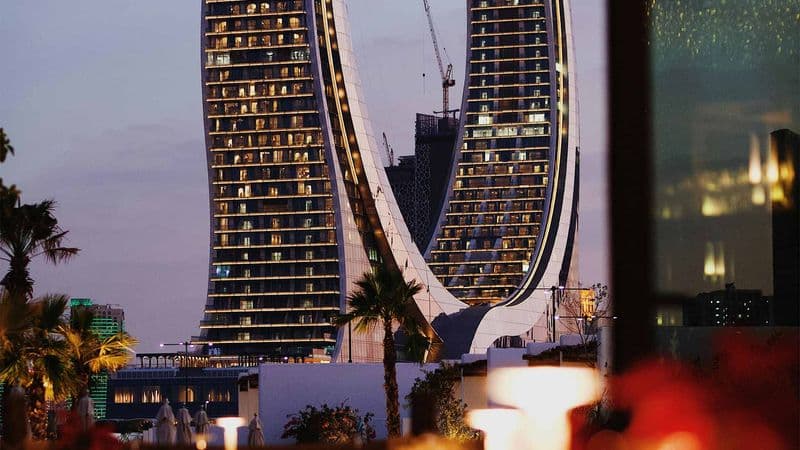
- جزيرة قطيفان الشمالية. حي جزيري أحدث بجوار لوسيل يضم برج آيكون ومنتزهاً مائياً ومساكن لي فاغ من إيلي صعب ذات العلامة التجارية. وهو حي فاخر جدير بالمتابعة أكثر من كونه رائداً مثبتاً في الأسعار.
- الخليج الغربي. مركز المكاتب، حيث يرتفع الإشغال في مكاتب الفئة A وارتفعت إيجارات المكاتب الممتازة 1.6% على أساس سنوي في الربع الثاني من 2026 (فاليوسترات).
- بحيرة الخليج الغربي. سوق فلل ساحلية راقية تراجعت فيها فلل اللؤلؤة وبحيرة الخليج الغربي بما يصل إلى 12.5% على أساس سنوي، فيما بلغ متوسط سعر الشقق في بحيرة الخليج الغربي نحو QAR 9,460 للمتر المربع (فاليوسترات، الربع الثاني 2026).
آفاق العائد الإيجاري في قطر.
ينبغي قراءة العوائد حسب نوع الأصل وتاريخ القراءة لا كنطاق واحد. إذ تقدّر مراجعة فاليوسترات للربع الثاني من 2026 العائد الإيجاري الإجمالي للعقارات السكنية عموماً بنحو 5.6%، موزعاً بين نحو 8.0% للشقق و4.4% للفلل. وهذه أرقام إجمالية على مستوى المؤشر: إذ يكون صافي العائد بعد رسوم الخدمات والشواغر والحوافز أقل، وقد تقع مشاريع بعينها أعلى من المتوسط أو أدنى منه بفارق كبير. والإيجارات هي المتغير الذي ينبغي متابعته. فقد تراجع الإيجار الشهري الوسيط لدى فاليوسترات 4.5% على أساس سنوي إلى نحو QAR 8,100 في الربع الثاني من 2026، مع تقديم الملاك حوافز وشروطاً مرنة، وسجّلت نايت فرانك تراجع متوسط إيجارات الفلل بنحو 8.9% على أساس سنوي في الربع الأول من 2026. ومع استقرار القيم الرأسمالية، ستميل العوائد إلى التراجع إذا واصلت الإيجارات انخفاضها.
محفزات الاستثمار العقاري في قطر.
قواعد الإقامة والتملك.
أدوات تحفيز الطلب هنا هي مسارات التملك العقاري القائمة لا تصريح جديد. إذ يؤهل تملك عقار لا تقل قيمته عن QAR 730,000 المالك لتصريح إقامة قابل للتجديد، فيما يجعله تملك عقار لا تقل قيمته عن QAR 3.65 مليون مؤهلاً للتقدم بطلب الإقامة الدائمة بموجب القانون رقم 10 لسنة 2018. ورفعت إضافة مشروع منتجع وشاطئ سميسمة في يونيو 2026 عدد مناطق التملك الحر إلى عشر مناطق، فيما تخفّض الرسوم الجديدة الصادرة في يناير 2026، ومنها QR100 للوحدة للتسجيل النهائي للوحدات على الخارطة، كلفة الشراء. أما تأشيرات الإقامة للتنفيذيين ورواد الأعمال المعلنة في فبراير 2026 فتوسّع قاعدة المقيمين على المدى الطويل، ما يدعم الطلب على الإيجار، لكنها ليست تأشيرات للاستثمار العقاري.
المعروض الفاخر والمساكن ذات العلامات التجارية.
تمثل جزيرة قطيفان الشمالية الحي الفاخر الجدير بالمتابعة. ويُعد مشروع لي فاغ من إيلي صعب، الذي تطوره دار جلوبال، الذراع الدولية لدار الأركان، مع شركة قطيفان للمشاريع، وقُدّرت قيمته بنحو QR1 مليار عند إطلاق مبيعاته في أكتوبر 2022، أبرز مشاريع المساكن ذات العلامات التجارية. وقد تفاوتت مواعيد التسليم المعلنة، لذا ينبغي للمشترين التحقق من الجدول الزمني الحالي مباشرة. وعادةً ما تُتداول المساكن ذات العلامات التجارية بعلاوة سعرية مقارنة بالوحدات المماثلة التي لا تحمل علامة تجارية، ما يدعم الطلب في قمة السوق حتى حيث تستقر أسعار الشريحة المتوسطة.
البنية التحتية والفعاليات.
يُحسّن الخط الفيروزي لترام لوسيل، الذي افتُتح في يناير 2025، الربطَ على امتداد ممر لوسيل، فيما يبقى الخط الأزرق لمترو الدوحة خطاً مخططاً دون موعد افتتاح معلن. كما تستضيف قطر دورة الألعاب الآسيوية 2030، مع وجود قرية الرياضيين في لوسيل، ما يوفر محفزاً متوسط الأجل للبنية التحتية والطلب. ويعكس الرقمان القياسيان لعام 2025، 54.3 مليون مسافر عبر المطار و5.1 مليون زائر، الجاذبية الكامنة للدوحة، غير أن أعداد الزوار تراجعت بحدة خلال الحرب في 2026، لذا ينبغي بناء جدوى الإيجارات قصيرة الأجل وقطاع الضيافة على افتراض التعافي لا على مستويات 2025.
عوامل المخاطر وسبل الحد منها.
مخاطر الأسعار والمعروض.
الخطر الأبرز هو ما تُظهره البيانات بالفعل: القيم مستقرة إلى متراجعة والإيجارات آخذة في التراجع، إذ سجّلت نايت فرانك انخفاض الفلل بنحو 3.5% والشقق بنحو 1.7% على أساس سنوي في الربع الأول من 2026، وتتوقع فاليوسترات إنجاز نحو 4,600 وحدة في النصف الثاني من 2026، مع تأجيل أكثر من 600 وحدة إلى 2027. وينبغي للمشترين الذين يركزون على النمو الرأسمالي في المدى القريب توخي الحذر، في حين أن من يمنحون الأولوية للدخل ولأفضل المشاريع منفردةً في وضع أفضل. ويبقى التركيز على العناوين المدعومة بمخططات رئيسية وطلب مثبت أوضح سبل الحد من هذا الخطر.
المعنويات والضغوط الخارجية.
تمثل الجغرافيا السياسية الإقليمية العامل الأبرز القائم. فقد جلبت الحرب المرتبطة بإيران في 2026 ضربة صاروخية على راس لفان في مارس 2026 وتعطلاً مستمراً للملاحة عبر مضيق هرمز، ما عطّل صادرات قطر من الغاز الطبيعي المسال. ووضعت فيتش تصنيف قطر قيد المراقبة السلبية في أواخر مارس 2026، ثم ثبّتت في أوائل سبتمبر 2026 التصنيف عند AA وأزالته من قائمة المراقبة مع نظرة مستقبلية سلبية، مفترضةً استئناف الصادرات في الربع الأول من 2027. وقد استوعبت السوق السكنية الصدمة حتى الآن بقيم مستقرة لا بتراجع، غير أن إطالة إغلاق المضيق أو تجدد الضربات سيضغطان على المعنويات والإنفاق العام والإيجارات. ويحدّ التنويع بين العناوين وأنواع الأصول من الانكشاف على أي شريحة بمفردها.
استقرار السياسات.
اتجهت سياسات التملك لصالح المستثمرين، مع إضافة سميسمة إلى مناطق التملك الحر في يونيو 2026 وخفض الرسوم في يناير 2026 بما يقلل تكاليف المعاملات. ويظل إعفاء الأفراد من ضريبة الدخل الشخصي وضريبة الأرباح الرأسمالية قائماً، مع التحفظ القائم بشأن الأرباح التجارية المتحققة من مصادر قطرية. وتبقى السياسة المالية مجالاً للمتابعة: إذ تتوقع فيتش عجزاً في الموازنة في 2026 قبل عودة الفوائض اعتباراً من 2027.
رؤيتنا لعامي 2026–2027.
رؤية مكتب أومنيا.
هذه قراءتنا لأحدث البيانات المنشورة حتى أكتوبر 2026، معروضة في صورة نطاقات مع المحركات التي تقف وراءها. وهي رؤية لا ضمان للأسعار المستقبلية، ولا تشكّل نصيحة استثمارية.
الأسعار.
سيناريونا الأساسي هو استقرار القيم الرأسمالية الوطنية إلى حد بعيد خلال الأشهر الاثني عشر المقبلة، ضمن نطاق يقارب −3% إلى +1% على مؤشر فاليوسترات، مع ثبات أكبر للشقق مقارنة بالفلل، وبقاء الفلل الساحلية الراقية الشريحة الأضعف. وعلى مدى 2027 نتوقع الاستقرار، مع مجال لتعافٍ محدود بنحو 0% إلى +3% إذا عادت الملاحة في الخليج وصادرات الغاز الطبيعي المسال إلى طبيعتها كما تفترض فيتش.
الإيجارات والعوائد.
نتوقع أن تواصل الإيجارات تراجعها حتى 2027 مع إنجاز نحو 4,600 وحدة جديدة في النصف الثاني من 2026. وينبغي أن تبقى العوائد الإجمالية عند نحو 5–6% عموماً، ونحو 7.5–8% للشقق و4–4.5% للفلل، مع ميلها إلى التراجع إذا انخفضت الإيجارات بوتيرة أسرع من القيم.
النشاط.
أثبتت أحجام الصفقات صموداً أكبر من الأسعار. ونتوقع أن يأتي نشاط عام 2026 كاملاً متماشياً إلى حد بعيد مع مستويات 2025، بدعم من طلب المستخدمين النهائيين والتمويل العقاري وانخفاض رسوم التسجيل، مع تراجعات مؤقتة عند أي تصعيد جديد.
ما الذي قد يغيّر رؤيتنا.
على صعيد العوامل الإيجابية: إعادة فتح مضيق هرمز بصورة مستدامة، واستئناف صادرات الغاز الطبيعي المسال وتوسعة حقل الشمال، وإنجاز برنامج دورة الألعاب الآسيوية في لوسيل. وعلى صعيد العوامل السلبية: إطالة الإغلاق أو تجدد الضربات، وتباطؤ الإنفاق العام مع تشدد الوضع المالي، ووصول معروض جديد بوتيرة أسرع من الطلب. وسنعيد النظر في هذه النطاقات عند نشر فاليوسترات ونايت فرانك بيانات الربع الثالث من 2026.
قطر في أواخر 2026 سوق مشترين: النشاط صامد والقيم مستقرة والإيجارات تتراجع، فيما تحدد الحرب الإقليمية وتيرة أي تعافٍ. الفرصة هي دخول انتقائي قائم على الدخل في عناوين مثبتة، لا رهان على ارتفاع واسع في الأسعار.
أين تقف سوق قطر فعلياً في 2026.
عند قراءتها في ضوء المصادر لا المواد التسويقية، تبدو أطروحة 2026 متوازنة. فقد قفزت قيمة المبيعات في 2025 بنحو 43.5% إلى QAR 26.6 مليار، وصمد النشاط خلال الحرب، بينما بقيت القيم الرأسمالية مستقرة إلى حد بعيد وتراجعت الإيجارات. وبلغت العوائد الإجمالية نحو 5.6% إجمالاً في الربع الثاني من 2026، وتتفوق الشقق على الفلل من حيث الدخل، ولا يدفع المستثمرون الأفراد أي ضريبة على الدخل الشخصي أو على الأرباح الرأسمالية. والدعائم الهيكلية حقيقية لكنها أبطأ مما كان مأمولاً: عشر مناطق للتملك الحر، ورسوم تسجيل أقل، وشبكة ترام لوسيل، ودورة الألعاب الآسيوية 2030، في مقابل حرب إقليمية عطّلت صادرات قطر من الغاز.
يتمثل التغيير الأكبر منذ القراءة السابقة في الحرب لا في تصريح إقامة جديد: إذ تبقى عتبات الإقامة عبر التملك العقاري QAR 730,000 وQAR 3.65 مليون. وإجمالاً، يميل عاما 2026 و2027 لصالح المشترين الانتقائيين الذين يقدّمون الدخل والعناوين المثبتة على النمو الرأسمالي الواسع. وللتصرف بناءً على ذلك، تصفّح المشاريع الحالية في قطر أو اطّلع على رؤيتنا الأشمل لسوق قطر. جميع الأرقام الواردة هنا مؤرخة واسترشادية ولا تشكّل نصيحة استثمارية.
استشارة
تحدّث إلينا على انفراد.
مستشار من أومنيا حول التوافر والهيكلة والتوقيت في هذه الأسواق.
 متاحبركاءحي النسيمالنوعمساكناستكشف الإقامة