Life as an expat in Oman blends cultural immersion, striking landscapes and modern comfort in one of the Middle East’s most welcoming nations. From learning local customs to exploring hidden wadis and busy souqs, this 2026 guide covers what it is really like to live here, and how to thrive, whether you are moving for work, adventure or a fresh start: the culture, the cost of living, finding a home, work, schools, healthcare and the experiences that make Oman home.
Why Oman welcomes expats.
Oman is among the friendliest Gulf states for expatriates. Of a population of about 5.36 million in early 2026, roughly 43% are expats, from the UK, US, Canada, South Africa, India, Pakistan and beyond, with Indians the largest single community and Bangladeshis next. That makes for a genuinely multicultural community, especially in Muscat: expat clubs, international schools, and English widely spoken alongside Arabic. Omanis are known for their hospitality, often inviting newcomers to share coffee and dates or join local celebrations, and settling in is easier here than in most of the region.
Safety is a real advantage. Muscat ranks among the safest cities in the world on the usual crime indices, and Oman sits near the top of the region on the Global Peace Index; the InterNations Expat Insider 2025 survey placed Oman 11th globally for expat quality of life. Where Dubai runs fast, Oman keeps a calmer rhythm that balances tradition with modern life. Adapting to local norms, modest dress and respect for Islamic practice during Ramadan, takes a little openness, and repays it.
Omani culture and customs.
Omani culture, rooted in Ibadi Islam, shapes daily life and social interaction, and respecting it builds real connection. Dress modestly: women cover shoulders and knees in public, men avoid shorts in formal settings. Public displays of affection are frowned on, and during Ramadan you avoid eating, drinking or smoking in public during daylight hours.
Hospitality is warm and generous. Expect invitations for kahwa (traditional coffee) with dates, or a feast of shuwa (slow-cooked lamb); a small gift, like Omani halwa, shows gratitude. A few words of Arabic, "marhaba" for hello, "shukran" for thank you, earn respect. Immerse yourself at Muscat Nights, the winter festival that runs across January (1 to 31 in 2026) over eight venues including Al Amerat Park, where traditional dance, artisan crafts and street food like mishkak (grilled meat skewers) come alive. Meetings, social or professional, often run longer than planned, because Omanis value relationships over the clock; embracing that pace builds trust.
The cost of living in Oman.
Oman’s cost of living is moderate by Gulf standards and good value next to Dubai. Muscat is the priciest city; towns like Nizwa and Salalah are more affordable. The figures below are a recent snapshot for a single expat or couple in Muscat, and they shift over time.
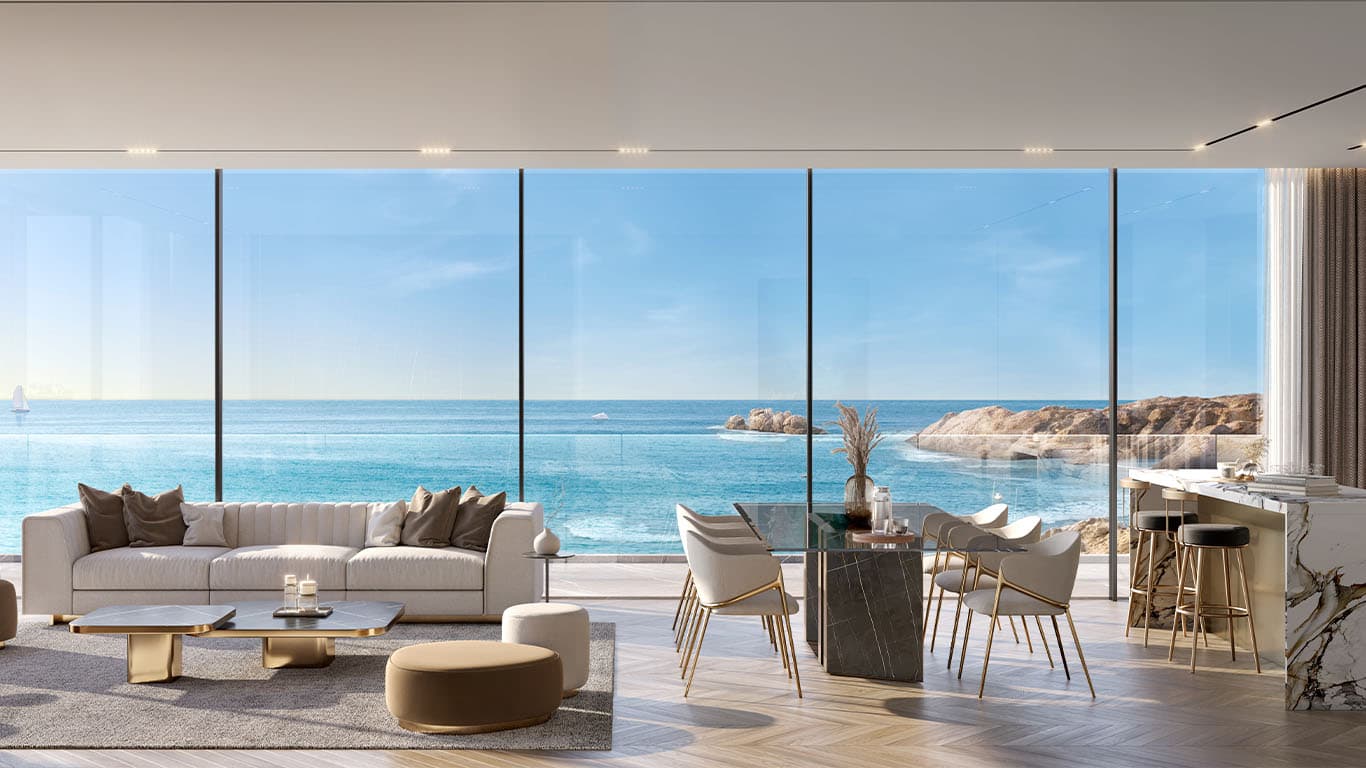
Accommodation. In 2026 a one-bedroom apartment averages around OMR 500 a month in waterfront Al Mouj, roughly OMR 380 in Qurum and about OMR 320 in Al Khuwair, with most Muscat one-beds falling in the OMR 260 to 480 band, and furnished units carrying a premium over unfurnished ones. A three-bedroom villa in Al Azaiba runs OMR 800 to 1,200. Rent is often paid quarterly or annually, so plan for larger payments. Utilities (electricity and water) add roughly OMR 20 to 50 a month for an apartment, climbing through the air-conditioned summer; a larger flat can reach nearer OMR 58.
Groceries and dining. A weekly shop for a couple at a supermarket like Carrefour is around OMR 15 to 25, with local produce noticeably cheaper than imported goods. For eating out, a mid-range meal of Omani machboos at Bait Al Luban or coffee at a spot like The Coffee Library is an easy, everyday treat rather than a splurge.
Transport. Life leans on cars: Mwasalat city buses run low flat fares but limited routes. Fuel is cheap at around OMR 0.20 to 0.22 a litre, reset monthly by the government, a used Toyota Corolla can be found for a few thousand rial, and taxi apps like Otaxi cover short Muscat trips for a few rial each.
The bottom line. A single expat lives comfortably in Muscat on OMR 800 to 1,200 a month; a couple needs OMR 1,500 to 2,000. There is no income tax today, which lifts disposable income, though a 5% VAT applies to goods and services. One change to plan for: from January 2028 Oman introduces a 5% personal income tax, the first in the Gulf, but only on annual income above OMR 42,000, so the vast majority of expat salaries stay untaxed.
Where to live in Muscat.
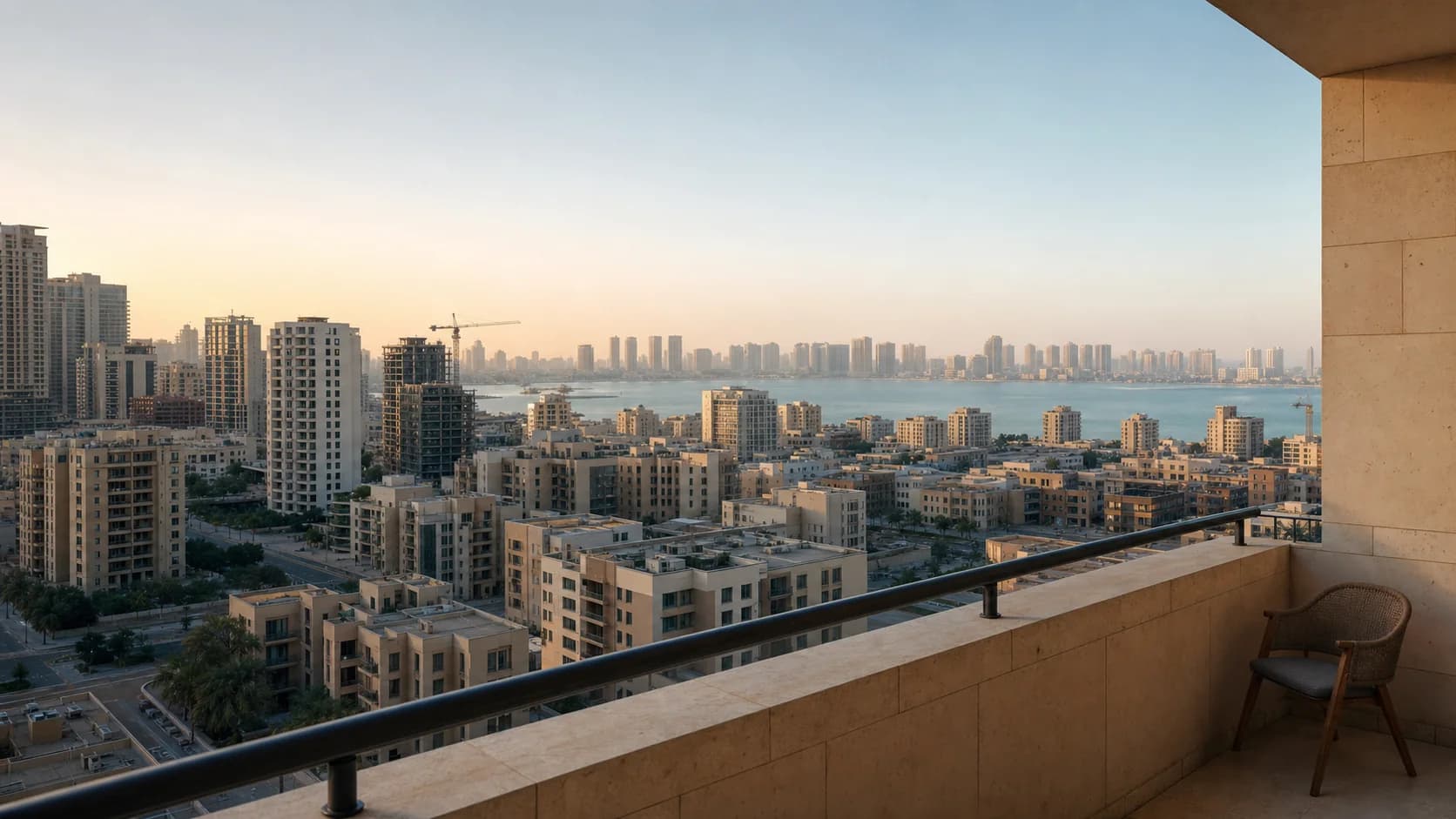
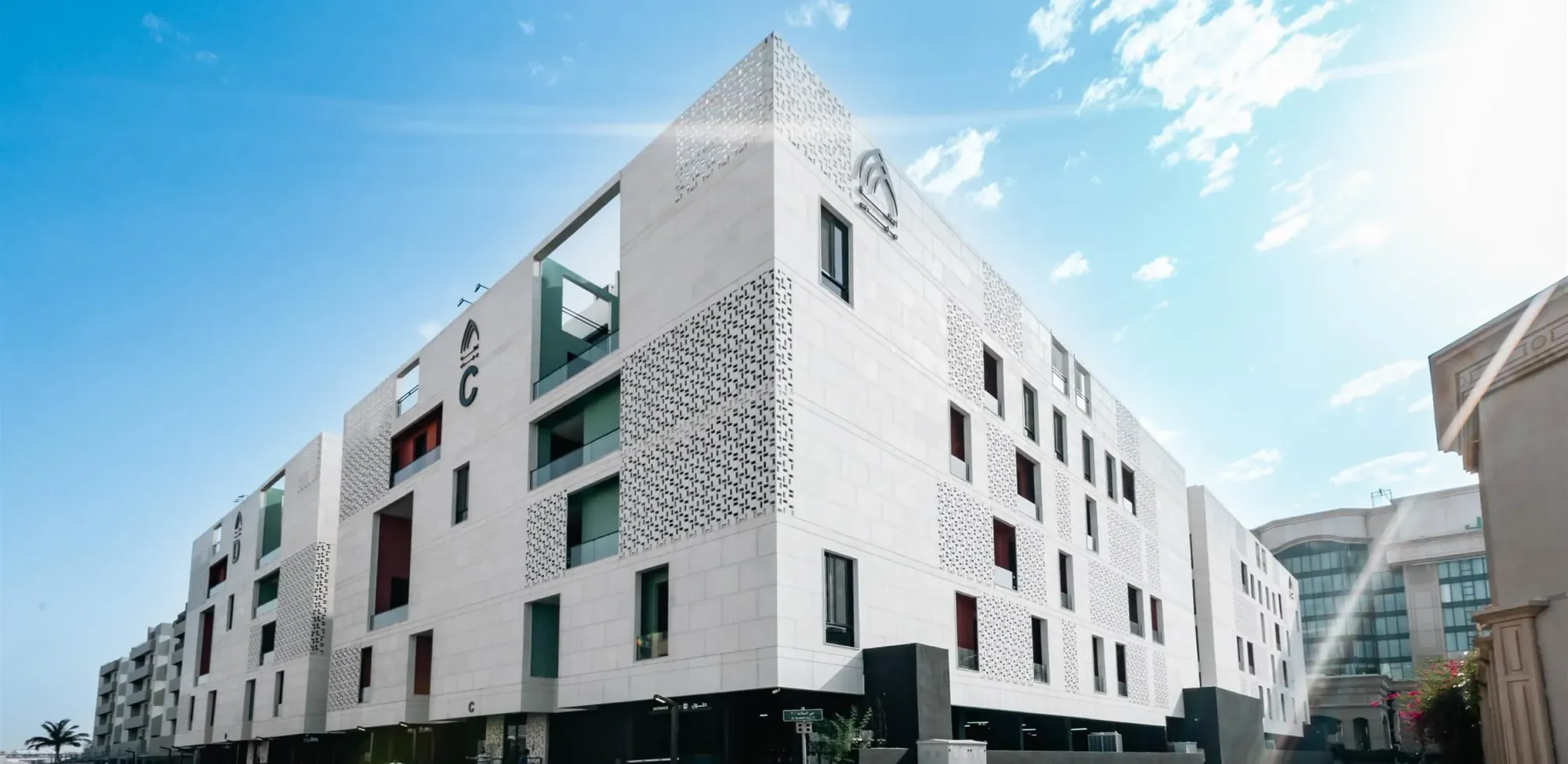
Most expats settle in Muscat, favouring Al Mouj, Qurum and Madinat Al Sultan Qaboos. Al Mouj, an Integrated Tourism Complex, offers waterfront apartments, a marina and a golf course, and suits families; Qurum sits near the beaches and the diplomatic quarter; Al Azaiba has more affordable villas. In Salalah, expats favour the areas near Dhofar Beach for a quieter coastal life.
Leases typically run a year, with a deposit of one month’s rent. Ask a licensed local agent to confirm the lease, registration and furnishing terms. For a purchase, check the specific home’s ownership eligibility and title, and assess residency as a separate application. The Royal Oman Police provides a two-year residence-visa service for owners of residential units in Integrated Tourism Complexes. Separately, the Ministry of Commerce, Industry and Investment Promotion describes a renewable ten-year Golden Residency programme with a minimum investment of OMR 200,000; its property route covers ready-made units in ITCs. Confirm the applicable route, the specific home and the application requirements before relying on residency as part of a purchase. Rentals are often unfurnished, so allow for furniture in the moving budget.
On the pace of the place
Oman rewards the unhurried. The wadis, the souqs and the long lunches are the point, not the interruption.
Working in Oman.
The expat workforce concentrates in oil and gas, education, healthcare and construction. Employers such as Petroleum Development Oman and international schools like The British School Muscat hire for roles from engineering to teaching, with tax-free salaries that often include a housing allowance. Work permits are employer-sponsored: the official visa fee is around OMR 20, though the full first-time cost (labour clearance, entry permit, medical and the residence card) is closer to OMR 100 to 300 all-in, usually paid by the employer, and a medical check is required. From 2028, earnings only become subject to the new 5% income tax above OMR 42,000 a year.
Networking matters, because Omanis value personal connection. Attend events at the Oman Convention & Exhibition Centre or join a group like Muscat Expats on Facebook. Keep business etiquette in mind: dress formally, use titles such as "Sayyid" for senior Omanis, and never schedule meetings across prayer times.
The Journal · Free, monthly
Enjoying the issue? Have the next one delivered.
One considered email a month. Unsubscribe in one click.
International schools in Muscat.
Oman’s international schools cluster in Muscat. Three of the best known:
- The British School Muscat. UK curriculum (EYFS to A-Levels). For 2025-26, tuition spans about OMR 4,240 in the early years to around OMR 10,280 in the sixth form, plus an infrastructure fee of OMR 300 a term (capped at OMR 2,700); strong on academics and on activities like drama and sport. britishschoolmuscat.com
- ABA Oman International School. The IB curriculum, with fees rising by year group, popular for its diverse community. abaoman.org
- The American International School Muscat. A US curriculum with AP courses, with fees rising through the senior years. taism.com
Enrol early, waiting lists are real. Preschools like Little Learners in Qurum take younger children before the main school years. Public schools are primarily for Omanis, so expat families rely on private institutions.
Healthcare for expats in Oman.
Private healthcare is the norm for expats, with hospitals such as Muscat Private and Badr Al Samaa covering everything from routine check-ups to surgery. Pharmacies stock international medication, and most expats pay through insurance rather than out of pocket.
Health insurance is mandatory under Oman’s Dhamani scheme, issued in 2019 and phased toward near-universal private-sector and expat coverage through 2026. Employers pay the premium, with an OMR 4,500 basic annual policy limit covering inpatient, emergency, outpatient and prescription care, so most expats are insured through their employer rather than buying a personal policy. Register with a clinic on arrival for seamless care. Oman’s clean environment keeps disease prevalence low, though the summer heat, often into the mid-40s Celsius, calls for hydration and sun protection.
Things to do in Oman.
Oman’s landscapes and heritage are the reward for living here. A starting list:
- Wadi Shab. Hike the canyon near Muscat, swim its emerald pools and find the hidden cave; a short boat crossing costs about OMR 1. Bring sturdy shoes for a two to three hour trip, ideal for weekends.
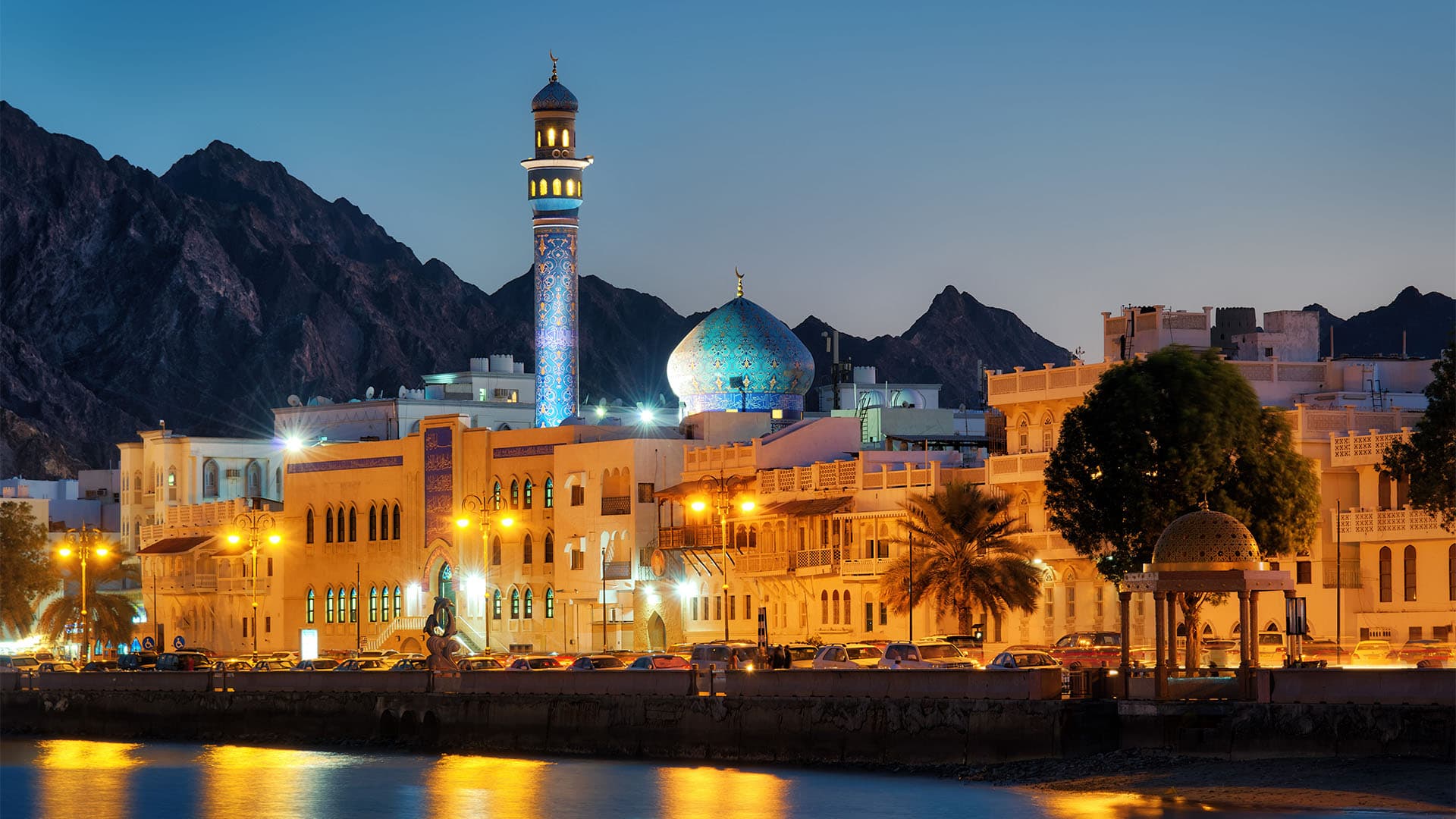
- Muttrah Souq. Shop frankincense (a few rial a bundle), silver jewellery and Omani dishdashas in a historic Muscat market. Haggle politely; open daily, best in the evening.
- Jabal Akhdar. The "Green Mountain" near Nizwa, for hiking and rosewater distilleries. Stay at the Anantara Al Jabal Al Akhdar from around OMR 140 to 220 a night for a standard room, or camp. Spring is rose season.
- Salalah’s Khareef. Dhofar’s monsoon turns the south green and misty, running roughly late June to late September, greenest from mid-July to mid-August, with cultural events at Ittin Park and karak tea from the stalls.
- Daymaniyat Islands. Snorkel or dive Oman’s only marine nature reserve, on UNESCO’s tentative World Heritage list, alive with coral and turtles; a day trip with Oman Dive Center is around OMR 30 to 50. Check the seasonal turtle-nesting closure and book early for summer.
- Royal Opera House Muscat. Ballet, Omani music and international performance, with tickets from around OMR 5 to 50. Dress formally and book ahead. rohmuscat.org.om
Social life and community.
Oman’s expat community is close-knit, with hubs in Muscat, Salalah and Sohar. Join the British Social Club or Muscat Rugby Club for sport, book clubs or charity events; coffee shops like Dose Café in Al Mouj host meetups, and licensed venues like Rock Bottom in Qurum serve drinks. Alcohol is available in licensed venues, but public intoxication is illegal.
Volunteering with the Environment Society of Oman connects you with locals and expats through turtle protection and conservation. For families, spots like Fun Zone (a few rial a child) and beach picnics at Shatti Al Qurum keep children happy, and online forums help with the rest when you are finding your feet.
The friendships you make over kahwa outlast the postings. That is the part no relocation guide can budget for.
Settling in.
Field notesGet a car.
Public transport is limited, so a car is essential. If your home licence is not valid here, an Omani one costs about OMR 20.
Plan around the heat.
Summer highs often reach the mid-40s Celsius. Wear breathable clothing and keep outdoor plans to early morning or evening.
Read the unspoken cues.
Communication is indirect; Omanis often avoid a flat "no" to keep harmony. Watch for hesitation and read it generously.
Allow time for paperwork.
Visa and renewal processes can take weeks. Start early and keep your documents in order.
A life worth the move.
With affordable living, safe cities and a coastline and interior made for exploring, Oman delivers a life that is welcoming and exhilarating at once. From hiking Wadi Shab’s emerald pools to sharing shuwa with Omani neighbours, the experiences here are grounding and enriching in equal measure. Begin with Muscat’s expat scene, a trip to Jabal Akhdar, and, when the time is right, a look at where to put down roots.