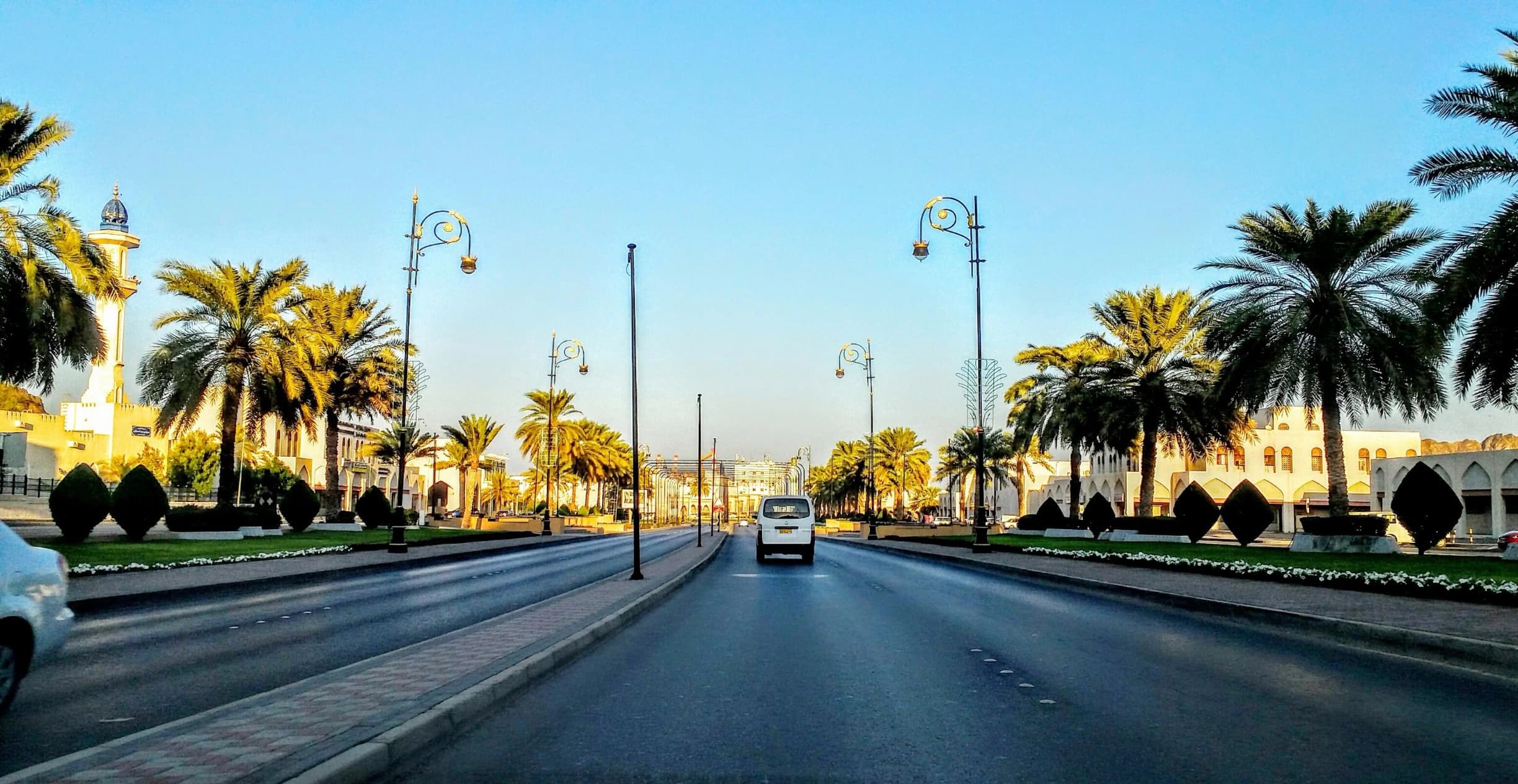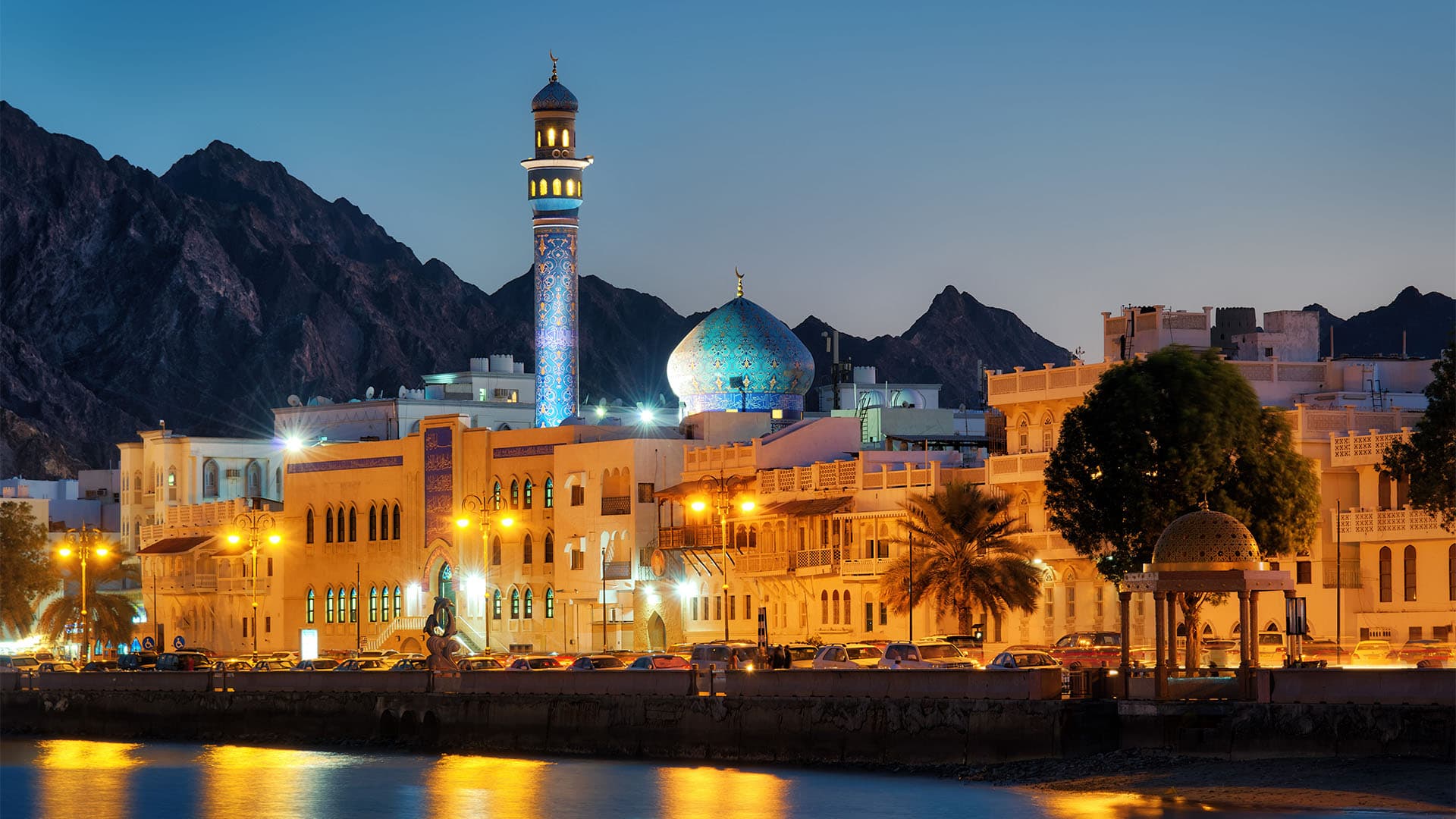
Every great story begins with a place that transforms how you see the world. Muscat, Oman’s timeless capital, does not just occupy a stunning stretch of coastline between mountain and sea. It breathes with a rhythm that has been steady for centuries, where frankincense-scented breezes carry whispers of ancient trade routes and modern aspirations alike. From the labyrinthine alleys of Mutrah Souk to the soaring acoustics of the Royal Opera House, Muscat’s soul is both deeply rooted and boldly reaching forward.
This is a city where tradition is not preserved in museums but lives in the daily pulse of commerce, culture and community. Through Vision 2040, Muscat is writing its next chapter while honouring every page that came before. It is this authentic balance that inspired our Global Citizens Collection, a place where your story finds its voice without losing its melody.
A harbour born to welcome.
Long before modern maps marked it as a capital, Muscat was Miskatan, the place of falling, where mountains descended into azure waters and created natural harbours. For more than a thousand years, this has been a place where the world comes to trade, not just goods but stories, languages and dreams. The frankincense trails that once carried precious resin from Dhofar’s mountains to distant empires still echo in Mutrah Souk’s narrow alleys, where the same aromatic clouds rise from burning censers today.
Persian merchants, Indian spice traders and East African captains found more than safe harbour here. They found a culture that understood that prosperity comes not from taking but from giving, not from closing doors but from opening them wider. This was never mere business; it was a philosophy that still defines Muscat’s character. The city does not just trade with the world, it embraces it.
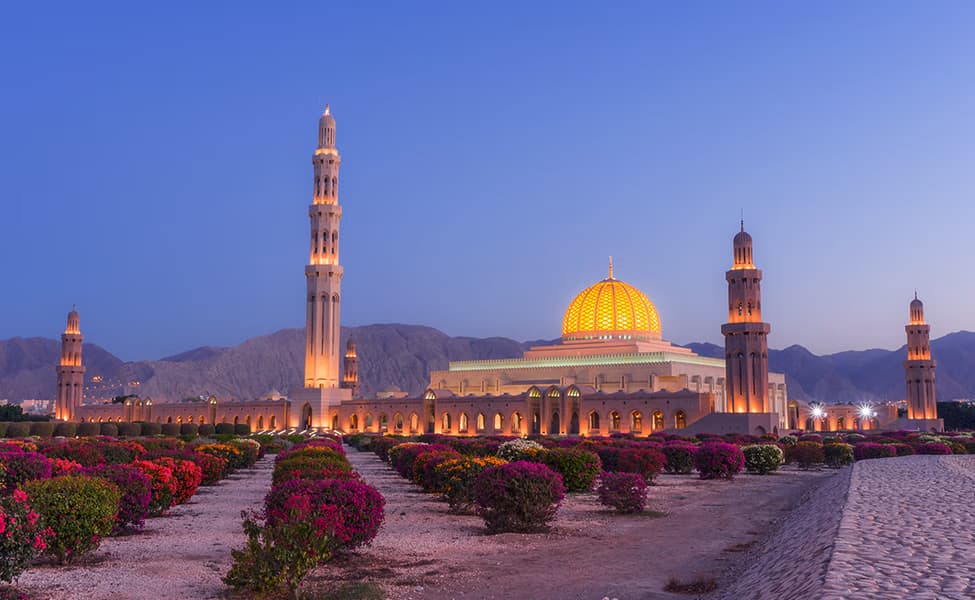
Vision 2040, a symphony of progress.
When Vision 2040 was launched under the late Sultan Qaboos bin Said and carried forward by Sultan Haitham bin Tariq, it did not promise to transform Oman into something else. Instead, it committed to amplifying what Oman has always been: a bridge between worlds, a culture that finds strength in diversity and a nation that leads by example.
The vision is already reshaping Muscat’s skyline and its soul. The tourism sector has been expanding at close to double-digit pace, its share of the national economy climbing toward the roughly 5% that Vision 2040 targets by 2030 on the way to about 10% by 2040, while a startup scene buzzes with innovation as Omani technology ventures multiply. But this is not growth for its own sake. It is growth with purpose, designed to create opportunities for Oman’s young population while preserving the values that make this place special.
The Oman Convention and Exhibition Centre, with its 8,300 solar panels now supplying around a quarter of its energy and a platinum sustainability ambition, welcomed about 1.8 million visitors in 2024, establishing Muscat as a serious player in sustainable business tourism. This is not just infrastructure; it is a statement about the kind of future Muscat is building. To follow that ambition into the property it is creating, the Oman market hub maps how the Sultanate is opening to the world.
A city that honours its voice.
Since opening on 12 October 2011, the Royal Opera House Muscat has become more than a venue. It is a cultural beacon that draws more than 90,000 visitors a year to its 1,100-seat hall, hosting everything from Verdi’s masterpieces to traditional Omani folk festivals. This is not cultural tourism; it is cultural citizenship. The 2025-2026 season runs the full range, from visiting international companies to emerging talents arriving from competitions abroad.
What makes the Royal Opera House special is not only its world-class acoustics or its architecture, which blends traditional Omani design with modern engineering. It is the way it serves as a bridge, bringing international artists to Oman while giving Omani musicians a world-class stage. Its Open Doors initiative carries performances to hospitals and care homes, ensuring that cultural experiences reach everyone, with inclusivity measures such as sign-language interpretation.
Walk through Mutrah Souk and you understand why Muscat’s cultural confidence runs so deep. This roughly 200-year-old marketplace, with its narrow wooden-beamed alleys and aromatic frankincense stalls, remains a living testament to Oman’s trading heritage while adapting to modern needs. The same families who have sold spices for generations now help visitors discover the stories behind each fragrance, each carefully crafted silver khanjar, each hand-woven textile.
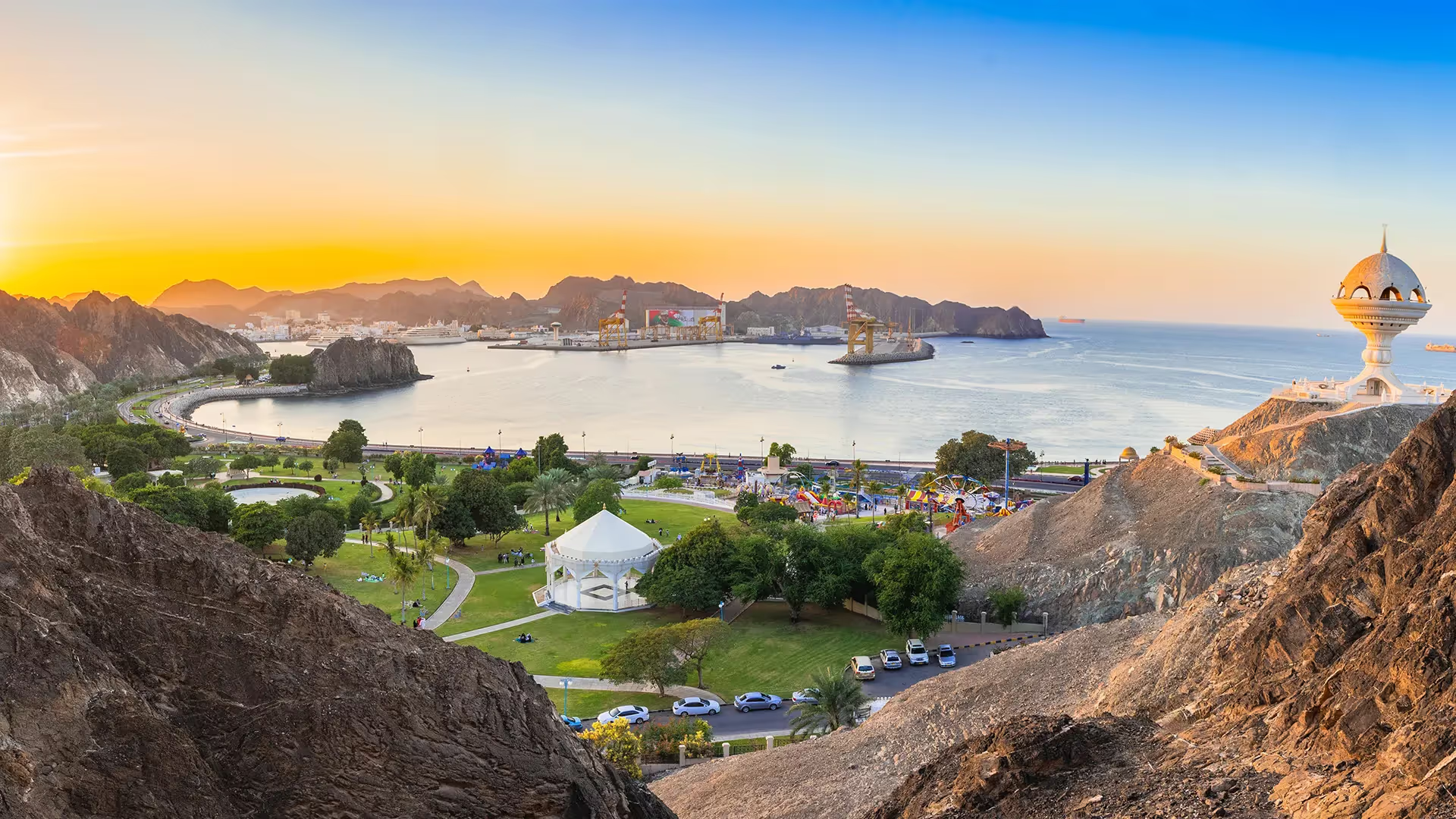
What Muscat keeps, and what it builds.
The character of the cityA harbour, not a fortress.
Muscat has grown for a thousand years by opening its doors wider, not closing them. Persian, Indian and East African traders all found a culture that treated prosperity as something given rather than taken.
Frankincense still rises.
The Dhofar trails that once carried resin to distant empires still scent Mutrah Souk’s alleys, a roughly 200-year-old marketplace of silver khanjars, textiles and the same families trading across generations.
Culture as citizenship.
The Royal Opera House Muscat, open since October 2011, draws over 90,000 visitors a year to its 1,100 seats and carries performances into hospitals and care homes through its Open Doors programme.
Progress with a purpose.
Vision 2040 amplifies what Oman already is rather than replacing it: a sustainability-led convention centre, a rising tourism share and a young population the country is investing in for the long run.
On what Muscat understands
In Muscat, global citizenship means carrying your heritage with pride while opening your heart to others. You can honour where you come from while embracing where you are going.
The Journal · Free, monthly
Enjoying the issue? Have the next one delivered.
One considered email a month. Unsubscribe in one click.
Why Muscat captured our imagination.
Muscat inspired our Global Citizens Collection because it proves that authenticity and openness are not opposites, they are partners. This is not a city trying to become something it is not; it is a city that knows exactly what it is and generously shares that identity with the world.
With around 64% of its citizen population under 30, Oman is investing heavily in human capital, aiming to rank among the world’s leading nations on education by 2030. But this is not about abandoning tradition for progress. It is about using the wisdom of the past to navigate the future. In Muscat, global citizenship means carrying your heritage with pride while opening your heart to others.
It is a city where the call to prayer echoes over the same harbour that welcomed traders from distant lands, where traditional dhow boats share the water with modern cruise ships, where the scent of frankincense mingles with the salt air just as it has for centuries. We chose Muscat because it embodies what we believe about belonging: that you can honour where you come from while embracing where you are going.
It is a place where every story, whether you are from Morocco, Malaysia or Manchester, finds its place in a larger narrative that is both ancient and urgently contemporary. Muscat did not just inspire our collection; it reminded us that the most powerful stories are the ones that connect us across time and space. To trace where that idea travels next, follow the Global Citizens Collection, or, if Oman is already calling you home, read our guide to thriving as an expat in Oman.