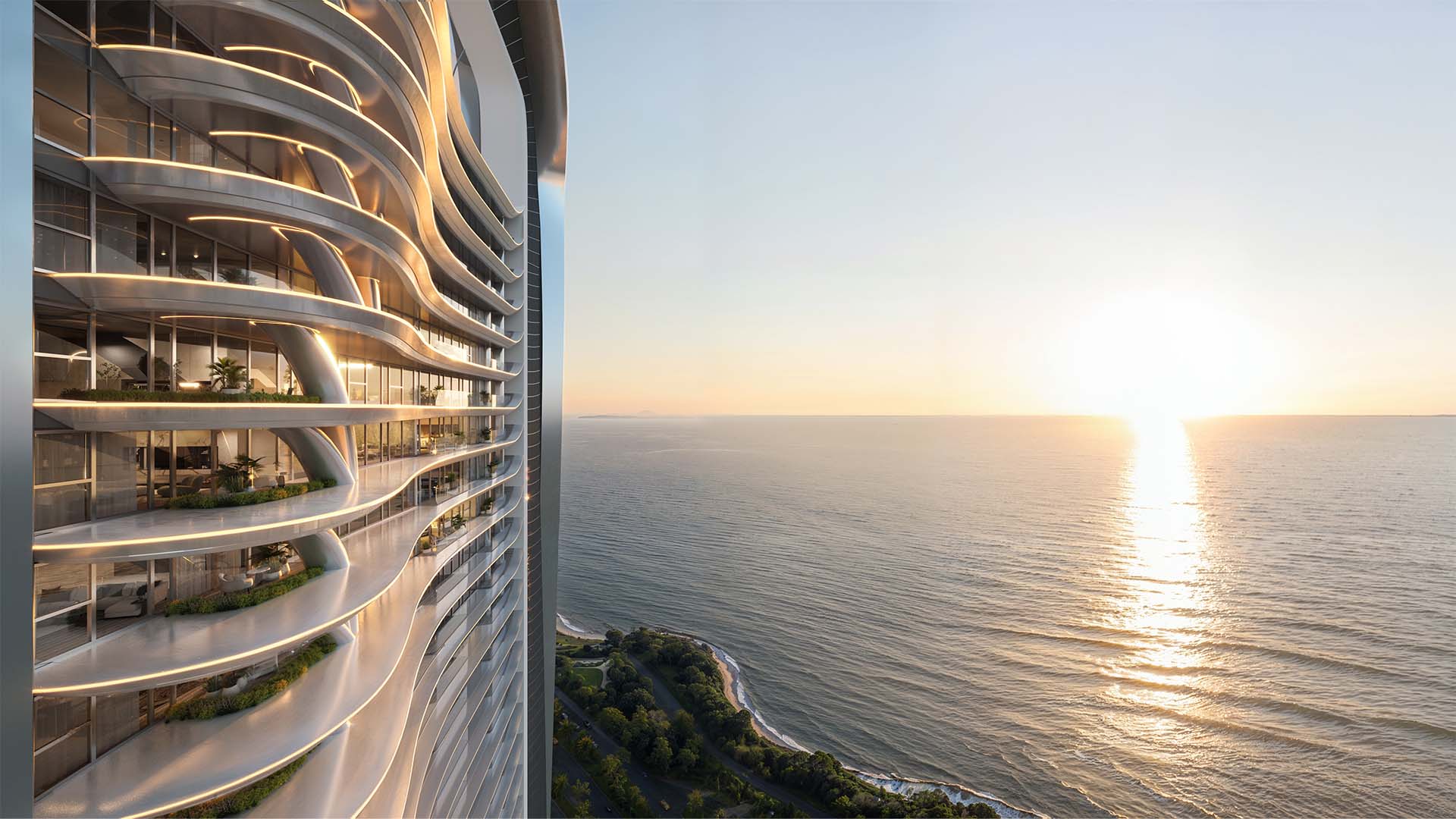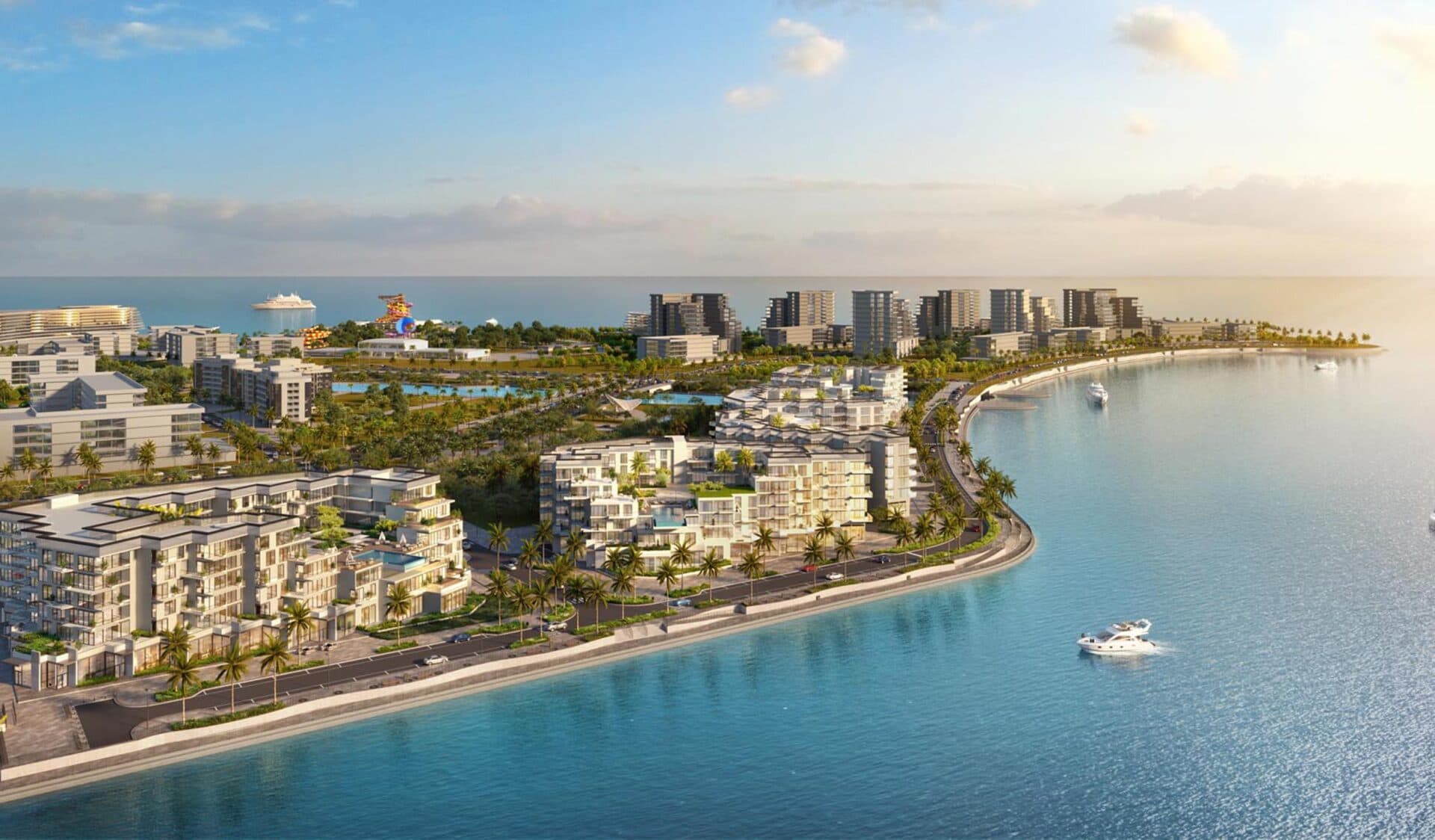
At six in the morning, before the sales galleries open, the Gulf’s residential cycle is easier to see. In Dubai, lights still burn in apartments handed over years ago while cranes trace the next district behind them. In Riyadh, a school run crosses a road that was desert at the start of the decade. Along the water in Doha, the question is no longer whether the new quarter can be built, but how fully it can be lived in.
These are not versions of the same market. They are different stages of urban growth sharing a currency architecture, a climate and, often, the same buyer. The useful question in 2026 is not whether Gulf residential property is rising or falling. It is which city is repricing risk, which is still discovering demand, and which has begun the less glamorous work of absorbing what it promised.
The cycle is no longer regional.
For years, the shorthand was seductively simple: oil receipts entered the economy, confidence improved, projects launched and housing followed. That relationship has not disappeared, but it no longer explains enough. Population policy, residency rules, mortgage affordability, land release and the credibility of individual developers now move residential demand on different timetables.
Dubai entered 2026 with the depth of a mature trading market and the obligations of a late-cycle pipeline. Abu Dhabi accelerated from a smaller base. Saudi Arabia opened a broader route to non-Saudi ownership just as local affordability and mortgage activity forced a reset. Doha kept clearing completed stock. Muscat continued to ration its international market through defined tourism and residency channels.
To call all of this a boom is to miss the information. To call it a correction is to miss just as much.
A skyline records ambition. An occupied building records demand. The cycle turns on the distance between them.
Five cities, five positions.
The region becomes legible when its cities are placed side by side. The comparison is not a league table. Each market is solving a different problem, and the same purchase can therefore carry a very different risk depending on the address.
A market atlas · Five positions
One region, several moments in the cycle.
Move from a market managing maturity to cities still creating the rules, the stock and the habits that make ownership durable.
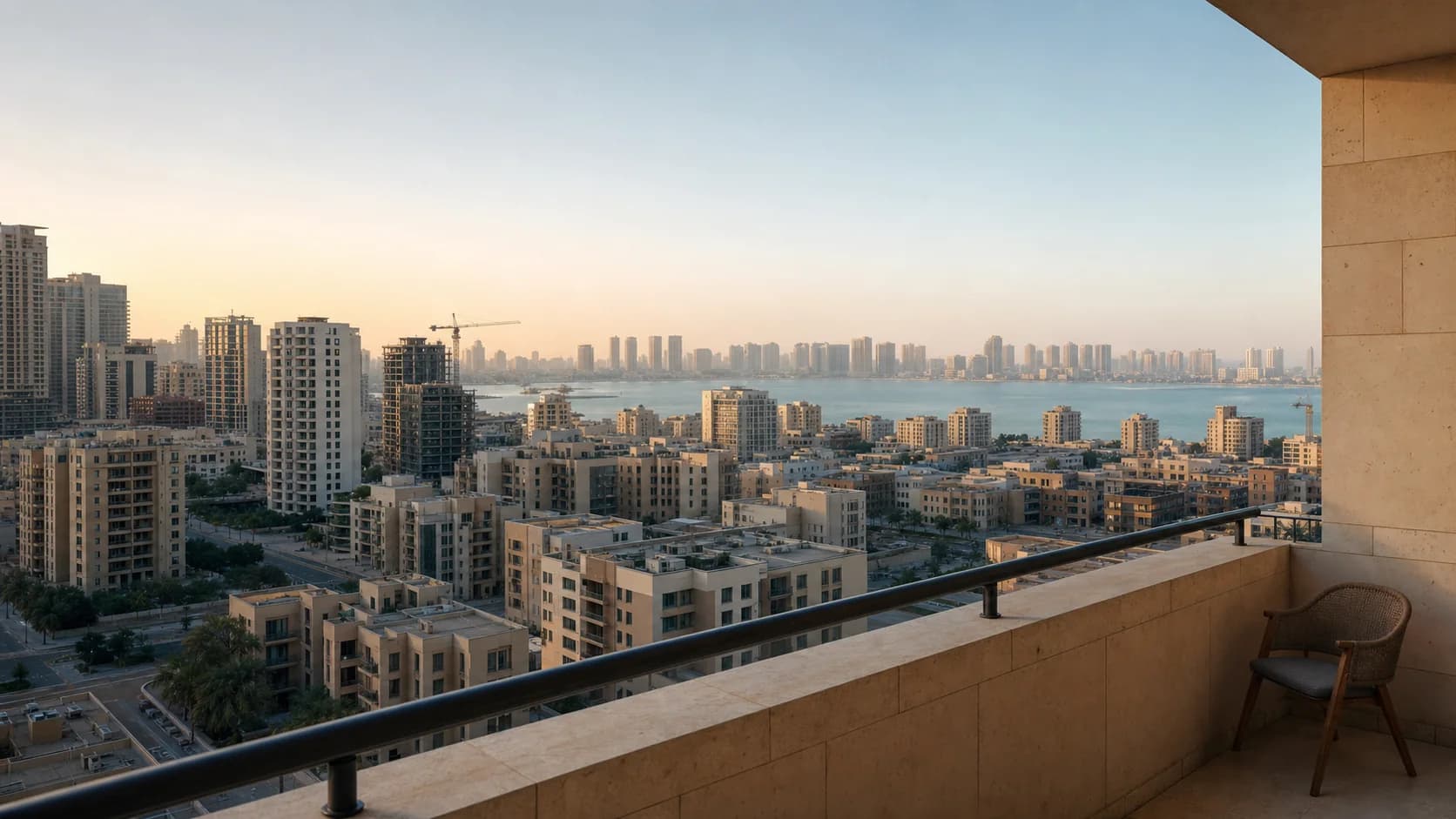
Dubai
Maturity meets the delivery test.
Dubai · United Arab Emirates
Dubai began 2026 at extraordinary scale. Knight Frank counted 45,158 residential sales in Q1, worth AED 137.3 billion. Prices were still 10.5% higher than a year earlier, but the rate of growth had slowed. More revealingly, 72% of transactions were off-plan.
That split describes the cycle better than any record headline. Dubai has a deep ready-home market, yet most new activity still depends on future delivery. Knight Frank’s registered pipeline suggests roughly 350,000 homes by 2030, while its analysis of 2021–2025 found that about 60% of promised supply materialised in the period expected. The central risk is therefore not one sudden wall of completions. It is uneven delivery, concentrated by district and product type.
In a late-cycle market, selection matters more than the citywide average. A scarce villa, a completed apartment with an established rental history and a speculative unit in a tower cluster may share a postcode while behaving like three different assets.
Abu Dhabi
Acceleration from a quieter base.
Abu Dhabi · United Arab Emirates
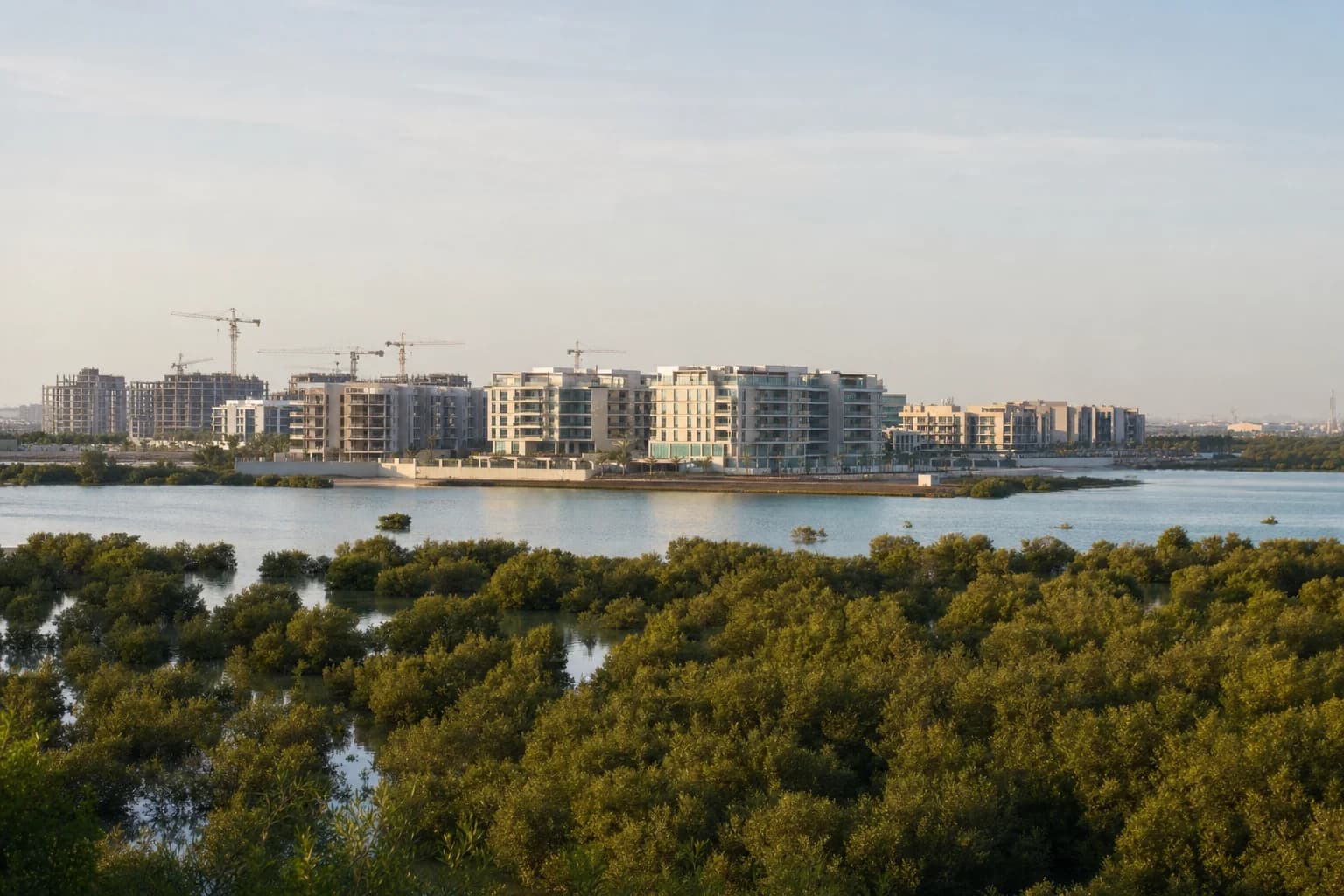
Abu Dhabi entered the year at a different point. CBRE recorded 8,315 residential transactions in Q1 2026, up 126% year on year, with total value reaching AED 46 billion. Rental growth remained strong at 15% annually, yet the quarterly rise had slowed to 1%.
The combination is important: rapid sales growth, firm pricing and rents beginning to stabilise. It suggests a market moving from shortage-led repricing toward a more normal negotiation between new supply and resident demand. Abu Dhabi is not simply Dubai at a discount. Its employment base, public-sector weight, development geography and lower trading velocity give it a different rhythm.
The useful work is at island and community level: how much stock completes together, which homes serve year-round residents, and how much of the price rests on a view or a launch incentive that the next buyer may not value.
Riyadh and Jeddah
An opening shaped by affordability.
Saudi Arabia
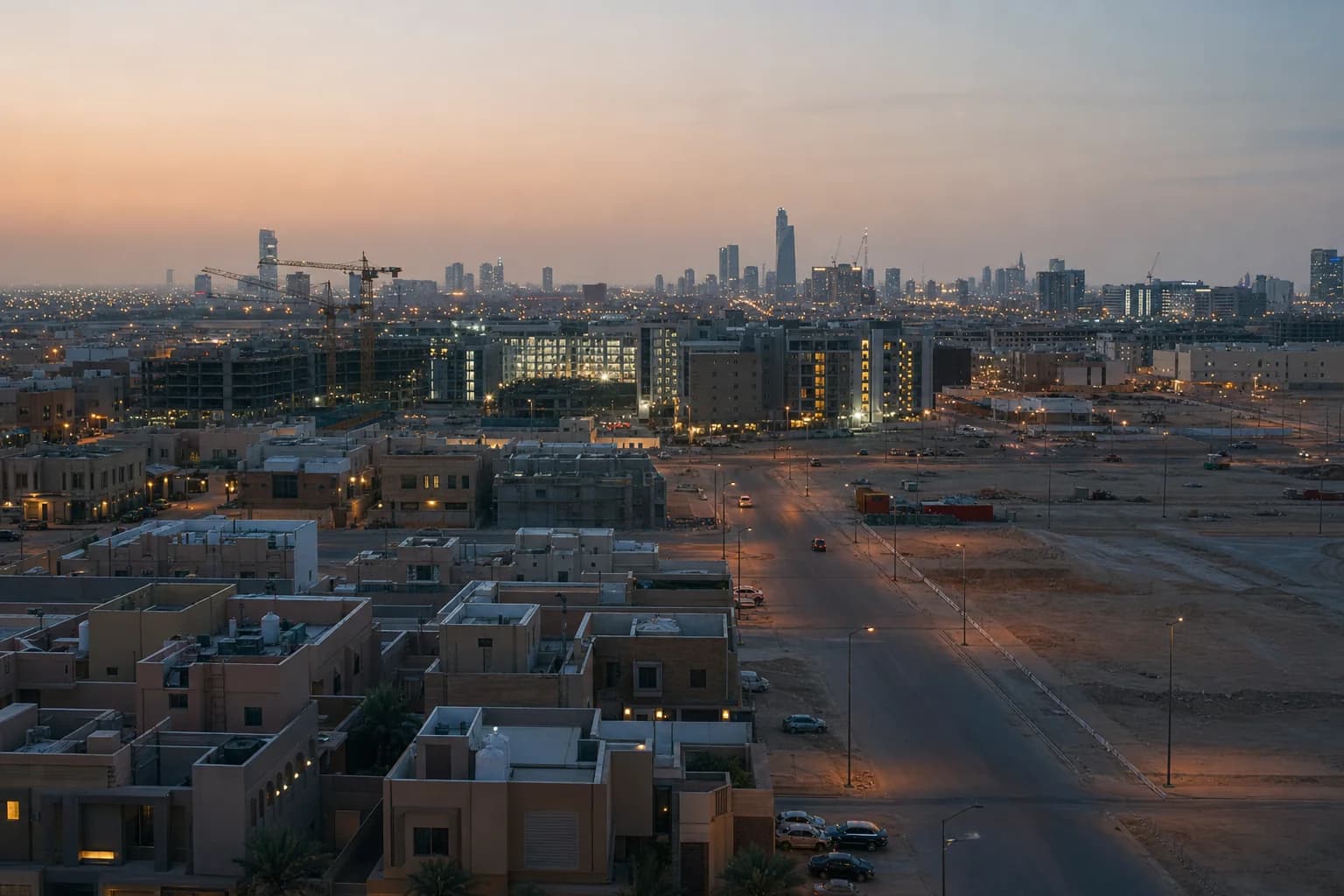
Saudi Arabia’s new ownership framework for non-Saudis took effect on 22 January 2026. It matters, but it did not erase the local cycle beneath it. Knight Frank reported that national residential transaction volumes fell 50% year on year in Q1, while Riyadh volumes fell 82%. New mortgage contracts declined 25% in the first four months. At the same time, Riyadh apartment values were 6.3% higher than a year earlier and villa values 4.9% higher.
Fewer transactions beside firmer prices is not a contradiction. It is what a market looks like when owners resist lower offers and buyers reach an affordability limit. The opening to international ownership can broaden demand over time, but the investable geography, procedures and resale depth still have to be demonstrated in practice.
Riyadh carries the pressure of population and employment growth. Jeddah offers a more established mixed-use and coastal logic. Both require patience: the first international buyer is entering a rule change, not inheriting Dubai’s twenty-year secondary market.
Doha
The absorption market.
Doha · Qatar
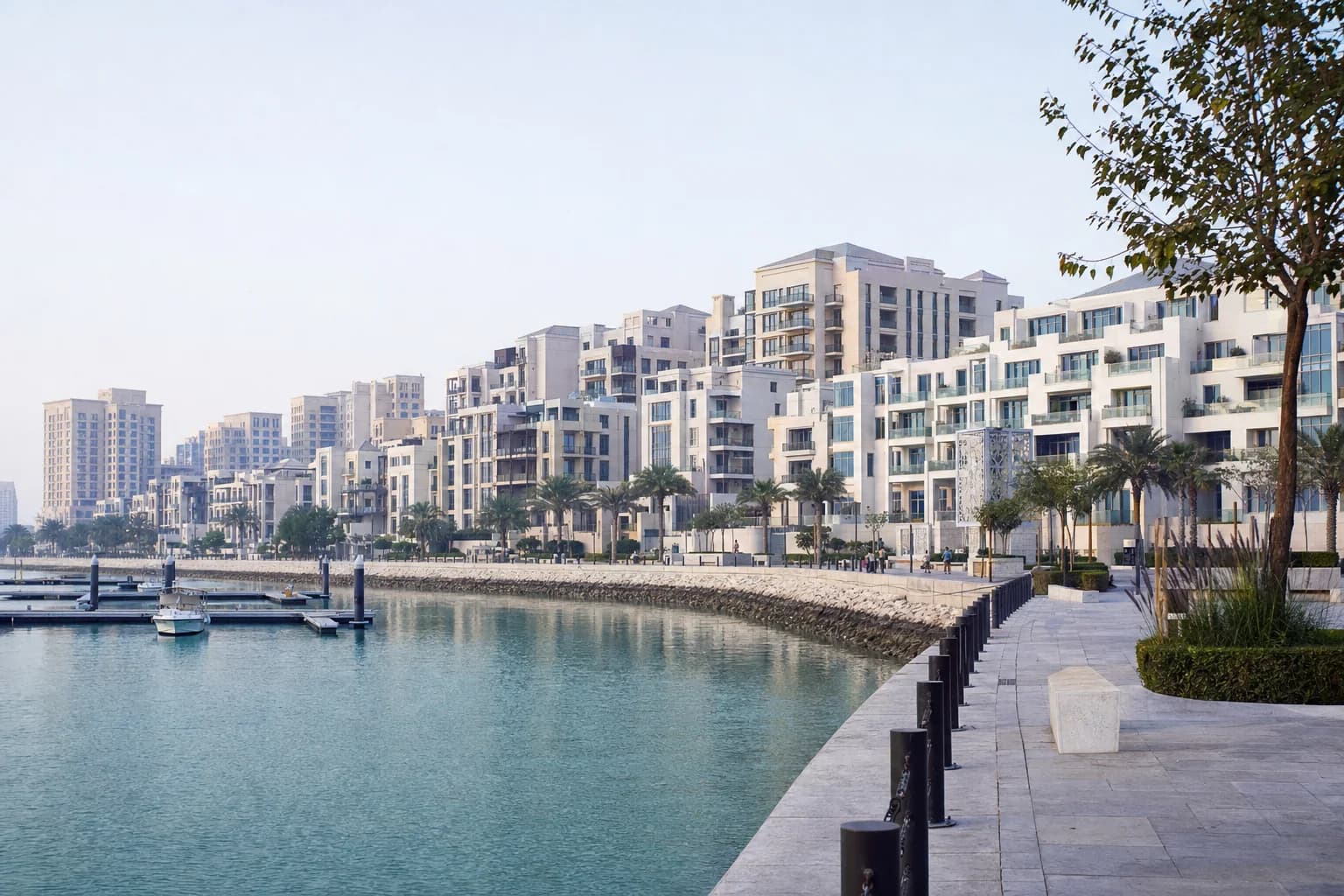
Doha’s cycle is quieter because so much of the visible city is already built. In Q1 2026, Knight Frank counted 1,582 residential transactions worth QAR 6.2 billion. Volumes were 23% lower than the previous quarter but 15% higher than a year earlier. Mortgage values rose 85% year on year even as leasing conditions softened.
This is an absorption story. The World Cup accelerated infrastructure and district-making; the years after it have been about occupancy, rent discovery and turning event-era stock into ordinary neighbourhoods. Qatar’s official framework also makes the residency thresholds legible: QAR 730,000 for a property-linked residence route and QAR 3.65 million for benefits aligned with permanent residency, subject to the stated conditions.
For a buyer, the quality of the building’s operation and the depth of its tenant pool matter more than the novelty of the address. Doha rewards evidence of use.
Muscat
Scarcity by design.
Muscat · Oman
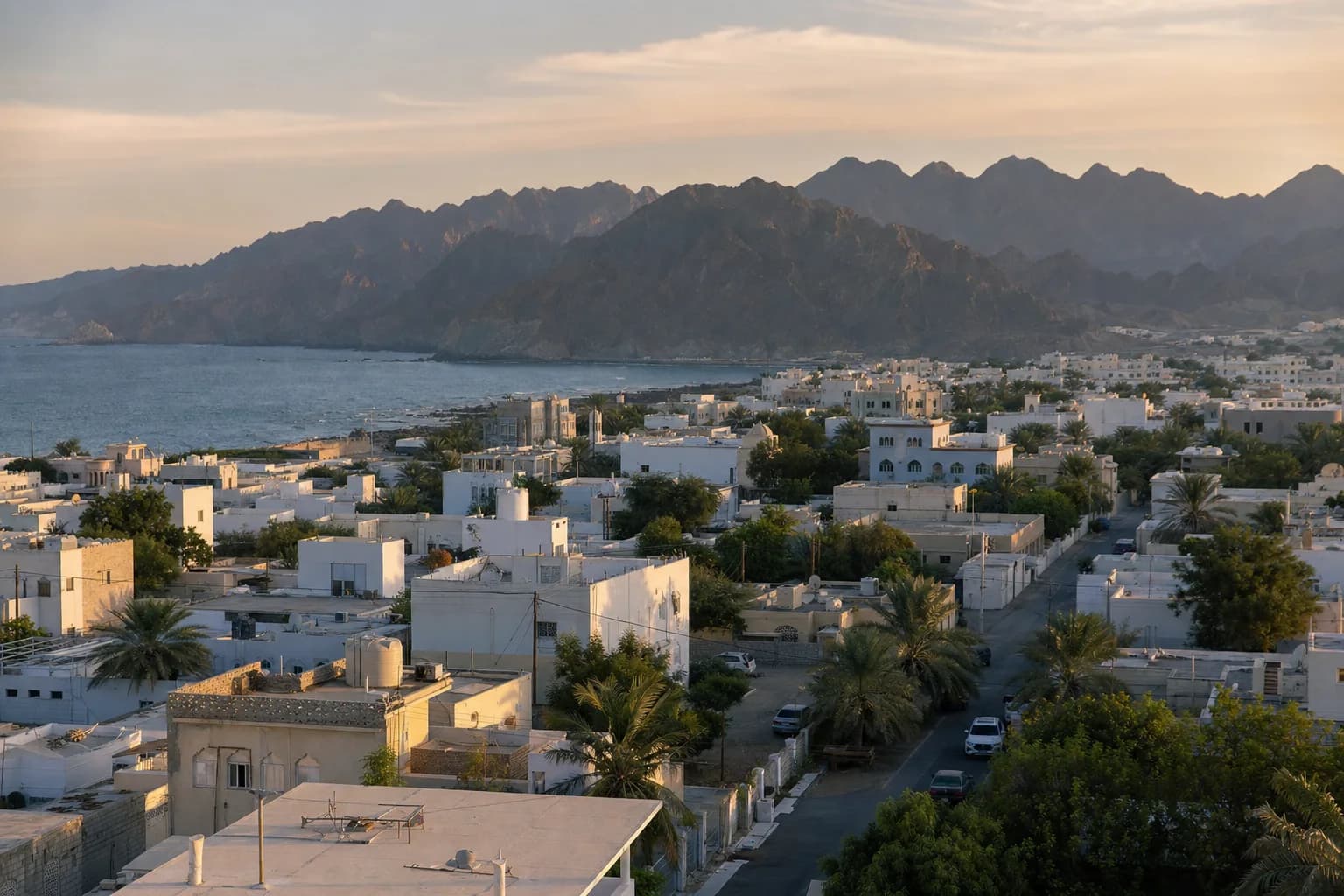
Muscat does not try to match the velocity of its neighbours. Its international ownership market has long been channelled through defined integrated tourism complexes, while the official Golden Residency programme connects qualifying property and investment to longer residence.
The restraint changes the cycle. There is less speculative depth and a smaller resale audience, but supply is also less likely to arrive as one citywide wave. The strongest addresses behave as complete places first: occupied, managed, connected to the coast and useful outside the peak visitor season.
This is a long-hold market where the wrong unit can be illiquid and the right community can be resilient. Its discipline is not speed. It is containment.
The 2026 reading
The Gulf is not one wave moving east to west. It is a set of local negotiations between migration, affordability and the credibility of delivery.
The Omnia Journal · N° 05
The Journal · Free, monthly
Enjoying the issue? Have the next one delivered.
One considered email a month. Unsubscribe in one click.
The four numbers that change the answer.
The first number is the share of ready sales. Off-plan activity is not inherently fragile; it finances growth and gives buyers staged payments. But it is a claim on a future building, a future district and a future resale market. When off-plan dominates, the buyer must underwrite all three. A citywide price index cannot do that work.
The second is the completion rate, measured by the original handover period rather than the revised one. Headline pipelines routinely overstate near-term supply because projects move between years. Delay can support today’s rents while transferring risk to the buyer waiting for keys. The relevant comparison is therefore scheduled completions against delivered and occupied homes, district by district.
The third is transaction depth. A rising average price beside falling volumes can mean scarcity, but it can also mean that sellers and buyers have stopped agreeing. Look for the number of comparable resales, time on market and the discount from asking price. Liquidity is not what a launch team promises to buy back. It is the evidence of unrelated buyers completing on similar homes.
The fourth is the net rent in the quiet quarter. Service charges, furnishing, leasing fees, vacancy, maintenance and payment collection all sit between a quoted gross yield and the cash an owner keeps. A residence that works only during an event or the coolest twelve weeks is hospitality exposure wearing a residential title.
Completion is not the moment a façade is photographed. It is the point at which utilities work, defects are closed, the owners’ association has a budget, tenants renew and another buyer can finance a resale. The Gulf’s next residential cycle will be decided inside buildings as much as on skylines.
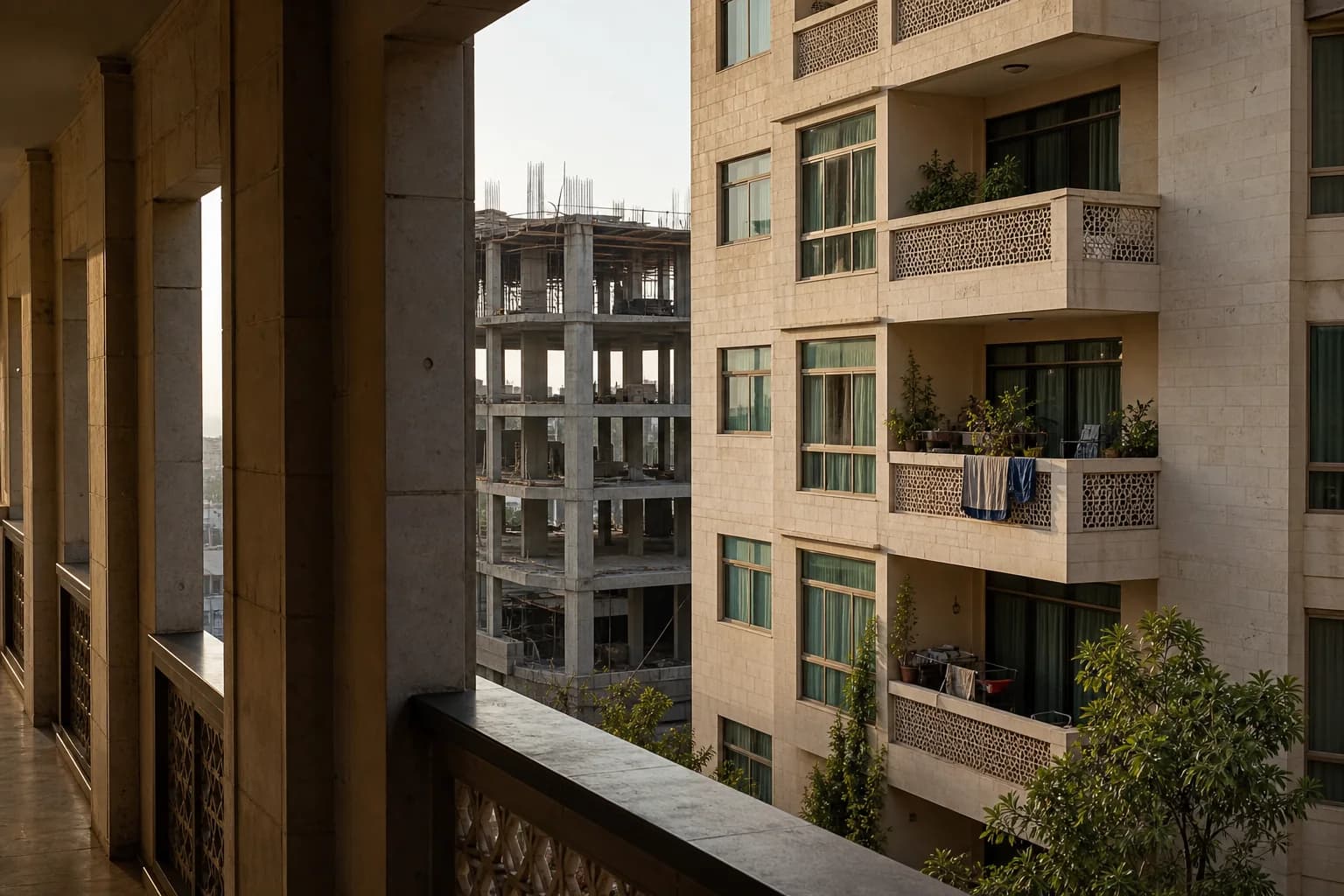
What a later-cycle buyer does differently.
The early-cycle buyer can be right about the city and imprecise about the building. Rising liquidity covers mistakes. The later-cycle buyer has no such allowance. They must be right about the micro-market, the developer’s balance sheet and delivery record, the operator, the service budget and the likely next buyer.
That does not make 2026 a year to retreat. It makes it a year to become specific. Dubai offers depth, but asks buyers to distinguish scarcity from marketing. Abu Dhabi offers momentum, but asks where new stock is clustering. Saudi Arabia offers a genuine opening, but asks for a longer view of regulation and resale. Doha offers completed districts, but asks for proof of occupancy. Muscat offers restraint, but asks for patience.
Across all five, the durable purchase starts with the same exercise: imagine the launch pavilion gone. Stand in the building three years after handover, in the slowest month, and ask who still wants to live there, who can buy it from you, and what part of the original case remains true without the presentation.
Six questions for the next address.
Field notesWhat has actually completed nearby?
Map delivered and occupied homes, not only announced units. Supply risk is local before it becomes citywide.
Who is the resident?
Name the household, employer base and length of stay that support demand after the first investors have bought.
How deep is the ready-home market?
Comparable resales and mortgageable completed stock reveal the exit market more clearly than reservation volumes.
What survives the net-yield bridge?
Deduct service charges, vacancy, furnishing, maintenance and leasing costs from the quoted rent.
What changes if handover slips a year?
Test financing, planned use and opportunity cost against a realistic delay, not only the contractual date.
Why will the next buyer choose this home?
A view, plot, plan or operating standard should remain scarce after the wider district has matured.