At Omnia, we are receiving more international enquiries about Oman, and clients are coming to us with a better understanding of the market. Alongside the faster pace of project announcements, that is the change I find commercially significant. More of the work of introducing Oman is happening before the first conversation with us.
My expectation is that the next three to five years will bring a substantial increase in international developer activity. With it will come overseas brokers, established customer databases and larger sales operations. That changes the size of the audience an Omani development can reach, and ultimately the scale of project a developer can consider bringing forward.
Four years ago, the internationally marketed end of the market was easier to map. Orascom was already established through Muriya, the OMRAN partnership behind Jebel Sifah and Hawana Salalah, and Majid Al Futtaim through Al Mouj Muscat. Dar Global announced AIDA in March 2022, the same month that OMRAN and Diamond Developers launched The Sustainable City at Yiti. Oman had credible international operators, but the range of businesses building a presence was narrower than the one taking shape today.
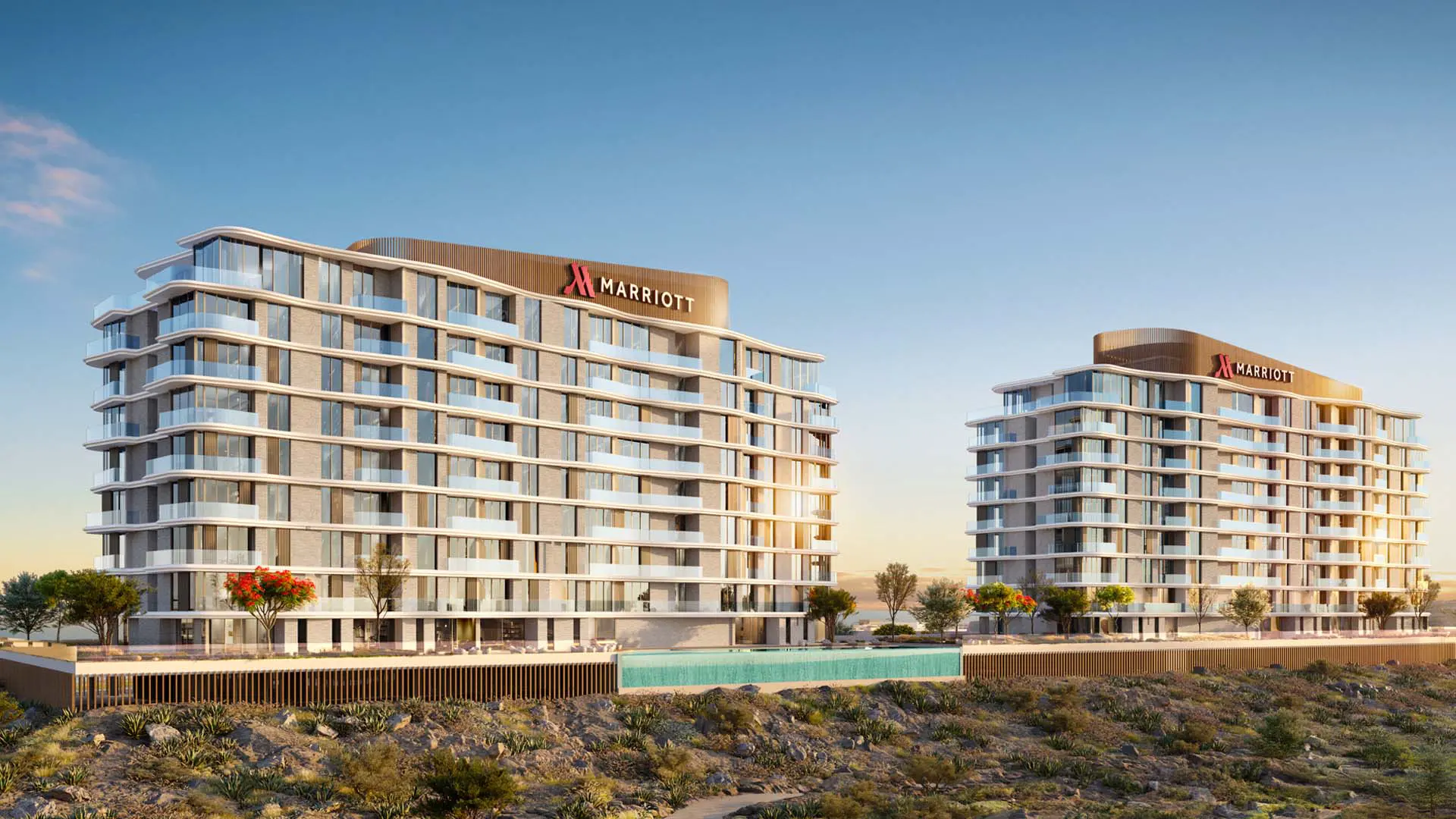
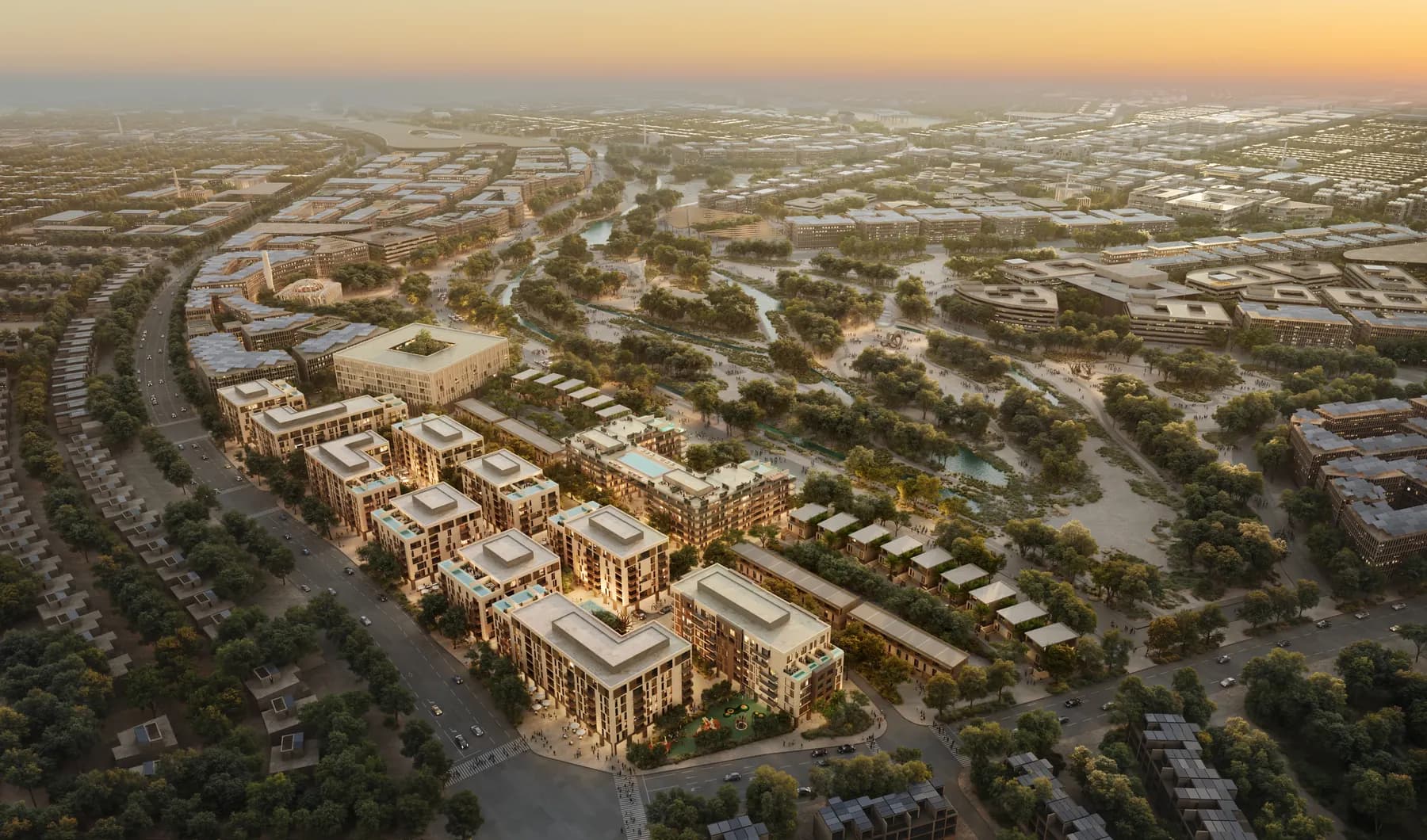
We can see that broadening in Omnia’s own portfolio. AIDA by Dar Global sits alongside Wadi Zaha by Egypt’s Al Ahly Sabbour in Sultan Haitham City and The Plaza at The Sustainable City Yiti. These developments address different uses and audiences. A coastal second home, a residence within a new urban district and a home in a sustainability-led community give us different reasons to introduce Oman to a client. A broader product mix gives a sales business more opportunities to find a relevant match.
Oman Observer reported in May 2026 that Al Ahly Sabbour was releasing Wadi Zaha’s final residential building alongside its first retail units. That extends the commercial offer beyond housing, adding services and retail to the community the developer is bringing to market.
Oman is gaining access to established buyer networks
Dubai’s success is relevant because of the commercial infrastructure it has built around international property sales. Developers and brokers have learned how to acquire customers across borders, manage overseas campaigns and support a purchase remotely. I expect more of those businesses to add Oman to their offering. They already have an audience to approach when a suitable Omani project becomes available.
Dar Global illustrates the scale involved. Its 2025 results describe a worldwide network of more than 150 sales professionals, nine sales offices and over 1,300 active brokers in more than 60 countries. Those figures cover the whole group. An Omani project entering that network gains access to an established distribution operation, with relationships that would take a new market entrant years to assemble.
This can change customer acquisition economics. An existing client relationship gives a developer a starting point for the conversation, while a broker who understands the destination can qualify interest more effectively. International marketing remains expensive, but a company with repeat buyers and productive agency relationships has more ways to generate sales than one dependent on paid advertising for every enquiry.
Mira Developments shows this process happening in Oman. In August 2025, the Dubai-based developer brought more than 100 property professionals to Salalah, including brokers, architects and lifestyle brand representatives. In August 2026 it launched Mira Ocean Estates at Hawana Salalah with members of its international partner network. MEED covered the Salalah development in August 2026. Bringing the sales channel into the destination is part of the market-entry investment. Those agents return with a project to sell and a reason to discuss Oman with their clients.
The effect can extend beyond the developer paying for the campaign. A buyer introduced to Salalah through one launch may compare several communities, visit the country and consider another location. As more businesses spend money introducing Oman to their audiences, familiarity with the country should spread. That is one reason I think the increase in informed enquiries we see at Omnia has commercial significance beyond our own pipeline.
Pre-sales and partnerships change the economics of entry
The expansion from Egypt is particularly interesting because it brings experience in financing and selling large residential communities. Talaat Moustafa Group’s FY2025 earnings release records EGP 2.1 billion in combined contracted sales for Jood and Yamal in Oman within a month of their December 2025 launch. The group says it is extending the self-financing off-plan sales model it uses in Egypt into its regional developments.
That is a useful indication of initial sales traction. Contracted sales are commitments, with cash arriving according to payment schedules. The developer still has to collect that cash and deliver within its construction budget. Nevertheless, an operator able to secure pre-sales from an established audience has a different basis for planning phased development and committing equity than one still trying to establish demand.
For an Omani landowner or master developer, the attraction of an international partner is therefore quite practical. Land and local delivery capability can be combined with an outside operator’s development expertise, brand relationships and access to buyers. I expect partnerships of this kind to become a more common route into Oman because each side can contribute something the other would take time and capital to build.
The quality of the distribution matters as much as its size. A long agent list has limited value unless those agents produce completed sales. For a developer assessing entry, I would want to understand which markets are generating qualified buyers, the cost of each sale, how quickly a release is being absorbed and whether instalment collections are keeping pace. Those measures will determine whether international interest supports a viable development programme.
The commercial opportunity over the next five years
I expect a larger international development pipeline between now and 2031, accompanied by more broker appointments and dedicated Oman sales campaigns. That should bring more buyers into the market. It will also increase competition between projects for their attention. Developers will need a clearer view of their intended customer, pricing and release strategy as the choice expands.
There is a distinction between this expansion in international reach and the growth of the national market. Savills reported OMR 1.43 billion in Oman property transactions in the first half of 2026, up 5.4% year on year. That measures total transaction value, rather than overseas residential purchases. My forecast concerns the growing capacity to bring international buyers into Oman, supported by developer activity and the enquiries we are seeing. It is not a forecast that every location or project will grow at the same rate.
For Omnia, this makes project selection more commercially important. We have an interest in the success of the developments we present, and more launches will give us more to assess. The work is to judge which product suits which buyer, how the delivery programme supports the sales proposition and whether the arrangements after handover make ownership practical. Expanding the range only helps if we can explain those differences convincingly.
Oman’s character is central to that judgement. Its international appeal is growing while it continues to offer a slower pace and a more traditional Arabian experience. I see that as a source of differentiation with commercial value. A developer needs to understand what people are choosing Oman for before deciding on density, amenities, hospitality partners or the cost of running the community. Those decisions shape both the initial sale and the owner’s willingness to stay, return or recommend it.
My view is that the strongest entrants will combine international standards of sales and delivery with a product that makes sense in Oman. Dubai has shown how effectively a Gulf destination can reach a global audience. Oman can benefit from the businesses and relationships created through that success while giving buyers a different reason to purchase. Over the next three to five years, I expect that combination to attract more developers, widen the buyer base and make Oman a regular part of international property distribution.
Advisory
Talk it through, privately.
An Omnia advisor on availability, structuring and timing across these markets.
 Your Omnia desk
 AvailableSultan Haitham CityWadi ZahaStarting fromOMR 43,050TypeResidencesExplore residence