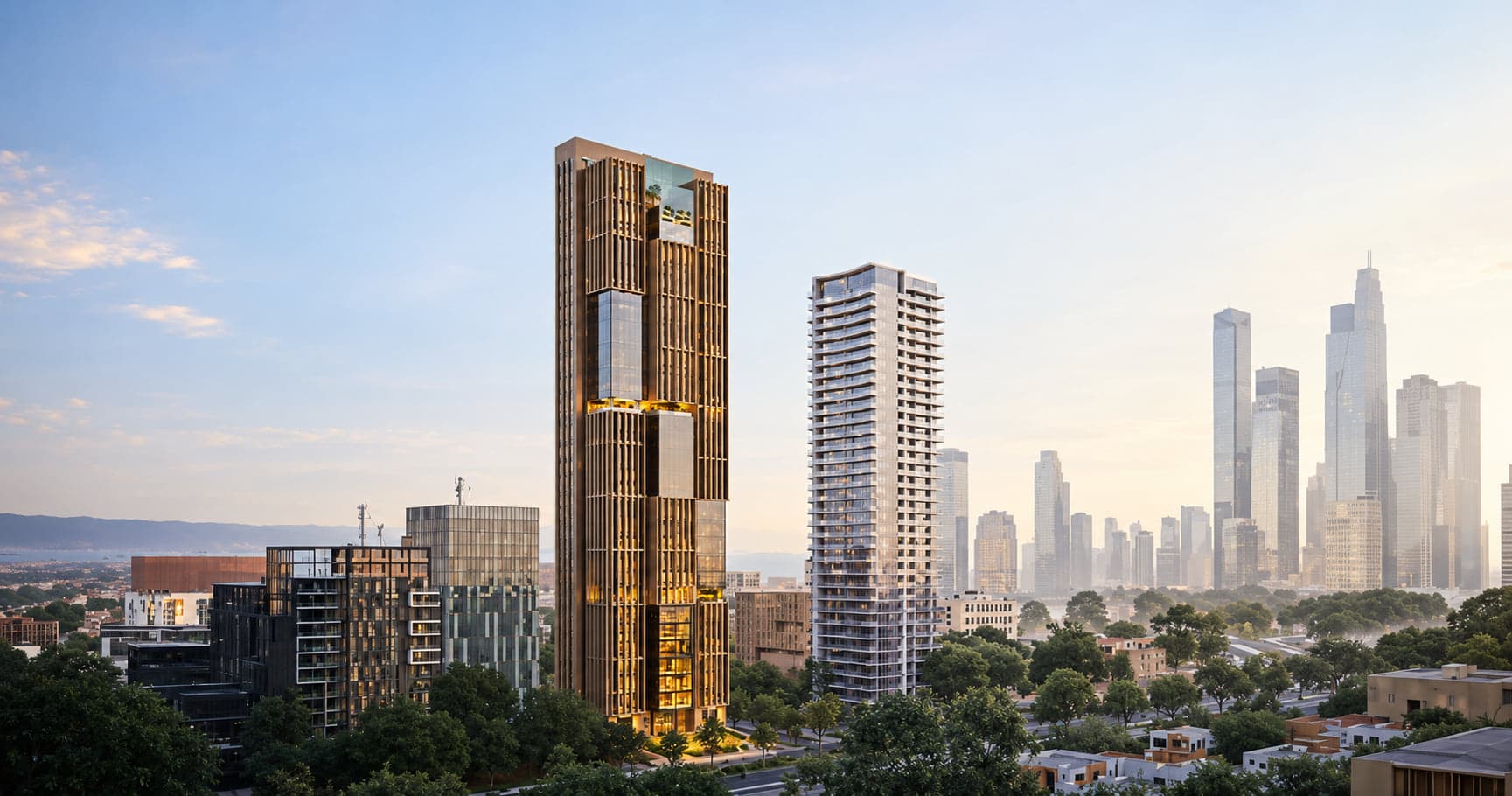
Developers
Developers we work with.
A branded address tells you little about who carries delivery risk. This directory names the layers behind every project: the developer liable for completion, any joint-venture partner, the operator who runs it, and the brand whose name is licensed to it.
01 / 14
Qatar · Oman · Saudi Arabia · United Arab Emirates
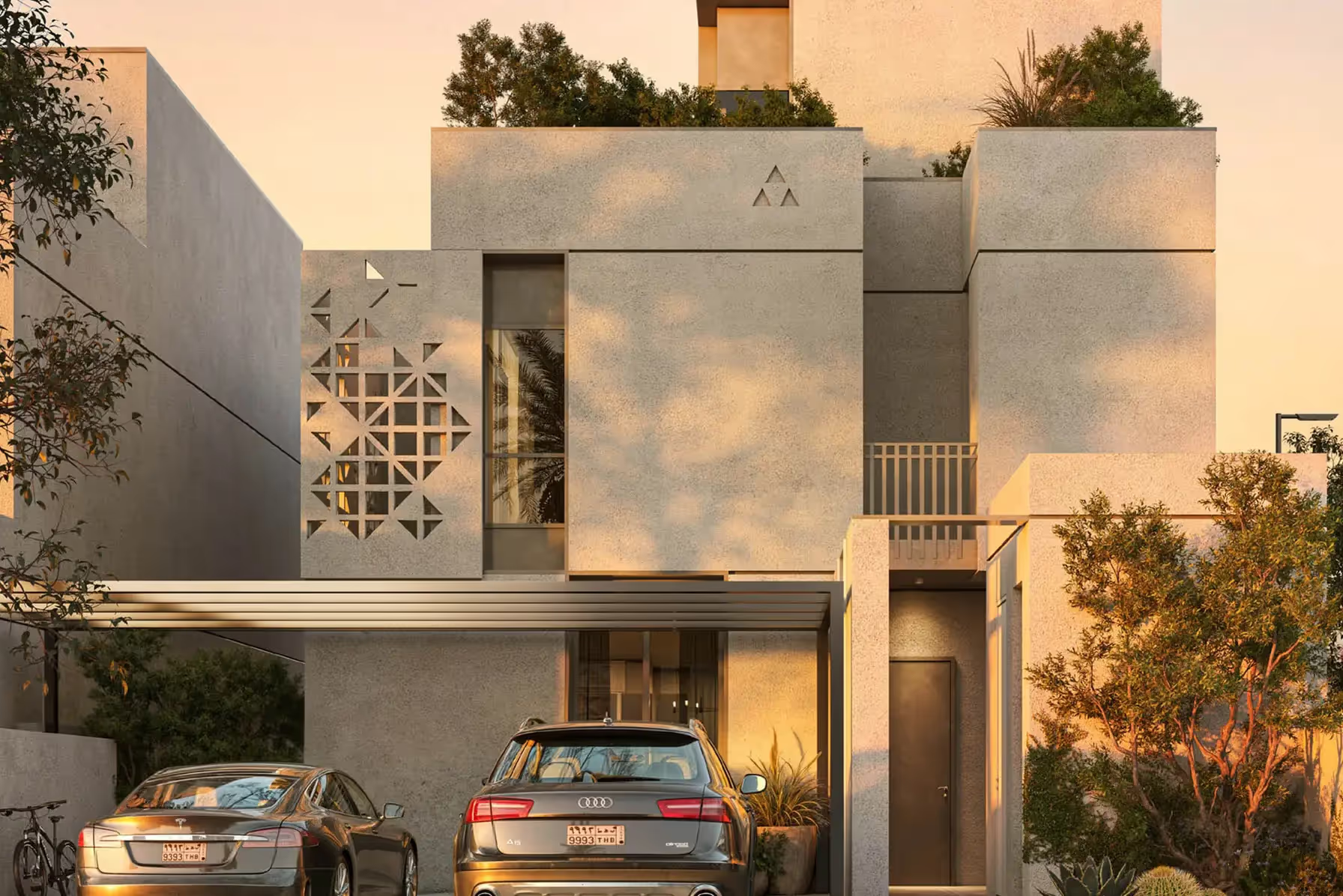
Dar Global
27 developments
02 / 14
Saudi Arabia
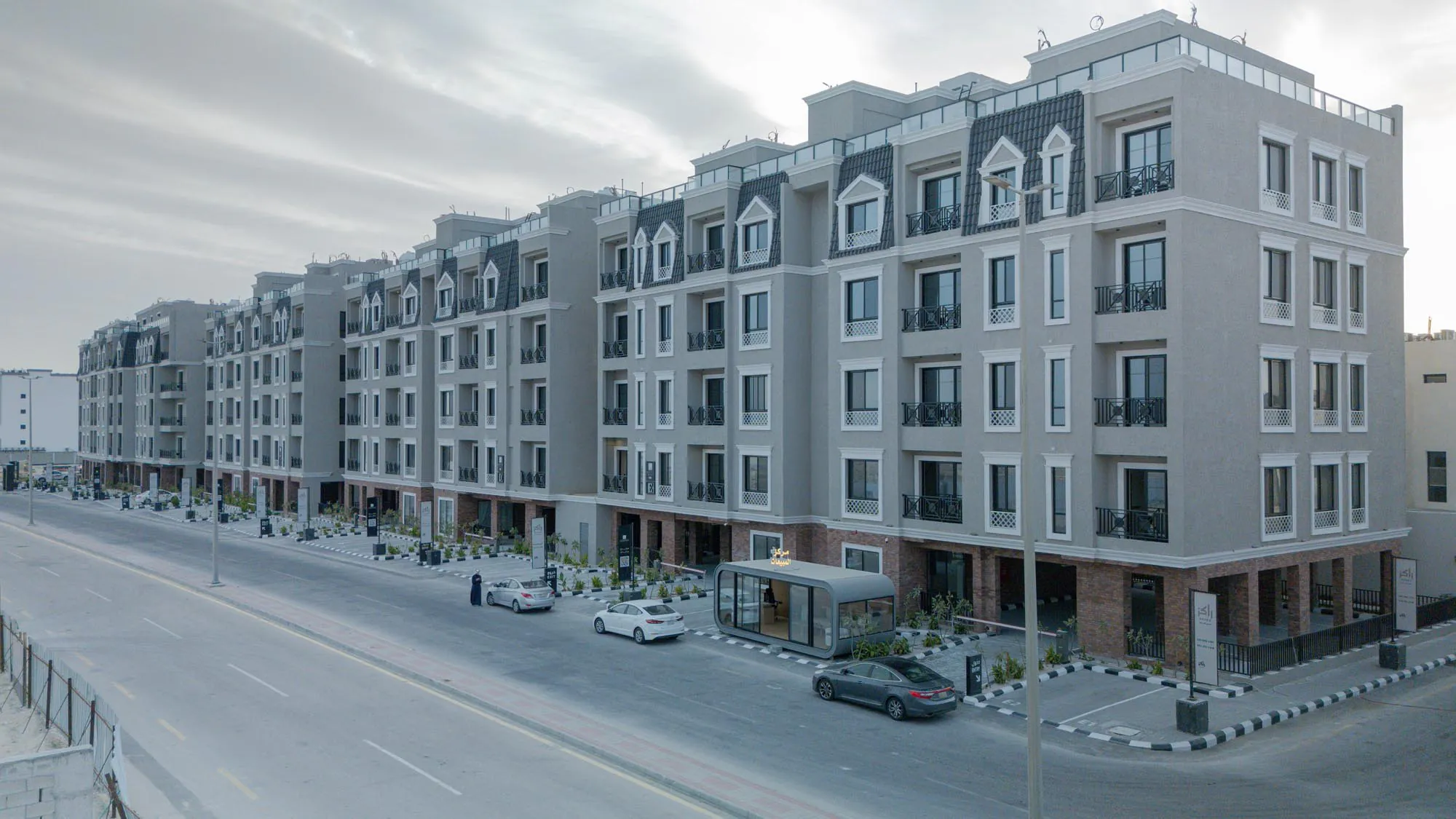
Al Majdiah
18 developments
03 / 14
Saudi Arabia
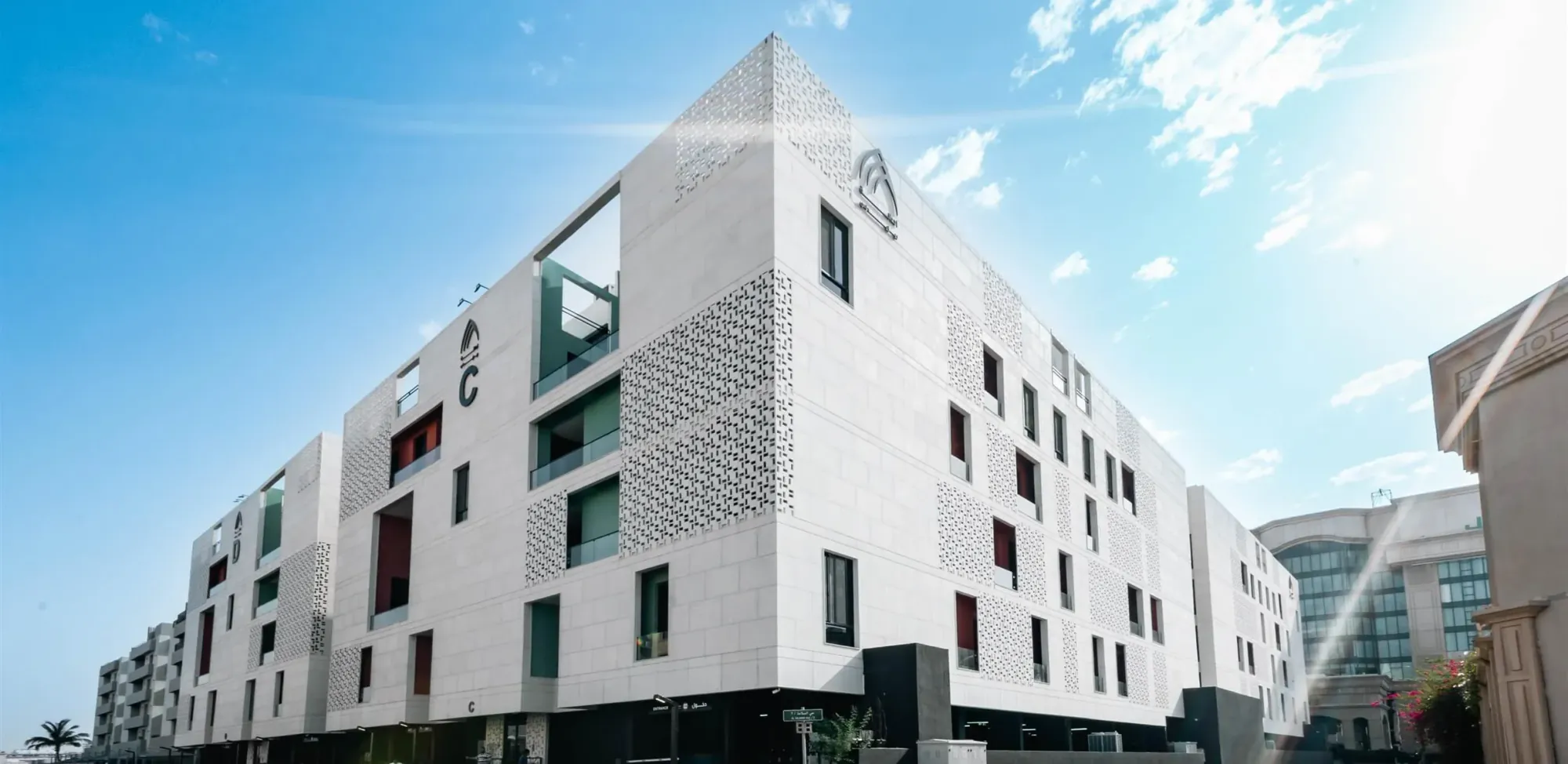
Mohammed Al Habib
10 developments

04 / 14
United Arab Emirates
Binghatti
8 developments
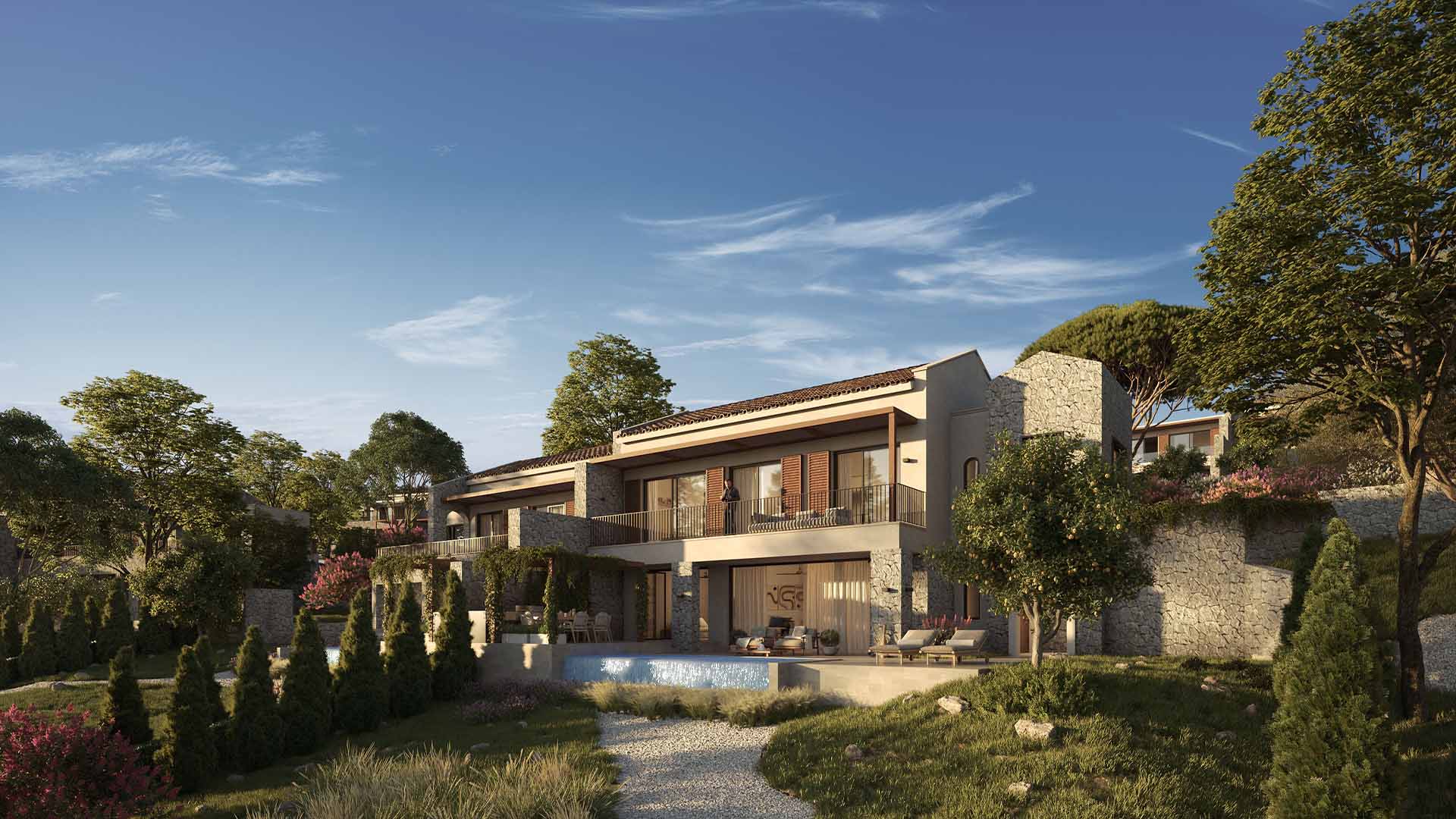
05 / 14
Montenegro
Orascom Development Holding
5 developments
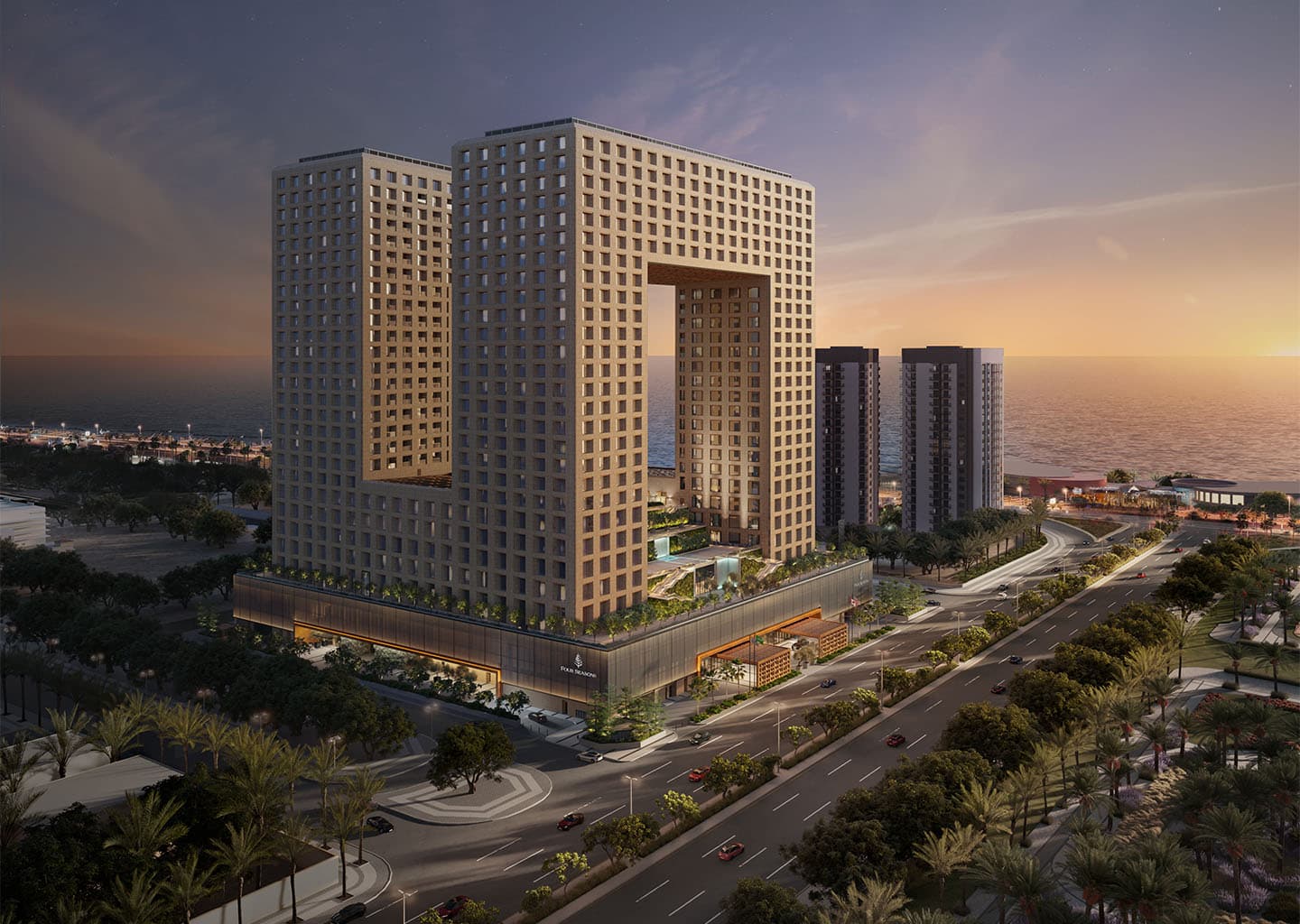
06 / 14
Saudi Arabia
Midad Real Estate
4 developments
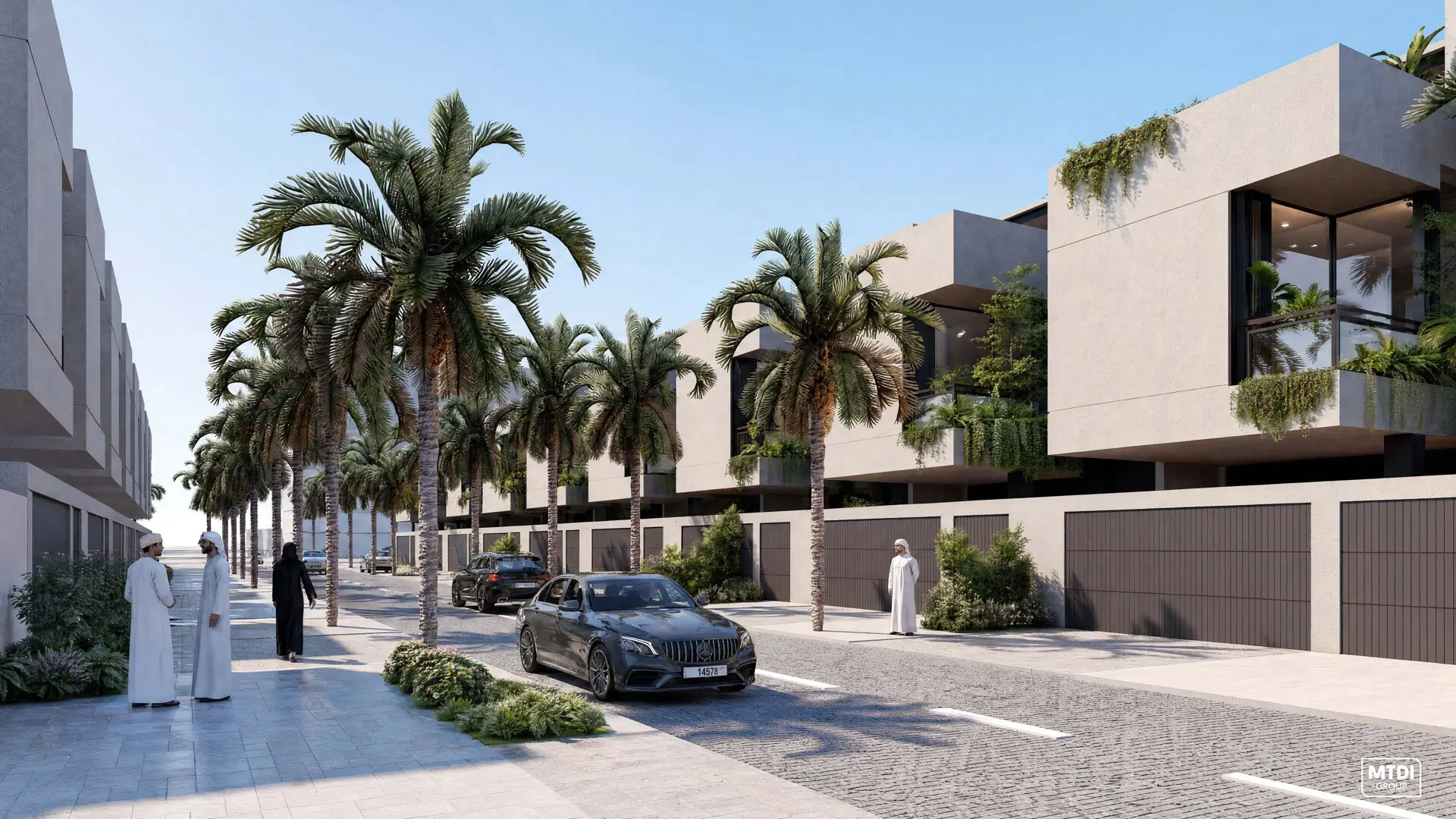
07 / 14
Oman
Adanté Realty
3 developments
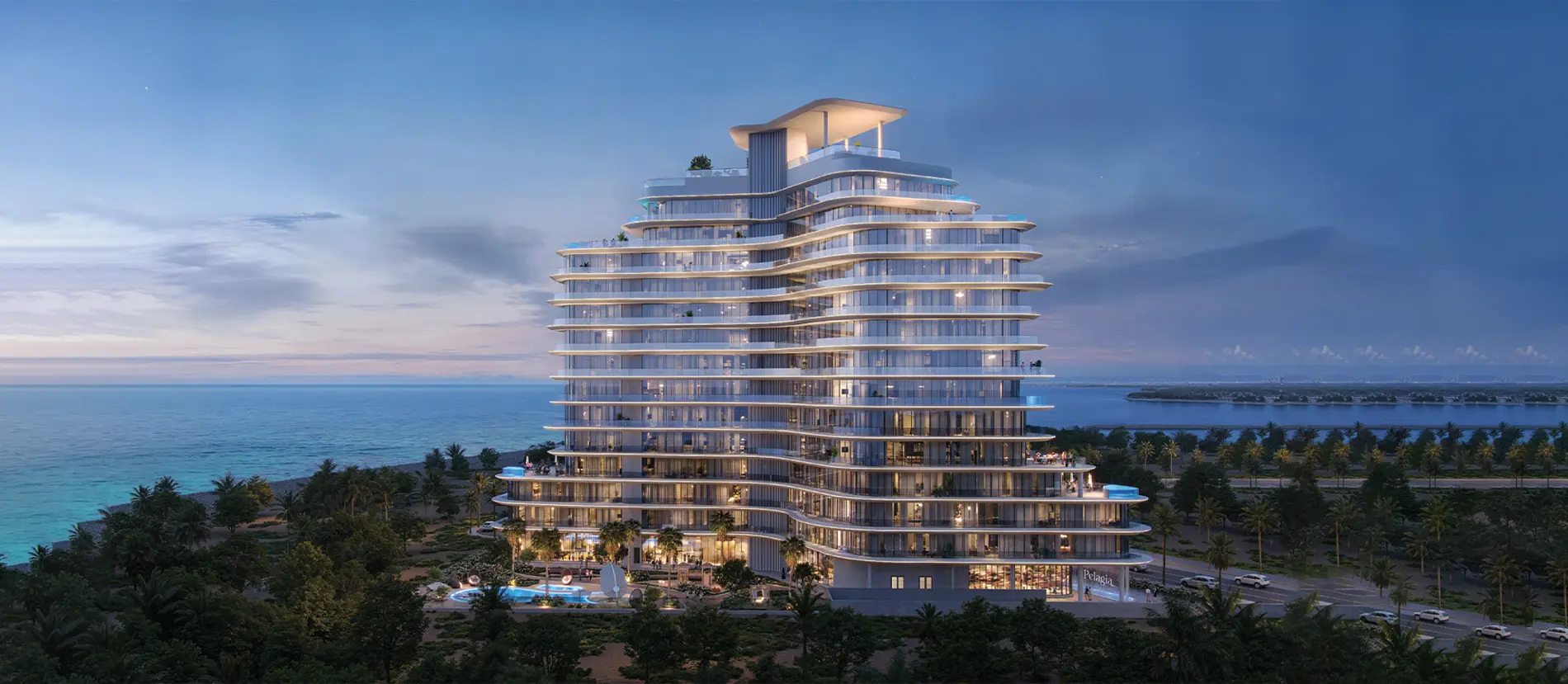
08 / 14
United Arab Emirates
BNW Developments
3 developments

09 / 14
Montenegro
Kolašin Valleys
3 developments
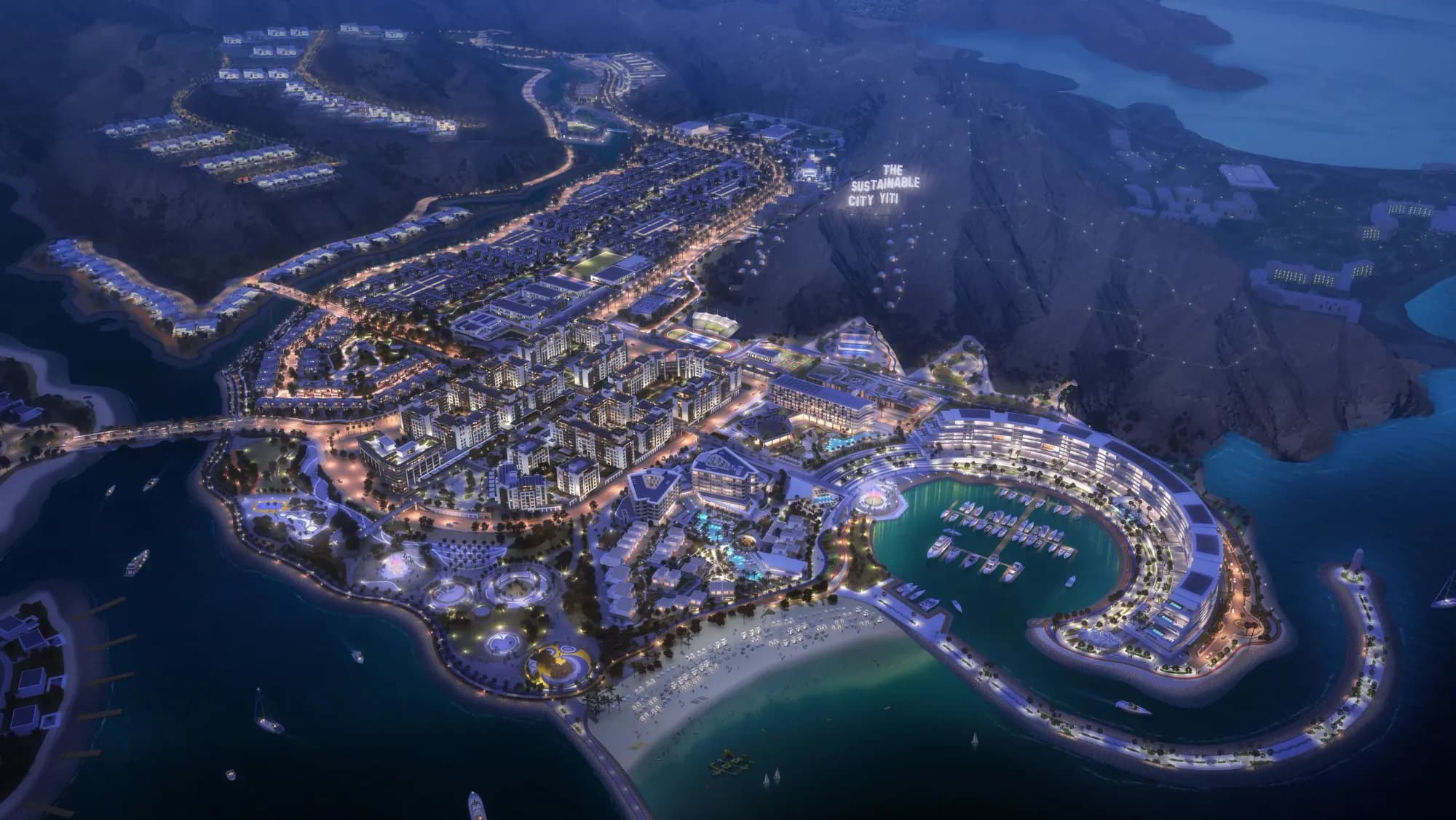
10 / 14
Oman
The Sustainable City - Yiti
3 developments
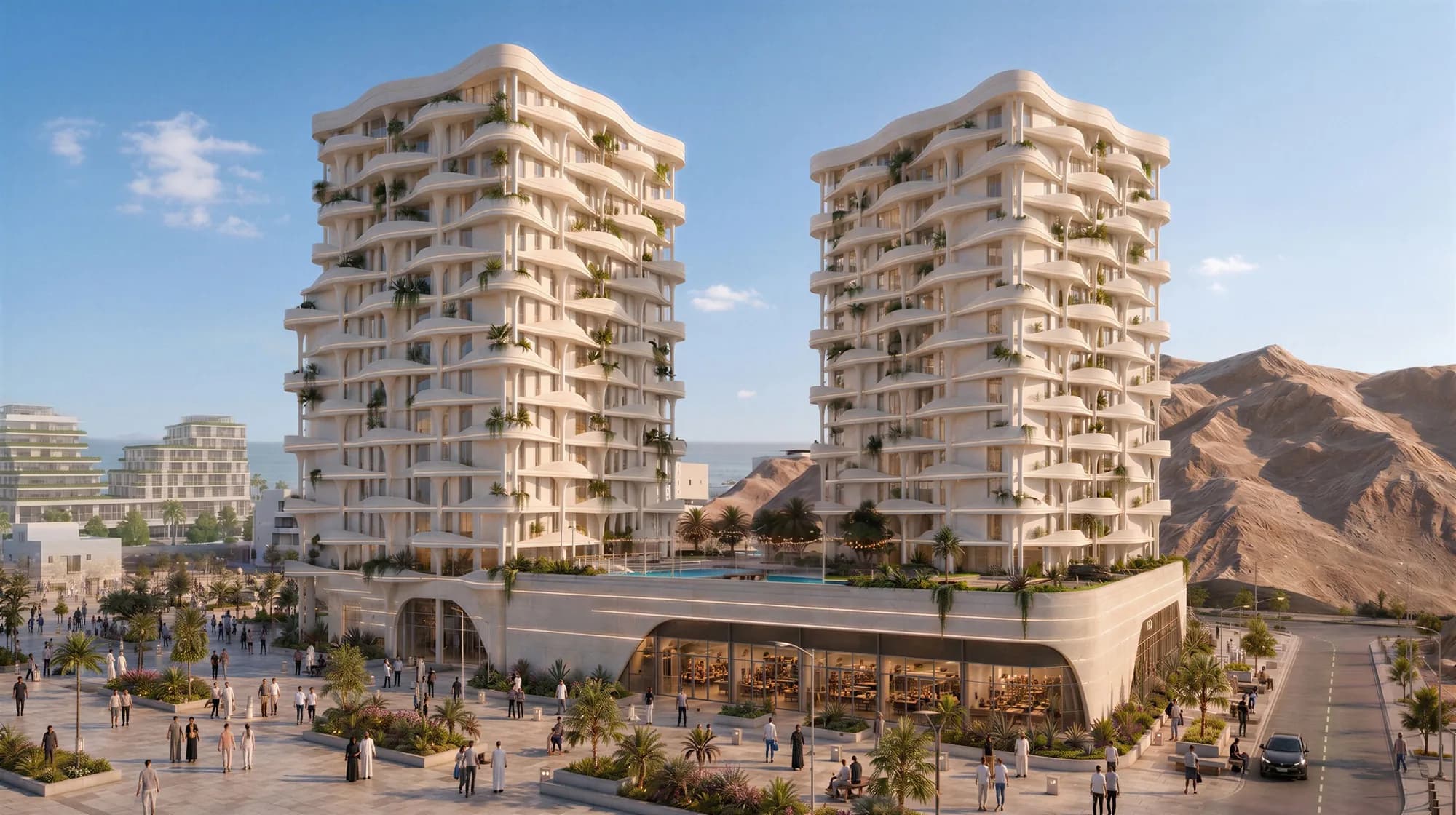
11 / 14
Oman
VA Group
3 developments
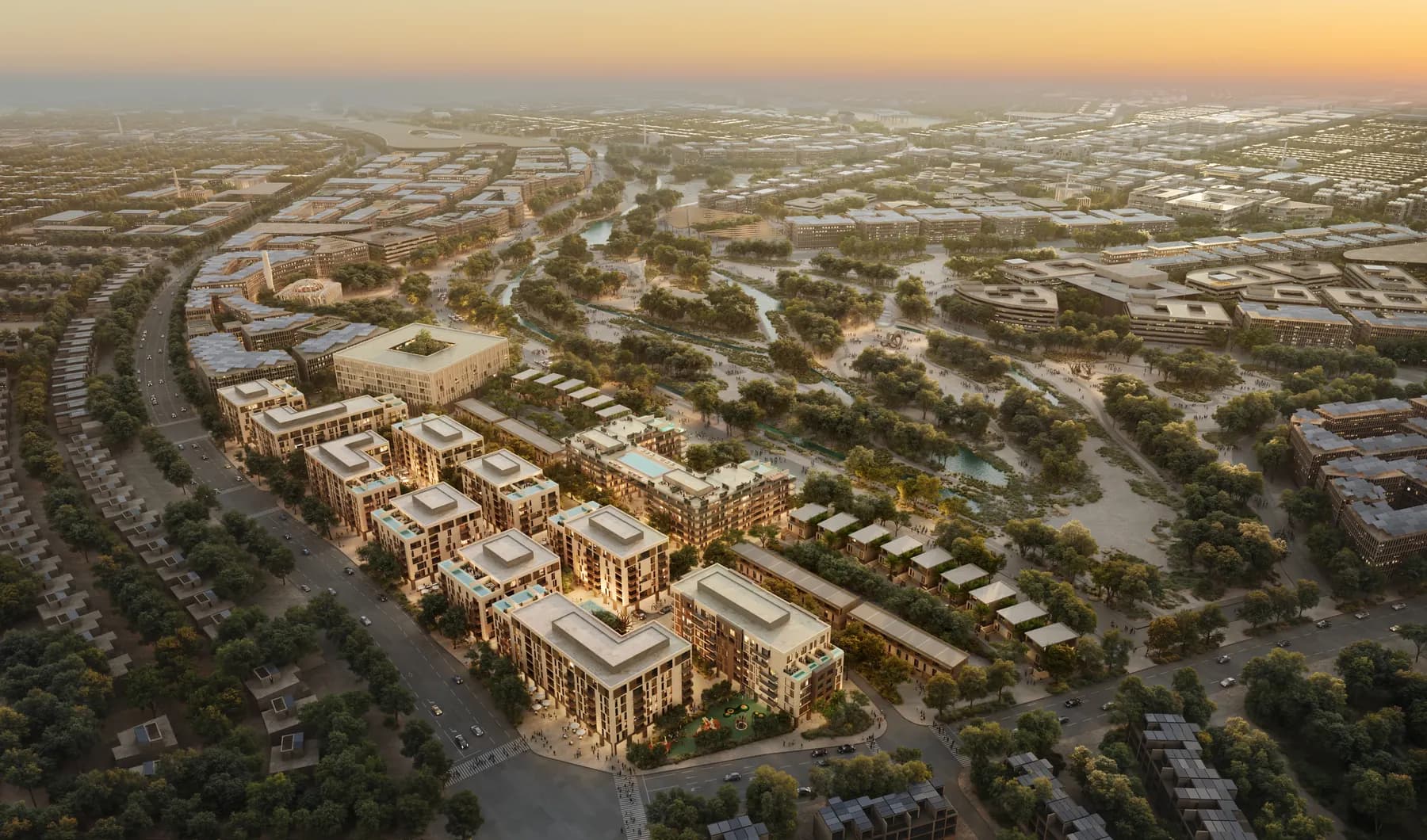
12 / 14
Oman
Al Ahly Sabbour
1 development
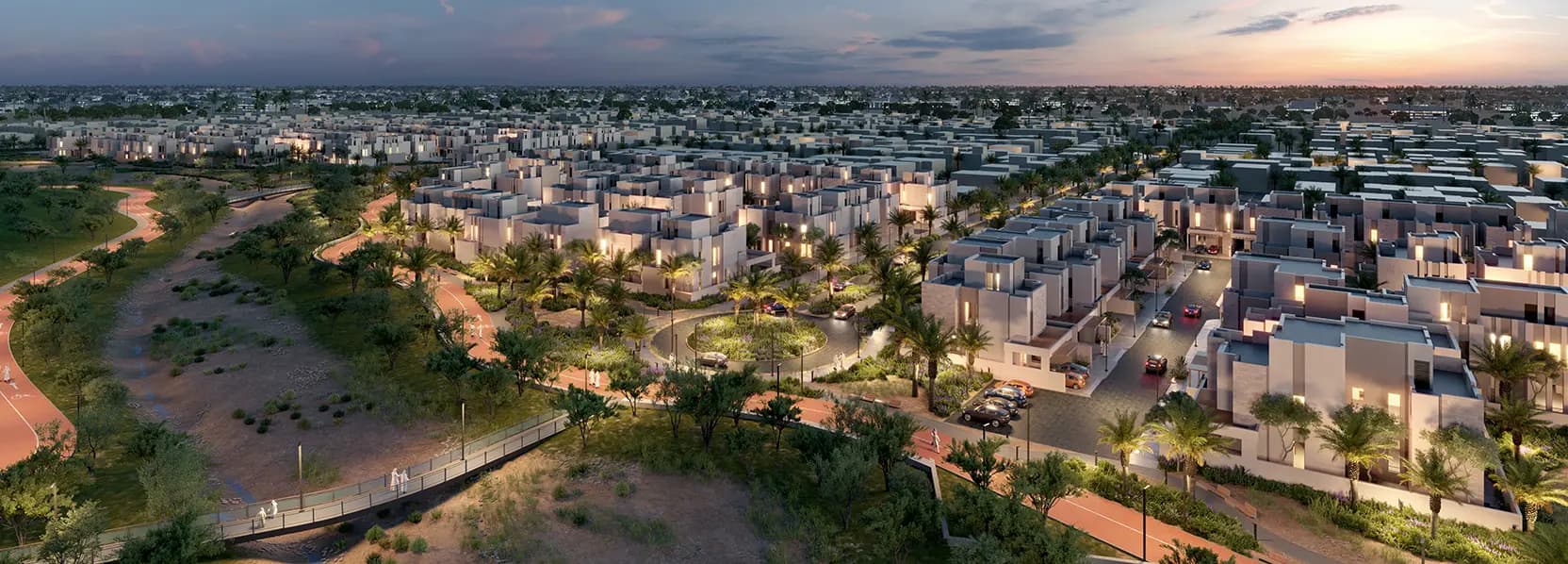
13 / 14
Saudi Arabia
Dar Al Arkan
1 development
14 / 14
Oman
Sarooj Development
1 development
The brand stack
Who actually builds it.
Four roles hide inside one project name, and only one is liable if construction stalls. Learn them, and a glossy launch becomes a set of separable facts you can weigh.
- Developer
The company that holds the development rights, commits the capital, and is legally responsible for delivering the buildings and handing over title. The developer is the counterparty on your purchase contract, so its balance sheet and record stand behind your deposit.
Why it mattersThis is the entity that carries completion risk and whom you would pursue if a project stalls. A famous operator or brand on the door does not change who is contractually liable to build and convey. Identify the developer first.
- Master developer
The entity that develops the wider district: land, primary infrastructure, roads, utilities and phasing, within which individual plots are built. It is often a government or quasi-government body. ETOILE sits inside SEDRA, master-developed by ROSHN; AIDA sits within an Oman tourism masterplan with OMRAN as the state partner.
Why it mattersThe master developer governs timing, density and the infrastructure your home depends on. A strong plot developer can still be held back by slow district delivery around it, so it is a separate question from who builds your building.
- Joint venture partner
A second party that shares the equity, risk and governance of a project alongside the lead developer, usually through a project company with defined ownership splits. At AIDA, Dar Global develops in partnership with OMRAN, Oman’s state tourism developer.
Why it mattersA joint venture changes who controls decisions and who absorbs a shortfall. A government co-developer can add land access and durability; a thin or undisclosed partner can add dispute risk. Ask who holds the majority and who funds overruns.
- Operator
The hospitality company that runs the building after completion: staffing, service standards, maintenance and rentals. It signs a management agreement with the developer and the owners, and it does not build the asset or hold title. At Four Seasons Jeddah, Four Seasons operates while Midad develops.
Why it mattersThe operator drives running costs, service charges and resale appeal long after handover, and the agreement can change. Always separate who operates from who merely lends a name.
- Brand partner
A fashion house, hotel marque or personality that licenses its name and design codes to a project for a fee, without owning, building or operating it. Trump and Elie Saab are brand licensors in the portfolio; the developer behind the name carries the delivery.
Why it mattersA brand commands a price premium but transfers no construction or financial responsibility, and the licence may be shorter than the building’s life. Price the name for what it is: marketing, not a guarantee of delivery.
- Architect and design studio
The firms that design the masterplan, buildings and interiors and set the drawings the developer builds to. They shape quality and longevity, but they are consultants engaged by the developer and carry no ownership or sales liability to you.
Why it mattersDesign pedigree signals intent and resale character, yet a renowned studio cannot compensate for a weak developer, and concept-only roles are sometimes overstated. Treat the design name as a quality signal to verify.
Diligence
How we assess a developer.
We judge the entity that is contractually bound to hand you keys, not the name above the door. Where a figure is unverified, we flag it rather than repeat it.
Separate the roles before reading anything else.
Every project layers a developer, sometimes a joint-venture partner, an operator and a brand licensor, and each carries different risk. We name each party on the record first, because a strong operator or a famous licensor does not de-risk a weak developer. Construction risk sits with whoever holds the build contract.
Read the documented delivery record.
We ask for completed projects, the dates handover was promised, and the dates it actually happened. We weight recent completions in the same market and asset class, and we look for the pattern that costs buyers most: schemes marketed, sold off-plan, then stalled or quietly rescoped. Where a developer is new to a tier, we say so plainly.
Test balance-sheet strength and disclosure.
Off-plan capital is exposed to the developer across the build period. A listed developer files audited accounts and discloses debt, cash and pipeline on a schedule. Dar Global is listed in London; Dar Al Arkan and Al Majdiah in Riyadh. Where a developer is private, as Midad is, we lean harder on escrow, the operator’s standing and partner verification. We do not assert a figure we cannot source.
Confirm escrow, staged payments and the handover contract.
This is the protection that survives even if delivery slips. We confirm the project sits under a regulated escrow regime, that payments release against verified construction milestones rather than on signing, and that funds are ring-fenced. We read the sale agreement for what binds: the handover date, the specification, the penalty for late delivery and the buyer’s remedy if the build stalls.
Verify on the ground and through independent partners.
Documents establish what should be true. Verification establishes what is. We confirm approvals are in place, that the plot is held on terms that support the build, and that work on site matches the marketed stage, using independent local partners and registry checks rather than the developer’s own agents. What we cannot confirm, we report as unconfirmed and let the buyer decide with the gap in full view.
Questions
Questions buyers ask.
On a branded project, who actually carries the delivery risk?
The developer does, not the brand on the door. The developer owns the land, signs the main contractor, funds the build and is the party named in your sale agreement. If a project slips, that is the developer’s obligation to resolve, and it is the developer’s balance sheet and record you are relying on. The hotel operator and the brand licensor carry reputation, not construction. Across the current Omnia portfolio the developers include Dar Global, Dar Al Arkan, Midad and Al Majdiah, with state and joint-venture partners on specific schemes.
What is the difference between the developer and the brand on the building, like Trump or Four Seasons?
They are separate companies doing separate jobs, and conflating them is the most common mistake buyers make. At AIDA in Oman, the Trump name covers the golf course, hotel and certain villas, but Dar Global and OMRAN develop the scheme. At Trump Tower and Trump Plaza in Jeddah and at Rayana in Wadi Safar, Dar Global is the developer and the Trump Organization licenses its name. Four Seasons Jeddah is developed by Midad, with Four Seasons as the operator that runs the building. The brand sets the standard of finish. The developer carries the project.
Does a London or LSE listing actually matter?
It matters for transparency, not as a guarantee. Dar Global, the developer behind AIDA, the Jeddah Trump residences and Rayana, is listed on the London Stock Exchange Main Market under the ticker DAR. A listing means audited accounts, continuous disclosure and a regulated reporting regime, so a buyer can read the financial position of the company they are relying on. It is no substitute for the project-level protections like escrow. Treat it as one input, then still read the contract.
What does master developer mean, and why does it change who I deal with?
A master developer builds the wider destination: the land, roads, utilities and shared amenity a community sits inside. The developer of your specific building is often a different company operating on a plot within that masterplan. At ETOILE by Elie Saab, the surrounding SEDRA community is master-developed by ROSHN, a Public Investment Fund developer, while ETOILE itself is a Dar Al Arkan project inside it. Two parties shape your outcome, so we name both for every listing.
How is my money protected when I buy off-plan?
It depends on the market, and the mechanism matters more than the payment plan. In Saudi Arabia, off-plan sales run through the government Wafi programme: your funds sit in a ring-fenced escrow account at a licensed bank and release to the developer only against construction milestones verified by a supervising engineer, with the marketing reservation capped and a structural warranty on handover. In Oman, schemes like AIDA sit within an Integrated Tourism Complex and use construction-linked plans confirmed project by project. Before you sign, check the project is licensed and that payments go to escrow rather than direct to the developer.
How does Omnia choose which developers to represent?
We start from delivery, not marketing. We look at the developer’s completion record and financial standing, whether the project is licensed and escrow-protected, whether the ownership position is real for your nationality, and whether the pricing and timeline stand up to scrutiny. We separate the developer from the brand on every project. We represent the buyer, not the developer, so where a timeline or a yield assumption looks optimistic, we say so, and we put the verified facts in front of you before you decide.
Represented by Omnia
We represent the buyer, not the developer.
Tell us the market and the brief. We name every party behind a project and test the record before you commit capital.