In brief
- Dubai is the Gulf’s only established market in the index, with 18,500 completed branded units, more than 31,300 in the 2025–2030 pipeline and a 64% average premium in CBRE’s 2025 review.
- Abu Dhabi is scaling, with an 87% average premium and branded sales volume up 126% year on year in 9M 2025. Ras Al Khaimah has nearly 9,000 units due and branded stock forecast at 54% of 2030 new supply.
- Saudi Arabia has 1,685 existing branded homes and 1,900 planned or under construction. Knight Frank found 77% of surveyed high-net-worth buyers interested in the category.
- Qatar and Oman are verified branded-residence markets, but neither publishes a current comparable stock, transaction and premium series. The index marks the gap rather than fabricating a rank.
The Gulf has become the centre of gravity for branded residential development, but the public evidence has not kept pace with the launch pipeline. Dubai publishes completed stock, forward supply, transaction activity and a measurable branded premium. Saudi Arabia publishes national stock, pipeline and buyer interest. Qatar and Oman have credible demand and named schemes, but no comparable market-wide inventory series. Putting those figures into one unqualified ranking would create precision that the source data cannot support.
The Gulf Branded Residences Index takes a different approach. It records what can be verified, marks what cannot, and assigns each market a maturity stage plus an evidence-coverage score. The score measures the completeness of the public record across five signals. It is not a forecast, a return score or a recommendation. The result is a reusable benchmark for buyers, developers, journalists and researchers who need to see where the sector is deep, where it is scaling, and where the data remains thin.
How the index works.
Each market is tested against five published signals: completed branded stock, future branded pipeline, branded transaction activity, a branded-versus-non-branded price premium, and buyer-demand evidence. One point is awarded for each signal supported by a current market-level source. Named project launches can establish that a category exists, but they do not substitute for a market total.
- Established. Completed stock, pipeline, transaction and premium evidence are all publicly reported.
- Scaling. The pipeline and market activity are measurable, but at least one core stock or demand series is missing.
- Emerging. Published stock or pipeline evidence exists, while transaction and premium evidence remains incomplete.
- Nascent or operator-led. Demand or named schemes are verified, but no comparable market-wide stock series is published.
The evidence score answers one question only: how much of this market can be compared from public sources? A lower score can describe a young market, a private market or simply a reporting gap. It does not describe weaker assets.
| Market | Maturity | Evidence | Published market signal |
|---|---|---|---|
| DubaiUnited Arab Emirates | Established | 4 / 5 | 18,500 complete; 31,300+ pipeline; 64% average premium |
| Abu DhabiUnited Arab Emirates | Scaling | 3 / 5 | 87% average premium; branded sales volume +126% YoY |
| Ras Al KhaimahUnited Arab Emirates | Emerging | 1 / 5 | Nearly 9,000 units due; 54% of new supply in 2030 |
| Saudi ArabiaRiyadh, Jeddah and resort markets | Emerging | 3 / 5 | 1,685 existing; 1,900 planned or under construction |
| QatarDoha and resort districts | Nascent | 1 / 5 | Buyer interest verified; no current public stock total |
| OmanMuscat and coastal tourism zones | Operator-led | 0 / 5 | Named live and pipeline schemes; no market-wide series |
Omnia Reports & Intel classification using Knight Frank Global Branded Residence Survey 2025, CBRE UAE Branded Residences Report 2025, Knight Frank Destination Saudi 2026, Knight Frank Qatar research and official operator pages. Evidence score measures public data coverage, not investment merit. Bases differ by market.
The Gulf takes a larger share of the world pipeline.
The global category is still led by hotel operators, but its geography is changing. Knight Frank’s Global Branded Residence Survey 2025 counted 611 live schemes and forecast 1,019 by 2030, across nearly 80 brands and 83 countries. The Middle East held 15.9% of live schemes but 26.7% of the pipeline. That difference is the clearest single measure of the Gulf’s direction of travel.
The operating model is also becoming less uniform. Hotel brands represented 83% of live schemes and around four in five future schemes. Yet hotel co-location is falling: 82% of live hotel-branded schemes sit alongside a hotel, against 70% of the pipeline. In the Middle East, 43% of pipeline hotel-branded schemes are standalone. Buyers are increasingly underwriting the residence, service contract and brand licence as a distinct product rather than as an extension of a hotel stay.
Sources: CBRE UAE Branded Residences Report 2025; Knight Frank Destination Saudi 2026. Dubai is more than 31,300 units across 110 projects; Ras Al Khaimah is nearly 9,000 units; Saudi Arabia is 1,900 planned or under construction. Reporting periods and geographic bases differ. Abu Dhabi, Qatar and Oman are excluded because a comparable unit total was not published.
The United Arab Emirates runs at three speeds.
Dubai is the Gulf’s only established branded-residence market on the index. CBRE’s UAE Branded Residences Report 2025 recorded 18,500 completed branded units and more than 31,300 units across 110 projects scheduled from 2025 to 2030. Branded homes represented about 8% of the city’s total new residential pipeline to 2030. Apartments accounted for 95% of future branded inventory, and more than 80% of transaction value and volume in the first nine months of 2025 was off-plan.
The pricing signal is material but needs careful reading. CBRE calculated an average branded premium of 64% in Dubai and 87% in Abu Dhabi. Those city figures compare branded schemes with non-branded peers inside CBRE’s UAE method. They should not be laid directly over the roughly 33% global average in the separate Omnia analysis of branded-residence premiums, which draws on Savills and uses different market groupings. Method, location, age, view and specification all change the result.
Abu Dhabi is scaling quickly. Branded transaction volume rose 126% year on year in the first nine months of 2025 and value rose 24%, while more than three quarters of activity was off-plan. Ras Al Khaimah is earlier and more concentrated: CBRE tracked nearly 9,000 future units across Al Marjan Island, Al Hamra, Mina Al Arab and the Beach District. Branded residences are forecast to represent 54% of all new supply in 2030, making brand concentration itself part of the underwriting question.
| Market | Average premium | Sales signal | Pipeline signal |
|---|---|---|---|
| Dubai | 64% | Volume +26%; value +51% YoY | 31,300+ units across 110 projects |
| Abu Dhabi | 87% | Volume +126%; value +24% YoY | Branded share forecast at 18% of 2029 deliveries |
| Ras Al Khaimah | Not published | No comparable category series | Nearly 9,000 units; 54% of 2030 new supply |
Source: CBRE UAE Branded Residences Report 2025. Premiums are CBRE averages against non-branded peers and are not directly comparable with global averages produced under other methodologies.
Saudi Arabia is the next measurable opening.
Knight Frank’s Destination Saudi 2026 counted 1,685 existing branded homes and a further 1,900 planned or under construction. Riyadh carried roughly 792 pipeline units to 2028 and Jeddah around 582 to 2030. The published stock remains small beside Dubai, but it is large enough to measure and sits inside a much broader market-opening story.
Demand is the strongest part of the Saudi evidence set. Knight Frank found 77% of surveyed high-net-worth respondents interested in a branded home in the Kingdom, while 3.4 billion US dollars of global private capital expressed interest in the sector. The survey covered 1,550 people across six origin markets, including 752 expatriates living in Saudi Arabia or the UAE. Those figures show intent, not completed transactions, so the index keeps Saudi Arabia at emerging rather than treating stated demand as realised depth.
The investable question is increasingly address-specific. Riyadh and Jeddah are urban markets with different absorption and operating patterns, while Red Sea resort projects rely on destination delivery and hospitality demand. The national pipeline is a useful top line. It is not a substitute for checking the operator agreement, service-charge structure, handover risk and permitted ownership at the individual scheme.
Saudi demand is visible before the resale market is deep. That makes project selection more important, not less.
Qatar and Oman expose the reporting gap.
Qatar has demand evidence but no current public branded-stock series. Knight Frank’s Destination Qatar research found branded residences joint most popular among the real-estate asset classes considered by surveyed Gulf buyers, while describing the category as nascent. The wider residential market remained liquid in the first quarter of 2026, when 1,582 residential deals worth QAR 6.2 billion were recorded. That city-wide activity does not reveal branded performance, so the index records buyer demand but leaves stock, pipeline, premium and category transactions unscored.
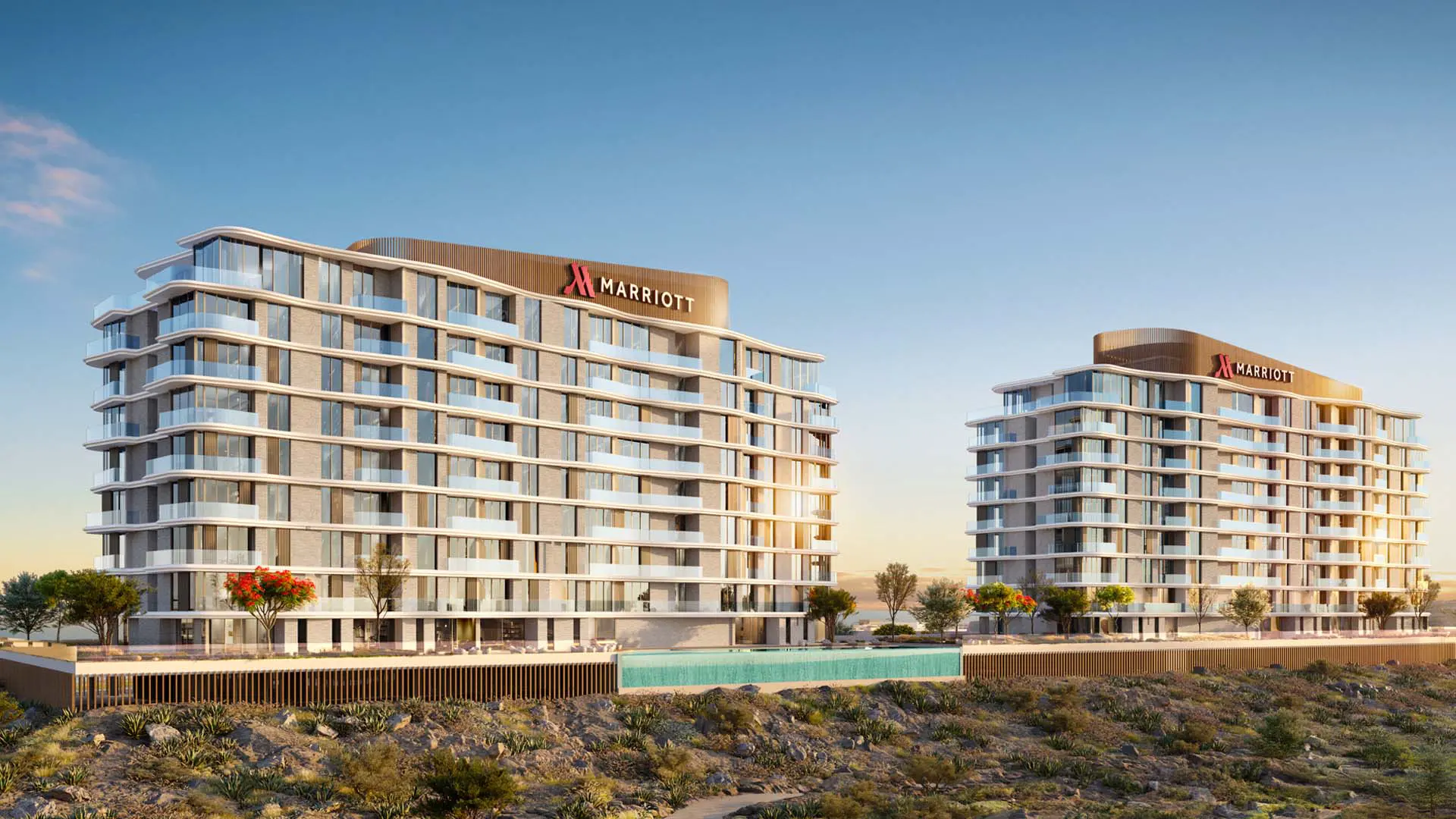
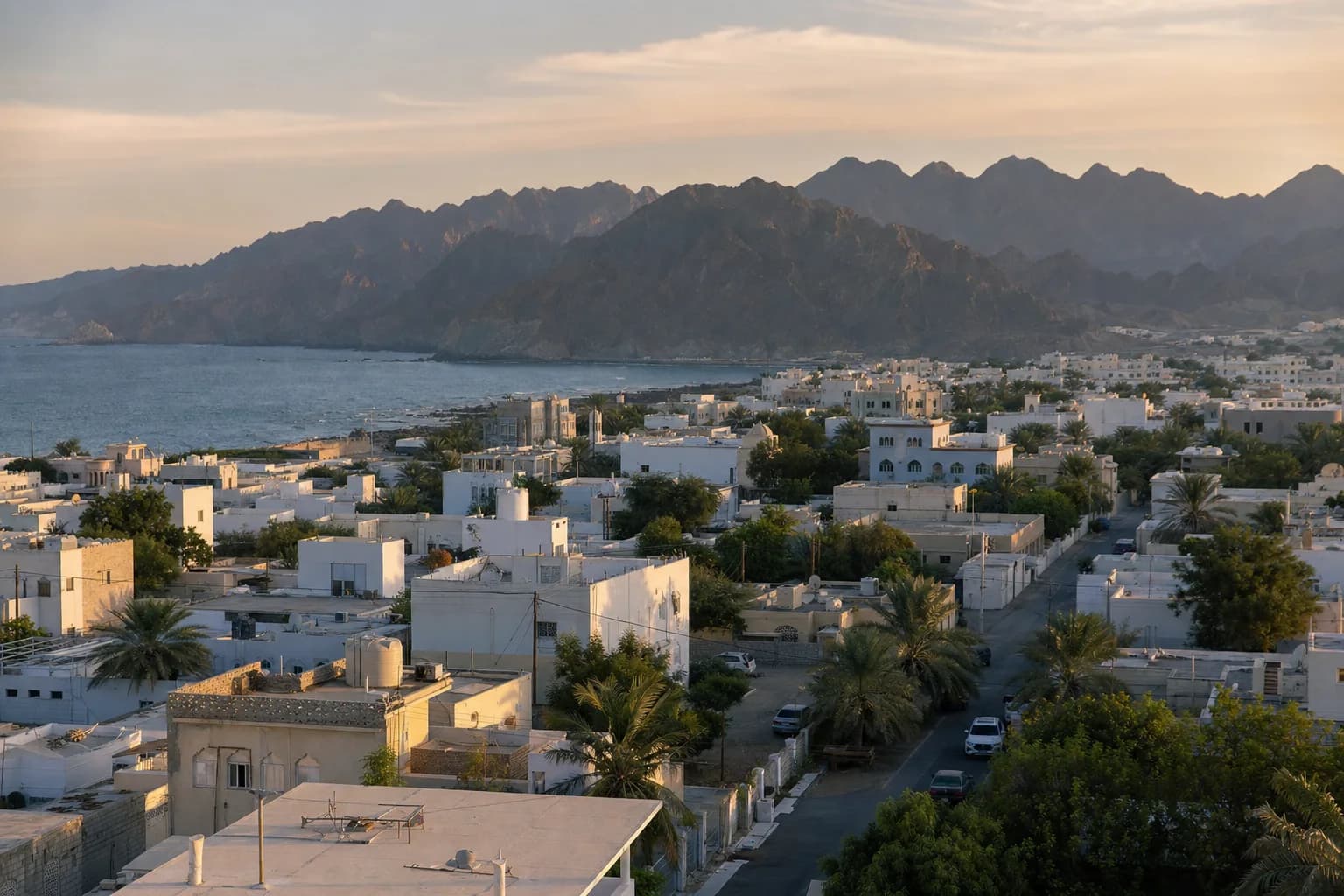
Oman presents the reverse pattern: named projects can be verified, but the public record does not aggregate them. Mandarin Oriental Residences, Muscat, The St. Regis Al Mouj Muscat, Marriott Residences at AIDA and Trump Residences Oman establish a credible operator-led cluster across Muscat and its coastal tourism zones. They do not establish a market total. Oman therefore records 0 / 5 for comparable market-level data while remaining a verified branded-residence location.
| Market | Scheme or brand | Evidence status |
|---|---|---|
| Dubai | Hotel and non-hotel brand cluster | Market-level stock and pipeline published |
| Abu Dhabi | Saadiyat, Yas and Al Maryah pipeline | Market-level transaction and premium series published |
| Ras Al Khaimah | Al Marjan, Al Hamra, Mina Al Arab, Beach District | Market-level pipeline published |
| Saudi Arabia | Riyadh, Jeddah and Red Sea schemes | National stock, pipeline and buyer-demand series published |
| Qatar | Doha and resort-branded schemes | Demand evidence; no current aggregate stock series |
| Oman | Mandarin Oriental, St. Regis, Marriott, Trump | Official project evidence; no aggregate market series |
Selected evidence register compiled from CBRE, Knight Frank and official operator pages, checked 27 July 2026. It is not a complete development directory. Live opportunities are maintained separately on Omnia’s branded-residences developments landing.
How to use the index.
Use the index to decide what level of diligence the market evidence can support. In Dubai, a buyer can test a scheme against a large completed set, current sales and a measured premium. In Saudi Arabia, the market total and buyer interest are visible but resale depth is not. In Qatar and Oman, scheme-level evidence must do more of the work because a public market benchmark is missing.
The commercial routes remain separate. To examine current stock, go to branded residences for sale. To test whether service, scarcity and brand justify the entry price, read Are branded residences worth the premium? The index will be refreshed when a material market-wide dataset changes, not every time a single project launches.
Methodology and source ledger.
Snapshot date: 27 July 2026. The index uses the latest comparable public category data identified by the Omnia Desk. UAE figures are from CBRE’s 2025 market review; global context is from Knight Frank’s 2025 global survey; Saudi figures are from Knight Frank Destination Saudi 2026; Qatar demand is from Destination Qatar research; and Oman project evidence comes from the official operator pages linked above. Every figure keeps its original reporting period.
Evidence coverage awards one point for each current market-level series available: completed stock, pipeline, branded transactions, branded premium and buyer demand. Project announcements do not earn a market-level point. Approximate values retain their qualifier. Different geographies and reporting periods are not blended into one return forecast.
The index is research, not an appraisal or investment recommendation. Published premiums are market averages, not expected returns. Buyers should verify the specific title, permitted ownership, operator agreement, fees, delivery status and resale evidence for each residence before acting.
Advisory
Talk it through, privately.
An Omnia advisor on availability, structuring and timing across these markets.
 AvailableAl Mouj MuscatALMAR Residences by AurelianStarting fromOMR 101,853TypeResidencesExplore residence