Omnia MarketsInfrastructure · Saudi Arabia · Riyadh
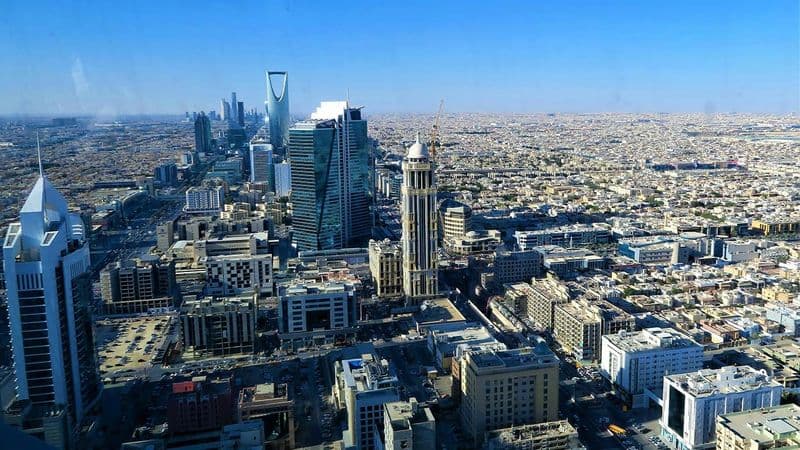
Riyadh metro carries 30.4 million riders in third-quarter 2026.
Asharq Al-Awsat reports that the line is reshaping how investors judge commercial sites near stations, while specialists say rents and occupancy still need before-and-after checks.
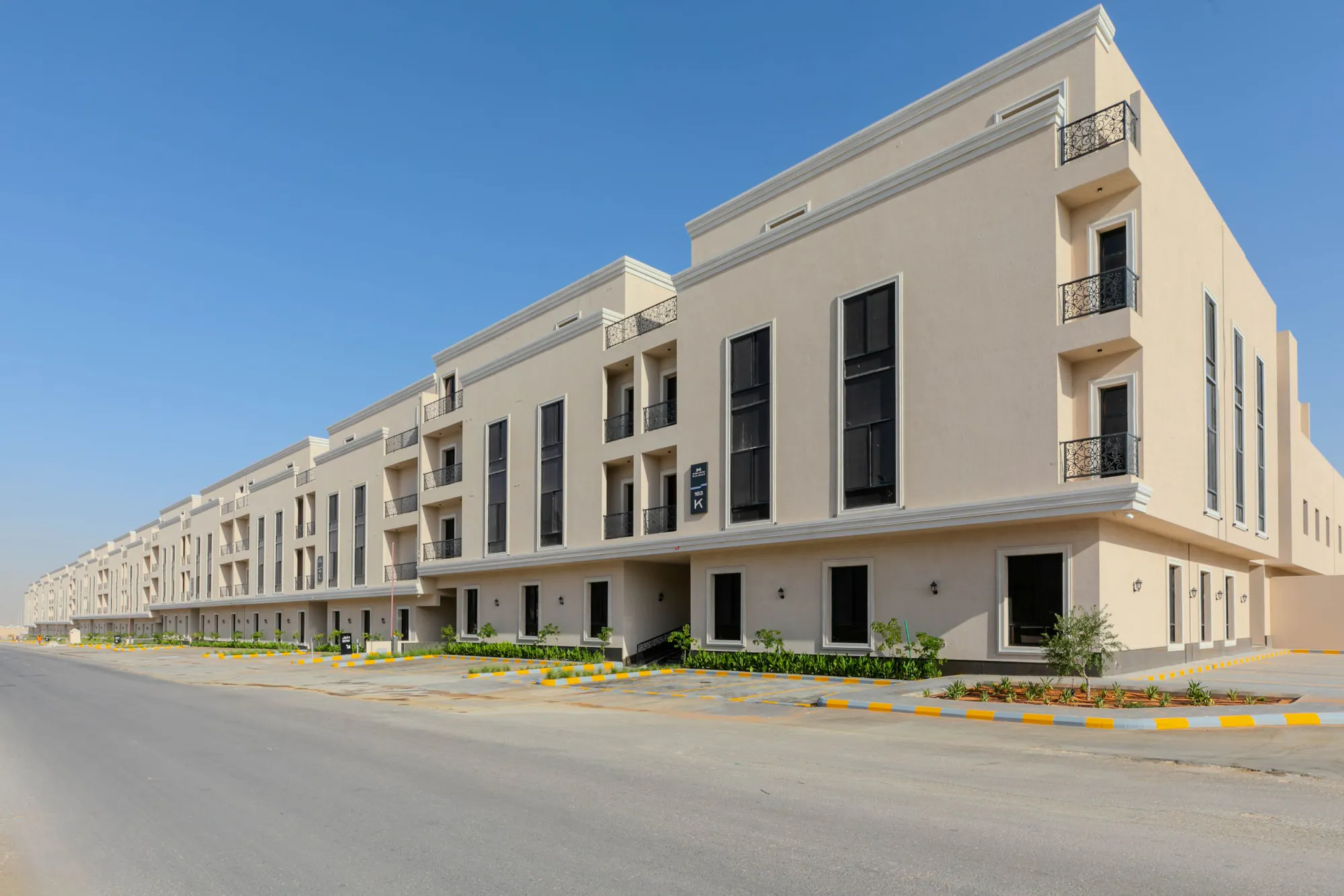
Asharq Al-Awsat reported in Arabic in October 2026 that Saudi trains carried more than 40.9 million passengers in the third quarter of 2026, of which Riyadh Metro took 30.4 million. The paper said the ridership is putting commercial property beside stations back in focus for cafes, restaurants and retail that live on daily footfall. The Transport General Authority had posted the same passenger total on 20 October 2026, alongside more than 3.9 million tonnes of freight and 46.3 thousand standard containers moved on the wider rail network.
Khaled Al-Mubayyed, chief executive of Manasat Al-Aqaria, told the paper that a strong commercial address is no longer only a main-road frontage and that easy public-transport access now counts in investment appeal. He put average rents at major Riyadh shopping centres at about 2650 riyals per square metre a year, up 1.2 per cent, with occupancy at 91 per cent in the first half of 2026, and said those figures cannot be pinned on the metro alone. He also cited 733 commercial units offered inside the public-transport network as a practical sign of retail interest tied to passenger flow.
Khaled Al-Jasser, head of Amaken International, told Asharq Al-Awsat that the metro is a major infrastructure step and should gradually shift demand toward commercial sites with easier access, yet the size of any effect will vary by location, trade and local demand. Both speakers said a proper measure needs matched properties near and far from stations, compared before and after operations, on rents, occupancy and demand. The paper also noted Royal Commission for Riyadh City contracts for 94 new metro trains as a first fleet boost; how far that changes commercial rents is not yet shown in the reports.
 From the JournalRiyadh vs Jeddah: where to live, and what changes by neighbourhood.
Our take
Omnia Desk
Station footfall is a location filter, not proof of higher rents.
For a foreign buyer the story is about commercial and mixed-use location choice in Riyadh, not about title rules or who may own a home. Higher metro use can support shops, cafes and services that need daily walk-in traffic, and it can make staff and client access easier for offices. It does not, by itself, rewrite residential asking prices or the off-plan bands we already list.
Al-Mubayyed’s city-wide mall rent and occupancy print still leaves the metro’s share unproven, which matches the specialists’ call for matched before-and-after comparisons rather than a blanket uplift on every plot beside a station. When you weigh a unit, ask for trading evidence tied to the nearest busy stop, not a city average, and separate pedestrian-led retail from formats that still depend on cars.
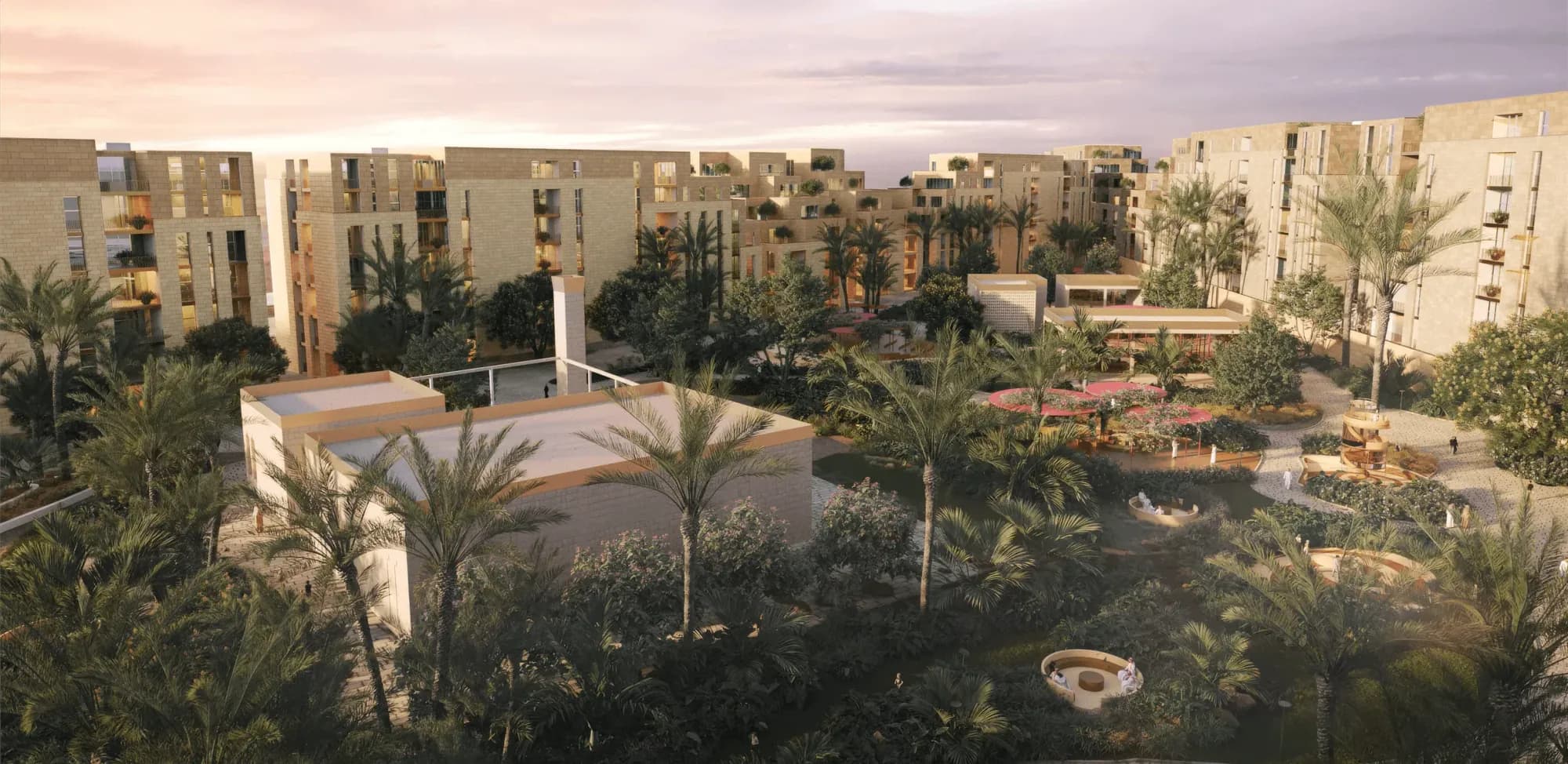
Our Riyadh vs Jeddah note already treats a working metro as part of how the capital lives day to day. That still sits beside neighbourhood and product choice, including stock such as Al Majdiah 163 in Al Faruq, rather than as a reason to pay more everywhere on the map.
Sources
About Omnia Markets- 1Asharq Al-Awsat (Arabic) · 29 October 2026«مترو الرياض» يفتح آفاقاً جديدة للاستثمار العقاري التجاري(opens in a new tab)
From across Omnia
More on Saudi Arabia, from Omnia.
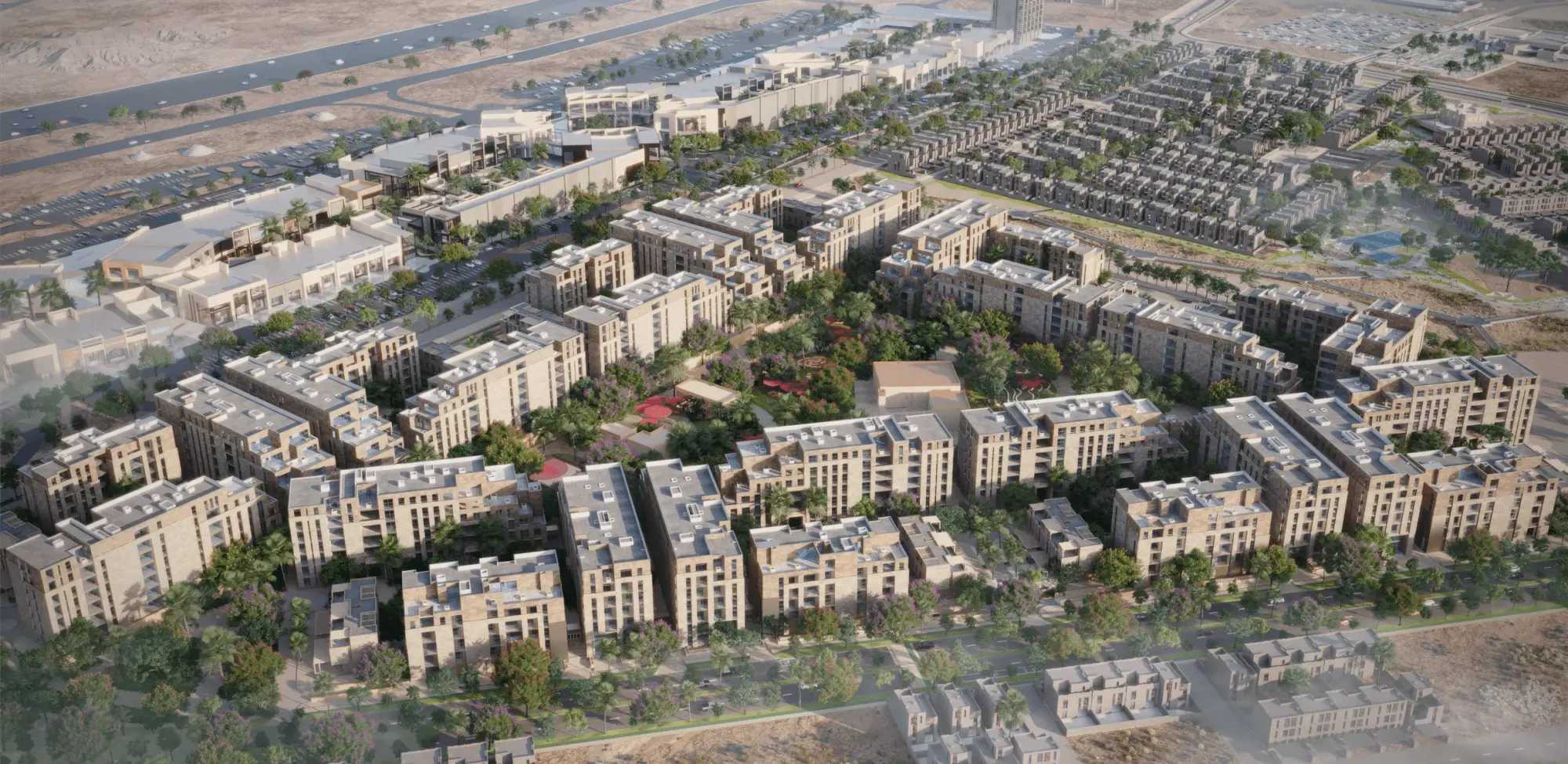
Mohammed Al Habib residential portfolio atlas, 2026.
A source review of ten Mohammed Al Habib projects, with original capacity analysis, home-format comparisons and alternatives from the wider Riyadh and Jeddah market.

Plot, built-up and internal area: reading a Saudi home plan.
Compare plot, gross floor, built-up and internal area using ROSHN Group and Mohammed Al Habib examples, including a worked price-per-metre calculation.
Moving to Riyadh with a family: schools, neighbourhoods and the first home.
A school’s campus and curriculum can narrow the housing search more effectively than a list of the city’s most popular districts. Here is how the choices connect.
Buying property in Madinah as a non-Saudi.
Muslim individuals living abroad can now own a home in Madinah. A first phase of 304 homes has already sold to non-Saudi investors. Here is who may buy, and what to check.
From the Omnia catalogue
From the Saudi Arabia catalogue
The Omnia Markets briefing
The markets, with our take, by email.
The stories that move these markets, and what they mean for a buyer, as they break.