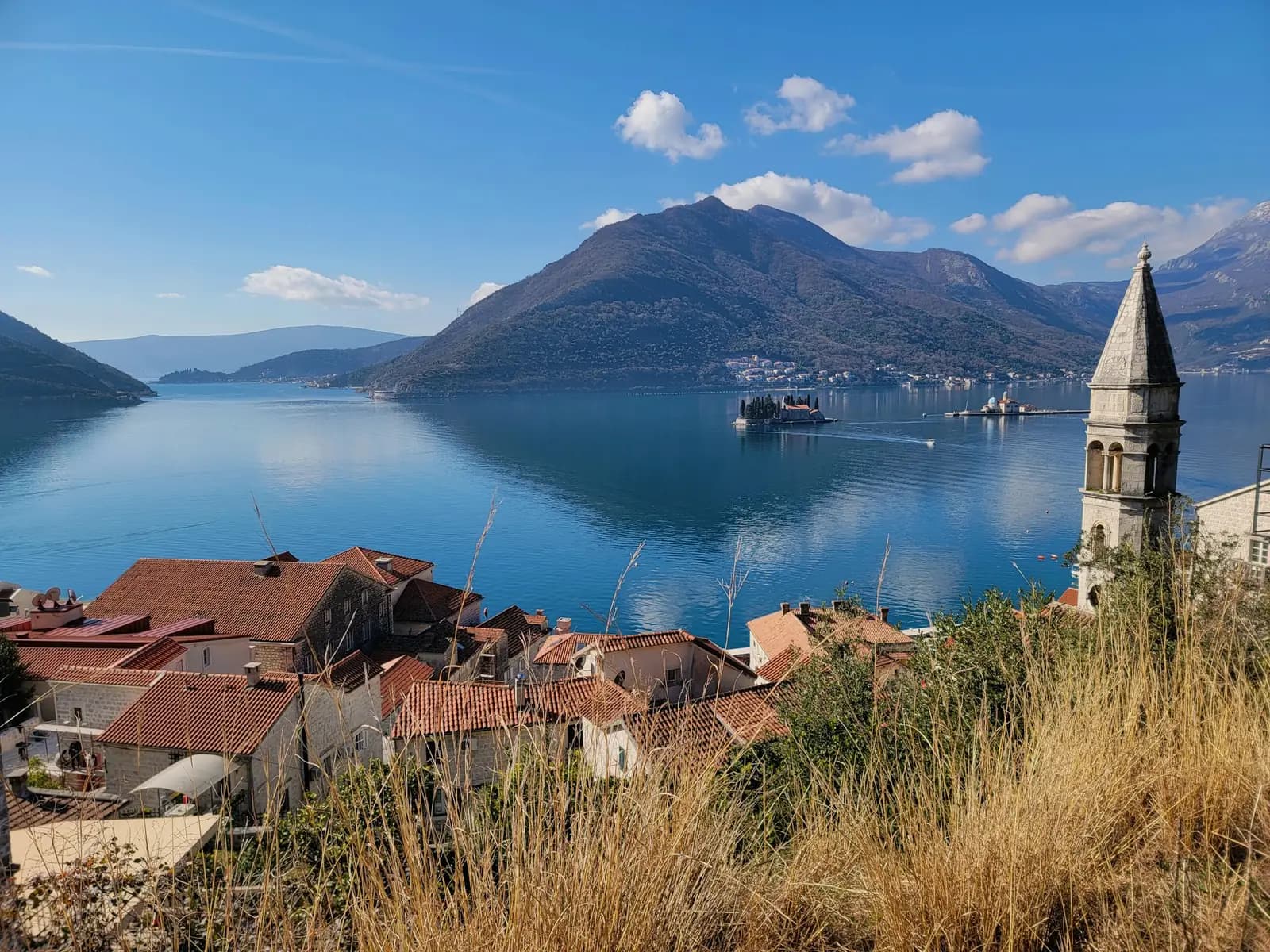
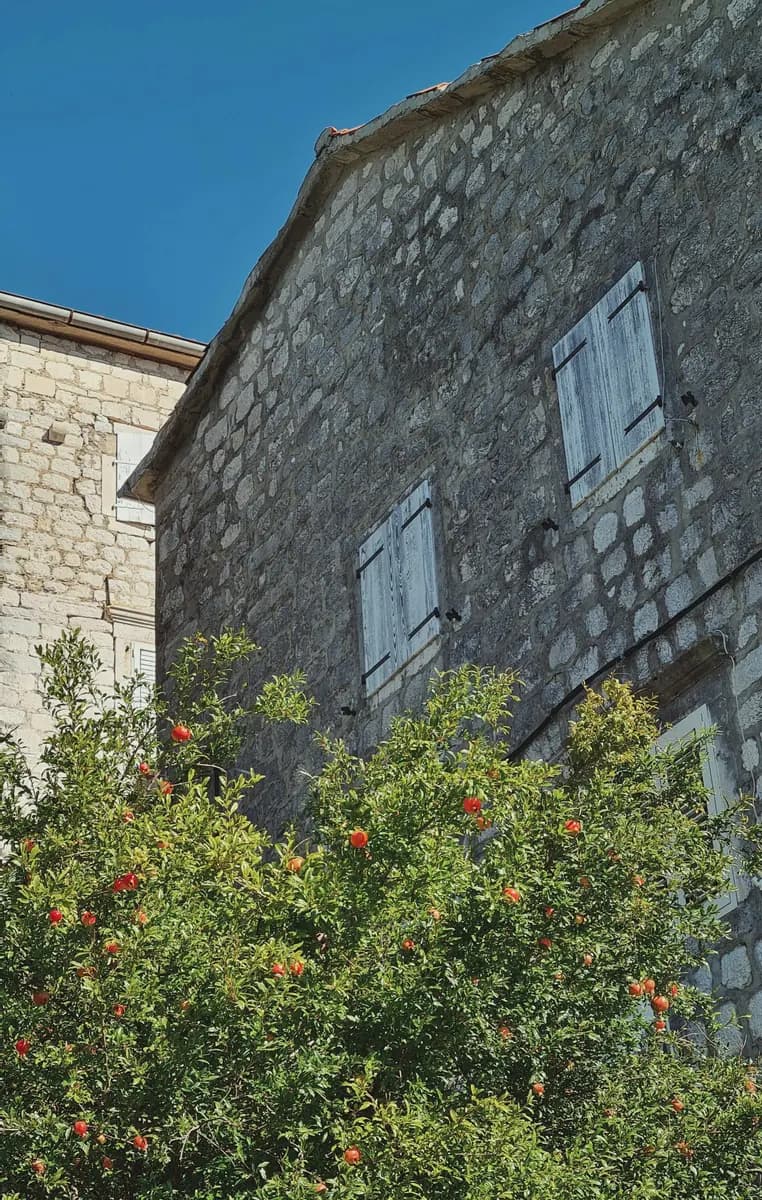
The water gets the first photograph. The houses deserve the second. In Perast, stone façades, tiled roofs and towers gather along the shore beneath the mountains. It is a beautiful arrangement. It is also a clue: this was a town looking out towards the route by which its fortunes arrived.
Spend a little time with its history and the coast acquires a cast of characters. Seafarers, trading families, the people who filled the rooms behind those façades. The view becomes the setting for lives that reached well beyond the bay.
This is where Omnia’s interest in Montenegro begins. A home on the Adriatic places you within a landscape and a culture. Understanding both makes the prospect of spending time here more compelling, and the choice of where to settle more personal.
The sea shaped the room.
The Perast Museum occupies the seventeenth-century Bujović Palace. Its account of the town connects its prosperity under Venetian rule with seafaring, trade and a strategic position in the bay. The holdings include maritime, ethnographic and historical-art collections, as well as family archives and domestic objects.
It is worth holding those categories together. The navigational instrument and the drawing-room furniture belong to the same larger story. Work at sea helped shape life at home. Taste travelled with people, objects entered rooms and families left records of a world much wider than the view from their windows.
A visit gives you a different set of eyes for the walk afterwards. The palace has inhabitants again, at least in the imagination. The waterfront has a purpose beyond being photographed. In the Global Citizens Collection, we return to this relationship between an address and the wider world. The next home becomes more interesting when you understand what connects it to the place around it.
A landscape made together.
UNESCO’s description of the Natural and Culturo-Historical Region of Kotor places particular emphasis on the relationship between settlements, architecture and landscape. The inscribed area includes Kotor and Perast within a defined part of the bay. Its significance lies in that ensemble, rather than in a single isolated monument.
Try taking in the whole composition: the buildings at the water’s edge, the steepness behind them, the intervals of open land. Much of what makes one view so persuasive belongs to somebody else’s horizon. A home here takes its character from the setting around it.
The same UNESCO account identifies development pressure as a threat to the integrity of that setting. Appreciation therefore carries a practical implication: the character that draws people deserves care. Historic surroundings should be understood through their actual protections and local context. A general description of the bay cannot settle the status of an individual property.
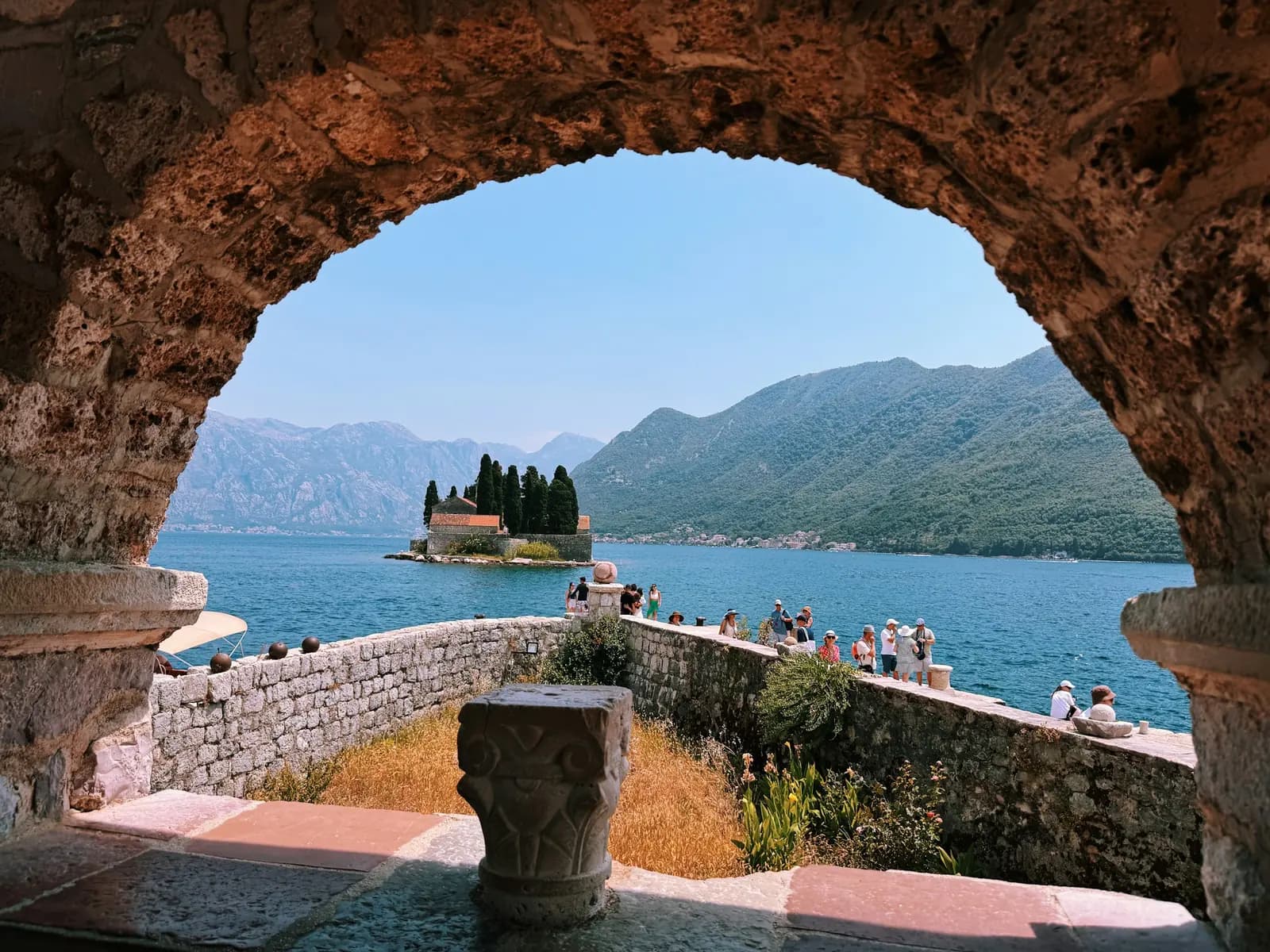
Heritage is also something people do.
The bay’s maritime identity is also carried through living practice. UNESCO inscribed the cultural heritage of Boka Navy Kotor on its Representative List of the Intangible Cultural Heritage of Humanity in 2021. The entry describes the organisation’s role in preserving and transmitting maritime memory and tradition.
Here the inheritance needs people. Someone has to learn, take part and pass it on. A restored façade can be admired in a moment; a living tradition asks for curiosity about the community behind it. The coast has a calendar that continues after a visitor has gone home.
For us, that is part of the attraction of returning. You have time to become interested in something you did not know to look for on the first visit. Belonging can begin quite modestly: recognising a name, understanding an occasion, taking the same walk with a little more knowledge of where you are.
Knowing the story of a place changes the way you look at the view.
The Journal · Free, monthly
Enjoying the issue? Have the next one delivered.
One considered email a month. Unsubscribe in one click.
Give the bay more than an afternoon.
Perast rewards leaving a little of the day unclaimed. Visit the museum, then walk the waterfront again. Allow a lunch to take as long as it takes. Return to the same view later, when the light has changed. The itinerary will survive an afternoon with fewer achievements.
The museum’s published opening information varies by season and includes closure periods. Checking the current schedule is a small act of preparation, and a reminder that cultural life has a rhythm of its own. A winter stay deserves a winter plan.
If you are beginning to imagine a home, let yourself rehearse a small part of the life. Find the morning walk you would repeat. Work out where lunch ingredients would come from and how friends would join you. Stay long enough for the beautiful afternoon to suggest an ordinary Tuesday. That is when the idea starts to become your own.
Choose your relationship with the coast.
You can fall for Perast without wanting to take on an old stone house. Perhaps the pleasure is visiting it from a contemporary base elsewhere on the coast. Perhaps you do want a home in an established settlement, with all the particularities that entails. The feeling that draws you here is the beginning of the conversation.
In our Montenegro guide, that conversation widens to the different settings available. Our Tivat portrait follows another chapter of the region’s maritime story. Luštica Bay offers a contemporary coastal setting to explore through Omnia. Each deserves to be understood for the daily life it could offer you.
A long summer with family, short visits around work and a year arranged partly around boating will lead to different choices. This is what we want to hear about before narrowing the search: who will come, how long you want to stay and what you hope there will be more time for.
The Adriatic becomes harder to forget when the picture grows specific. One stretch of waterfront. A particular view from a window. Somewhere friends could stay, and an afternoon with no reason to hurry them along. Those are the beginnings of a home worth finding.
A more attentive visit to the bay.
An editorial itineraryBegin with Perast Museum.
Use the collections to understand the connection between maritime work, family life and the rooms behind the façades. Check current opening arrangements.
Read the whole setting.
Look at the relationship between shore, streets, open land and mountains. The appeal extends beyond the individual building.
Return at another hour.
Notice how light, activity and the experience of the waterfront change through the day.
Compare ways of living.
Consider an older settlement and a contemporary residential setting against your actual plans for using a home.