Step out of the terminal and Qatar makes its first impression through its people rather than its architecture. Doha, the capital of this compact Gulf nation, keeps its old souq and dhow harbour within sight of the towers, and what strikes most newcomers first is the hospitality. Qataris have a knack for making you feel included, whether it is a neighbour sharing cardamom-laced coffee or a stranger helping you navigate a busy street. It is not instant, you will need to learn the rhythm, but the warmth is authentic, built on centuries of community.
What the travel writing often skips is the arithmetic, and the arithmetic in Qatar is unusually kind. There is no personal income tax, so your full gross salary is your take-home pay. Employers typically fund your health insurance and, for families, a chunk of school fees. Roughly 89% of the country’s 3.17 million residents are expatriates, with Qatari nationals about 10.5% of the total, so the systems are built around newcomers rather than tolerating them. The mix is genuinely global: Indians are the largest single community at around a fifth of all residents, followed by Bangladeshis, Nepalis, Egyptians and Filipinos, which is why a single office floor can sound like four continents at once. This guide keeps the warmth of the place but adds the numbers a 2026 move actually turns on: what Doha costs, what you should earn, how schooling and healthcare work, and where foreigners can now own the home they live in.
The cost of living in Qatar.
A single person spends about QAR 10,800 a month, around US$2,990, all in. That figure carries rent, food, transport, utilities and a normal social life in Doha, and most single expats land somewhere in a QAR 8,000 to QAR 14,000 band depending on how they live. Housing is the largest line by a distance, usually 40 to 60% of a single expat’s monthly spend depending on the neighbourhood and the finish. Strip rent out and a single person spends roughly QAR 3,000 a month on everything else. A one-bedroom apartment in West Bay runs around QAR 11,000 a month, while a comparable flat on The Pearl typically sits in the QAR 7,000 to QAR 10,000 range, climbing higher for serviced or waterfront units. The rest, groceries, eating out, fuel and bills, sits well below Western European equivalents, and because nothing is shaved off the top for income tax, the gap between what you earn and what you keep is wider than almost anywhere a newcomer is likely to have come from.
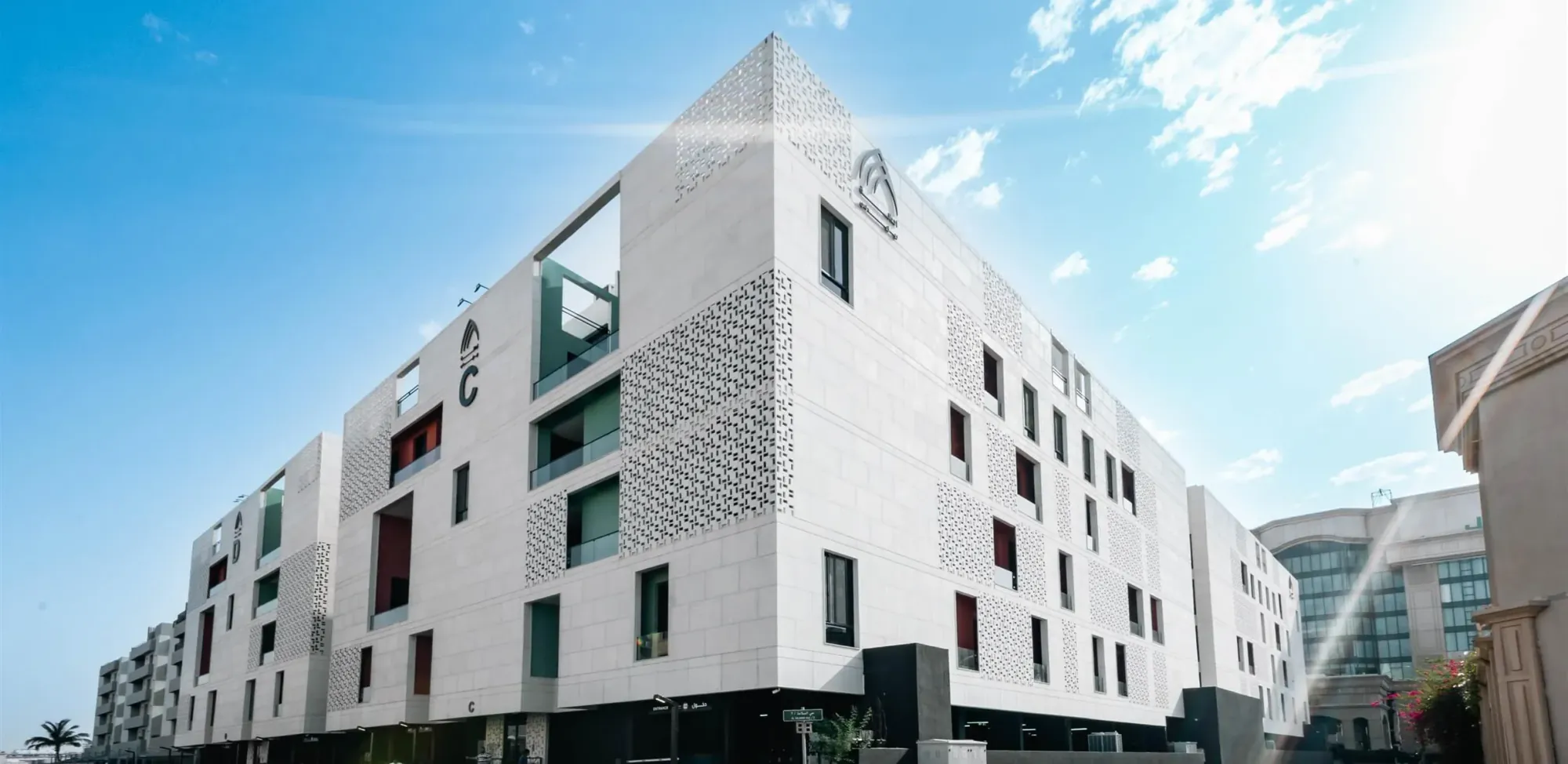
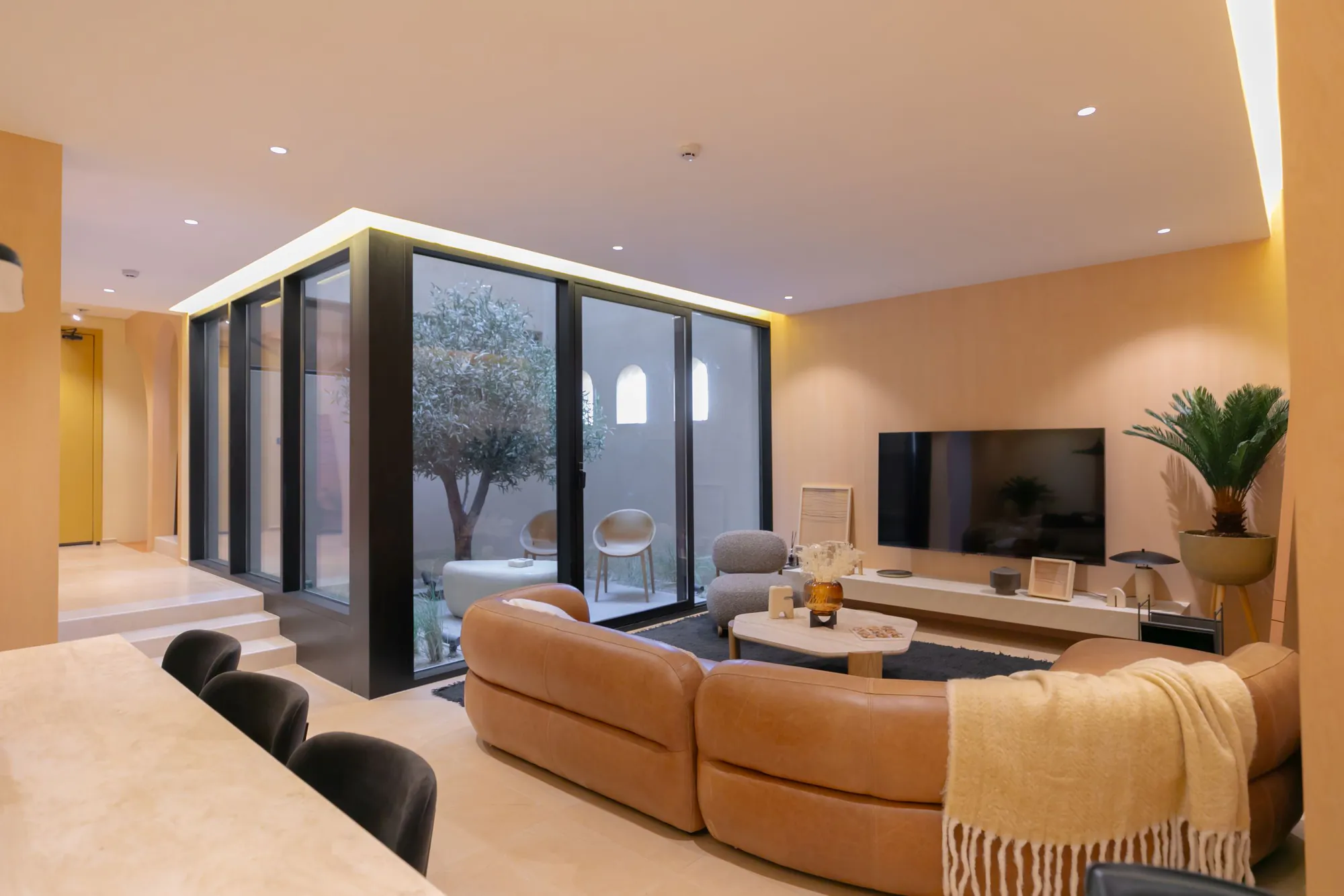
Getting around adds very little. The Doha Metro charges a flat QAR 2 for a standard single journey, a monthly pass is QAR 120 and an annual pass is QAR 990, so a daily commuter spends less on transport in a month than on a single dinner out. Families scale up, as families do everywhere. A household of four typically needs a monthly package, salary plus allowances, of around QAR 35,000 or more to cover rent, schooling and general living without strain. The single biggest swing factor is where you live. West Bay’s high-rises offer Gulf views and suit singles or couples; families often choose villa compounds in Al Waab, Al Gharrafa or Ain Khaled, where the homes come with pools and a tight-knit feel. Expect some paperwork around leases, but once you are in, the barbecues with neighbours and the kids’ playdates make it feel like home.
Working and earning: the professional pulse.
Qatar draws talent: engineers, teachers, doctors, finance and energy professionals, you name it. Workplaces crackle with diversity, where a single meeting might carry voices from Manila, Manchester and Mumbai. Expect long hours in project-driven fields, but the chance to lead or to learn is real. The national average gross salary sits around QAR 11,000 to QAR 15,000 a month in 2026, but the spread is wide: entry-level roles cluster at QAR 7,000 to QAR 10,000, senior posts at QAR 20,000 to QAR 30,000, and senior people in oil and gas, finance and healthcare often clear QAR 25,000 to QAR 45,000. As a rule of thumb, a single professional earning QAR 15,000 to QAR 20,000 a month can live comfortably, save meaningfully, and still enjoy Doha’s dining and leisure scene. The structure of a package matters as much as the headline: housing and transport allowances, an education allowance for children, and employer-funded health cover commonly add the equivalent of QAR 3,000 to QAR 10,000 a month on top of the stated salary. For reference, the statutory minimum wage is QAR 1,000 a month basic, plus QAR 500 for housing and QAR 300 for food where these are not provided, in force since March 2021 and still unchanged in 2026, which is the floor for the labour workforce rather than the professional packages most readers of this guide will be weighing.
The working week ends on Thursday, and the weekend falls on Friday and Saturday. Those two days are sacred. Aspire Park hums with joggers and kite-flyers, though you will dodge the sun in summer. Beaches like Sealine tempt with dune-bashing or camel rides, and the Inland Sea, where the desert meets the ocean, is raw and unforgettable, though it is worth taking a guide to avoid sandy mishaps.
Mastering daily life and getting around.
Doha is a breeze to navigate. Wide roads and apps like Karwa or Uber keep you moving, while the Doha Metro, sleek, air-conditioned and punctual, makes summer commutes bearable. Its three lines, Red, Green and Gold, run across the city, and stations like Msheireb, with their mosaic tiles, feel like small art galleries. Grocery runs are easy, with Lulu Hypermarket stocking Aussie Vegemite alongside Indian masalas, and for farm-fresh picks the Torba Farmers Market in Education City is a weekend gem.
Daily errands aside, the texture of life sits in the city’s cultural spine. Dive into Souq Waqif, Doha’s beating heart: spice-scented air, hawkers calling out, and stalls piled with everything from saffron to hand-stitched rugs. Grab a karak tea, thick with milk and spice, and settle at a café to watch the world go by. For a deeper read of the country, the National Museum of Qatar, shaped like a desert rose, traces the journey from nomadic tribes to global player, and Katara Cultural Village turns galleries into a global canvas during the Qatar International Art Festival.
Schools and education for expat families.
Schools are a standout, and for many families they are the deciding factor in the move. Doha College and the American School of Doha blend rigorous academics with clubs like robotics and drama, and the quality shows. They are not cheap. At the American School of Doha, published 2025/26 tuition runs at QAR 79,305 a year for Grades 6 to 12, with an annual capital fee of QAR 14,600 on top, so a senior place runs close to QAR 94,000 all in. There is also a one-off, non-refundable registration fee of QAR 3,796 per child, plus smaller line items such as the QAR 250 charge for the one-to-one laptop programme in Grades 5 to 12 and per-course fees for AP and IB exams. Doha College sits at around QAR 47,000 to QAR 79,000 depending on the year group. Add the usual extras, the school bus, uniforms, devices and exam entries, and the year-one bill climbs a little higher again.
The number to anchor on, though, is the one most families do not pay themselves. The vast majority of expat packages in Doha include an education allowance, commonly QAR 30,000 to QAR 80,000 per child, with fees often paid directly to the school by the employer. That single clause changes the maths of a family move more than any other, so it is the line to negotiate hardest before you sign. Beyond the headline two, the city carries a deep bench of British, American, IB and international curricula, so the real task is matching curriculum and commute rather than finding a place at all.
Healthcare for residents.
Healthcare in Qatar is strong, with Hamad Medical Corporation delivering the public care and a network of private hospitals and clinics alongside it. Every resident registers for public healthcare for around QAR 100 a year, which opens access to subsidised treatment at HMC hospitals and the primary health centres; since a 2026 ministry circular the Qatar ID card is used in place of a printed Hamad Health Card, though the annual fee still applies. Mandatory private insurance is arriving in phases rather than all at once. Law No. 22 of 2021 was published on 4 November 2021 and came into force on 4 May 2022, and its first operational phase began on 1 February 2023, when visitors became required to hold a basic emergency policy from a ministry-registered insurer, at QAR 50 a month, before a visa is issued. The second phase extends the requirement to residents: employers fund basic cover for staff and their families, and residence permits are tied to proof of that cover. Insurers declared themselves ready for it in 2023, but as of mid-2026 no ministry notice applies it uniformly to every residence transaction, so check the current position when you apply.
In practice the cost rarely lands on you. Most professional packages already include employer-funded cover, and the law places that obligation squarely on the employer as the residents’ phase takes hold. A basic resident policy runs roughly QAR 1,200 to QAR 2,500 a year before any family extension, and the basic package described for the residents’ phase is broad: inpatient and outpatient care, emergency treatment, maternity and newborn care, and laboratory and diagnostic tests. The upshot for most newcomers is that a doctor’s visit is stress-free and largely pre-paid. As with schooling, the detail to confirm in your offer is the scope of the cover for a spouse and children, since family plans are where the real money sits.
On settling in
Qatar does not overwhelm you with promises. It earns your affection through small, vivid moments: the shopkeeper who remembers your name, the colleague who invites you to a wedding, the thrill of mastering shukran in Arabic.
The Journal · Free, monthly
Enjoying the issue? Have the next one delivered.
One considered email a month. Unsubscribe in one click.
Buying property and residency in Qatar.
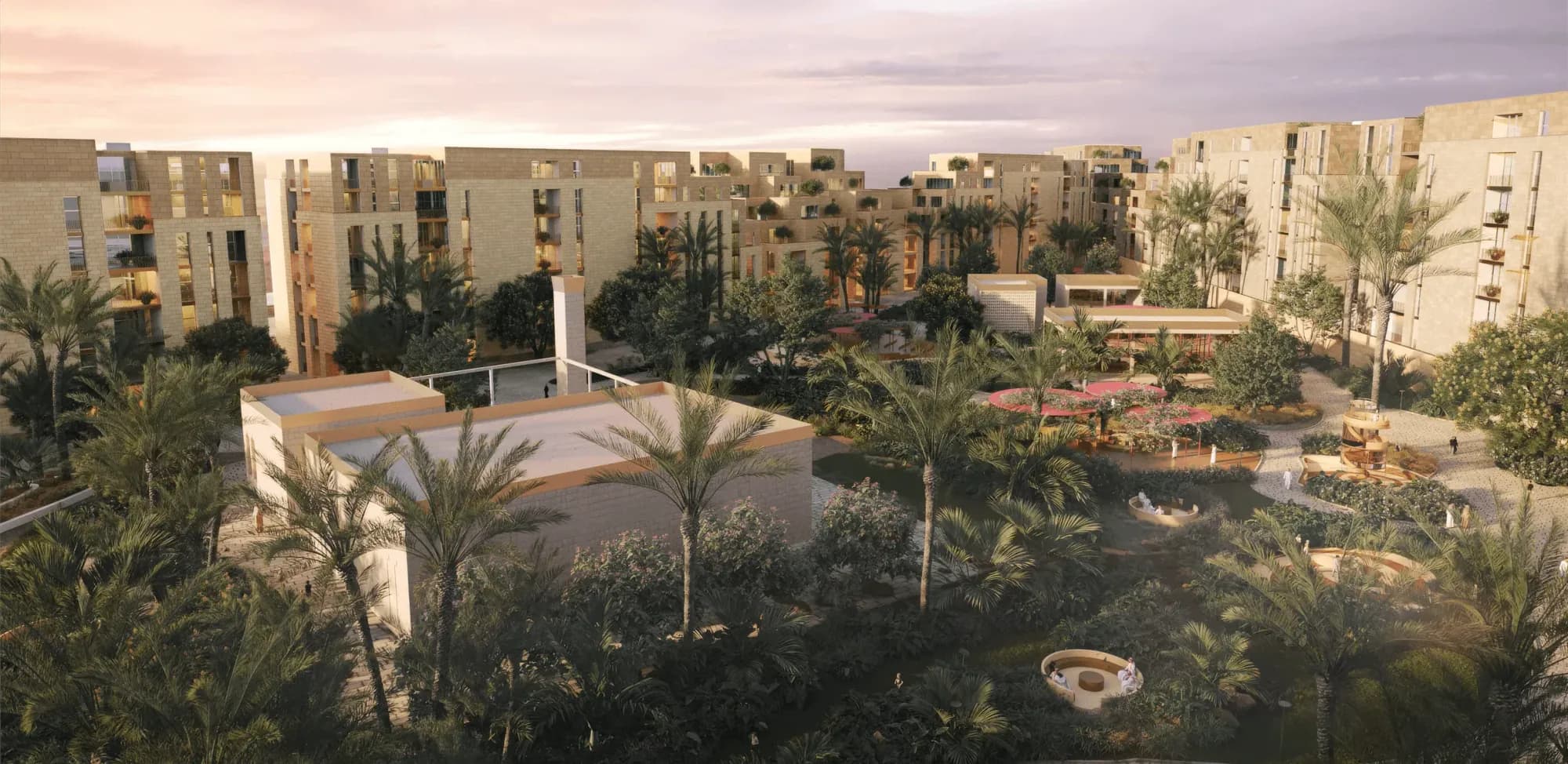
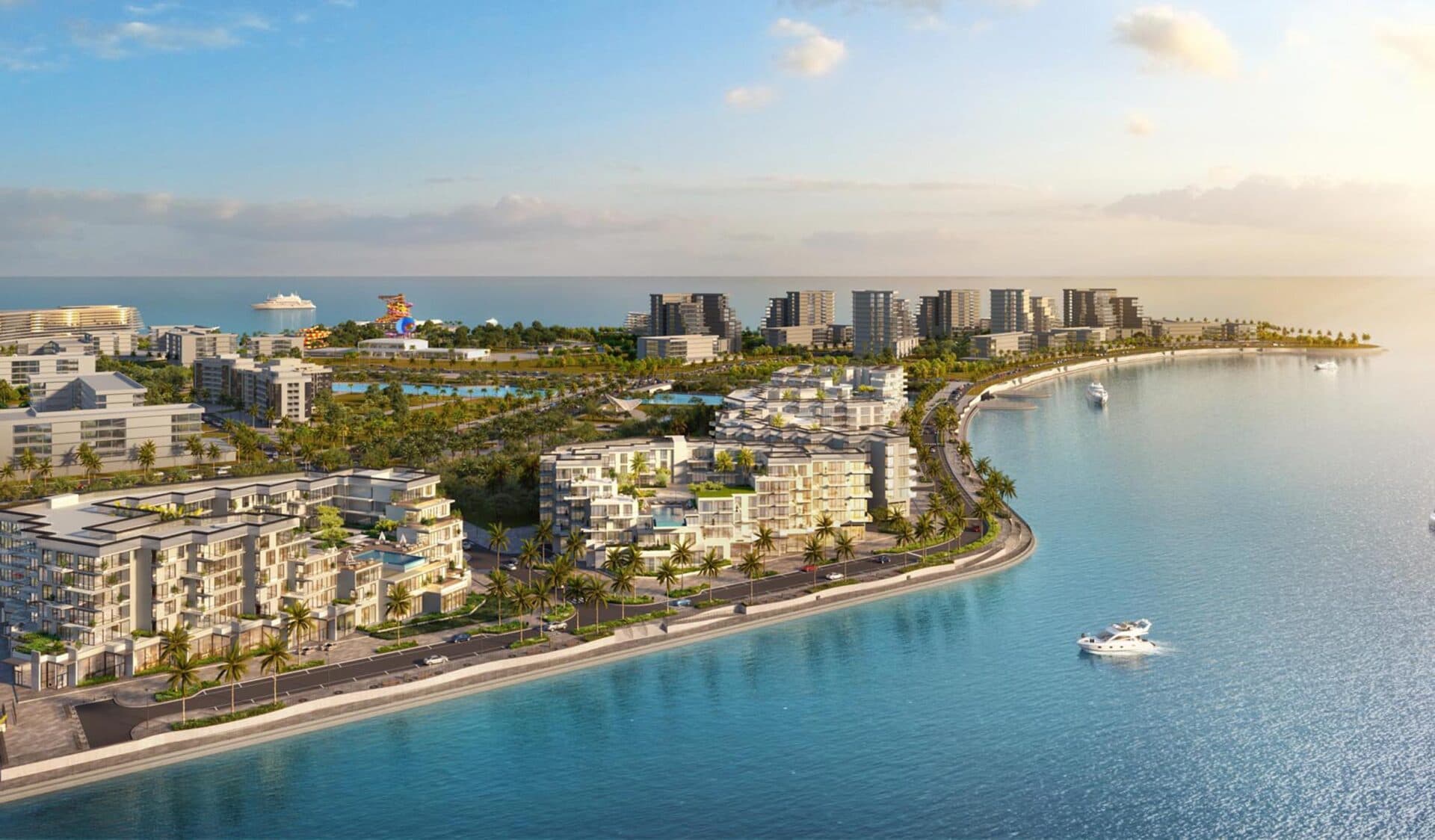
For years expats in Qatar rented and nothing more. That has changed. Under Law No. 16 of 2018 and Cabinet Resolution No. 28 of 2020, foreigners can buy, own and inherit property freehold in designated zones, with rights to sell, lease and mortgage. The established hotspots are The Pearl, Lusail and West Bay Lagoon, and the official list, widened to ten areas by Cabinet Resolution No. 21 of 2026, also covers parts of Al Dafna and Onaiza, Al Kharaej, Jabal Thuaileb, the Al Khor Resort and, newest of all, the Simaisma Resort and Beach Project north of Doha. Prime apartments in the flagship districts trade at roughly QAR 10,000 to QAR 15,000 per square metre depending on sub-district and finish, with The Pearl’s Porto Arabia, Qanat Quartier and Viva Bahriya the most sought-after addresses; a typical Pearl apartment commonly sits in the QAR 2.5 million to QAR 3.5 million range. Gross rental yields are healthy by global standards, around 5 to 7%, with ValuStrat putting the average residential gross yield at 5.6% in the second quarter of 2026 and studios and one-bedroom units on The Pearl and in Lusail at the upper end.
The market itself has firmed up rather than overheated. Residential sales reached about QAR 26.6 billion in 2025, up 43.5% on the year before across 6,831 transactions, and sales of all property types registered with the Ministry of Justice came to roughly QAR 34.4 billion. The new year opened more cautiously, with regional tension weighing on sentiment: residential sales totalled around QAR 6.2 billion across 1,582 transactions in the first quarter, before ValuStrat recorded a 23.6% quarterly rebound in residential deals in the second. The Qatar Central Bank’s Real Estate Price Index rose from about 224 in January 2026 to a record near 245 in May and has held just above 240 since, even as average apartment and villa prices per square metre stayed broadly flat, which reads as stabilisation rather than a fresh surge. The link between ownership and residency is older than many buyers assume: it dates from Law No. 16 of 2018 and its implementing Cabinet Resolution No. 28 of 2020, not from recent reforms. Buy approved real estate in a freehold zone worth at least QAR 730,000, around US$200,000, and you and your family qualify for a renewable residence permit, without an employer sponsor, for as long as you own it. Invest at least QAR 3.65 million, around US$1 million, and the permit carries the privileges that Law No. 10 of 2018 attaches to permanent residency, including access to public healthcare and education and to certain commercial activities. The permanent residency card itself is capped in number each year, so treat that tier as a defined programme rather than an open door, and confirm the current terms before committing.
For buyers weighing the market rather than a rental, Qatar’s developments concentrate in exactly these freehold zones, which is why the residency pathway and the property map now point at the same handful of addresses. If you are comparing Gulf moves, our Saudi Arabia expat guide and Oman expat guide set Qatar’s numbers in regional context.
A culinary crossroads.
Qatar’s food scene is a global crossroads. Start with Qatari staples, machbous, a spiced rice dish with tender lamb, or thareed, a bread-and-stew combination that warms the soul. Al Jasra Traditional Food serves these with a side of history, and on Souq Waqif evenings women cook regag at the stalls, a paper-thin bread griddled to a crisp and folded around egg and cheese or finished with honey or date syrup. Beyond the local fare, Doha delivers across every register. Crave sushi? Nobu Doha at the Four Seasons nails it. Italian? La Spiga by Paper Moon feels like Tuscany. For laid-back nights, The Pearl-Qatar’s Porto Arabia marina is lined with relaxed terraces and bistros, while budget eaters head to Souq Al Wakrah for shawarma or grilled fish fresh off the boat.
Coffee culture thrives too. Homegrown chains such as Flat White Specialty Coffee, with branches from The Pearl to Education City, pour velvety flat whites, and the karak stalls keep the whole city caffeinated. None of this is incidental to expat life. A diverse food map is the clearest sign of a city built for people from everywhere, and Doha’s spread, from Qatari kitchens to Filipino, Lebanese, Indian and Sri Lankan tables, is part of why the place absorbs newcomers so easily.
Building your circle: the expat community.
Qatar’s expat scene, around 89% of the population, is a melting pot, and a wide one. Join the Qatar Natural History Group for its evening talks and guided desert field trips, held through the cooler months. Parents lean on Doha Mums for playgroups and advice, while singles mingle at Katara’s art openings. Connections grow over shared meals, the potlucks with Lebanese tabbouleh or Sri Lankan curry. It is not all seamless; some feel isolated at first, but persistence unlocks friendships. Volunteering with Qatar Charity or joining a photography club adds purpose and bonds.
Staying active is easy. Oxygen Park offers yoga under the stars, boutique studios such as F45 and Barry’s in West Bay cater to HIIT and functional-training regulars, and families flock to Gondolania, the indoor theme park in Villaggio Mall, or to Al Bidda Park for bike rides and picnics. The pattern that emerges, once you settle, is that community here is built deliberately rather than stumbled into, and the people who thrive are the ones who say yes early and often.
Seasons, weather and the calendar.
Qatar’s climate demands respect. Summer, June to September, is fierce: 45°C and above with humidity that soaks your shirt, so life shifts indoors to the malls or the Museum of Islamic Art. Winter, November to March, is golden, with days near 25°C that are made for Corniche strolls or desert barbecues. Spring and autumn are fleeting but ideal for camping. Plan your year around the heat and the country opens up; fight it and the summer will win.
The calendar keeps you busy. Qatar National Day in December erupts with parades and dhow races. The Doha Film Festival screens independent gems, sports fans cheer at the Qatar Open, and even quiet weeks carry pop-up markets or Lusail’s food-truck nights. Ramadan slows the pace, with iftar meals under twinkling lanterns drawing families and strangers together, and Eid crackles with energy: kids in new clothes, feasts spilling onto tables, and fireworks painting the sky. As an expat you are not just watching, you are invited to join, swapping stories over plates of luqaimat, sweet dumplings drizzled with date syrup.
What to settle before you move to Qatar.
Field notesNegotiate the package, not the salary.
Housing, transport and education allowances plus employer-funded health cover do most of the work. A QAR 15,000-20,000 salary lives well for a single person; a family typically needs a QAR 35,000+ package once schooling and rent are in.
No income tax changes everything.
Qatar levies no personal income tax, so gross pay is take-home pay. That single fact is why a Doha budget stretches further than the equivalent salary at home, despite high rents.
Insurance is usually employer-paid.
Law 22 of 2021 makes the employer fund basic cover for staff and families. The visitors’ phase has applied since February 2023 and the residents’ phase is still rolling out, so confirm the scope for a spouse and children before signing.
You can now own, not just rent.
Foreigners can buy freehold in ten designated areas, among them The Pearl, Lusail and West Bay Lagoon. A purchase from ~QAR 730,000 (US$200,000) unlocks renewable residency; ~QAR 3.65m (US$1m) adds permanent-resident privileges.