Can foreigners own property in Qatar?
Yes. A non-Qatari can hold freehold title in Qatar, in ten designated areas including The Pearl, Lusail and West Bay Lagoon, with 99-year usufruct available in a further sixteen. Ownership is governed by Law No. 16 of 2018, it carries no nationality bar, and a qualifying purchase opens a route to residency. Here is how each part works.
- Reviewed by
- The Omnia Desk
- Last reviewed
- 13 June 2026
- Reading time
- 11 minutes
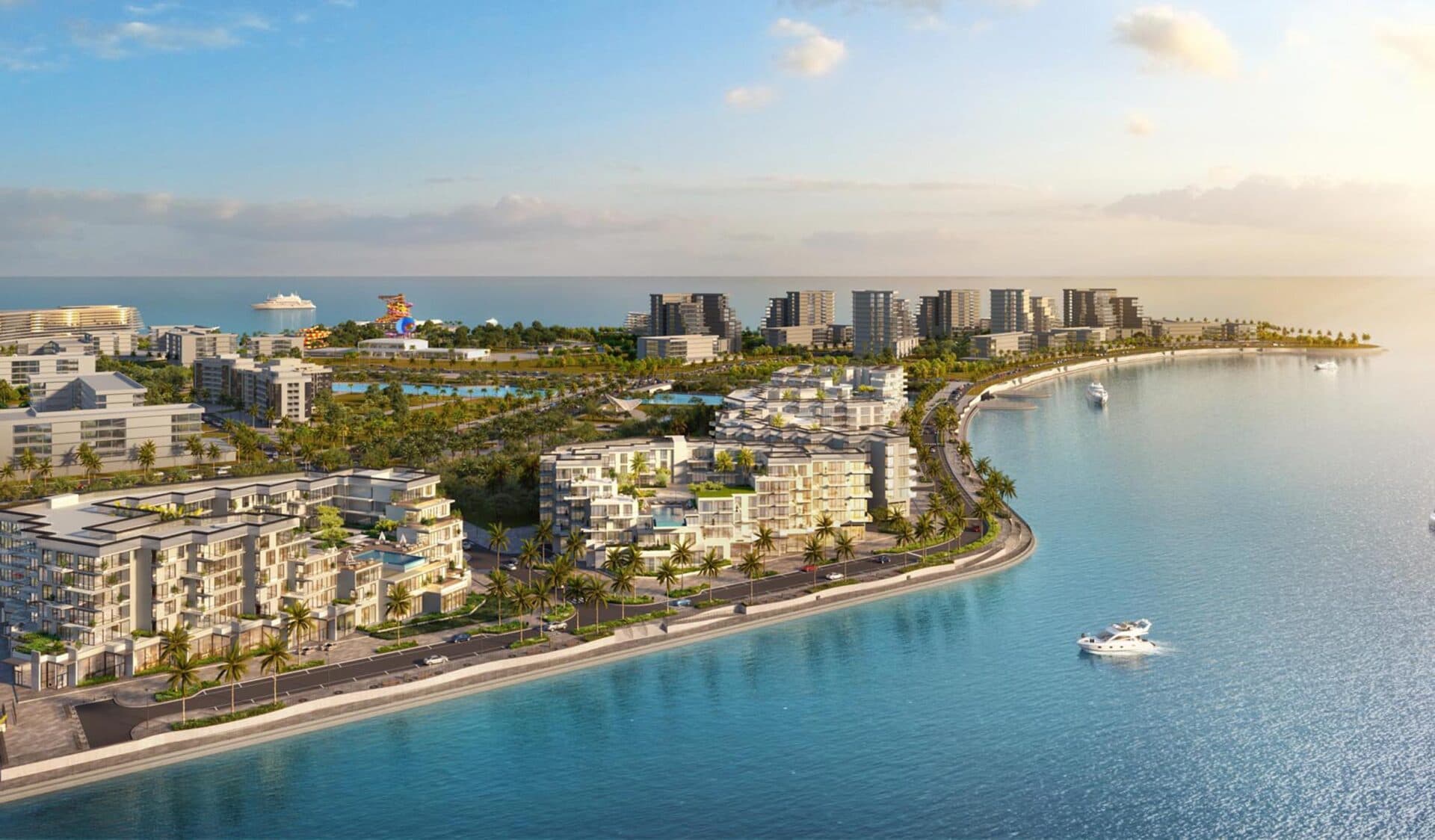
At a glance
The essentials, before you read.
One of the lowest-friction markets in the Gulf to acquire and to hold: a 0.25% transfer fee, no annual property tax and no individual capital gains tax. The cost sits in the price, not the transaction.
- Ownership
- Freehold or usufruct
- Freehold areas
- Ten designated
- Usufruct areas
- Sixteen, up to 99 years
- Nationality bar
- None
- Transfer fee
- 0.25%
- Annual property tax
- None
- Capital gains tax
- None for individuals
- Currency
- Riyal pegged to USD
- Residency route
- From QAR 730,000
On this page
Two tenures, ten freehold areas.
A non-Qatari can hold freehold title in Qatar. The first decision is which tenure, and which area.
Qatar is open to the foreign owner, on terms that are clearer than the regional reputation suggests. Ownership runs through Law No. 16 of 2018, implemented by Cabinet Resolution No. 28 of 2020, which created two regimes side by side: outright freehold in a fixed list of designated areas, and long-term usufruct, of up to 99 years, in a further sixteen. There is no nationality bar. The constraint is geographic, not by passport.
In June 2026 the freehold list was expanded to ten areas by Cabinet Resolution No. 21 of 2026, which added the Simaisma Resort and Beach Project as the tenth. For an international buyer the practical map is smaller still: the addresses that pair freehold title with an international operator cluster in two places, The Pearl-Qatar and Lusail.
Freehold
Outright, perpetual ownership in any of the ten designated areas, inheritable and transferable. Open to any non-Qatari individual or company, with no residency required to buy.
Best forOwners seeking title they can pass on
Where you can buyUsufruct
A right to use and draw income from a property for up to 99 years, without holding the freehold, in sixteen further designated areas across central Doha.
Best forBuyers focused on a defined horizon
How the tenures differResidency by purchase
A qualifying purchase opens a route to residency: a renewable permit from QAR 730,000, or eligibility for permanent residency from QAR 3.65m.
Best forOwners who will spend time in Qatar
The residency route- A non-Qatari can hold freehold title in ten designated areas, and 99-year usufruct in sixteen more, under Law No. 16 of 2018. There is no nationality bar.
- The freehold list moved to ten in June 2026, when Cabinet Resolution No. 21 of 2026 added the Simaisma Resort and Beach Project.
- The flagship freehold districts for international buyers are The Pearl-Qatar and Lusail, where the branded residences are concentrated.
- Friction is low both ways: a 0.25% transfer fee to buy, and no annual property tax or individual capital gains tax to hold.
Where foreigners can buy.
Settle the tenure first, then the area. The two regimes sit in different parts of Doha.
Tenure is the first thing to settle. Freehold is the headline tenure and the one most international buyers want: perpetual, inheritable title in your own name. It is available only inside the ten designated freehold areas. Usufruct is the alternative, a right to use and earn from a property for up to 99 years, available in sixteen further areas concentrated in central Doha, such as Msheireb, Fereej Bin Mahmoud and Al Sadd.
A note on how the ten are counted. The resolution numbers ten items, and they do not map one to one onto zone codes. West Bay Lagoon, gazetted as West Bay (Legtaifiya), shares administrative Zone 66 with The Pearl Island; Lusail, Al Kharayej and Jabal Thuaileb share Zone 69; and Dafna, the towers district most people call West Bay, is listed twice, once for each of its two administrative zones, 60 and 61. The table below follows that numbered list as reported from the Official Gazette.
| Area | Administrative zone | Notes |
|---|---|---|
| The Pearl Island | Zone 66 | First freehold-for-foreigners district |
| West Bay Lagoon (Legtaifiya) | Zone 66 | Lagoon district, not the West Bay towers |
| Lusail | Zone 69 | Branded residences cluster here |
| Al Kharayej | Zone 69 | Shares Zone 69 with Lusail |
| Jabal Thuaileb | Zone 69 | Shares Zone 69 with Lusail |
| Dafna (Zone 60) | Zone 60 | West Bay towers district, listed per zone |
| Dafna (Zone 61) | Zone 61 | West Bay towers district, listed per zone |
| Onaiza | Zone 63 | Central Doha district |
| Al Khor Resort | Zone 74 | Resort destination north of Doha |
| Simaisma Resort and Beach | Zone 70 | Added June 2026, Resolution 21/2026 |
Where value compounds is a separate question from where you may buy. The international stock is concentrated on The Pearl-Qatar, the man-made island master-developed by United Development Company, with its Porto Arabia, Viva Bahriya and Qanat Quartier districts, and at Lusail, the new city north of Doha. These are where the branded residences sit: Waldorf Astoria in Lusail's Marina District, Fairmont and Raffles at the Katara Towers, and St. Regis residences on The Pearl. Entry pricing on The Pearl starts from around QAR 1.3m for a studio, with prime units running well into the multiple millions.
Costs and ongoing charges.
One of the lowest-friction markets in the Gulf. The recurring carry, not the purchase, is the line to model.
On a friction-cost basis, buying in Doha is among the cheapest transactions in the Gulf. The headline cost is a single government transfer fee (registration) of 0.25% of value, paid by the buyer at the Real Estate Registration Department of the Ministry of Justice. The ministry's ancillary fees are small and were cut in January 2026 by Ministerial Decision No. 5 of 2026: the title deed and registration map, for example, fell from QAR 300 to QAR 100. There is no annual property tax, no personal income tax, no capital gains tax on real estate held by an individual as a personal asset, and no inheritance or gift tax. VAT has still not been introduced as of October 2026, so no consumption tax applies to the purchase.
The line to model is the recurring carry, not the transaction. At premium developments such as The Pearl and Lusail, all-in service charges commonly run around QAR 60 to 120 per square metre a year; on The Pearl the master-community share alone is QAR 3.00 per square metre a month for 2026, with each building's own charge on top. District cooling is billed separately, as a capacity charge plus metered use, and varies too widely by unit to quote a flat figure. For a USD-based investor there is effectively no currency risk: the riyal is hard-pegged to the dollar at 3.64. A sterling buyer, by contrast, is taking dollar exposure on a Qatari asset.
| Item | Amount | When |
|---|---|---|
| Transfer fee (registration) | 0.25% | Once, on transfer |
| Agency commission | 2-3% | Customarily the seller's cost |
| Annual property tax | None | No recurring levy |
| Capital gains tax | None | Individuals, personal asset |
| Service charge | QAR 60-120 / sqm / yr | Annual, premium stock |
| District cooling | Varies by unit | Capacity charge plus metered use |
See current availability on The Pearl and in Lusail, the freehold-area position and the Omnia view on each address, sent privately to your desk.
Residency by purchase.
Ownership opens a route to residency at two tiers. One grants a permit, the other grants eligibility.
Qatar links property to residency at two thresholds, and the distinction between them matters. A purchase of at least QAR 730,000, about USD 200,000, in a designated area gives a renewable, self-sponsored residence permit: no employer, no local sponsor. It lets the holder live, work and study in Qatar, access public services and sponsor a spouse and dependent children, and the published conditions require presence in Qatar of at least 90 days a year, continuous or intermittent.
A purchase of at least QAR 3.65m, about USD 1m, gives something narrower than it first appears: eligibility for permanent residency, not an entitlement to the card. The implementing rules attach the privileges of a permanent residency card holder, namely government healthcare, education and investment in certain sectors, to the owner's residence. The card itself is governed by Law No. 10 of 2018: Article 4 limits grants to 100 people a year, a number the Amir may raise for a given year, and the law sets conditions of its own. The published rules do not say how that limit applies to property owners. So the QAR 730,000 tier delivers an actual permit on purchase; the QAR 3.65m tier adds privileges and opens a door that is not automatic. We do not let copy, or a client, treat the card as guaranteed.
| Tier | Threshold | What it grants |
|---|---|---|
| Investor residence permit | QAR 730,000about USD 200,000 | Renewable, self-sponsored permit |
| Permanent residency | QAR 3.65mabout USD 1m | PR privileges; card capped at 100 a year |
- Confirm the area and the tenure
Establish that the property sits within one of the ten freehold areas, or a usufruct area if that is the chosen route, and that the tenure on offer matches what you want to hold.
- Agree terms and run diligence
Settle the price, then verify title, service-charge history and the developer before any money moves. Agency commission is customarily the seller's cost, but confirm it in writing.
- Register the transfer
Title is transferred at the Real Estate Registration Department of the Ministry of Justice, where the 0.25% fee is paid. Under the 2025 fast-track, deeds for qualifying purchases are issued within days.
- Apply for residency, if you want it
With the deed in hand, the QAR 730,000 tier supports a renewable permit; the QAR 3.65m tier opens eligibility for permanent residency. Sequence the purchase and the application together.
A deliberate opening, not a free-for-all.
Qatar has opened its best addresses on quiet, low-friction terms. The judgement that remains is the address.
Qatar's framework rewards the holder. The transaction is cheap, the carry is light, the riyal is pegged to the dollar, and the title is real and inheritable in your own name. The market has none of the hard-sell volatility of some of its neighbours, which suits a buyer who is acquiring an asset to keep rather than to trade. That steadiness was tested in 2026: after the March strike on Ras Laffan, Fitch moved Qatar to a Negative Outlook while affirming it at AA in September, yet ValuStrat's residential price index held broadly flat at 97.8 in the second quarter, with sales up 23.6% on the quarter.
Two cautions belong in any honest brief. The upper residency tier is eligibility, not a guaranteed card, and the card itself sits under a statutory limit of 100 grants a year. And the freehold map, though now expanded to ten areas, is small and specific: the value is concentrated in a handful of addresses on The Pearl and in Lusail. Our work is to confirm the current designated-area position, read the building's service-charge budget, and tell you which address compounds. The opening is genuine. The diligence still decides the outcome.
The Omnia view
Qatar has opened its most desirable addresses to the foreign owner without opening the floodgates. The map is small and deliberate, the friction is among the lowest anywhere, and the question for the discerning buyer is simply which island, and which tower, holds its value.
Reference
Key terms, defined.
- Freehold
- Outright, perpetual ownership of a property and its land, inheritable and transferable. Open to non-Qataris in ten designated areas under Law No. 16 of 2018.
- Usufruct
- A right to use and draw income from a property for a fixed term, up to 99 years, without holding the freehold. Available to non-Qataris in sixteen further designated areas.
- Designated area
- An area in which a non-Qatari may own freehold or hold usufruct, set by Cabinet resolution. The current freehold list of ten was confirmed by Cabinet Resolution No. 21 of 2026.
- Aqarat
- The General Authority for the Regulation of the Real Estate Sector, Qatar's property regulator. Title transfer itself is executed at the Real Estate Registration Department of the Ministry of Justice.
- Investor residence permit
- A renewable, self-sponsored residence permit available to an owner of property worth at least QAR 730,000, with no employer or local sponsor required.
- Permanent residency
- A near-citizen status under Law No. 10 of 2018. A QAR 3.65m holding gives eligibility and the privileges of a card holder, not an entitlement to the card, which Article 4 of the law limits to 100 grants a year unless the Amir raises it.
Common questions
Answered, in plain terms.
Can foreigners own property outright in Qatar in 2026?
Yes. Under Law No. 16 of 2018, a non-Qatari individual or company can hold freehold title in ten designated areas, including The Pearl, Lusail and West Bay Lagoon. The freehold list was expanded to ten by Cabinet Resolution No. 21 of 2026, which added the Simaisma Resort and Beach Project. Sixteen further areas are open to 99-year usufruct rather than freehold.
Is there a nationality restriction on buying in Qatar?
No. The framework opened ownership in the designated areas to any non-Qatari individual or company, with no nationality bar. The constraint is geographic, not by passport: you buy within the designated freehold or usufruct areas. GCC nationals have broader access across the country.
Does buying property in Qatar give me residency?
It can. A purchase of at least QAR 730,000, about USD 200,000, gives a renewable, self-sponsored residence permit that lets you live, work and study in Qatar and sponsor immediate family. A purchase of at least QAR 3.65m, about USD 1m, gives eligibility for permanent residency and the privileges of a card holder in healthcare, education and investment; the card itself is limited by law to 100 grants a year and is not automatic on purchase. Both tiers require at least 90 days a year in Qatar.
What taxes and fees apply when a foreigner buys in Qatar?
The headline cost is a single transfer fee (registration) of 0.25% of value, among the lowest in the region, plus small Ministry of Justice charges such as QAR 100 for the title deed and registration map. Qatar levies no annual property tax, no personal income tax and no capital gains tax on real estate held by an individual as a personal asset. VAT has not been introduced as of October 2026. Agency commission, customarily the seller's cost, runs around 2 to 3 percent.
Where can foreigners buy freehold in Qatar?
In ten designated areas, as the resolution numbers them: West Bay Lagoon (Legtaifiya), The Pearl Island, Al Khor Resort, Dafna Zone 60, Dafna Zone 61, Onaiza, Lusail, Al Kharayej, Jabal Thuaileb, and the Simaisma Resort and Beach Project, added in June 2026. Dafna is the towers district most people call West Bay. The flagship freehold districts for international buyers are The Pearl-Qatar and Lusail, where the branded residences are concentrated.
This guide is general information, not investment, legal or tax advice. Regulations evolve; figures are indicative and current at the last review date. Speak with an Omnia advisor for guidance on your circumstances.
Related guides.
- Costs
The cost of buying property in Doha
Qatar · 10 minutes - Residency
Residency by investment in Qatar
Qatar · 11 minutes - Ownership
Can foreigners buy property in the UAE?
United Arab Emirates · 10 minutes
Related developments.
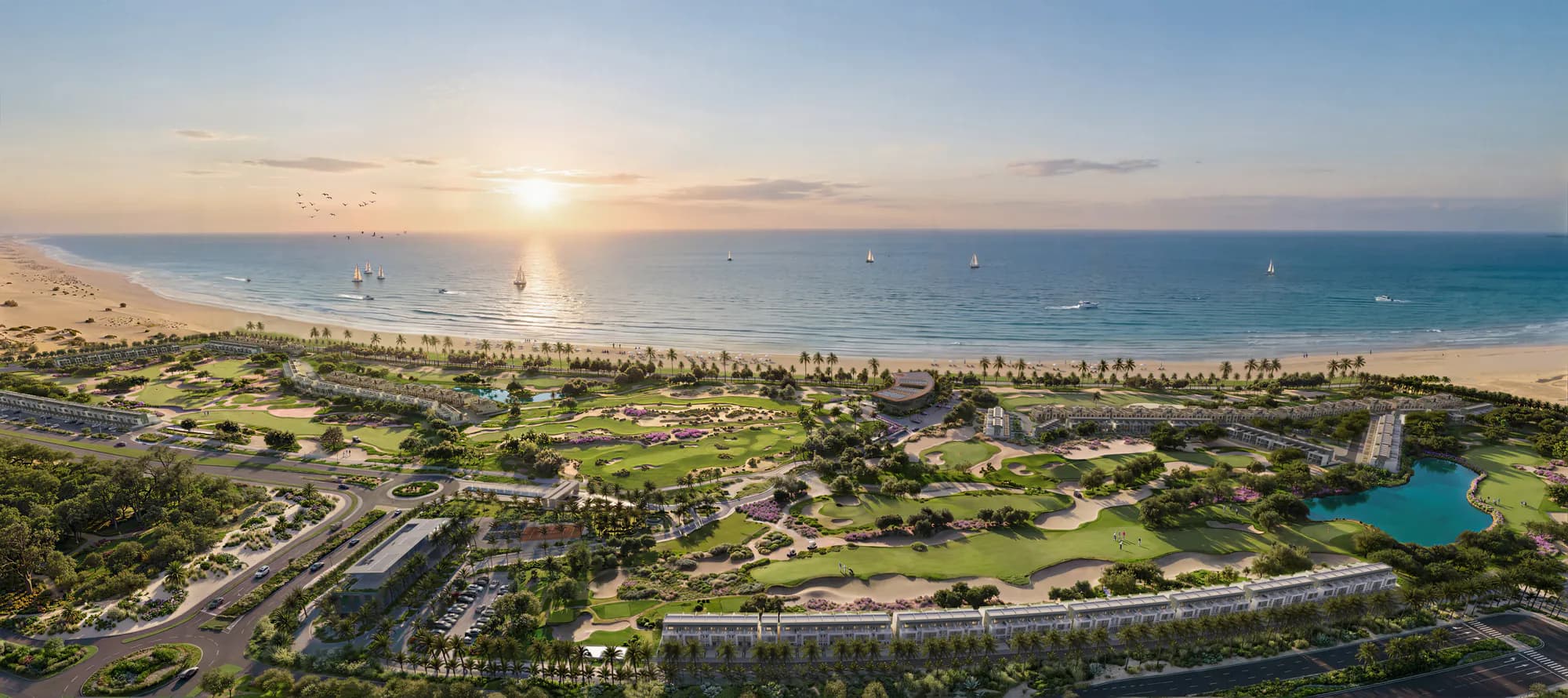 Now selling
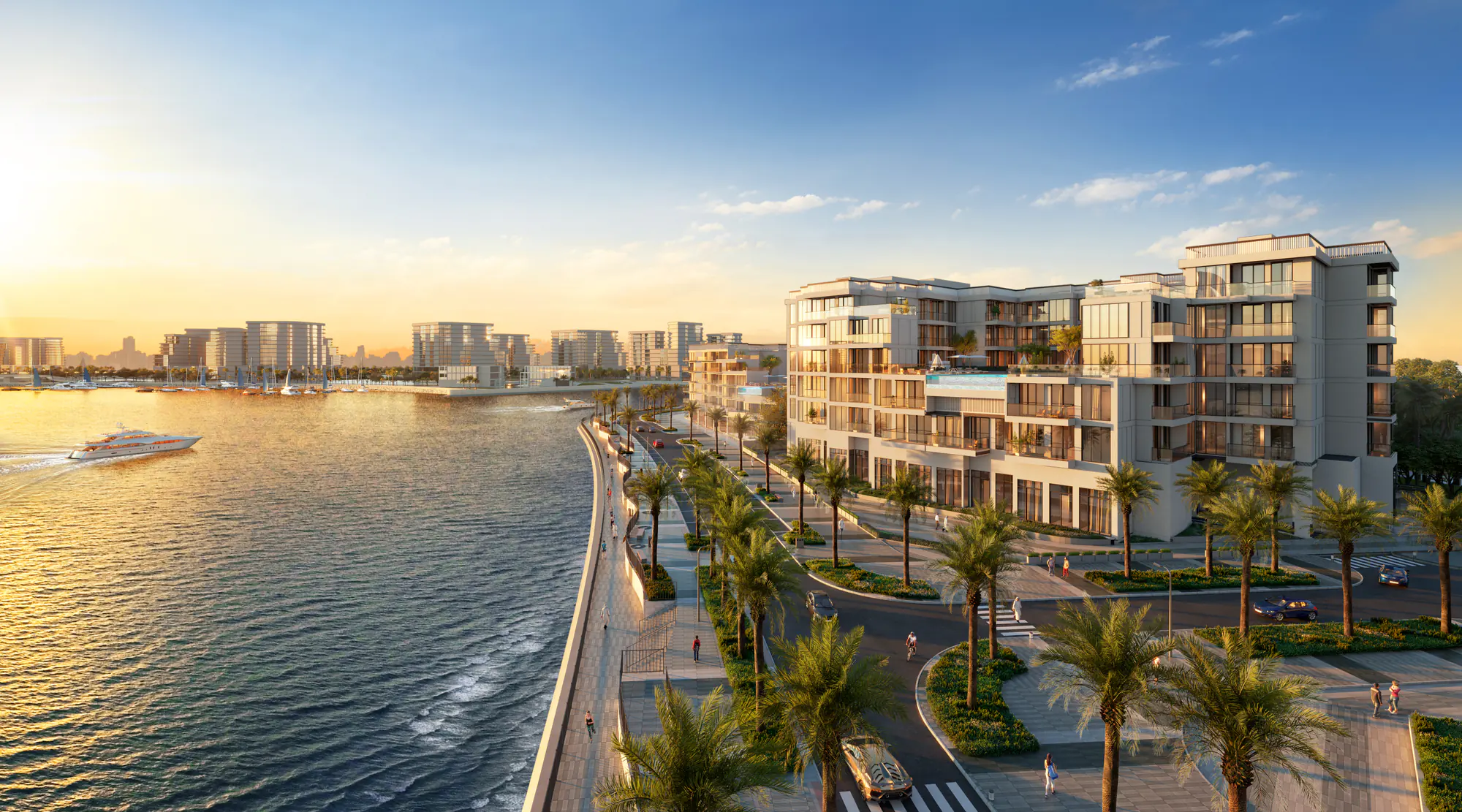 Now selling
 Now selling
More across Qatar.
Private opportunities
Request opportunities.
Current availability, eligibility notes and the Omnia view on each address, sent privately to your desk.