باختصار
- Saudi Arabia’s high-end residential market is still young, but it is maturing fast. Since ownership opened to non-Saudis under the M/14 law in force from 22 January 2026, early capital has moved with discipline, in measured long-term allocations rather than yield-chasing trades.
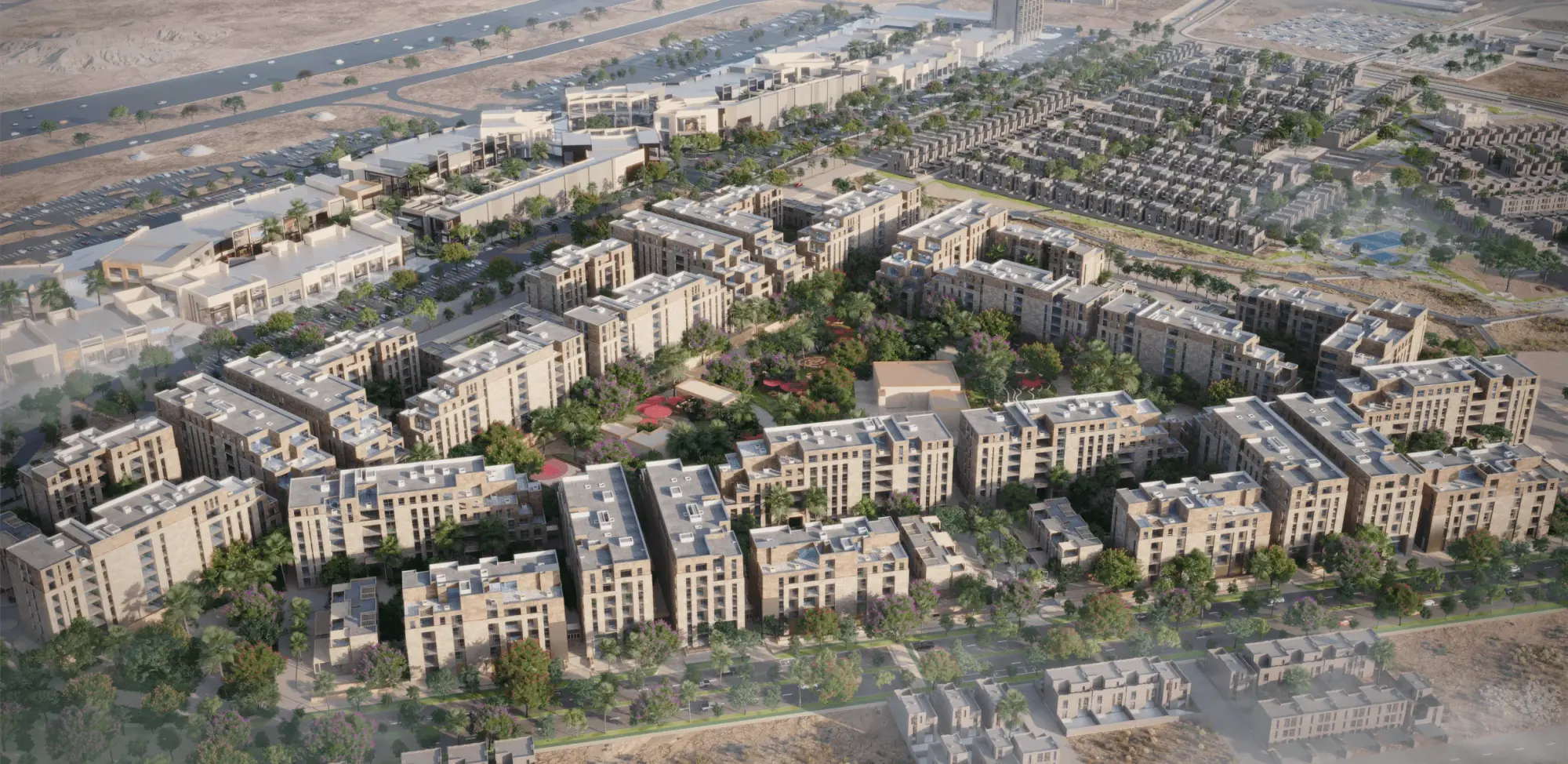
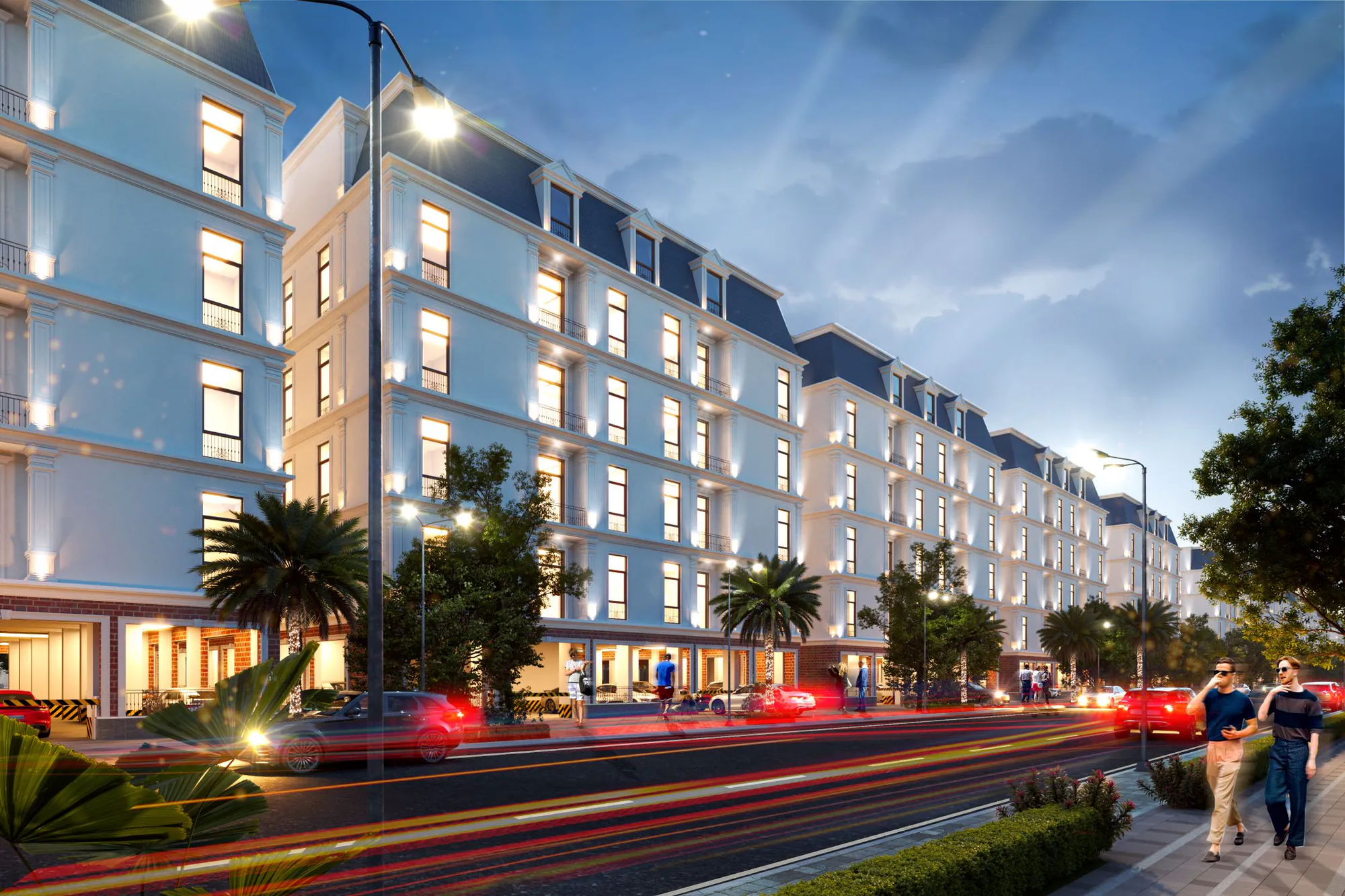
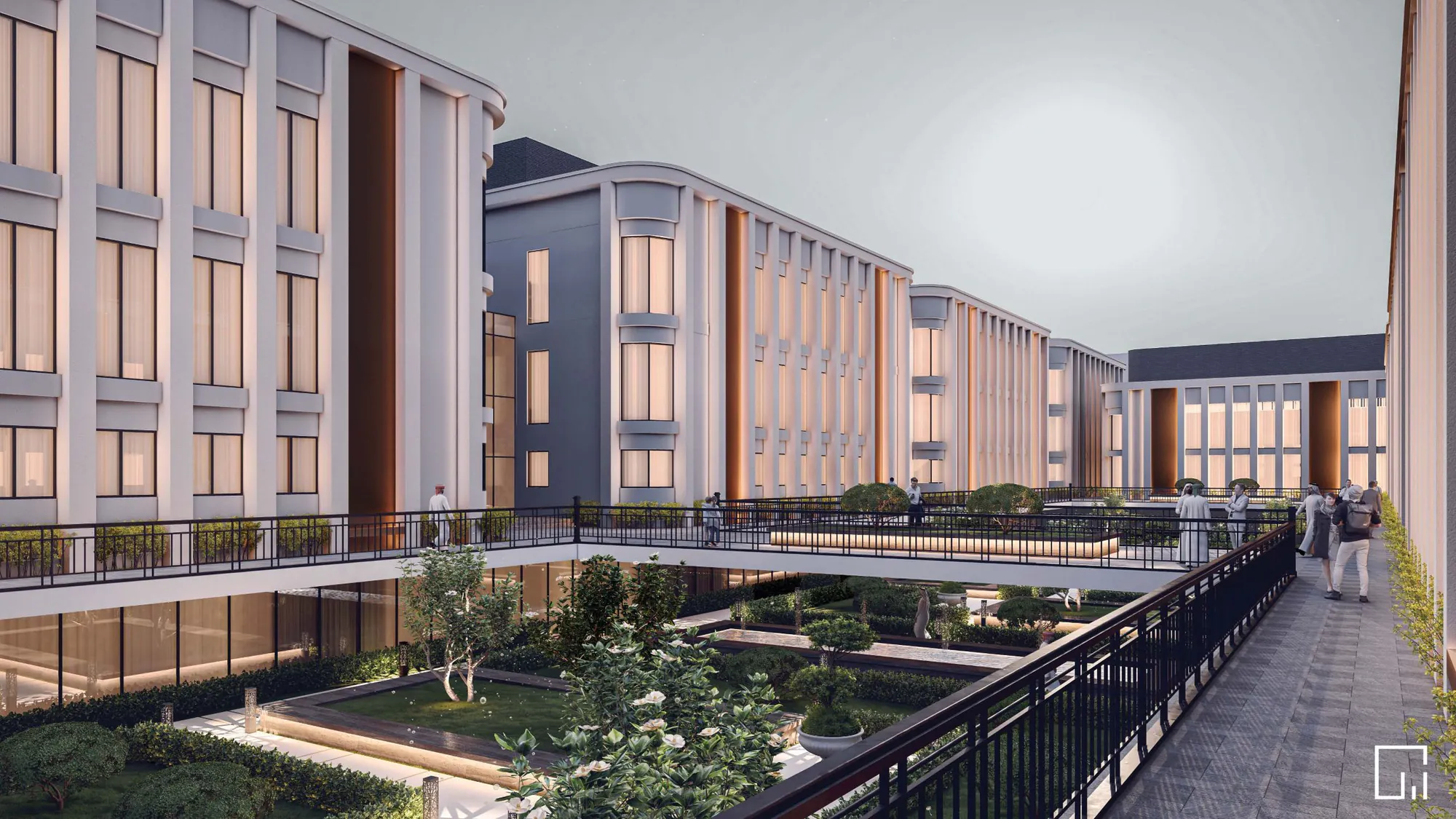
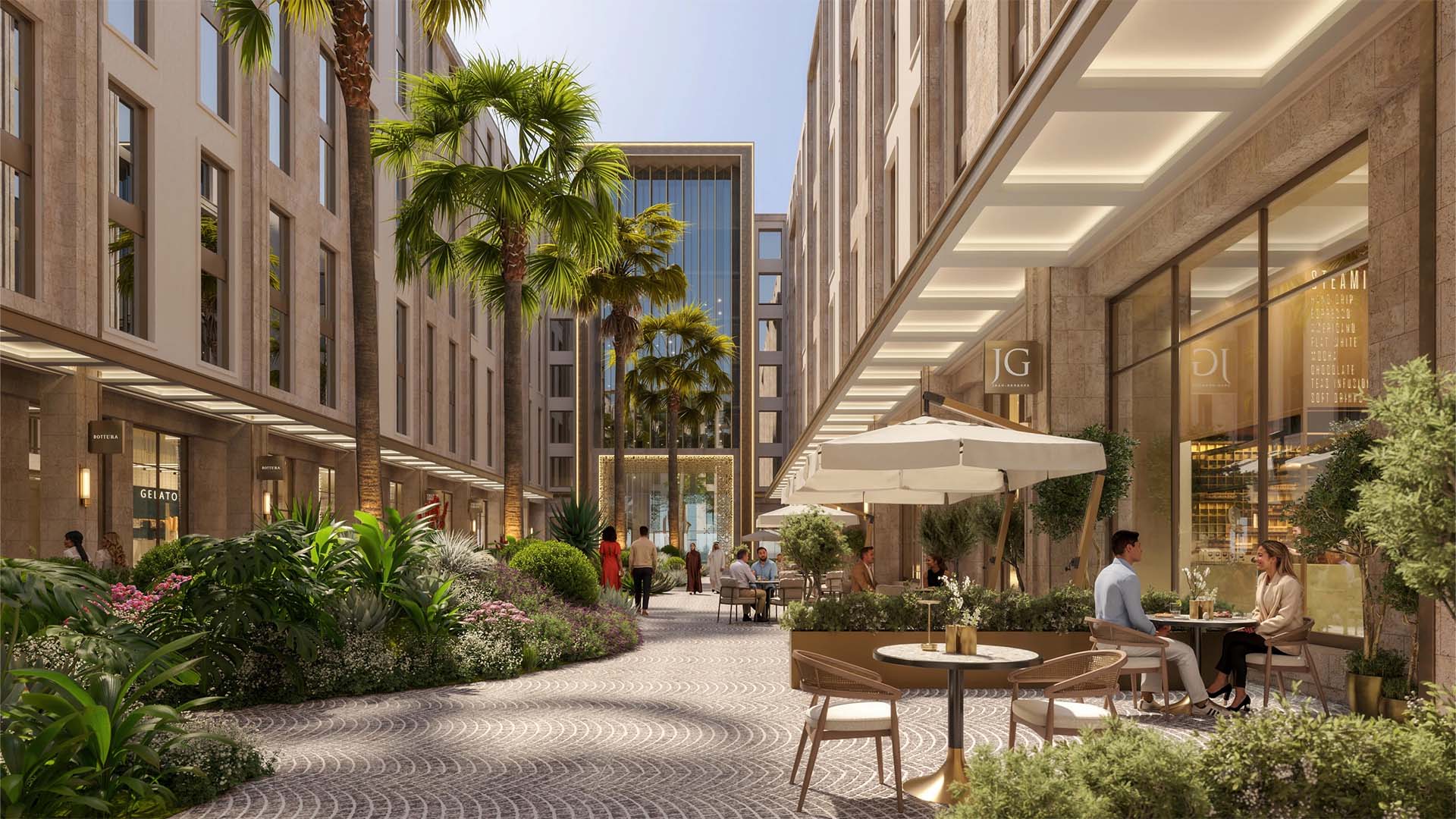
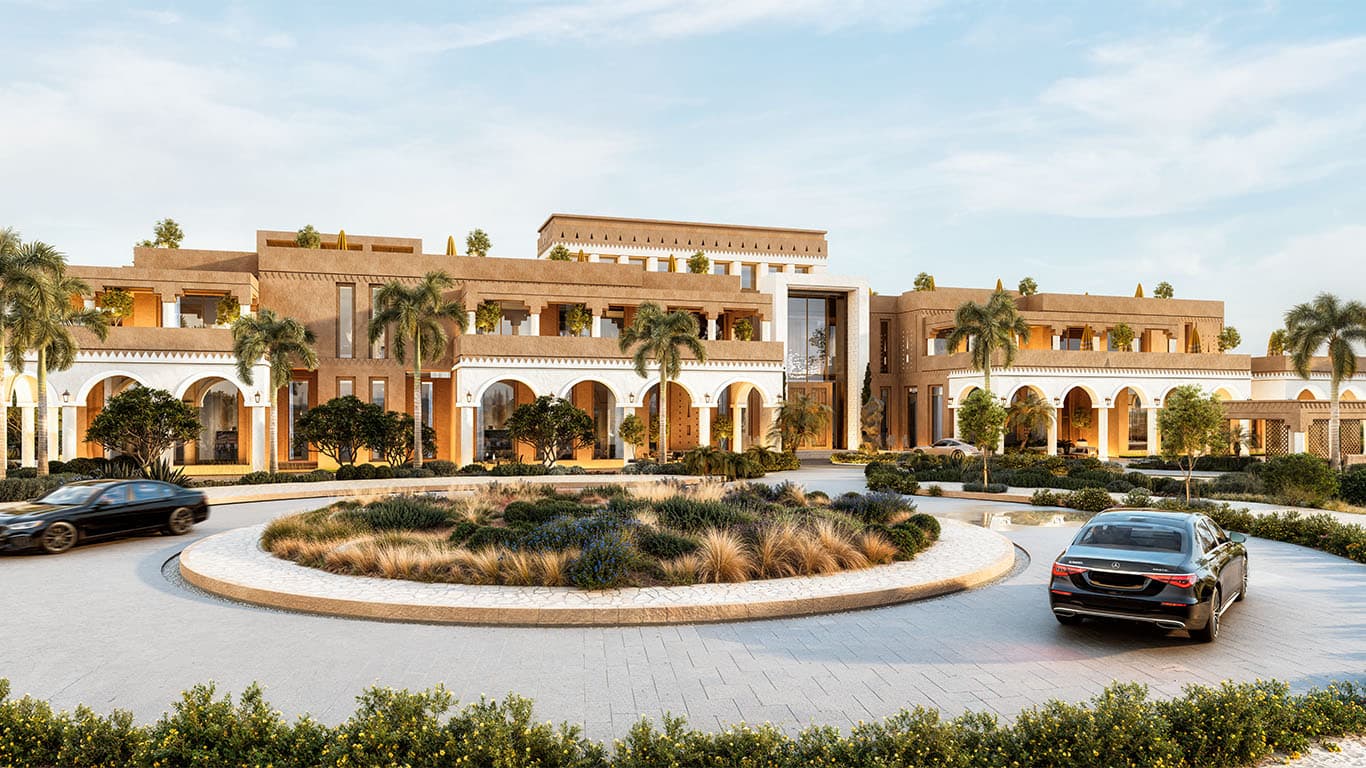
- Wadi Safar is the clearest read on where Riyadh high-end living is heading: low density by design, supply structurally constrained, and shaped by topography rather than engineered for volume, the qualities that tend to age well in a rapidly expanding market.
- Its grounding in Diriyah, the roughly USD 63bn Vision 2030 giga-project around the UNESCO At-Turaif district, gives Wadi Safar a cultural depth that newer purpose-built districts lack. Rayana and Trump International anchor the enclave; see the launch report for the project facts.
- This is not a yield market and is not trying to be. Early buyers underwrite capital positioning and value preservation ahead of infrastructure maturity, treating Wadi Safar like a long-held private estate rather than a rental product.
المحتويات
- 01Why Wadi Safar in Saudi Arabia is taking shape differently.
- 02Vision 2030 as a structural backdrop.
- 03A young market with rapid maturation.
- 04Wadi Safar and the shift toward long-term assets.
- 05How buyer behaviour signals the market’s direction.
- 06Cultural context as the Wadi Safar differentiator.
- 07Privacy, scale, and the changing definition of high-end living.
- 08Not a yield market, and not trying to be.
- 09What Wadi Safar signals about the future.
- 10The Wadi Safar thesis, tied together.
Saudi Arabia’s high-end residential market is still in its early phase, but it is advancing faster than many expected. Since the Kingdom opened its residential property market to international buyers under the M/14 law, in force from 22 January 2026, capital has begun to move with notable discipline. This is not speculative money chasing short-term yield. Early buyers are making measured allocations into limited, long-term assets, positioning ahead of broader market maturity. They are entering early, committing meaningful capital, and underwriting Saudi Arabia as a long-duration play aligned with Vision 2030 rather than as a high-risk frontier market. Within that context, Wadi Safar has emerged as one of the clearest indicators of where high-end living in Saudi Arabia is heading.
This piece is a thesis, not launch news. The headline facts of the enclave, the Rayana mansions and Trump International, are set out in our companion report on the Rayana and Trump International launch at Wadi Safar. What follows reads the project as a signal: why disciplined early capital, structurally low density and the Diriyah cultural setting suggest Wadi Safar is becoming the new standard for Riyadh high-end living.
Why Wadi Safar in Saudi Arabia is taking shape differently.
Globally, high-end real estate markets tend to evolve in predictable ways. Initial attention focuses on branded developments, high-visibility locations and rental performance. Saudi Arabia is diverging from that path. The early phase of this market is being defined by restraint rather than scale. Interest among international buyers is concentrated in low-density, culturally grounded developments rather than vertical towers or short-term rental assets, which reflects a more cautious, institutional mindset among early entrants. Buyers are not attempting to time price spikes. They are positioning capital ahead of infrastructure, regulatory and lifestyle maturation under Vision 2030.
That restraint has a structure behind it. Ownership now runs through a zone-based framework, and the route to long-term residency is tied to real assets: the Real Estate Owner category of Premium Residency requires a mortgage-free home worth at least SAR 4 million, about USD 1 million. The effect is a buyer base that is self-selecting toward durable, high-value holdings rather than churn. Wadi Safar sits squarely in that current.
Vision 2030 as a structural backdrop.
Vision 2030 is often framed as a policy agenda, but for real estate investors it functions more like a structural framework. It provides long-term visibility into infrastructure spending, urban development, tourism and lifestyle investment. Unlike many emerging markets, Saudi Arabia’s transformation is centrally coordinated and sovereign-backed. That matters at the top of the market, where buyers typically allocate capital across multiple jurisdictions and assess geopolitical, regulatory and macroeconomic risk.
Market advisers report that these buyers are less focused on near-term pricing and more concerned with alignment. They want assets that sit within the Kingdom’s long-term vision rather than on its margins. Wadi Safar is one of the clearest examples of that alignment, because it is not a standalone scheme. It is folded into Diriyah, the giga-project that the Public Investment Fund is delivering at a value of roughly USD 63 billion, around SAR 236 billion, across about 14 square kilometres on the north-western edge of Riyadh. Diriyah is built around the UNESCO World Heritage At-Turaif district and, per Diriyah Company, targets about 100,000 residents, around 180,000 jobs, an economic contribution above USD 18.6 billion and more than 50 million visits a year by 2030. A home at Wadi Safar is, in effect, a position inside that programme.
What separates this from a masterplan on paper is the pace of spend behind it. Diriyah Company had passed SAR 100 billion, about USD 27 billion, in cumulative contract awards since inception by 2025, with multi-billion-riyal packages signed across hospitality, retail, culture and utilities. Wadi Safar itself is backed by committed capital rather than intent: Diriyah Company signed a SAR 6 billion, around USD 1.6 billion, financing agreement with Banque Saudi Fransi in 2025 to fund the masterplan. For a buyer underwriting a decade-long hold, that delivery momentum lowers the single largest risk in an early-stage market, the risk that the surrounding programme stalls.
A young market with rapid maturation.
Saudi Arabia’s high-end residential market remains young by international standards. Transaction data is limited. Price discovery is still under way. Buyer education is ongoing. But the pace of maturation is unusually fast. Legal clarity around international ownership has improved sharply, the development standard has risen quickly, and buyer profiles are becoming better defined. This acceleration is compressing what would normally be a multi-decade market evolution into a much shorter timeframe.
The regulatory step is the clearest marker. For the full mechanics, see our explainer on the law of real estate ownership by non-Saudis and the wider read on how the Kingdom opened its property market to foreign buyers. Against that backdrop, the question for a buyer is no longer whether they can own, but where the early capital is settling, and why.
Wadi Safar and the shift toward long-term assets.
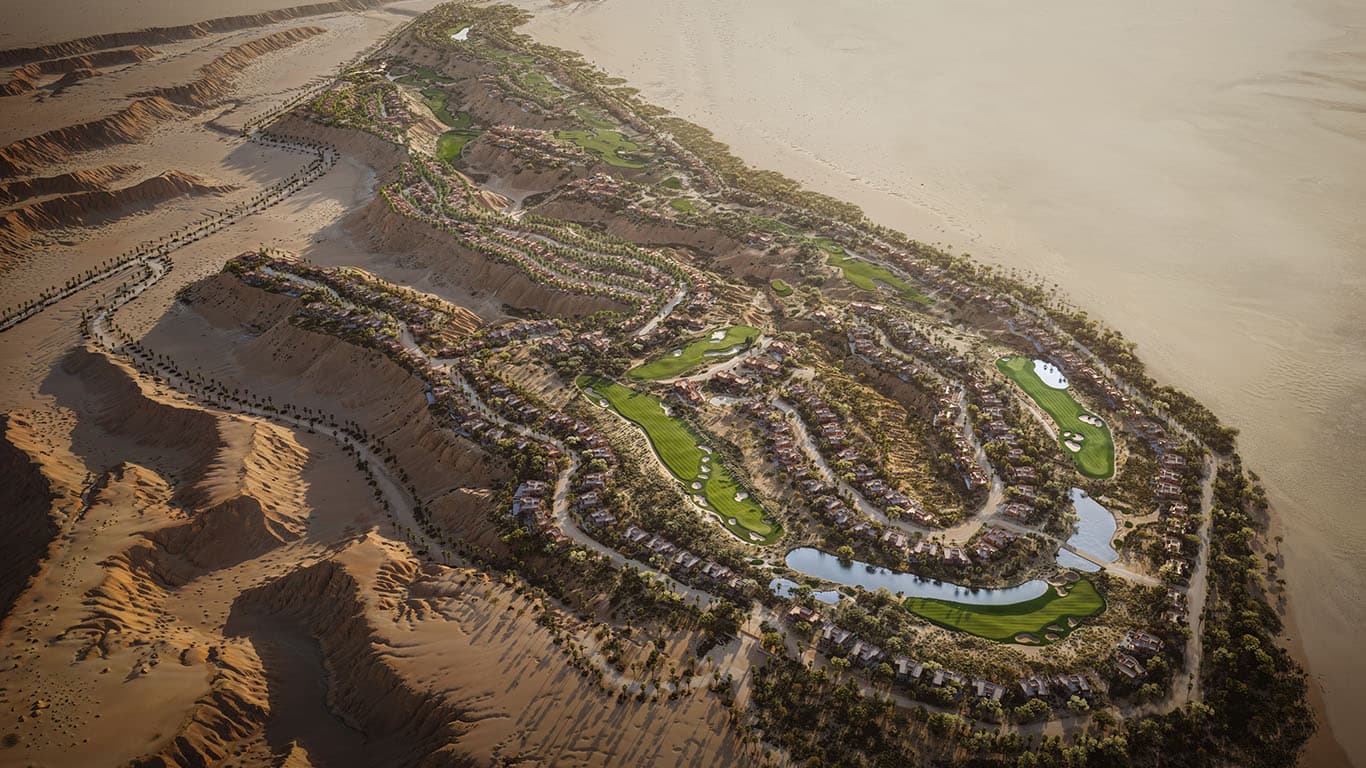
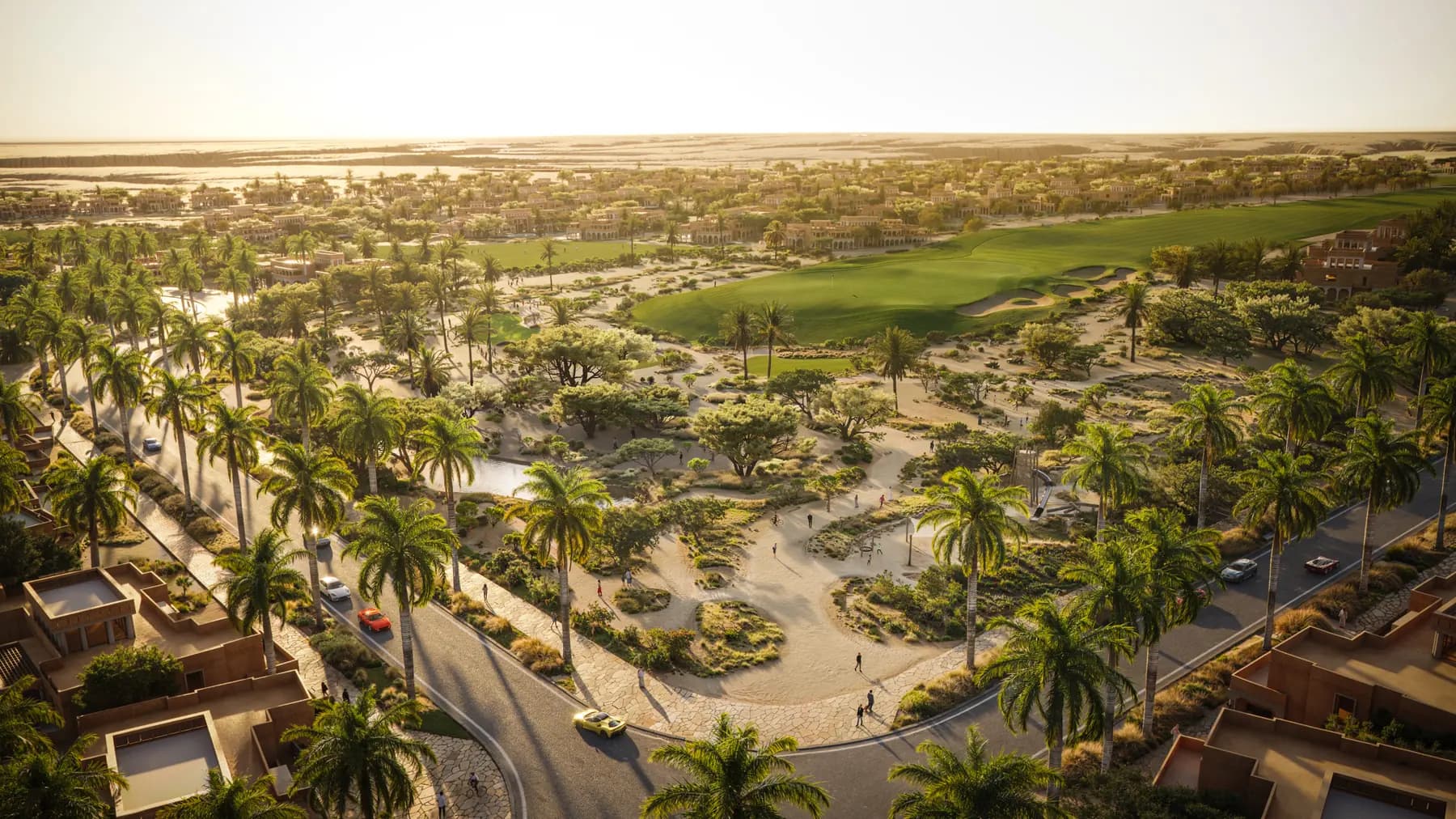
Wadi Safar differs from many high-profile developments in the region in several important ways. It is low density by design. Supply is structurally constrained. The development is shaped by natural topography rather than engineered for maximum volume. The masterplan spans roughly 62 square kilometres yet is dominated by golf, hospitality, equestrian and open landscape rather than housing density. Within it, Rayana, the semi-gated mansion community that DarGlobal is building with the Trump Organization, spreads a developer-stated footprint of several million square metres across only a limited collection of 6 to 8 bedroom estates, with individual residences running from roughly 1,900 to 7,000 square metres of built-up area, a SAR 338 million infrastructure contract awarded in June 2026 and handover read toward the end of 2029. That ratio of land to homes is the point.
For an early-stage market, this kind of restraint is significant. Low-density developments tend to age better, particularly where expansion is rapid. They offer insulation from overbuilding and are less exposed to shifts in buyer sentiment. Buyers evaluating Wadi Safar are not comparing it to rental-driven towers or resort-style schemes. They are comparing it to long-held private estates and legacy properties in established global markets.
| Attribute | At Wadi Safar | Why it matters |
|---|---|---|
| Density | Low by design; mansions dispersed, not clustered | Ages better and resists overbuilding in a fast-expanding market |
| Supply | Structurally constrained; a limited collection of estates | Scarcity supports long-run value over rental churn |
| Setting | Inside Diriyah, by the UNESCO At-Turaif district | Cultural grounding lends permanence and narrative |
| Underwriting basis | Capital positioning, not rental yield | Aligns with patient, long-duration capital |
Source: Omnia read of DarGlobal, Diriyah Company and PIF disclosures, 2026. Indicative; not investment advice.
How buyer behaviour signals the market’s direction.
One of the clearest indicators of a market’s future direction is who enters first. In Saudi Arabia’s high-end segment, early buyers tend to fall into a few broad groups.
- International families. Diversifying geographic exposure rather than replacing existing holdings, often adding a Riyadh base to a global portfolio.
- Regional capital. Seeking proximity to decision-making and to the economic transformation under way.
- Executives and principals. Spending increasing time in Riyadh and requiring permanent residential bases rather than serviced stays.
Across these groups a consistent theme emerges. Capital is being allocated early into stable, long-term assets rather than into yield-driven products. That behaviour suggests confidence in the underlying trajectory of the market rather than in short-term performance, and it is exactly the profile a low-density enclave like Wadi Safar is built to attract.
The early data fits that read. Even in a Q1 2026 quarter when national transaction volumes roughly halved and Riyadh deal activity fell about 82% year on year, Knight Frank still recorded Riyadh prices rising. Buyers stepped back from volume, not from value. At the top of the market that pattern is amplified: discretionary capital can wait for the right asset and rarely needs to transact, so the behaviour to watch is not how many deals close in a quiet quarter but which assets the patient money commits to first.
Cultural context as the Wadi Safar differentiator.
Globally, the highest-performing top-tier assets tend to share one characteristic: cultural relevance. Wadi Safar’s position within Diriyah places it in a landscape of national and historical significance. That gives the development a contextual depth which newer, purpose-built districts often lack. The surrounding masterplan reinforces it. Diriyah Company has committed about USD 2.13 billion, around SAR 8 billion, to build four hotels at Wadi Safar, Aman, Six Senses, The Chedi and Faena, alongside the Royal Diriyah Equestrian & Polo Club, with a Greg Norman signature golf course, an 18-hole championship layout plus a 9-hole academy, at the centre of the destination.
For international buyers, cultural grounding increasingly matters. It signals permanence and narrative rather than transient appeal. Developments tied to heritage and place tend to attract more patient capital and to experience lower volatility over time. At Wadi Safar, the heritage of At-Turaif and the depth of the surrounding hospitality and sporting offer are doing work that marketing alone cannot.
Privacy, scale, and the changing definition of high-end living.
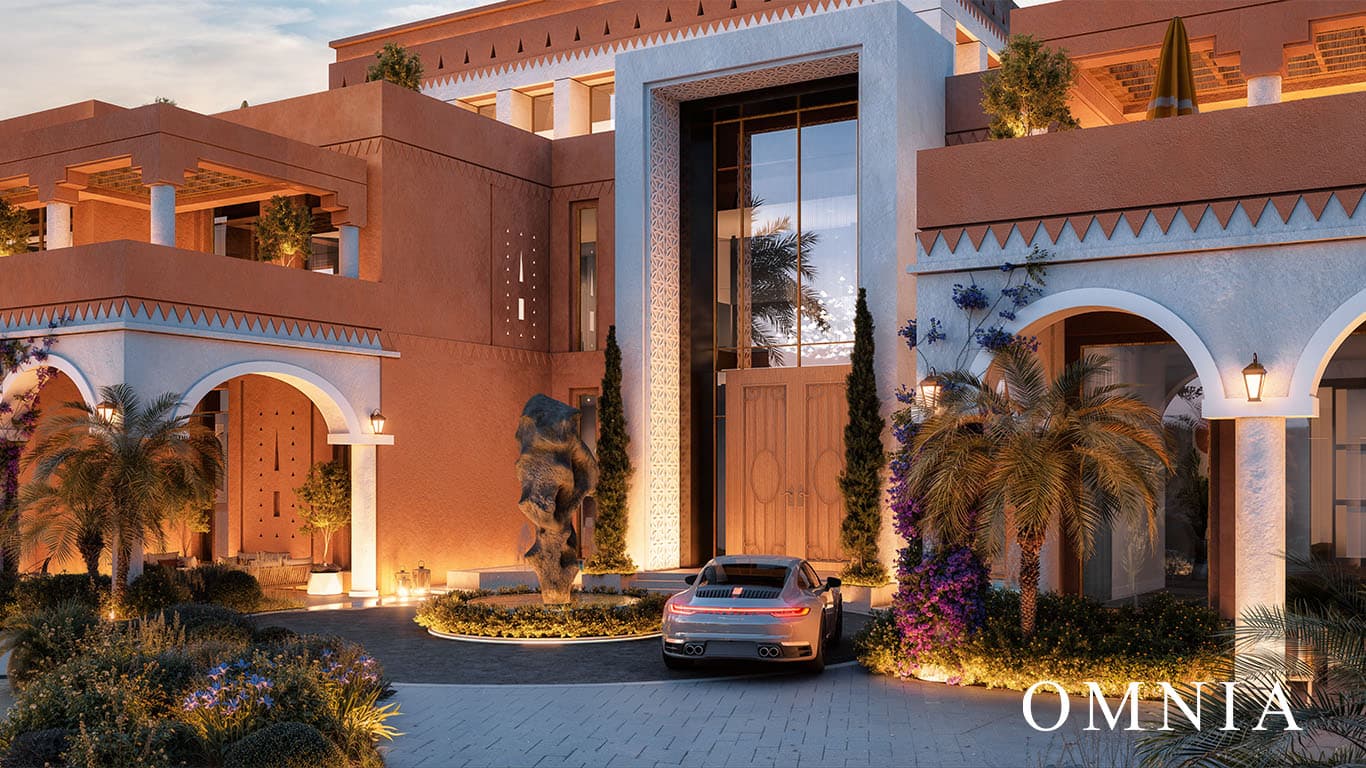
Buyer preferences are shifting. High-visibility, dense developments are losing appeal among the wealthiest buyers. Privacy, control and spatial separation are becoming more important. Wadi Safar reflects that shift. Residences are dispersed rather than clustered, and the architecture prioritises integration with the land rather than dominance over it. Rayana’s two collections make the point in built form: an Ultimate Custom, shell-and-core line for buyers who want to shape their own interiors, from about SAR 25 million, around USD 6.66 million, and Trump Mansions delivered with signature interiors for those who want a finished home, where third-party listing data puts entry pricing from about SAR 55 million, all with 100% foreign freehold. The spread between the two lines is itself a signal: the finished, branded product carries a clear premium over the shell, which is how mature estate markets price the cost of turnkey delivery and provenance.
This approach resonates with buyers who view high-end living as functional rather than performative. Privacy and low density are now among the most frequently cited drivers of interest in Saudi purchases at this level, and they are precisely what a constrained, topography-led enclave can offer.
Buyers evaluating Wadi Safar are not comparing it to rental-driven towers. They are comparing it to long-held private estates in established global markets, and underwriting it the same way.
Not a yield market, and not trying to be.
Saudi Arabia’s high-end residential market is not being built around rental yield. Rental demand will evolve, but most early buyers are not underwriting acquisitions on income performance. They are prioritising capital positioning and long-term value preservation. That is consistent with early-stage high-end markets globally, where capital growth tends to follow infrastructure maturity rather than lead it.
The macro picture supports that patience without depending on it. Knight Frank’s Q1 2026 review records Riyadh apartment values up 6.3% and villa values up 4.9% year on year, even as national transaction volumes roughly halved and Riyadh deal activity fell about 82% year on year on affordability pressure and regional uncertainty. The split is the point: prices held while volumes cooled, which is the signature of a market underpinned by structural demand rather than churn. Knight Frank reads a need for around 115,000 new homes a year to 2030 to meet national demand, and JLL, Knight Frank and S&P Global project sustained appreciation of roughly 4-6% a year through 2030 on Vision 2030 delivery and EXPO 2030 preparation. Those figures are illustrative and apply to the broad market rather than to a constrained mansion enclave, which trades on scarcity rather than an index. For a buyer at Wadi Safar, the index is a tailwind, not the thesis.
What Wadi Safar signals about the future.
Wadi Safar is less important as a standalone project than as a signal. It suggests Saudi Arabia’s high-end market will prioritise quality over quantity, cultural grounding over imported aesthetics, and long-term alignment over short-term metrics. As Vision 2030 continues to reshape the Kingdom’s urban and economic environment, developments that reflect these priorities are likely to set the benchmark for future projects. Read the signal honestly and three working rules follow.
- Weigh scarcity, not the index. A constrained, low-density enclave is underwritten on supply discipline and setting, not on a national price forecast.
- Treat the Diriyah setting as the asset. The heritage grounding, the golf, hospitality and equestrian masterplan, and the Vision 2030 backing are the durable value, not the brand badge alone.
- Underwrite for the long duration. Capital growth here is expected to follow infrastructure maturity, so the horizon is a decade, not a flip.
The Wadi Safar thesis, tied together.
Saudi Arabia’s high-end residential market is still forming, but its direction is becoming clearer. Early capital is entering with discipline. Buyers are making long-term allocations rather than speculative bets. Developments that combine low supply, cultural relevance and alignment with Vision 2030 are attracting the most serious interest. Wadi Safar stands out not because of scale or spectacle, but because it reflects how this market is maturing. As the Kingdom’s transformation continues, it may come to be seen as one of the early reference points for what Riyadh high-end living was always intended to become.
For the launch specifics, read our report on the Rayana and Trump International project at Wadi Safar. To weigh the wider opportunity, see the Saudi Arabia market hub and browse developments across Riyadh. Every figure here is indicative and not investment advice; confirm project specifics with the developer before committing.
استشارة
تحدّث إلينا على انفراد.
مستشار من أومنيا حول التوافر والهيكلة والتوقيت في هذه الأسواق.
 متاحوادي صفارريانة ترامب مانشنز، وادي صفارتبدأ من4,294,017 £النوعمساكناستكشف الإقامة