Buying property on the Montenegrin coast
Buying on the Montenegrin coast follows a civil-law path: a reservation deposit under a preliminary contract, due diligence on the cadastre, a notarised sale and purchase contract, then registration of title at the Real Estate Administration. End to end it usually takes two to four months. Here are the five stages, and the roles the notary and your lawyer each play.
- روجِع من قبل
- مكتب أومنيا
- آخر مراجعة
- 13 يونيو 2026
- زمن القراءة
- 8 دقائق
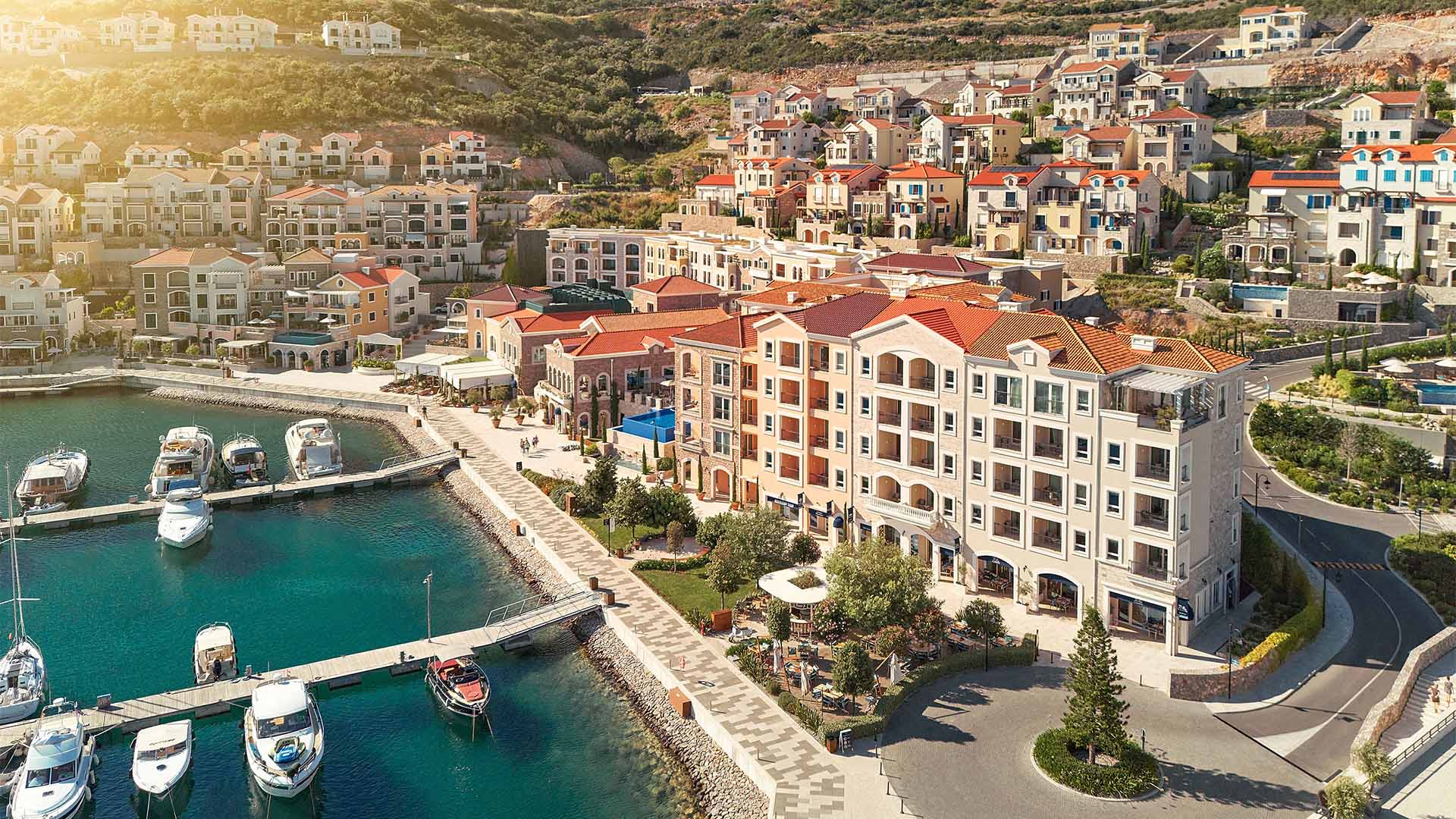
لمحة سريعة
الأساسيات، قبل أن تقرأ.
A buyer need not be in the country: a notarised power of attorney lets a lawyer complete on your behalf. The cost is concentrated in the transfer.
- Reservation deposit
- Typically 10%
- Notarisation
- Mandatory
- Registry
- Real Estate Administration
- Transfer tax (resale)
- 3% / 5% / 6%
- New-build
- 21% VAT instead
- Total buyer costs
- About 5-8%
- Timeline
- 2-4 months
- Buyer presence
- Not required
في هذه الصفحة
A short, well-ordered conveyance.
The coast runs on a civil-law path: deposit, notarised contract, cadastre registration. Most purchases complete in two to four months.
Buying in Tivat, Boka Bay or Budva follows the same five steps as anywhere on the coast. A reservation deposit under a preliminary contract takes the property off the market. Your lawyer runs due diligence on the cadastre. A notarised sale and purchase contract transfers the deal into binding form. Tax is settled. Then title is registered at the Real Estate Administration, the state cadastre, and the property is yours in law.
Two features define the process. Notarisation is mandatory: a contract has no legal validity until a Montenegrin notary certifies it. And the cadastre is the moment that counts, not the handshake or the deposit. The mechanics are quick, which is precisely why the diligence belongs at the front, before any money moves.
- Five stages: reservation deposit, due diligence, notarised contract, tax settlement, then registration at the Real Estate Administration.
- Notarisation is mandatory. Without it the sale and purchase contract has no legal validity.
- Budget two to four months end to end; cadastre registration alone takes roughly two to six weeks once the file is complete.
- Allow about five to eight percent of the price for total transaction costs on a resale.
- You need not be in the country: a notarised power of attorney lets a lawyer complete on your behalf.
From reservation to registered title.
Five stages, with the diligence sitting before the deposit, not after it.
- Reservation and preliminary contract
Terms are agreed and a preliminary contract, the predugovor, is signed. A deposit, typically 10% of the price, is paid, usually into the lawyer's escrow account. If the buyer withdraws without cause the deposit is normally forfeited; if the seller withdraws it is commonly returned doubled.
- Due diligence on the cadastre
Your lawyer pulls a fresh extract from the Real Estate Administration, verifiable online via eKatastar, to confirm ownership and that the property is free of mortgages, liens or disputes. This is also where any land-type restriction, occupancy permit or company structure is checked.
- Notarised sale and purchase contract
The main contract, the kupoprodajni ugovor, is certified by a Montenegrin notary. The notary verifies identities, confirms there are no encumbrances, and the contract carries the clausula intabulandi, the seller's authorisation for the buyer to be registered. The appointment itself takes hours.
- Tax settlement and the balance
The balance of the price is paid. On a resale the buyer self-assesses the real estate transfer tax and pays it within 15 days of the contract date; a new-build carries 21% VAT instead, usually already in the price. Agency and legal fees are settled here too.
- Registration of title
The notarised contract is lodged with the Real Estate Administration and the buyer is registered as owner, which takes roughly two to six weeks once the file is complete. Only on registration is the ownership legally effective and the cadastre updated in your name.
The notary and the lawyer.
Two distinct roles. One is required by law; the other protects your interest.
The notary is a public official, not your representative. Certification of the sale and purchase contract is mandatory, and without it the contract has no legal validity. The notary verifies the parties' identities, confirms the property is unencumbered, certifies the deed and lodges it with the cadastre. The notary is neutral: the role is to make the transaction valid, not to advance one side.
Your lawyer, engaged separately, acts for you. They run the due diligence on the cadastre, draft and negotiate the contract, hold the deposit in escrow, settle the tax and file for registration. Where the buyer is abroad, a notarised power of attorney lets the lawyer reserve, sign and complete remotely. For a cross-border purchase the two roles together are non-negotiable: the notary gives the deal validity, the lawyer gives you protection.
Costs and the timeline.
About five to eight percent on a resale, with the transfer tax the largest single line.
| Item | Amount | When |
|---|---|---|
| Reservation deposit | Typically 10% | On the preliminary contractcredited to the price |
| Transfer tax (resale) | 3% / 5% / 6% | Within 15 days of contractprogressive by band |
| New-build (instead) | 21% VAT | Usually in the price |
| Notary fee | Scaled, capped | At certificationrises with value |
| Legal fees | About 1-2% | Across the process |
| Agency commission | About 3-5% | Payer agreed in writing |
| Total buyer costs | About 5-8% | Resale, all in |
On a resale the headline cost is the real estate transfer tax, progressive since 1 January 2024: 3% on value up to EUR 150,000, then EUR 4,500 plus 5% on the slice to EUR 500,000, then EUR 22,000 plus 6% above. The buyer pays it, self-assessed and filed within 15 days of the contract. A new-build bought from a developer is different: it carries 21% VAT in place of transfer tax, normally already inside the asking price, so confirm the contract states the price is VAT-inclusive.
On timing, plan for two to four months from accepted offer to registered ownership. The notary appointment runs in hours; registration at the cadastre is the longer wait, roughly two to six weeks once the file is complete. A clean title and a responsive seller keep it at the short end; an occupancy-permit gap or a land-type complication extends it.
Have Omnia run the cadastre, title and structure checks on a specific Tivat, Boka Bay or Budva address before you sign the predugovor.
Foreign buyers and the land question.
Foreigners buy built residential property freely. The exceptions are about land, not apartments.
Foreigners buy apartments, houses, villas and commercial units on the same footing as nationals, with no reciprocity test and no residency required to own. For most coastal purchases, a marina apartment or a hillside villa, there is no restriction at all and no special structure needed.
The limits concern land type, not buildings. A foreign individual cannot directly own agricultural land, forest, islands or land in the border zone, though up to 5,000 square metres of such land may be taken where a residential building on it forms part of the same contract. The usual workaround for restricted land is a Montenegrin company, a d.o.o., which counts as a domestic entity and buys without the restriction. Your lawyer's due diligence flags whether any of this applies before you reserve.
The residency question, and the outlook.
Ownership and residency are separate decisions. The route tightened in early 2026.
Buying does not by itself grant residency. Since 17 January 2026, a property used to ground a temporary residence permit must hold a registered taxable value of at least EUR 150,000 and an occupancy permit, where before there was no minimum. Citizens of the EU, Iceland, Liechtenstein, Norway and Switzerland are exempt from the route. The permit is temporary, one year and renewable, and it does not grant citizenship: the citizenship-by-investment programme closed at the end of 2022 and has not reopened.
The wider thesis is EU accession. Montenegro has opened all 33 negotiating chapters and provisionally closed 14 as of March 2026, with the government aiming to close the rest by end-2026 and join around 2028. That date is a government aspiration, not an EU commitment, and the rule-of-law chapters remain the binding constraint. The well-advised buyer treats the coast on its own merits today, with accession as upside rather than the reason to buy.
رؤية أومنيا
Montenegro's conveyancing is short and well-ordered, which lulls the unprepared. The deposit is paid early and the contract notarised quickly, so the diligence that protects you belongs before the predugovor, not after it.
مرجع
مصطلحات أساسية، معرّفة.
- Predugovor
- The preliminary, or reservation, contract. It fixes the price and terms and is secured by a deposit, typically 10%, usually held in the lawyer's escrow account.
- Kupoprodajni ugovor
- The main sale and purchase contract. It has no legal validity until a Montenegrin notary certifies it.
- Clausula intabulandi
- The seller's express authorisation, carried in the notarised contract, for the buyer's ownership to be registered. Without it the cadastre cannot record the transfer.
- Real Estate Administration
- The state cadastre and land registry (Uprava za nekretnine), where title is finally registered. Ownership records can be checked online before purchase via the eKatastar portal.
- Notar
- The public notary (javni biljeznik) who verifies identity, confirms the property is unencumbered, certifies the contract and lodges the deed with the cadastre.
- d.o.o.
- A Montenegrin limited company. Even when wholly foreign-owned it counts as a domestic entity, the usual route for land a foreign individual cannot hold directly.
أسئلة شائعة
إجابات، بعبارات واضحة.
How long does it take to buy property on the Montenegrin coast?
Typically two to four months from accepted offer to registered ownership. The notary appointment itself takes hours, and registration at the cadastre runs roughly two to six weeks once the file is complete. Due diligence, the predugovor and the final contract occupy the time in between.
Do I need a notary and a lawyer, or just one of them?
Both, and they do different jobs. Notarisation is mandatory: the contract has no legal validity without it, and the notary verifies identities, confirms the property is unencumbered and lodges the deed. A lawyer, engaged separately, runs the due diligence, drafts and negotiates the contract and files for registration. We would not buy here without independent legal counsel.
What does it cost to buy, beyond the price?
Budget roughly five to eight percent of the price for all transaction costs on a resale. That covers the real estate transfer tax (progressive at 3%, 5% then 6% by band), notary fees, legal fees of about one to two percent, and agency commission of about three to five percent. A new-build from a developer carries 21% VAT instead of transfer tax, normally already in the asking price.
Can I buy without travelling to Montenegro?
Yes. A notarised power of attorney lets your lawyer reserve, sign and complete on your behalf, so physical presence is not required. Many cross-border buyers complete remotely. We still recommend seeing the property and the location in person before you commit.
Does buying property on the coast give me residency?
Not automatically. Since 17 January 2026 a property must hold a registered taxable value of at least EUR 150,000, with an occupancy permit, to ground a temporary residence permit. Citizens of the EU, Iceland, Liechtenstein, Norway and Switzerland are exempt from the route. The permit is temporary and renewable, and ownership and residency are separate decisions.
هذا الدليل معلومات عامة، وليس مشورة استثمارية أو قانونية أو ضريبية. تتطوّر الأنظمة؛ والأرقام إرشادية وصحيحة في تاريخ آخر مراجعة. تحدّث مع مستشار أومنيا للحصول على إرشاد يناسب ظروفك.
أدلة ذات صلة.
- التملّك
Can foreigners buy property in Montenegro?
الجبل الأسود · 11 دقيقة - الإقامة
Montenegro residence permit through property
الجبل الأسود · 10 دقائق - على الخارطة
Branded residences at Boka Bay and Kolasin
الجبل الأسود · 11 دقيقة
مشاريع ذات صلة.
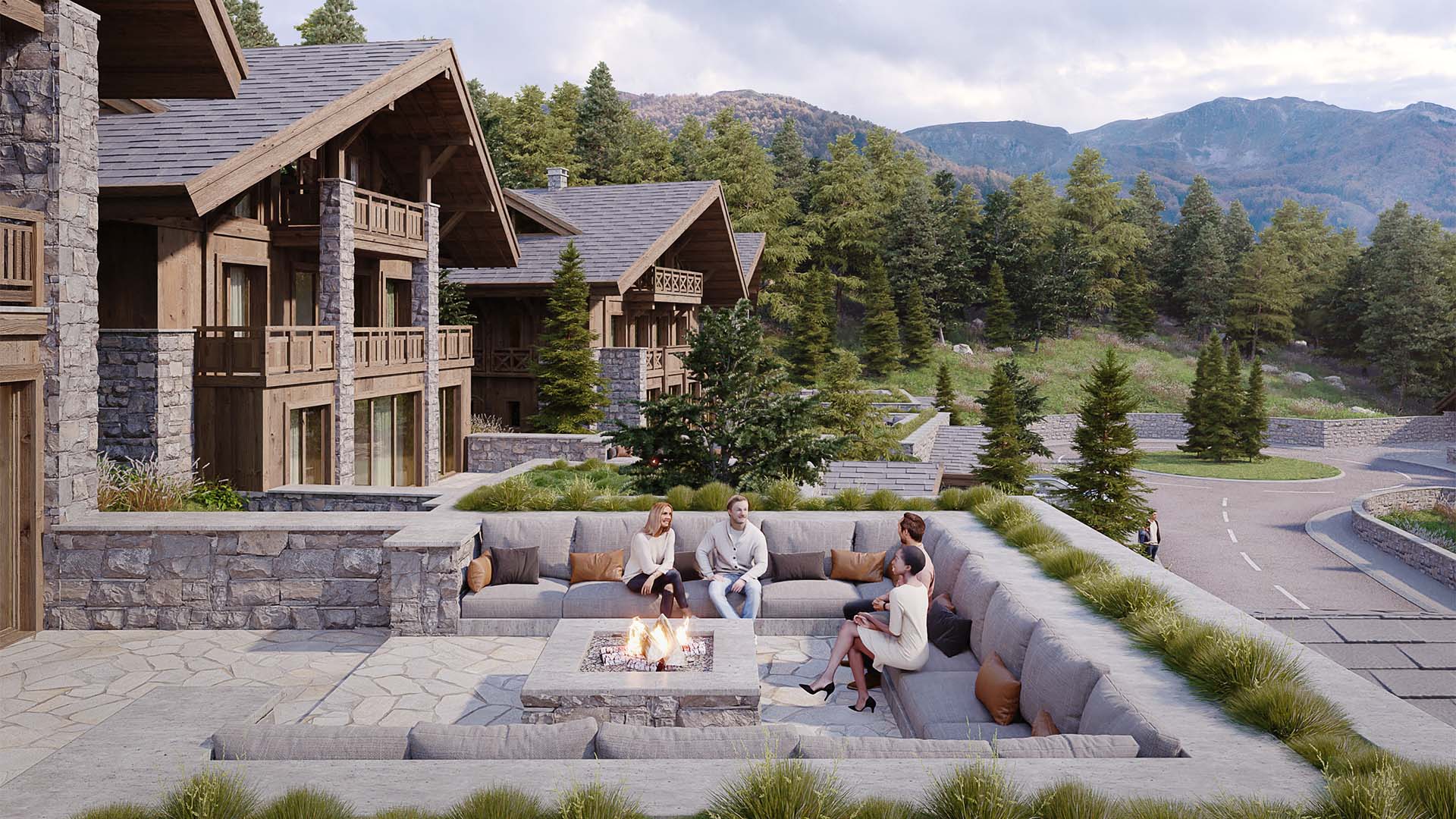 للبيع الآن
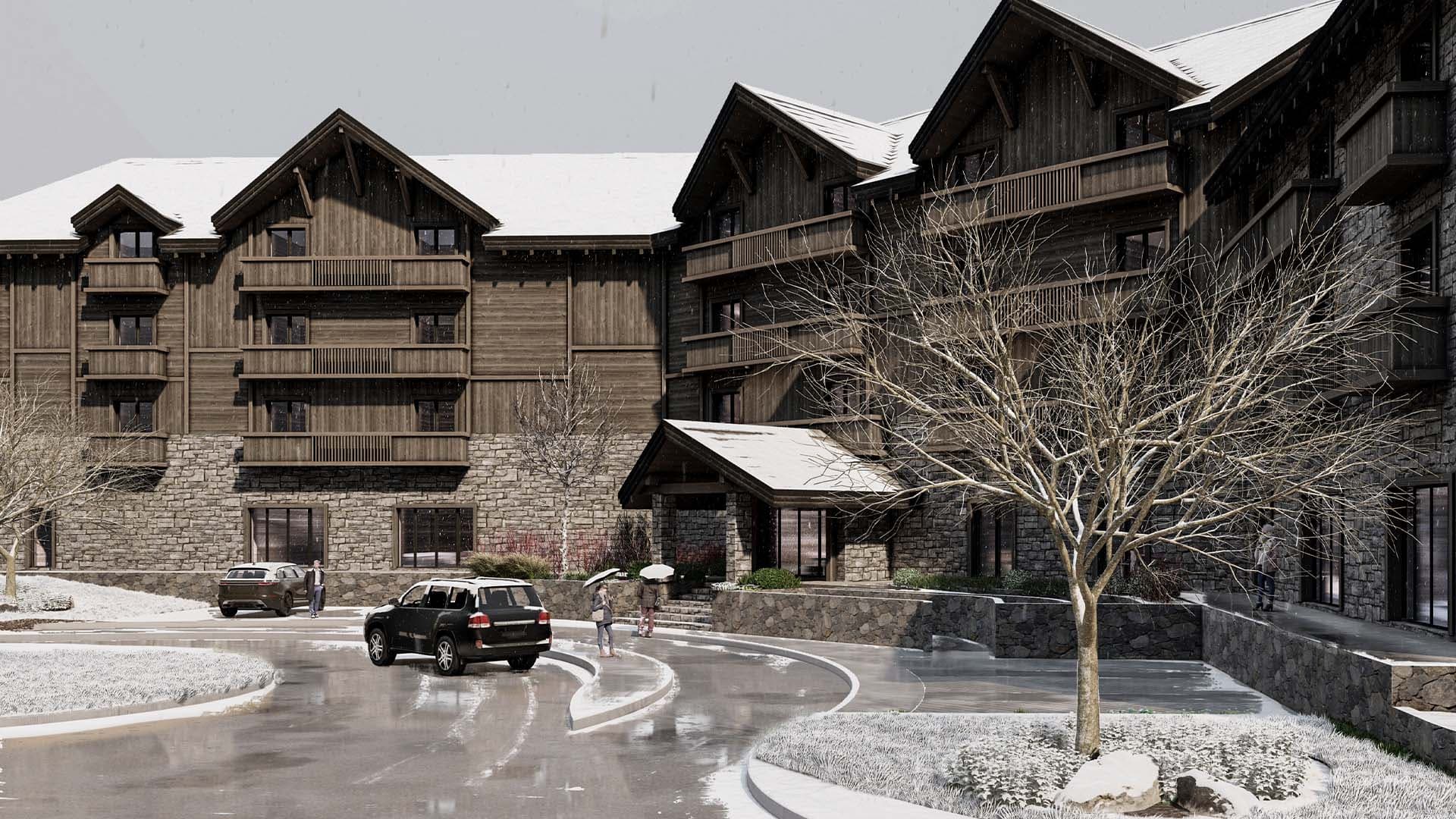 للبيع الآن
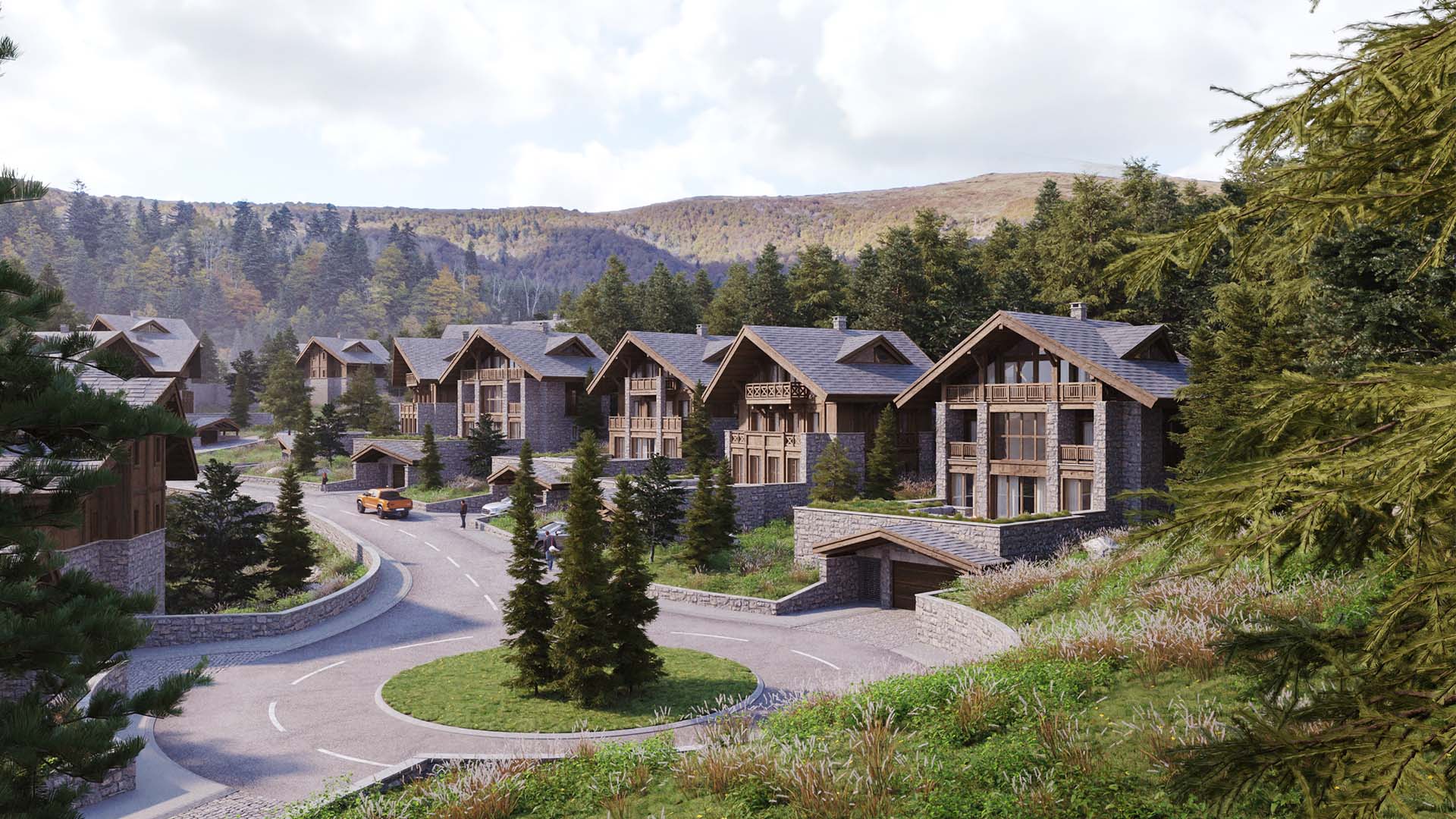 للبيع الآن
المزيد في الجبل الأسود.
فرص خاصة
اطلب الفرص.
التوافر الحالي وملاحظات الأهلية ورؤية أومنيا حول كل عنوان، تُرسل إلى مكتبك بسرّية.