On 22 January 2026 a new ownership law changed what it means to buy a home in Saudi Arabia. For the first time, foreigners can own property in zones designated by the Council of Ministers, and resident non-Saudis can own a single home outside those zones, with Makkah and Madinah still reserved for Muslims and a transaction fee of up to 5%. That single change reframes every address in this guide: the priciest neighbourhoods in Riyadh and Jeddah are no longer a closed domestic club.
It lands on a market that has run hard. Knight Frank put average Riyadh apartment prices up about 10.6% year on year by the second quarter of 2025, to roughly SAR 6,175 per square metre, with villas near SAR 5,470 and the northern villa belt the priciest at about SAR 8,660. Across the first half of 2025 the Kingdom recorded some 93,700 housing deals worth around SAR 77.5 billion. This is a ranked guide to where the most expensive areas to live in Saudi Arabia are: what they cost, what they yield, and what each one buys, from Riyadh’s Diplomatic Quarter through Jeddah’s waterfront to the Eastern Province oil belt, and out to the Vision 2030 projects minting new categories of their own.
The headline
Saudi Arabia’s priciest residential districts pair prices that rival established global markets with apartment yields reaching toward 11% in select Jeddah neighbourhoods, and, since January 2026, an open door for foreign buyers.
The most expensive areas in Riyadh.
The Diplomatic Quarter sets the standard. The Diplomatic Quarter is Riyadh’s top residential address. This 800-hectare gated community houses more than 120 diplomatic missions, and villas commonly trade in the SAR 5-12 million band for compounds of 300 square metres and up, with per-square-metre values now running roughly SAR 9,000-16,000. The area draws Western expatriates, government officials and multinational executives for its security infrastructure, international-school access and cultural amenities. Entry takes real resources and usually a lengthy approval.
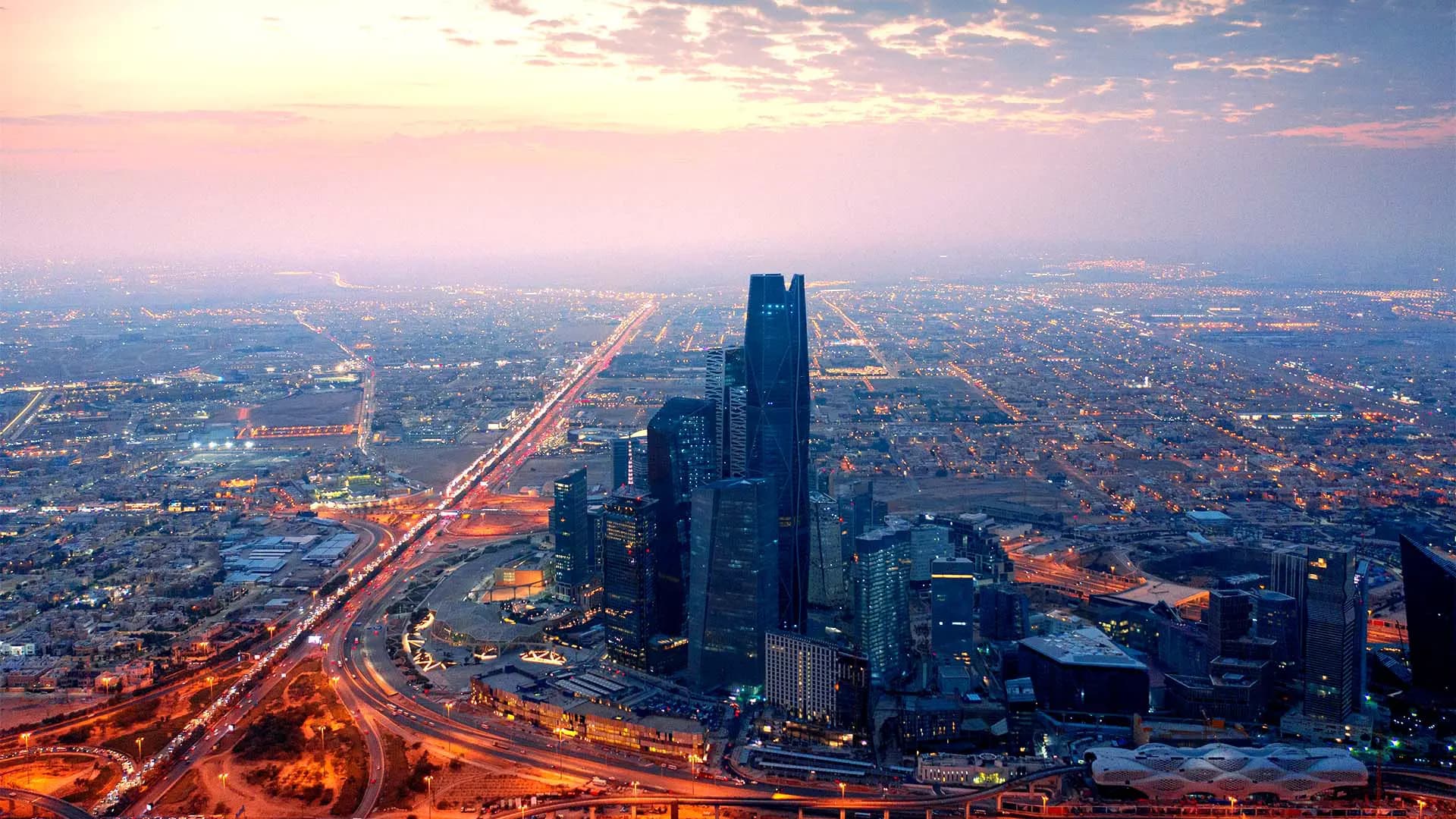
King Abdullah Financial District targets modern professionals. KAFD offers vertical living at roughly SAR 7,500-10,000 per square metre across its 1.6 million square metre development. Its 95 buildings are designed to house around 50,000 residents at full occupancy, against roughly 12,500 today, primarily financial-sector professionals working at the Saudi Exchange, the Capital Market Authority and the PIF headquarters. It is the world’s largest LEED Platinum mixed-use district, with climate-controlled skywalks that appeal to tech workers and higher-income expatriates after modern, sustainable urban living.
Al Olaya holds the business-district premium. Al Olaya continues as Riyadh’s established business centre. Apartments now run roughly SAR 6,600-10,500 per square metre, well above the legacy figures, while prime commercial land along the Olaya corridor reaches SAR 12,000-15,000 and beyond. Its central King Fahd Road location and metro connectivity support continued appreciation as Riyadh’s metro population approaches 8 million and Knight Frank projects roughly 9.6 million by 2030.
The most expensive areas in Jeddah.
Al-Shati District leads waterfront pricing. Jeddah’s coastal districts command waterfront premiums, and Al-Shati tops them. Sea-view apartments here trade in a wide band of roughly SAR 8,000-20,000 per square metre depending on outlook and finish, the highest waterfront values in the city. The area offers yacht access, international dining and cultural amenities that draw domestic and international buyers alike. Recent supply includes a Darco and SEDCO project of more than 500 units across 28 buildings, a roughly SAR 485 million commitment to coastal residential infrastructure.
Al-Hamra, Al-Salamah and the Corniche deliver strong yields. These districts sit comfortably above Jeddah’s average, and they are where rental returns earn their reputation. Jeddah apartment yields run roughly 8-11%, reaching toward the top of that range in well-located family districts, driven by demand from affluent pilgrims, business travellers and expatriate families. That is ahead of prime Dubai, Doha and Abu Dhabi apartment segments, and it is the reason yield-focused buyers keep coming back to the Corniche corridor.
Major projects are remaking the market. Jeddah Central is a roughly $20 billion investment covering 5.7 million square metres, with 17,000 planned housing units, a 9.5-kilometre waterfront, an opera house and an aquarium; the SAR 12 billion figure often quoted is the value of phase-one flagship construction contracts, not the whole. First-phase completion is targeted for the end of 2027. The MARAFY project by ROSHN will house more than 130,000 residents along an 11-kilometre canal connecting to Obhur Creek, the Kingdom’s first, creating waterway living unique within Saudi Arabia.
Eastern Province: the oil-wealth premium.
Al Khobar commands the regional premium. Al Khobar carries a clear villa premium over neighbouring Dammam, the strongest pricing signal in the Eastern Province. It reflects the area’s coastal lifestyle, modern infrastructure and proximity to Bahrain across the King Fahd Causeway.
Saudi Aramco compounds set the benchmark. Saudi Aramco’s Dhahran residential camp houses several thousand residents across facilities including golf courses, international schools and full recreational amenities. It is employee-only and not available for public purchase, but these communities set the lifestyle expectations that shape surrounding markets, where oil-industry executives seek comparable amenities.
Dammam is building its own premium. Dammam still trades below Khobar, but it is closing ground through new supply still under construction rather than complete. Districts like Al Hamra and Al Faisaliah anchor the city’s higher tier, though precise per-metre figures for them are not reliably sourced and shift with each new release.
Vision 2030 mega-projects mint new categories.
NEOM and The Line, recalibrated. The Line was the boldest claim in any Saudi property piece, and it has been the most revised. As of September 2025 the Public Investment Fund paused construction with only about 2.4 kilometres of foundation built against a planned 170, recorded a giga-project write-down of roughly $8 billion, and cut the 2030 population target to under 300,000, with full completion now pushed toward 2045 and beyond. The honest read for 2026 is that The Line is a long-horizon ambition, not a near-term place to live; treat any pricing you see for it with caution.
King Salman Park and central Riyadh. Closer to home, King Salman Park is set to become one of the world’s largest urban parks, generating adjacent residential opportunity as it goes. Combined with the New Murabba development and the Qiddiya entertainment city, both multi-billion-rial Vision 2030 schemes, these projects sharpen Riyadh’s appeal as a place to live rather than only to work.
The Red Sea destination is already open. Where The Line stalled, the Red Sea destination is delivering. Roughly nine resorts are already operating, including Six Senses Southern Dunes, which opened in late 2023, and new properties on Shura Island in 2025, en route to a target of 50 hotels, around 8,000 rooms and more than 1,000 homes across 22 islands by 2030. It is the clearest proof that the Kingdom’s coastal-resort ambition can be executed, not just announced.
The most expensive areas at a glance.
The rankingDiplomatic Quarter, Riyadh.
SAR 5-12M villa compounds across 800 gated hectares housing 120+ diplomatic missions; roughly SAR 9,000-16,000 per m². Maximum security, international schools and culture, for Western expatriates and officials.
King Abdullah Financial District (KAFD), Riyadh.
Roughly SAR 7,500-10,000 per m². Vertical living across 95 buildings, designed for ~50,000 residents, the world’s largest LEED Platinum district, home to the PIF headquarters.
Al Olaya, Riyadh.
Apartments now roughly SAR 6,600-10,500 per m²; prime commercial land SAR 12,000-15,000+. The established business centre on King Fahd Road, with metro connectivity in place.
Al-Shati District, Jeddah.
Sea-view apartments roughly SAR 8,000-20,000 per m², the highest waterfront values in Jeddah, with yacht access; a Darco-SEDCO project adds 500+ units across 28 buildings.
Al-Hamra, Al-Salamah & the Corniche, Jeddah.
Above the city average, with apartment yields reaching toward 11% in well-located districts, driven by pilgrim, business and expatriate demand. The yield play of the Kingdom.
Al Khobar, Eastern Province.
A clear villa premium over Dammam. Coastal lifestyle, Bahrain access across the King Fahd Causeway, and steady oil-industry demand.
The Red Sea destination.
~9 resorts already open, en route to 50 hotels and 1,000+ homes across 22 islands by 2030. New-build coastal resort living that is being delivered, not just promised.
The market in four numbers
Ownership law in force January 2026. Mapped zones approved in June. Riyadh apartments up ~10.6% in a year. The market forecast to grow from ~$72bn to ~$133bn by 2033.
The Journal · Free, monthly
Enjoying the issue? Have the next one delivered.
One considered email a month. Unsubscribe in one click.
Market performance and rental yields.
Transaction volume and value. The much-quoted surge, 38% to 106,700 deals worth SAR 127.3 billion, was the first half of 2024, not the full year. The current read is calmer: the first half of 2025 saw roughly 93,700 housing deals worth around SAR 77.5 billion, with Riyadh apartment prices up about 10.6% year on year by the second quarter. Activity has normalised from the 2024 peak, but pricing in the prime districts has held.
Rental yields still compare well with the wider Gulf:
- Riyadh gross returns realistically run around 6-8%.
- Jeddah apartments run roughly 8-11%, the strongest in the best districts.
- Both sit ahead of prime Dubai, Doha and Abu Dhabi apartment segments.
Buyer access is widening. The January 2026 ownership law widens the buyer pool to qualifying foreign purchasers, where before the prime districts were a closed domestic market. Combined with first-half 2025 activity of roughly 93,700 deals worth around SAR 77.5 billion, the read is a market that has normalised in volume while opening up in who can take part.
Who lives in the best areas to live.
Saudi national participation is rising. Riyadh’s premium districts are no longer the expatriate-dominated markets they once were. Saudi home ownership is climbing as higher-net-worth families accept apartment living while keeping villa preferences for larger households, a steady shift in who occupies the best addresses, even if a precise national-to-expatriate split is hard to pin down.
International buyer growth. Wealth is concentrating in the Kingdom’s cities. Jeddah’s resident-millionaire population grew more than 50% to around 10,400 in the 2025 World’s Wealthiest Cities Report, and Saudi Arabia was projected to attract roughly 2,400 net high-net-worth arrivals in 2025, up sharply from the prior year. The January 2026 ownership law gives that incoming wealth a legal route to buy, where before it had none.
A demographic tailwind. About 61% of Saudi Arabia’s population is under 35, rising to 69.4% among Saudi nationals, and roughly 73% sit in the working-age brackets. Economic diversification keeps creating new higher-income employment that supports sustained housing demand through 2030.
The investment environment.
Two laws, two doors. It helps to separate the two reforms readers tend to conflate. The updated Investment Law, in force from 12 February 2025, gives foreign and domestic businesses equal treatment and streamlined registration; that is about company investment. The decisive change for home buyers is the separate Real Estate Ownership by Non-Saudis Law, effective 22 January 2026, followed by Cabinet approval of the geographical zones and implementing regulations on 23 June 2026. It lets foreigners own within the published mapped zones, lets resident non-Saudis own one home outside them except in the holy cities, keeps Makkah and Madinah restricted to Muslim individuals and qualifying entities, and authorises a disposal fee of up to 5%.
Regional market position. Saudi Arabia leads the Gulf’s development pipeline. Of the roughly $1.68 trillion in GCC real estate projects planned or under construction, the Kingdom accounts for about 63.1%, or $1.06 trillion, against the UAE’s 24.4%, or around $409 billion. Vision 2030’s diversification creates growth categories that are simply unavailable in other GCC markets.
The outlook through 2033.
Growth projections. Market analysis points to total real estate value reaching roughly $132.65 billion by 2033, nearly doubling from about $72.11 billion in 2024, a compound growth rate near 7%. That trajectory is the backdrop against which premium residential demand is being priced.
Supply and demand. The squeeze is real. Knight Frank estimates Riyadh alone will need roughly 305,000 new homes by 2030 as its population heads toward 9.6 million, while additions at the top of the market stay limited relative to demand. That imbalance maintains pricing power for premium properties across the major cities.
Risk factors. Buyers should weigh construction-cost inflation, the possibility of mid-market oversupply, economic sensitivity to oil prices, and competition for financing and labour with the giga-projects, the recalibration of The Line being the clearest reminder that even funded ambitions can change shape.
How to choose where to buy.
A sensible strategy spreads the bet: Riyadh’s business-district addresses for employment proximity, Jeddah’s coastal districts for tourism growth and yield, and the Eastern Province for stable, oil-industry-adjacent demand. Early positioning in delivering Vision 2030 districts offers appreciation potential, while established premium areas offer yield stability and proven demand. With foreign ownership now law, the route in is clearer than it has ever been. To see what is available now, explore developments across Saudi Arabia.
Figures as of early 2026. Prices and yields here are a market snapshot drawn from Knight Frank, Bayut, the Global Property Guide and official Vision 2030 sources. In an economy moving as fast as the Kingdom’s, treat them as a starting point and verify the current number before you commit.
Saudi Arabia’s premium property story is the Kingdom’s own: a shift from an oil-dependent economy to a diversified destination that, since January 2026, finally lets the world buy in. The opportunity is real, but it rewards understanding the local market, the new rules and the long arc of Vision 2030.