The idea of a global citizen is not just a buzzword. It is a radical shift in how human beings see themselves, born from a yearning to break free of the rigid borders of nation-states and to embrace a shared humanity. It is a story of dreamers, rebels and pragmatists, woven through centuries of philosophy, war, migration and money. Here is its origin, the forces that shaped it, and the landmarks that made it real, told with the raw energy of people chasing freedom and connection.
The spark of ancient defiance.
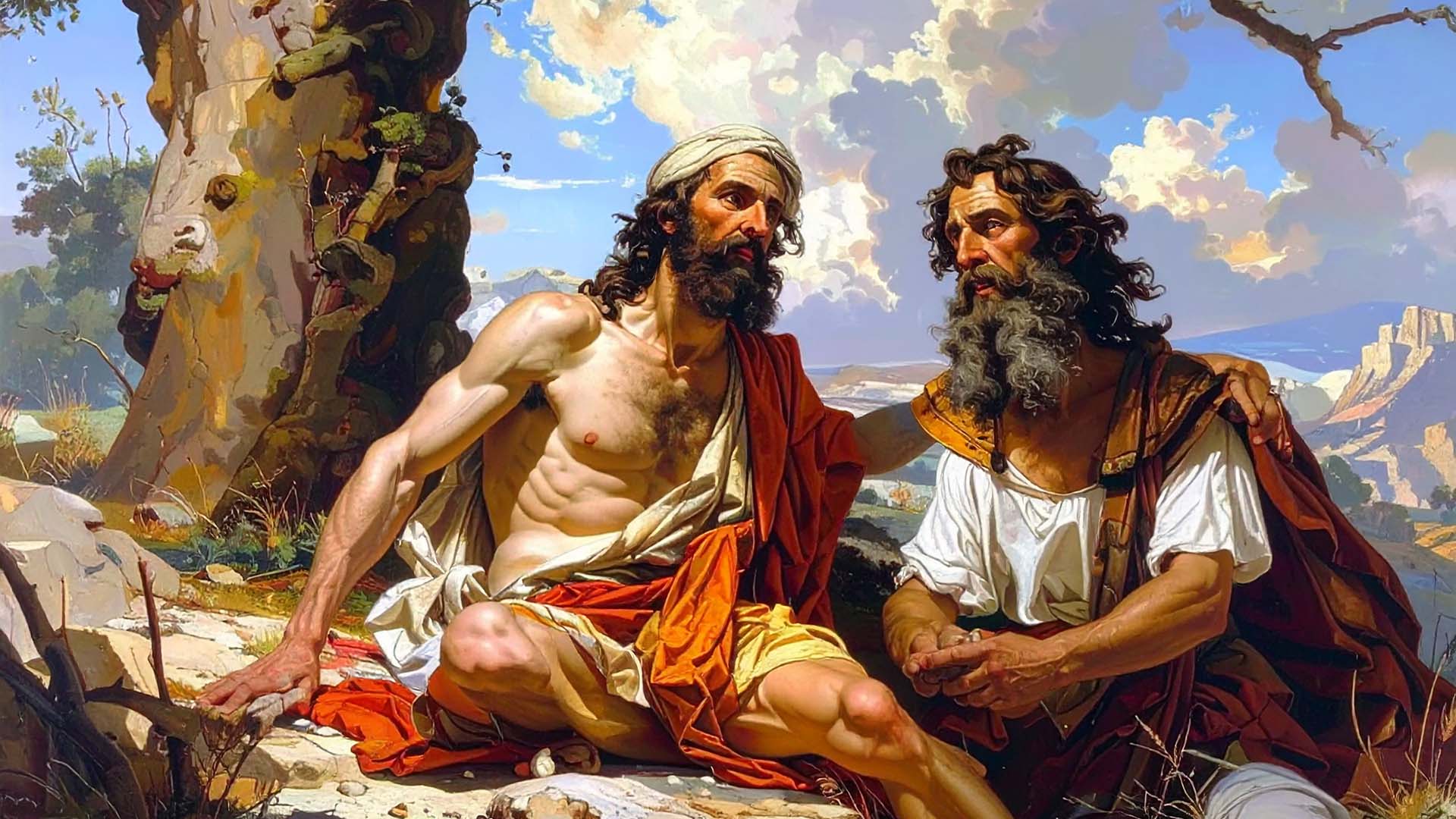
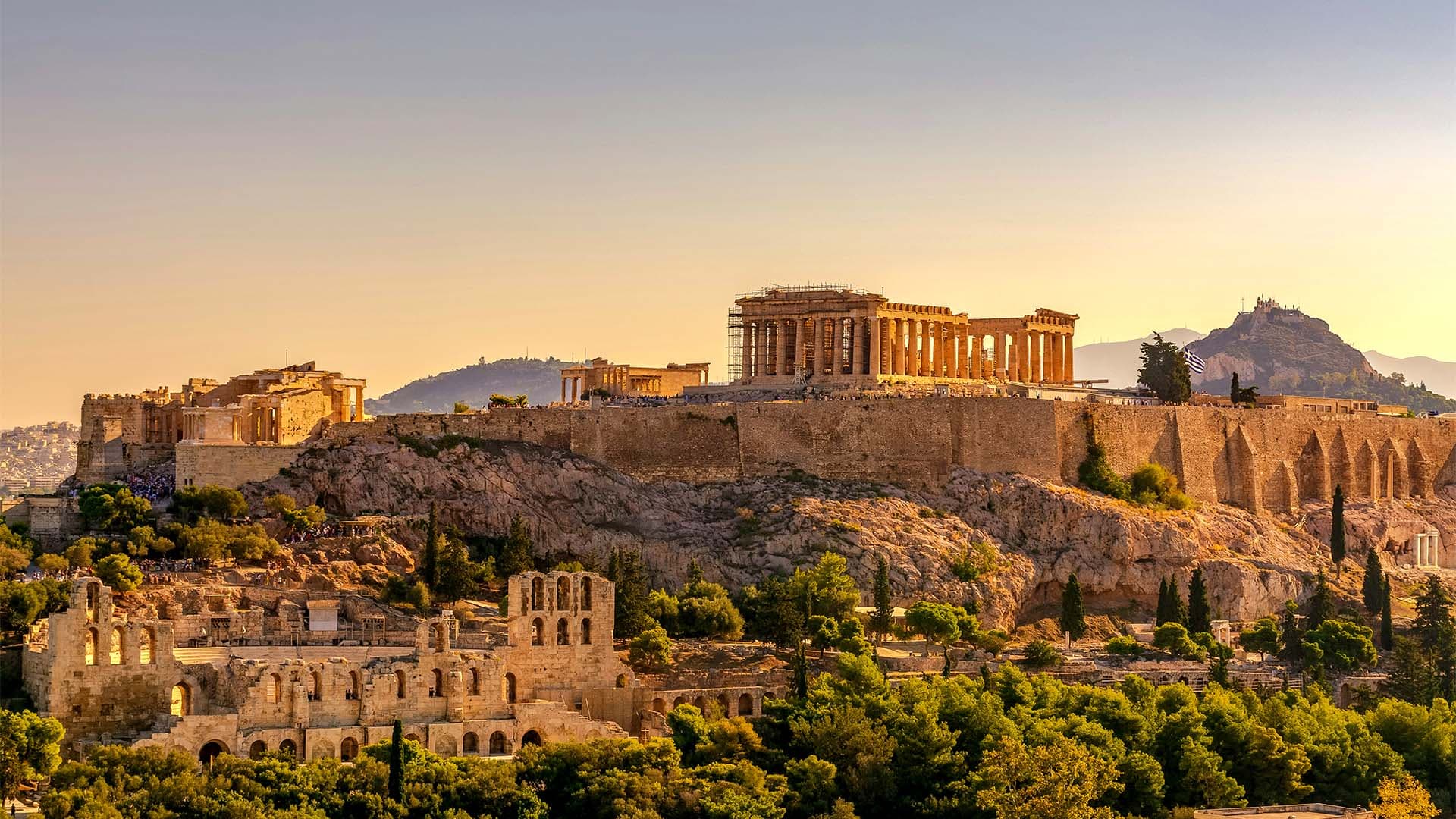
The concept first flickered to life around 412 BCE in Ancient Greece, when Diogenes of Sinope, a scruffy, irreverent philosopher, was asked where he came from and answered: "I am a citizen of the world." This was not a lofty ideal. It was a challenge to the parochialism of city-states like Athens and Sparta, which defined identity by local allegiance. Diogenes, who lived in a clay jar and mocked the conventions of his day, saw humanity as one messy, interconnected tribe. His word, kosmopolites, cosmopolitan, planted a seed: your identity does not have to be chained to where you were born.
Fast forward to the Stoics, thinkers like Seneca and Marcus Aurelius, who took the idea and gave it muscle. They argued that reason binds all human beings, no matter their geography. To be a citizen of the world, in their telling, was to live by a universal moral code, putting humanity ahead of tribal loyalties. This was not fluffy idealism. It was a practical response to an empire that stretched from Rome to its furthest provinces, where people needed a way to navigate very different cultures without losing their sense of self.
From the Middle Ages to the Enlightenment.
The idea simmered quietly through the Middle Ages, overshadowed by feudal loyalty and religious crusade. By the 17th and 18th centuries, thinkers like John Locke and Immanuel Kant rekindled it. Kant in particular dreamed of a universal community in which people could move freely, welcomed as equals. His 1795 essay Perpetual Peace was not just philosophy. It was a plea for a world where borders did not strangle human potential. This was the era of exploration and early globalisation: spice routes and trading outposts, where merchants and adventurers were already living as proto-global citizens, their lives straddling continents.
Then came Thomas Paine, the firebrand of the American and French revolutions. In the 1790s he wrote, "My country is the world, and my religion is to do good." It was a blow to nationalism, delivered by a man who hopped between England, America and France, stirring revolutions as he went. Paine captured the emotional pull of global citizenship: a sense of belonging to something larger than any one flag, driven by action rather than sentiment.
War, rights and rebellion.
The 20th century is when global citizenship started to feel urgent. Two world wars, the Holocaust and decolonisation exposed both the fragility of national borders and the horrors of unchecked nationalism. In 1948 the Universal Declaration of Human Rights, adopted by the United Nations, became a landmark: a framework asserting that every human being, regardless of nation, deserves dignity and freedom. It was not perfect, but it gave global citizenship a backbone, the idea that rights transcend borders.
On a humanity bigger than any one flag
The Earth is but one country, and mankind its citizens.
The world-citizen movement.
Enter Garry Davis, a former Broadway actor and wartime bomber pilot turned renegade. In 1948, disillusioned by war and nationalism, he renounced his United States citizenship in Paris and declared himself a world citizen. He did not stop there. In the mid-1950s he founded the World Service Authority, which began issuing world passports to stateless people and dreamers alike. By 2026 the organisation reports close to five million world passports and related documents issued over the decades, recognised on occasion by some countries and dismissed by others. Davis is pure audacity: a man who saw borders as imaginary lines and acted on it, inspiring a movement.
In 1949 the small French city of Cahors became the first to declare itself a world citizen city, a symbolic act of solidarity with Davis. The idea was amplified, too, from the spiritual side, with the proclamation that the earth is but one country and humankind its citizens. That reading emphasised unity in diversity, and it resonated with millions looking for a moral compass in a fractured world. The thread running through all of it is simple: belonging need not stop at a border.
The Journal · Free, monthly
Enjoying the issue? Have the next one delivered.
One considered email a month. Unsubscribe in one click.
Money, mobility and markets.
By the late 20th century, globalisation, driven by jet travel, the internet and trade, made global citizenship tangible. People were no longer just philosophising about it. They were living it. And the most concrete expression of that shift was a new kind of programme that turned the idea into a transaction.
The birth of citizenship by investment. The 1980s brought a pivotal landmark. St Kitts and Nevis launched the first Citizenship by Investment programme in 1984, offering citizenship to people who invested in the country, often through real estate. This was not about lofty ideals. It was cold, hard pragmatism. Countries like Dominica, Malta and others followed, turning a passport into something you could acquire. By 2026 a relatively small group, around a dozen nations, offer a direct route to citizenship by investment, with contributions that range from roughly 100,000 US dollars in the Caribbean to far higher thresholds in Europe. Advisory firms grew up alongside them, guiding internationally mobile families toward a second passport for travel freedom, planning and security.
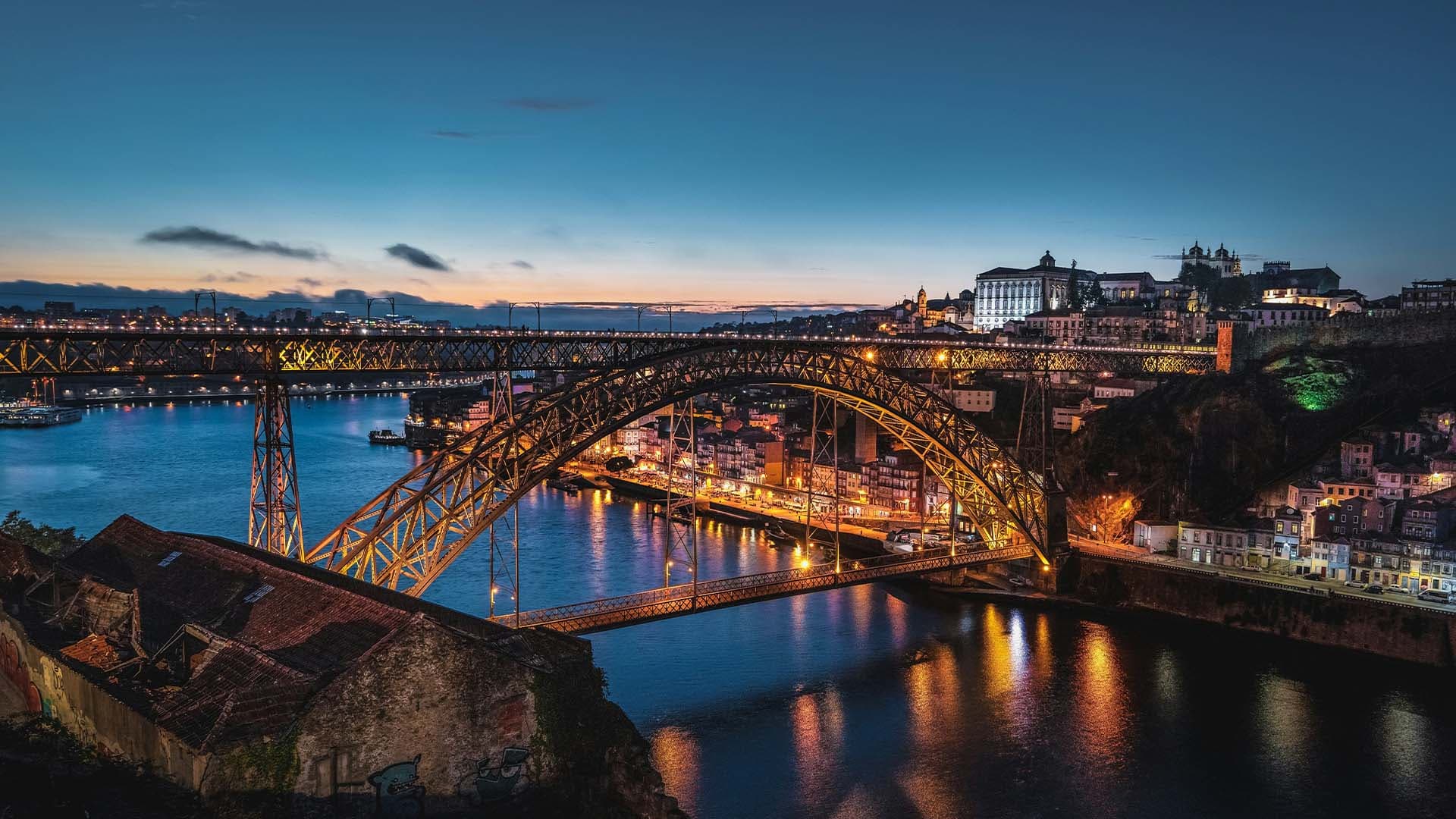
The golden visa era. Residency by Investment programmes expanded even faster, with Portugal’s Golden Visa, launched in 2012, and Greece’s, launched in 2013, leading the charge. A qualifying investment could secure residency and, with it, access to the Schengen area. These programmes were not only for the very wealthy. They appealed to entrepreneurs and retirees who wanted flexibility. Portugal’s scheme alone has drawn on the order of 7 billion euros and granted residency to more than 15,000 main applicants since 2012; note that its original property route was closed in the 2023 reforms, so the money now flows mainly into funds and other qualifying channels rather than apartments. Today more than fifty countries run some form of residency-by-investment or golden-visa route.
The human element.
The emotional pull here is visceral. Families leaving political turbulence buy a second home abroad as a plan B. Digital nomads embody the same instinct, working remotely from one country while holding a foot in another, unbound by the old assumptions about where a life has to happen. The number who describe themselves that way has only grown through the 2020s. What unites them is not wealth so much as a refusal to let a single border define the whole of a life.
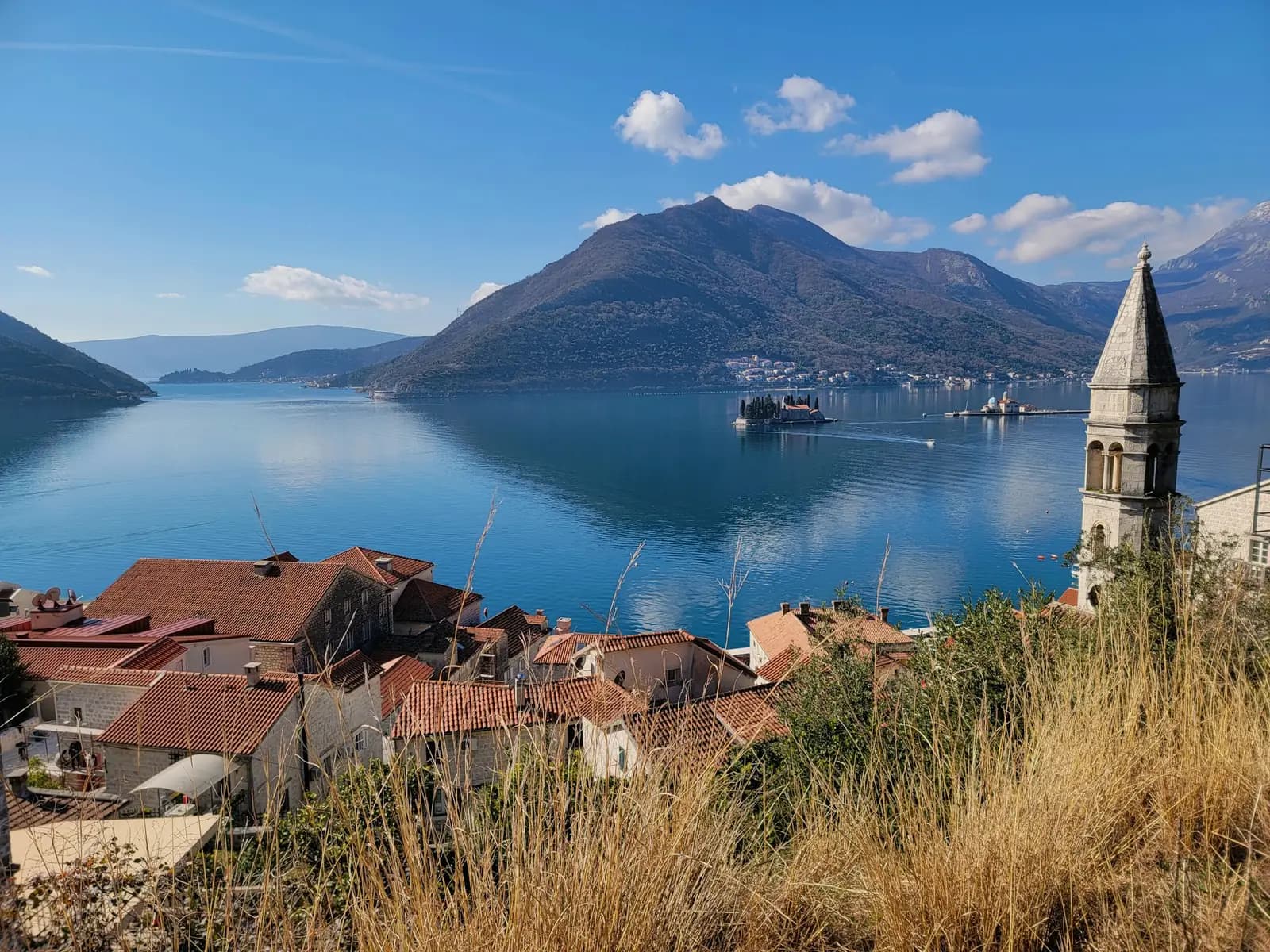
For the firm, this is where an abstract idea becomes a concrete decision. A second base is rarely just an investment line. It is schooling, time zones, a flight home, a sense of where the family lands if the ground shifts. The places people choose tend to combine that reassurance with somewhere genuinely worth living, whether that is the Adriatic coast of Montenegro, the calm of Oman, or the fast-changing cities of Saudi Arabia.
Freedom against privilege.
Global citizenship is not all rosy. Critics argue it is a privilege of the wealthy, who buy passports while refugees languish stateless. The 2008 financial crisis accelerated investment-migration programmes, as economies under strain courted foreign capital. The tension is real: the idea promises universal belonging, but money often gatekeeps access to its most useful forms.
There is a counterweight, though. The advocacy movement Global Citizen, founded in 2008, works to democratise the concept, campaigning for global justice and the reduction of poverty. Mobilising people for climate action and for fairer access to medicine, its festivals draw vast crowds and prove that the idea is also activism, not only mobility. Two versions of the same instinct sit side by side: one buys belonging, the other demands it for everyone.
Milestones in the story of global citizenship.
Key landmarksc. 412 BCE: a citizen of the world.
Diogenes of Sinope declares himself kosmopolites, coining the idea of the cosmopolitan and rejecting the city-state as the limit of identity.
1795: Perpetual Peace.
Immanuel Kant imagines a universal community of free movement and welcome, giving Enlightenment shape to an ancient idea.
1948: the Declaration of Human Rights.
The United Nations adopts the Universal Declaration of Human Rights, asserting that dignity and freedom transcend borders.
1948-1949: the world citizen.
Garry Davis renounces his US citizenship in Paris; the next year Cahors, France, becomes the first world citizen city.
1984: the first second passport.
St Kitts and Nevis launches the first Citizenship by Investment programme, turning citizenship into something you can acquire.
2008: citizenship as activism.
The Global Citizen movement begins, tying the idea to social justice, climate action and global poverty reduction.
2012-2013: the golden visa.
Portugal and then Greece launch golden-visa programmes, opening residency in Europe to investors and reshaping cross-border property.
2026: the global map fills in.
Around a dozen countries offer direct citizenship by investment, while more than fifty run residency or golden-visa routes worldwide.
The continuing journey.
The story of global citizenship is one of defiance and desire. Diogenes mocking borders from a clay jar. Davis handing out passports to the stateless. Families betting on a foreign home for safety. It is philosophers and entrepreneurs, idealists and opportunists, all chasing a world where identity is not confined to lines on a map. It is messy, unequal and still evolving, driven by a truth as old as Diogenes: humanity is bigger than any one nation.
For the firm, the idea is not an abstraction. It is the thread that runs through every place we work, from the coast of Montenegro to Muscat, Jeddah and Riyadh. A global citizen is, in the end, someone who has decided that home can be chosen rather than only inherited. To see where that decision leads, begin with the Global Citizens world.