There is something quietly powerful about waking up to snow-covered peaks, the hush of the mountains, and the promise of first tracks on untouched slopes. But for many global buyers, ski homes represent much more than seasonal indulgence. They have become long-term assets, lifestyle anchors, and a gateway to lasting family legacies.
So the question stands. Are ski properties a good investment in 2026? The answer lies not only in the numbers, but in what those numbers really mean once you read past the headline yield. In this article we look at the key markets, how prices and rents are performing, the rule changes that now shape who can buy, and the better-value angle that most buyers miss.
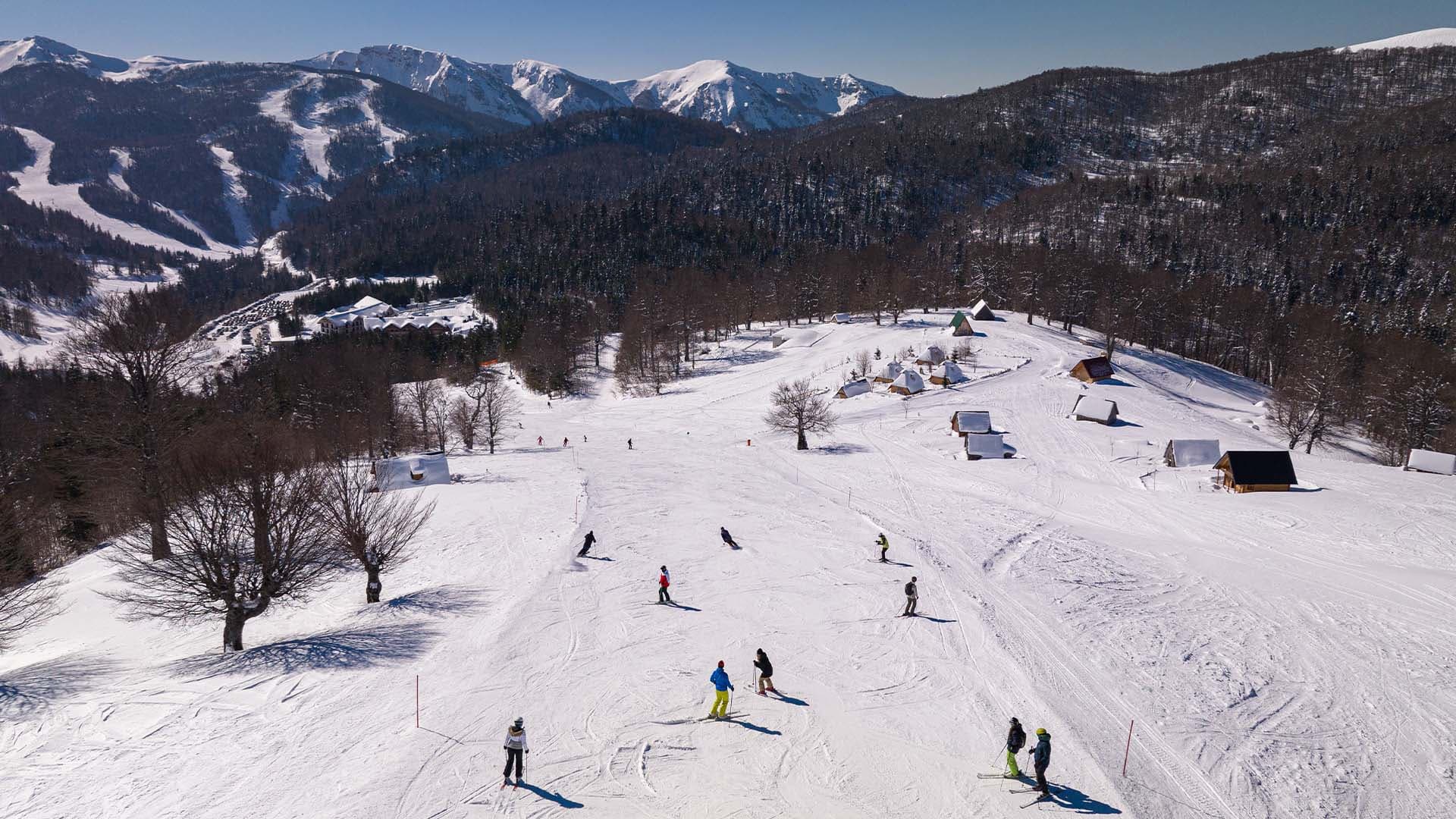
Why buyers are returning to ski resorts in 2026.
In 2026, ski property is not being driven by speculation or short-term yield. It is being shaped by individuals and families searching for connection, memory-making, and long-term value through real estate. What was once a seasonal indulgence has become a form of purposeful ownership. Buyers are not only asking how much they can earn. They are asking how long they can hold, who they can share the space with, and how the home fits into a broader picture of wealth, life, and the freedom to be in more than one place.
The post-pandemic rise in flexible working, combined with growing interest in physical assets that serve both utility and capital growth, has kept ski resorts in focus. Today’s buyers see these homes as multi-use assets: somewhere to enjoy holidays, host extended family, and build equity while letting the home when it sits empty. Many also want to step out of urban cycles and into a slower seasonal rhythm, at least for part of the year.
Ski property investment in 2026: how resorts are performing.
Knight Frank’s Alpine Property Report 2025/26 shows the market holding up where the wider prime-property world has slowed. Its Alpine index rose 3.3% year-on-year to June 2025, and is up around 23% over five years. Swiss resorts led, averaging about 5% against 1.2% in France. Across the 26 resorts it tracks, the average sits near EUR19,675 per square metre, running from roughly EUR9,300 in Morzine to about EUR47,300 in Gstaad. Scarcity, stable demand, and tight limits on new construction in protected mountain areas continue to do most of the work.
Rental income has stayed consistent. Winter remains the strongest season for weekly rates, especially in resorts with developed infrastructure, ski-in ski-out access, and full-service management. But the biggest shift in the market is the broadening of demand beyond the snow. Resorts with summer hiking trails, mountain-biking parks, golf and wellness now draw visitors across much more of the year, which steadies income and lifts occupancy well past the old December-to-March window. More on that shortly, because it has become the defining trend of the cycle.
Most leading resorts deliver gross rental yields of around three to six percent a year, rising toward four to seven percent in well-located, four-season French markets such as Morzine. One honest caveat the brochures rarely add: that is gross. After management fees, utilities, taxes and maintenance, net yields fall to roughly one to three percent, with an industry median near 2.9%. In peak season the top of the market is a different world: super-prime chalets in Courchevel 1850 and Verbier routinely let for more than EUR20,000 a week, and the very best run into six figures a week.
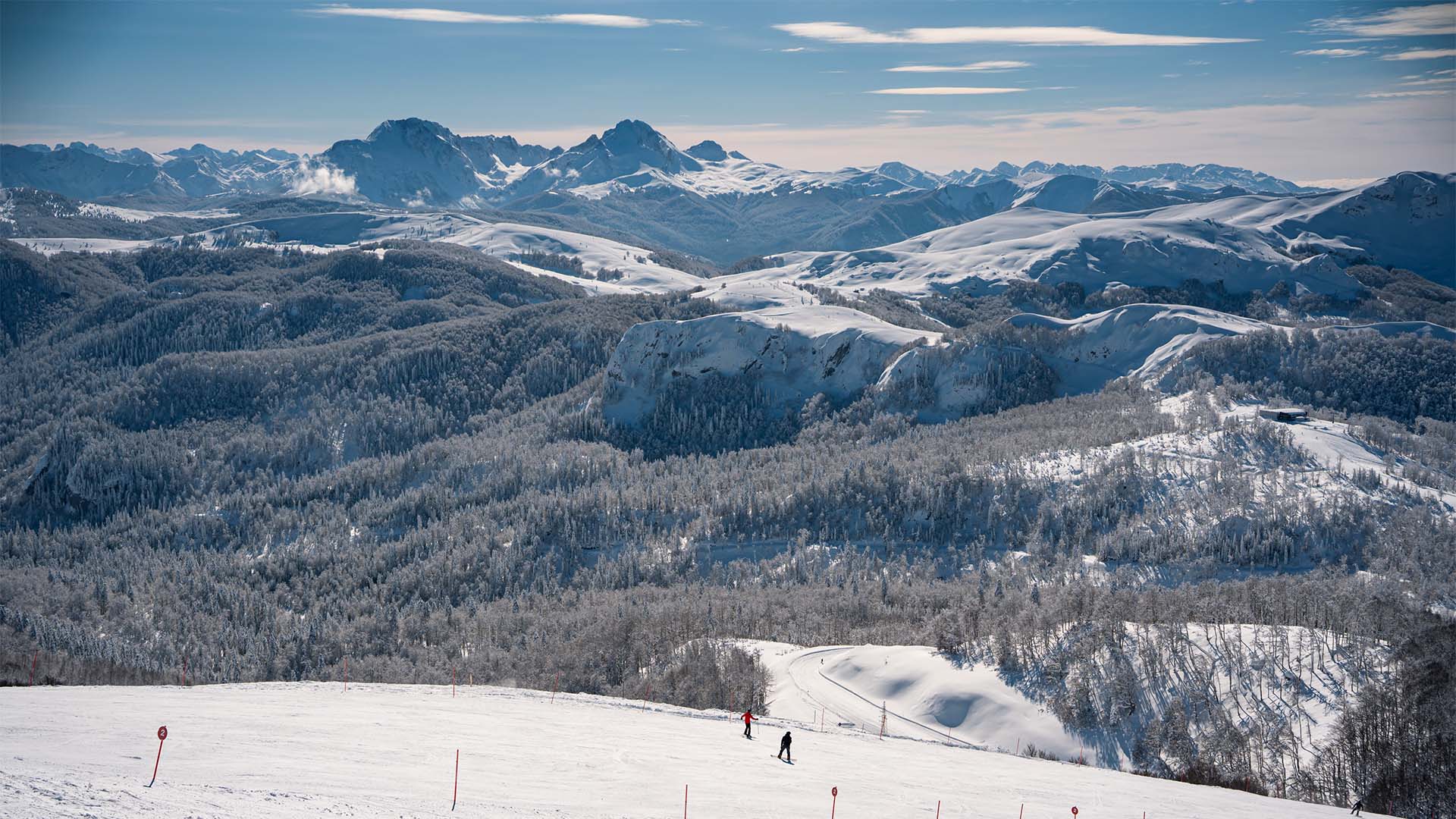
Where the strongest ski chalet opportunities are in 2026.
Buyers looking at ski homes in 2026 are weighing altitude, accessibility, and year-round appeal. The standing of St. Moritz or Aspen is undimmed, but many now seek better value in nearby or less commercialised areas that offer a similar experience at a lower entry point.
Switzerland. Swiss resorts still outperformed in the latest index, but the picture within them has split. Verbier has essentially plateaued, recording only about 0.5% annual price change after years of strong growth, which makes it a stable wealth-preservation hold rather than a growth play. The Swiss franc remains a safe currency anchor, and buyers still value the liquidity and legal certainty. One important change for 2026: Switzerland is getting harder for foreign buyers, not easier. On 15 April 2026 the Federal Council opened a consultation, running to 15 July, to tighten the Lex Koller rules further, with individual permits for non-EU and non-EFTA primary-residence buyers, reduced holiday-home quotas, tighter resale rules, and a ban on foreigners buying commercial property to let.
France. Chamonix and Les Gets are compelling alternatives to the more saturated markets of Courchevel and Méribel. Courchevel 1850 remains the French price benchmark, at roughly EUR33,200 per square metre and up about 9% in twelve months. Chamonix, where chalet entry runs closer to EUR12,000 to 15,000 per square metre, has become a flagship case for year-round demand, with strong family appeal and direct Mont-Blanc Express and SNCF rail links. Les Gets sits within the Portes du Soleil, one of the world’s largest linked ski areas, marketed at around 600 kilometres of pistes across France and Switzerland, and continues to draw British, Dutch and French buyers.
Austria. Austria keeps drawing interest in places like Kitzbühel and Zell am See, with relatively lower prices and a warm domestic market of German and Austrian buyers, and a real focus on summer tourism, hiking and wellness. One sharp caveat for the non-EU reader: in the prime alpine provinces of Tyrol, Salzburg and Vorarlberg, non-EU nationals are effectively barred from buying holiday homes at all, through second-home (Zweitwohnsitz) quotas. EU and EEA buyers face few restrictions, so the door that is open to one buyer can be closed to another.
The United States. Across the Atlantic, Park City in Utah and Big Sky in Montana are running hot. The Greater Park City average sold price rose 24.3% year-on-year to about $2.53m in 2025, on $5.75bn of volume, with high-end appreciation forecast at five to seven percent in 2026. In Big Sky the median price per square foot climbed from around $370 in 2018-19 to about $891 in 2025-26, a 140% jump, with a median list price just over $3m. The American market is driven less by rental income and more by family use and portfolio diversification, but the fundamentals rhyme: mountain homes buyers can enjoy and rely on, in politically stable regions with strong domestic tourism.
The four-season shift, now the headline.
If there is one idea reshaping alpine value in 2026, it is the move from a winter asset to a year-round one. Chamonix now welcomes around 30% more visitors in summer than in winter, summer lift-pass sales rose roughly 46% in two years, and a large share of the town’s lift revenue is earned between May and October. Dual-season resorts can let across roughly 24 to 30 weeks a year rather than a single winter window, which can lift income by about half over a winter-only equivalent. Year-round infrastructure is now the clearest driver of outperformance in the Alpine report: Andermatt, for instance, surged about 14.6% in a single year.
For a buyer, this changes the question. The strongest case is no longer the resort with the deepest snow, but the town that gives you summer hiking, biking, golf and wellness alongside the winter, because that is what smooths occupancy and softens the seasonality risk that has always haunted ski ownership.
The value angle: Kolašin and Montenegro.
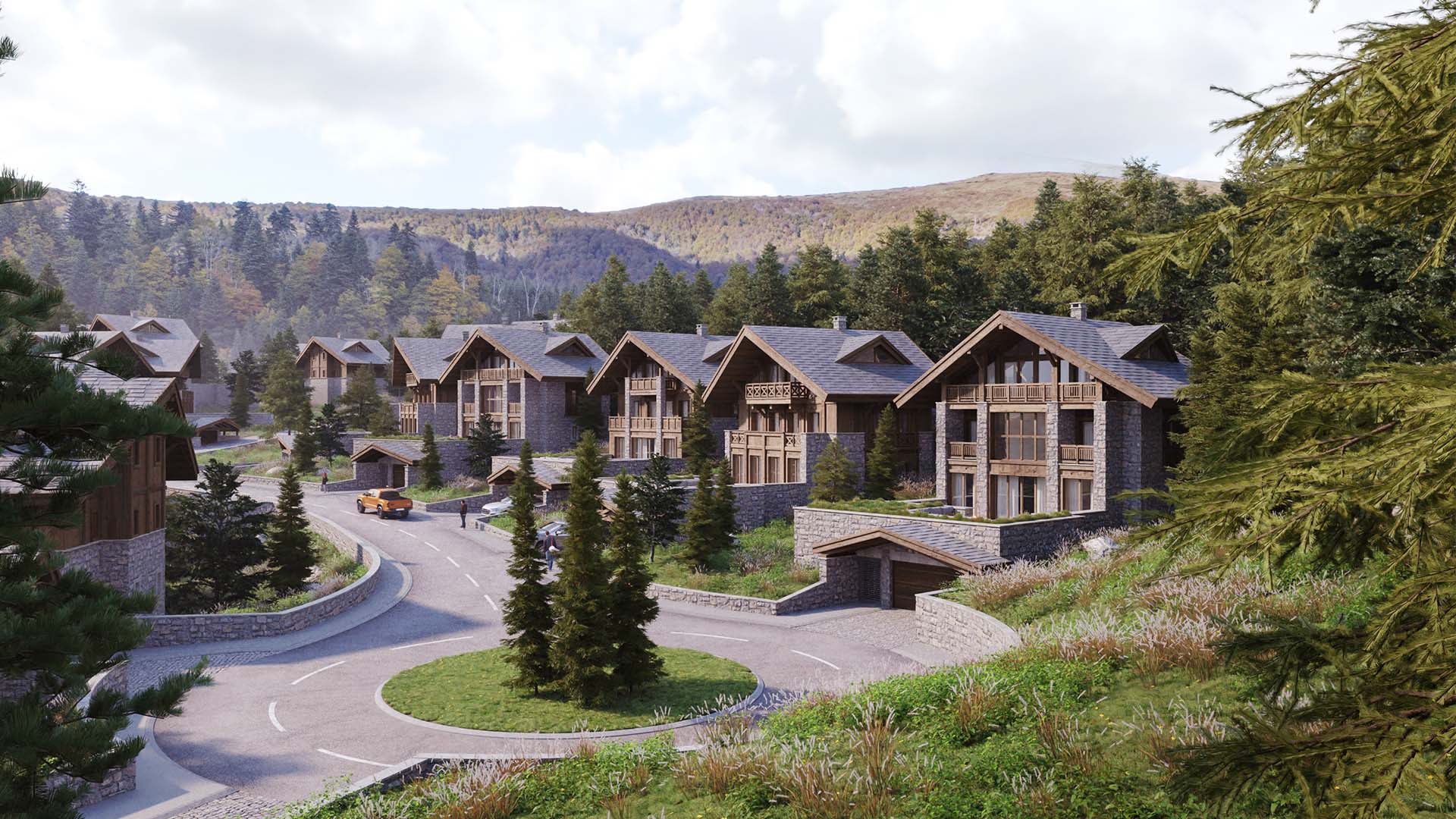
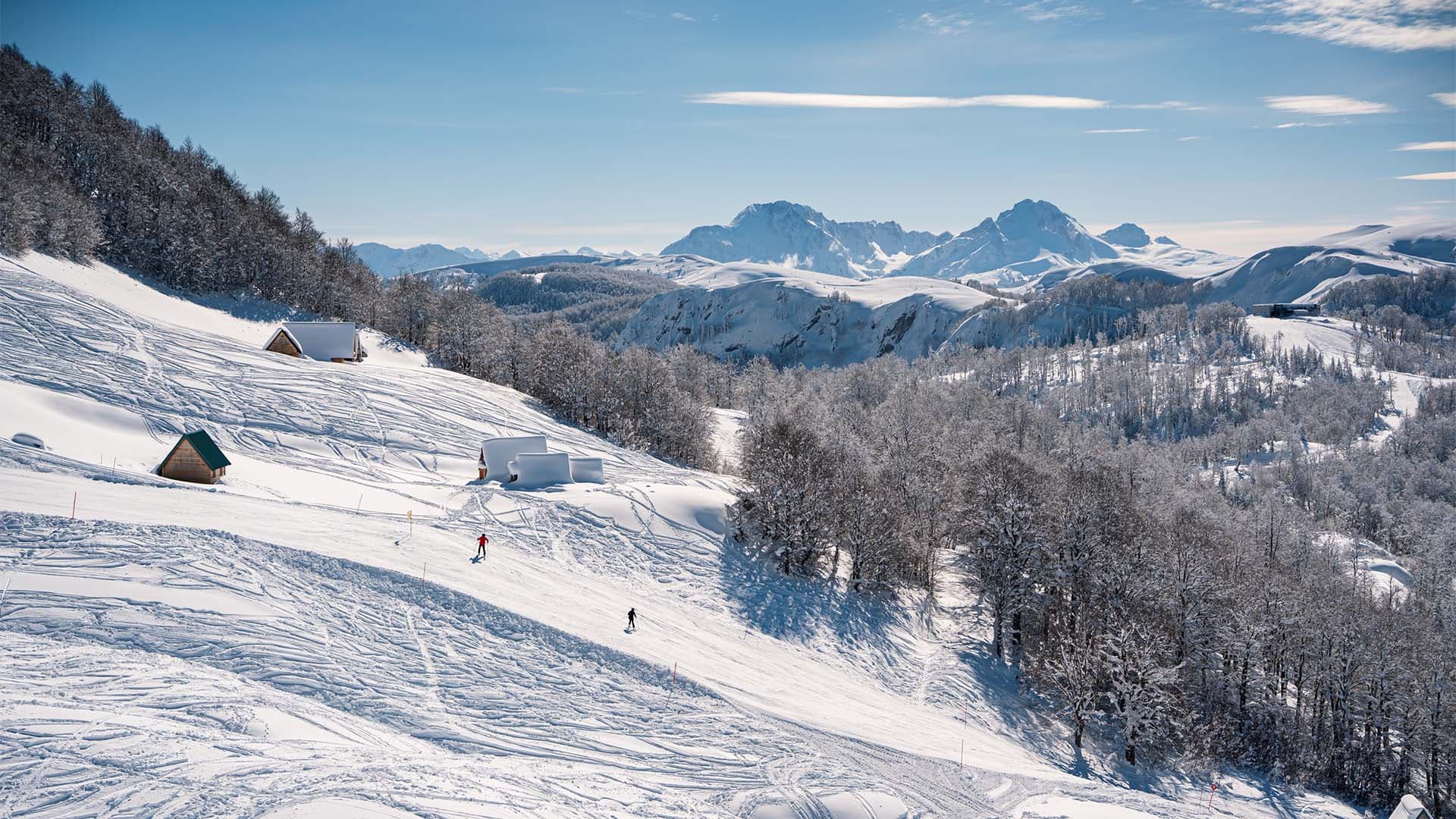
The same logic that pushes buyers from Courchevel toward Chamonix, or from St. Moritz toward Austria, points further east as well. For anyone weighing four-season appeal against entry price, Montenegro is the alpine market most often overlooked. Kolašin, in the country’s mountainous north, pairs a ski resort with summer hiking through Biogradska Gora national park, the year-round demand profile that now stabilises occupancy across the better-performing Alps, at a fraction of the Swiss or French entry point. The numbers tell the story: Kolašin land and builds run roughly EUR2,000 to 3,200 per square metre, against about EUR9,300 in Morzine and EUR47,300 in Gstaad. Kolašin 1600 was also named Europe’s cheapest ski resort for 2025/26, with a EUR25 day pass, around 45 kilometres of slopes, and a drive of under an hour from Podgorica on the new motorway.
A note of honesty on snow, since it is the question every buyer should ask. Climate research now places reliable alpine snow at roughly 1,500 to 1,800 metres and rising, with resorts below about 1,200 to 1,400 metres facing the greatest closure and snowmaking risk. Kolašin’s terrain spans roughly 1,420 to 2,072 metres, so its upper slopes are reasonably secure while its base sits near that reliability line, much like a great deal of the mid-altitude Alps. So the Kolašin case is not superior snow security. It is a genuinely lower entry price and a real four-season pull, in a country open to foreign freehold buyers.
Two recent rule changes belong in any 2026 read. Montenegro raised its residency-by-investment property threshold to EUR200,000, up from EUR150,000, in November 2025, and from 8 May 2026 all property payments over EUR10,000 must run through a Montenegrin bank account, with cash no longer permitted. With those understood, this is where we would start the search for a mountain home in the Balkans.
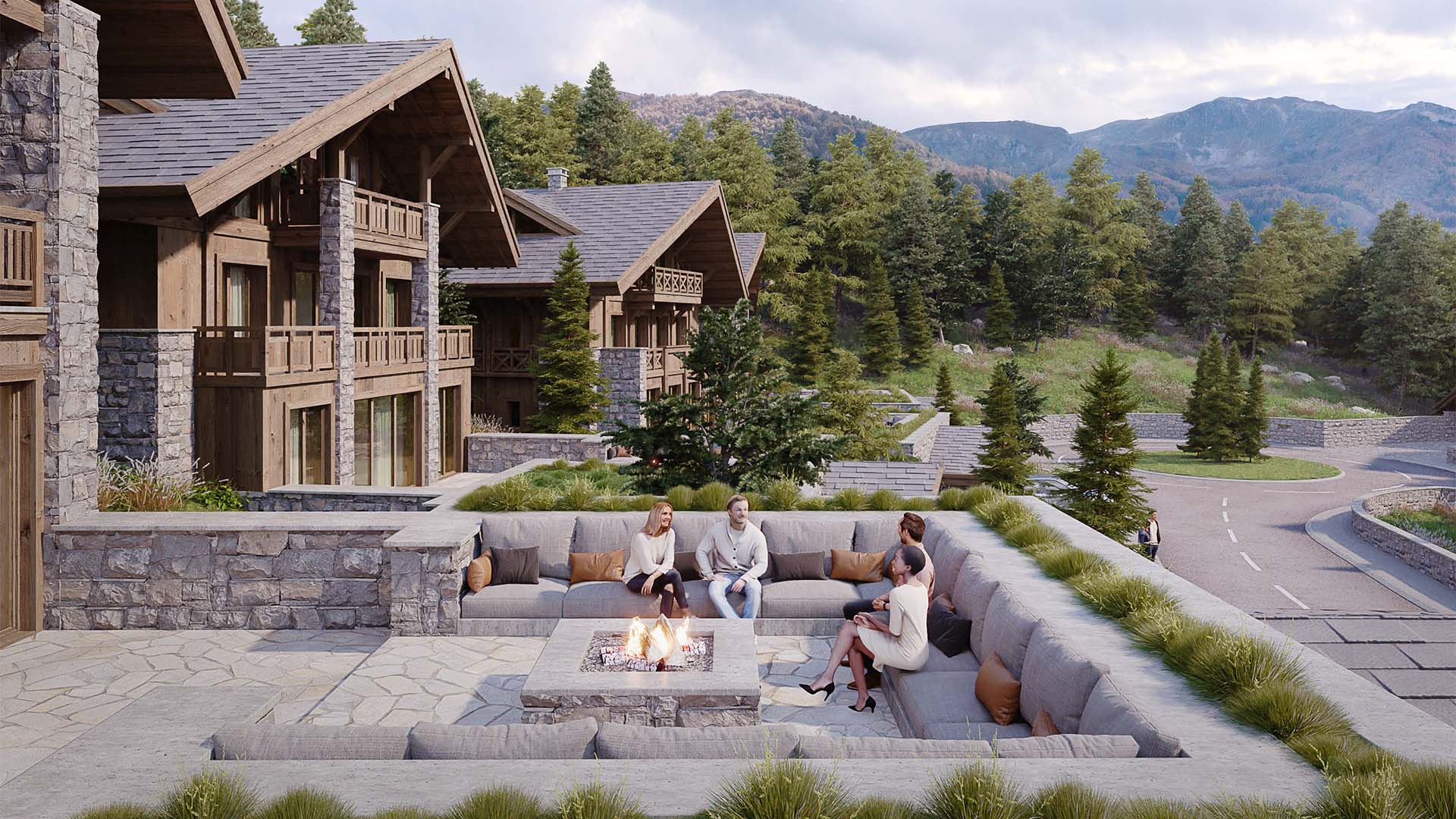
What buyers are really looking for in 2026.
Conversations with clients over the past twelve months reveal a clear shift in how ski homes are viewed. Rather than purely recreational or speculative assets, these homes are now part of a wider wealth strategy. Buyers want properties that combine long-term value with personal use. Many see ski homes as legacy investments to pass to future generations. Others view them as future part-time residences, with plans to spend months a year living in or near the mountains.
Flexibility has become a major factor. Buyers want properties that are easy to manage, easy to reach, and able to earn when not in use. Most want a high standard of interior finish, not to show status, but because they value comfort, privacy and quality of life.
There is also growing awareness of climate sensitivity, and it is now a hard part of due diligence rather than a soft preference. With reliable snow sitting higher up the mountain each decade, buyers are checking the altitude of the slopes they are buying into, the strength of snowmaking, and whether the town has a credible summer to fall back on. Resorts with strong local governance, real investment in environmental preservation, and well-managed tourism flows tend to stand out.
On the question itself
Are ski properties a good investment? The answer lies not only in the numbers, but in what those numbers really mean.
The Journal · Free, monthly
Enjoying the issue? Have the next one delivered.
One considered email a month. Unsubscribe in one click.
Buying a ski property: the challenges to be aware of.
Ski property, while promising, comes with a specific set of considerations. The first is seasonality. Even with expanding summer appeal, most resorts still see uneven demand across the year, so owners must plan for vacant periods and work with professional managers to keep the home in good order, especially through the snow months.
Foreign ownership rules, and they are tightening. Foreign-buyer rules can be a real barrier, and in 2026 several are moving the wrong way for the overseas buyer. In Switzerland, non-residents already face strict limits on where and how much they can buy, with some areas off-limits entirely, and the April 2026 Lex Koller consultation would tighten that further. In Austria’s prime provinces of Tyrol, Salzburg and Vorarlberg, non-EU buyers are effectively barred from holiday homes altogether. France adds taxation nuances that affect rental income. Montenegro stays open to foreign freehold buyers, but with the new EUR200,000 residency threshold and the May 2026 ban on cash property payments above EUR10,000. Understanding the local legal and tax framework, and which door is actually open to you, is essential before proceeding.
Maintenance and logistics. Alpine properties often need more attention, given snow loads, extreme weather and seasonal wear. Budget for snow clearing, heating, security and off-season care, and remember that those running costs are exactly why the gross-to-net gap on rental income is as wide as it is.
One client story from the French Alps.
We recently supported a UK-based couple in acquiring a chalet in the French Alps near Morzine. They wanted a home their children and grandchildren could use for decades, but they also wanted it to carry a meaningful share of its own running costs.
They hosted their extended family, let the property through peak weeks, and joined a managed rental programme that gave them flexibility over their own use. Morzine is a genuine four-season market, with gross yields in the four to seven percent range, so a managed peak-let programme covering a meaningful share of annual running costs is realistic. For this couple, the financial upside was only part of the equation. Their core motivation was a base in a place they loved, where the family could gather and where they could spend long summer months in the years to come.
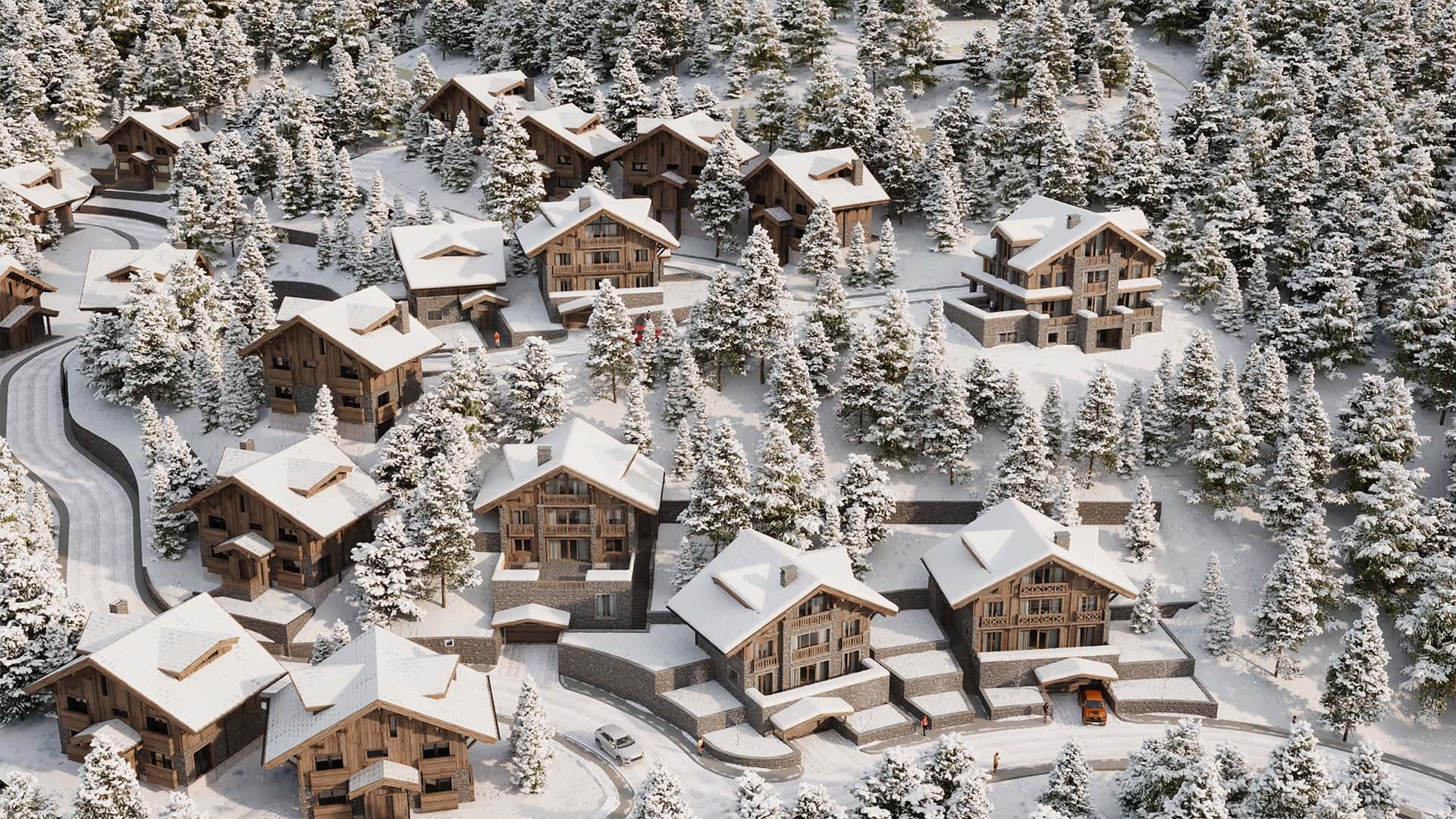
A changing definition of value.
When asking whether ski properties are a good investment in 2026, it helps to define what investment really means here. For many of today’s buyers, return includes more than rental income or capital appreciation. It includes lifestyle, emotional value, family time, and the freedom to be somewhere else for part of the year.
The mountain home has become a symbol of independence, a space of quiet, and in many cases a personal reward for years of work. That blend of meaning and measured performance is what keeps ski property compelling, as long as the financial side is read honestly: gross yields are not take-home, and the four-season story is what now separates the resilient markets from the rest.
The best investments often serve more than one purpose. Ski homes are doing exactly that. They deliver tangible returns, modest in cash terms once costs are netted off, alongside quality of life and lasting experiences. Thoughtfully chosen and well-managed, they remain one of the more fulfilling ways to hold an asset and enjoy it at the same time.
The best investments often serve more than one purpose. Ski homes are doing exactly that.
What to consider before buying a ski property.
Field notesDefine how you will use it.
Ask how often you plan to use the home, and in which seasons. Are you focused on income, enjoyment, or a combination of both?
Read gross against net.
Take the 3-6% gross yield and net off management, utilities, tax and upkeep. Plan around roughly 1-3% net, and treat the rent as a contribution toward costs rather than a profit centre.
Check the altitude and the summer.
Reliable snow now sits around 1,500 to 1,800 metres and rising. Look at the altitude of the slopes, the strength of snowmaking, and whether the town has a real four-season draw to fall back on.
Confirm you can actually buy.
Foreign-buyer rules vary sharply. Non-EU buyers are effectively barred from holiday homes in parts of Austria, Switzerland is tightening Lex Koller, and Montenegro has new payment and residency thresholds. Confirm the door is open to you first.
Look beyond the brochure.
Visit the resort in winter and summer if you can. Understand the rhythm of the town, the quality of the infrastructure, and the strength of the local rental market.
Talk to owners and an advisor.
Speak to other owners. Build a relationship with an advisor who can guide you through the legal, tax and operational steps involved.
So are ski properties a good investment in 2026?
Yes, but not for everyone and not everywhere. For the right buyer, in the right market, with eyes open on the real returns, a ski home in 2026 offers far more than bricks and mortar. It offers a connection to place, a measured asset within a balanced portfolio, and the chance to turn personal enjoyment into a share of the home’s running costs. The thesis that drew buyers to the mountains has, if anything, strengthened. What has changed is the precision the moment demands: read the net yield, check the altitude, and confirm you can buy where you want to.
We work with clients who want more than a holiday home. They want clarity, confidence, and properties that fit the bigger picture of their life. Our role is not just to show listings. It is to understand where you are headed and help you find homes that support that journey, whether that is a chalet in the Alps or a mountain home in Montenegro. If you are exploring ski property this year, we would love to start that conversation.