

Saudi Arabia is rolling out an updated framework for real estate ownership by non-Saudis, with implementation beginning 180 days after publication in the Official Gazette. REGA’s official Q&A confirms this timeline and states the law becomes effective in January 2026.
Major legal analysis notes the law was published on 25 July 2025, which puts the 180-day mark on 21 January 2026.
What is changing for foreign buyers
The most important detail is this: foreign ownership will operate through designated geographic scopes.
REGA says a Geographic Scope Document will be published after approval and will set out:
- Where non-Saudis can own or acquire other in-rem rights
- The types of permitted rights
- Maximum ownership percentages
- Maximum durations for usufruct and related rights
- Maps and regulatory controls
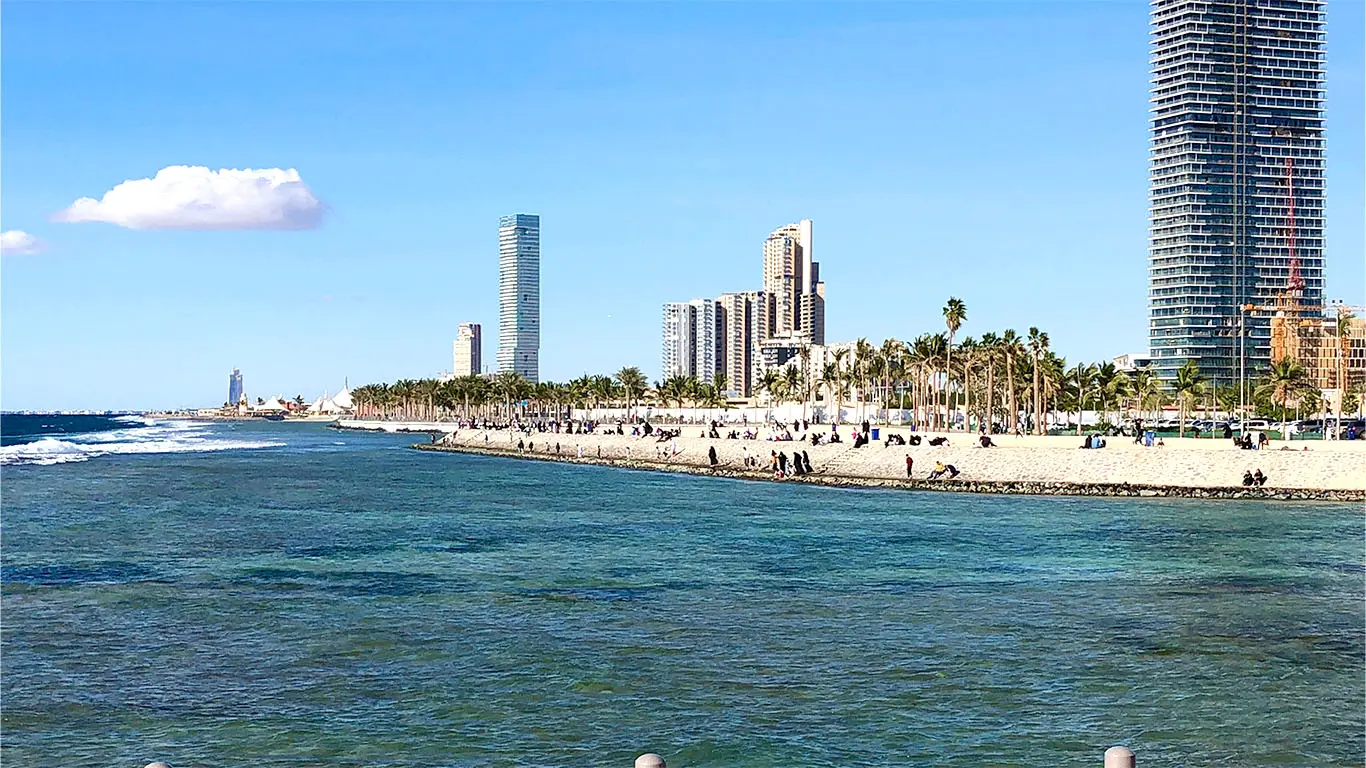
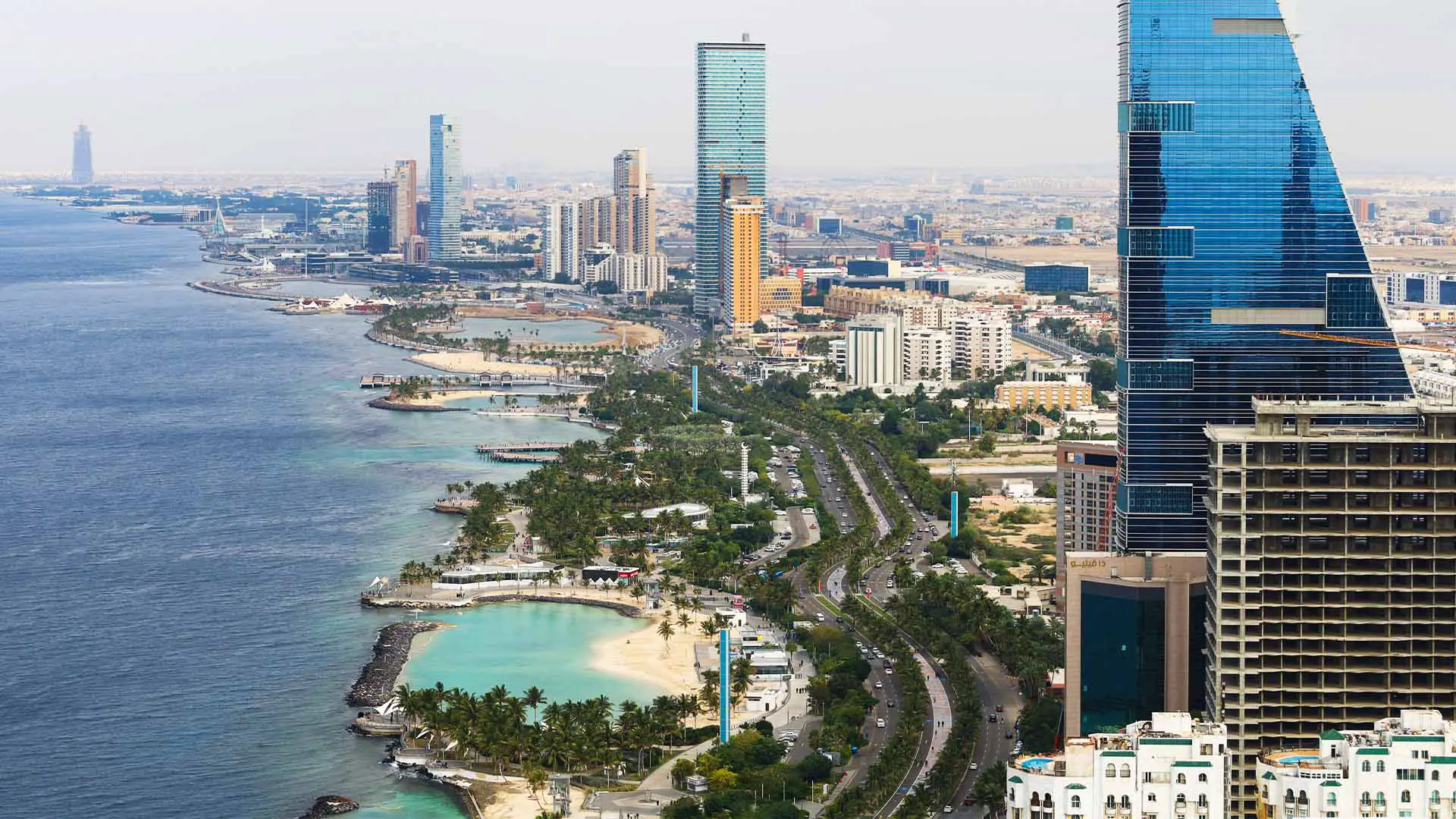
REGA also confirms ownership will be available in Riyadh and Jeddah within specific areas, and that the geographic scopes can include locations and projects named in the scope document.

What makes the market
Early investors should not assume Saudi Arabia will behave like mature trading hubs where liquidity is deep and resale cycles are fast. Saudi real estate is scaling on a more measured timeline as:
- implementing regulations are finalised
- transaction processes standardise
- international participation broadens
That reality pushes strategy away from short-term flipping and toward a multi-year build.
The edge belongs to long-horizon investors
The strongest returns are more likely to come from investors underwriting a 10-year view and focusing on fundamentals that compound over time:
- Policy-backed locations aligned with government planning and infrastructure delivery
- Asset quality in segments that hold pricing power as the market institutionalises
- Durable demand drivers like employment growth, relocations, and master-planned communities
Giga-project demand is already part of buyer interest. A Reuters report citing Knight Frank research found significant intended residential investment tied to giga-projects, with NEOM a major reference point in buyer preferences.

Buy-to-let can work, but price and policy matter
Rental income is a credible pillar of the Saudi case, but it needs realistic assumptions.
One widely used dataset puts average gross rental yields around 7.34% (Q3 2025), with variation by city, unit type, and district.
Also, policy can directly shape rental upside. Saudi Arabia implemented a five-year freeze on rent increases in Riyadh starting 25 September 2025, covering residential and commercial leases.
This can support stability and occupancy, but it can also limit near-term rent growth, so underwriting should lean on disciplined entry pricing and asset quality.
A simple checklist for early movers
Before buying, ask:
- Is the asset inside the official geographic scope once published?
- Is it properly eligible for in-kind registration, as required by REGA?
- What is the full disposal cost profile? REGA notes a total 10% fee/tax structure for non-Saudi disposition (5% disposition tax plus an additional fee up to 5%).
- Does the location benefit from committed infrastructure and long-term demand, not just hype?
Saudi Arabia’s opening is a strategic opportunity, but it is not a fast-liquidity story. Early participants who focus on quality assets, compliant execution, and patience are best positioned to benefit as the geographic scopes expand and the market matures.

Become a member to Access our full network. The ultimate community for global investors.

Omnia Research
Reccomended for you


Related reading