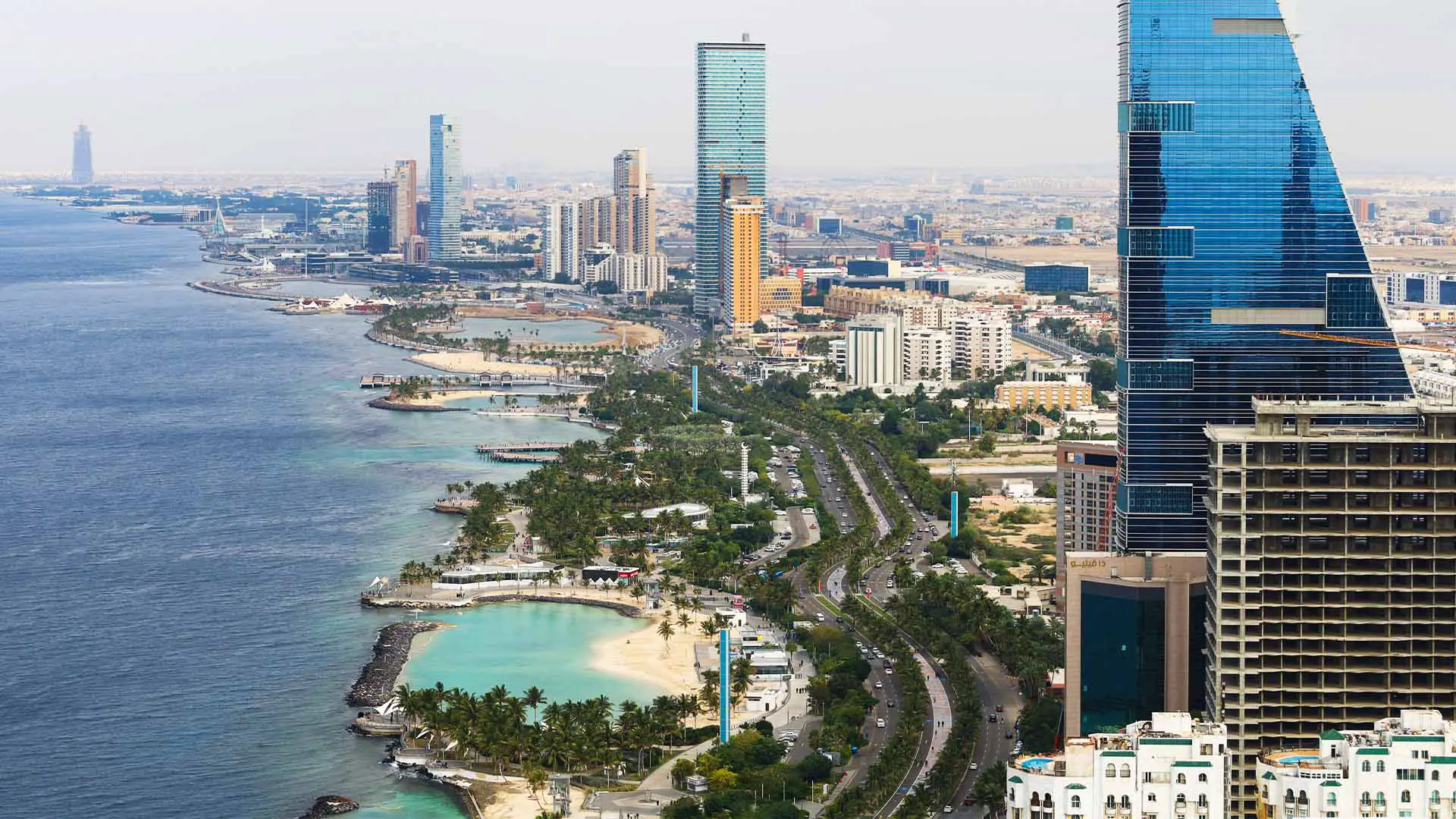


For generations, buying property in Saudi Arabia meant something very different than it did in London or New York.
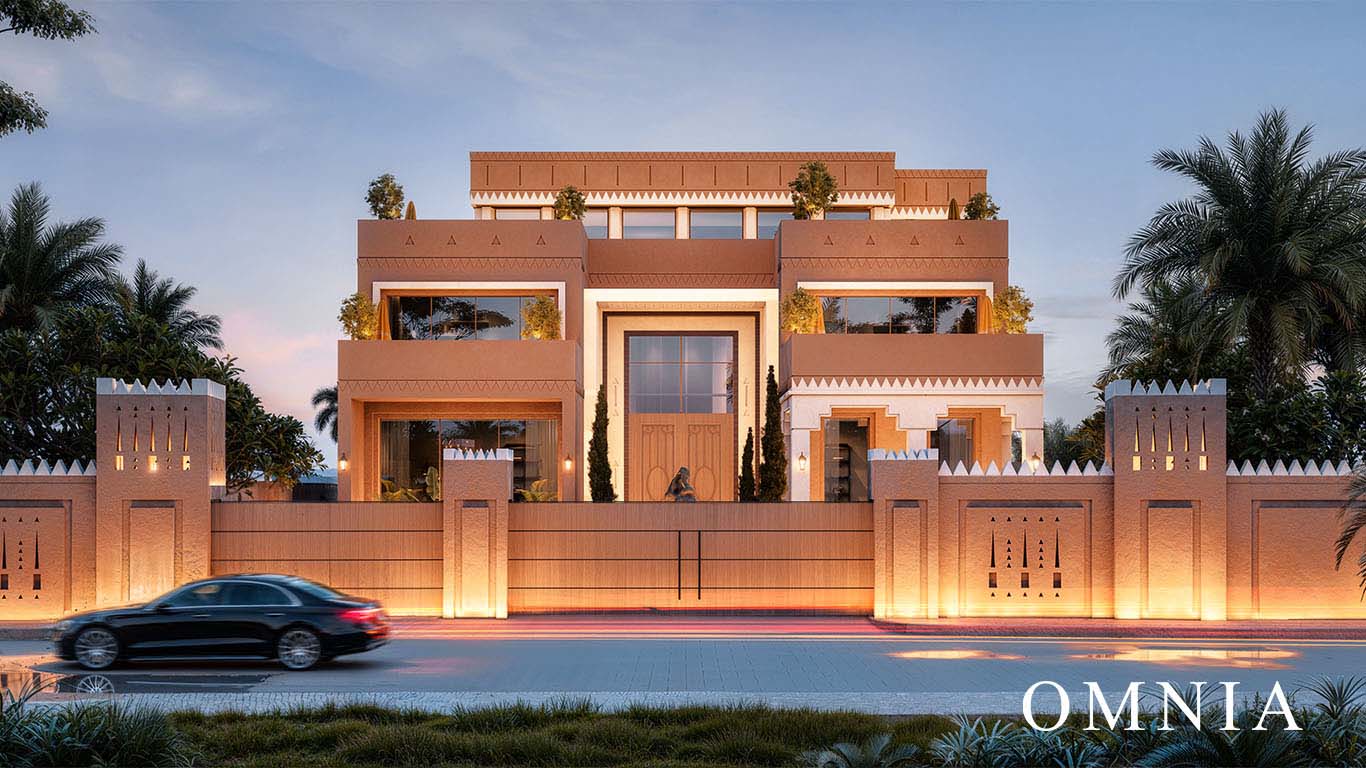
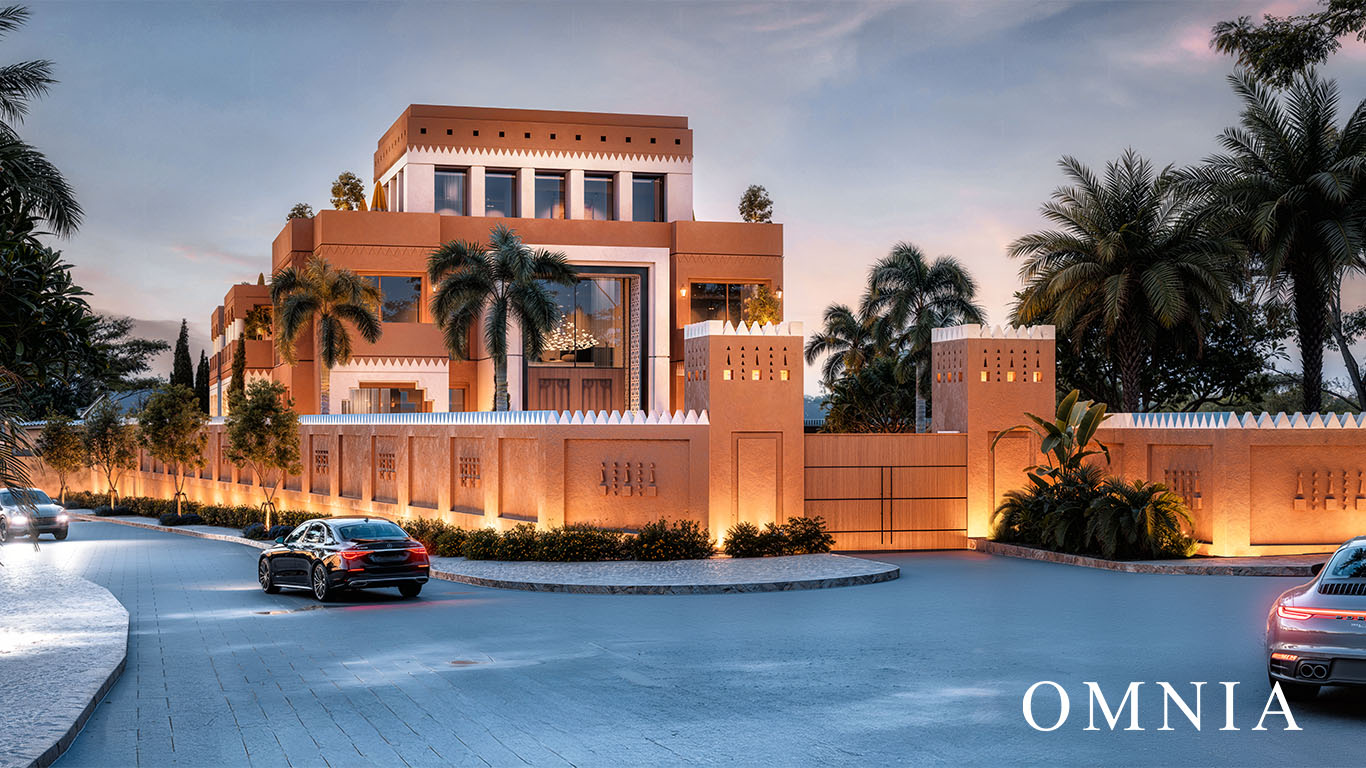
The government gave you land. You built your own villa. Thick walls, high perimeters, central courtyards. Privacy was not a feature. It was the foundation.
This was not a developer-led market. It was a self-build culture rooted in centuries-old architectural principles where Islamic privacy norms and desert climate control converged into a single design language. Walls that kept the heat out and kept the family in.
That model is collapsing.
What is replacing it is not just a shift in who builds the product. It is a collision between traditional Saudi privacy culture and international luxury real estate capital arriving at speed and scale that no one anticipated.
Since Vision 2030 opened Saudi Arabia to foreign property ownership, effective January 2026, international developers have flooded into Riyadh with a proposition that feels both familiar and radically new. Branded gated communities. Multi-tiered access. Championship golf. Five-star hospitality woven into residential infrastructure.
From our position working with some of the region's largest developers since the foreign ownership announcement, the demand surge has been considerable. International capital is allocating into Saudi luxury residential at volumes we have not seen in any other Gulf market.
They are buying into something culturally specific. Saudi Arabia's deep-rooted preference for walled, private living is not being replaced by international models. It is being upgraded by them.
This is not Dubai with Saudi characteristics. This is a market with centuries of privacy architecture now being institutionalised, branded, and sold to a global buyer base for the first time.
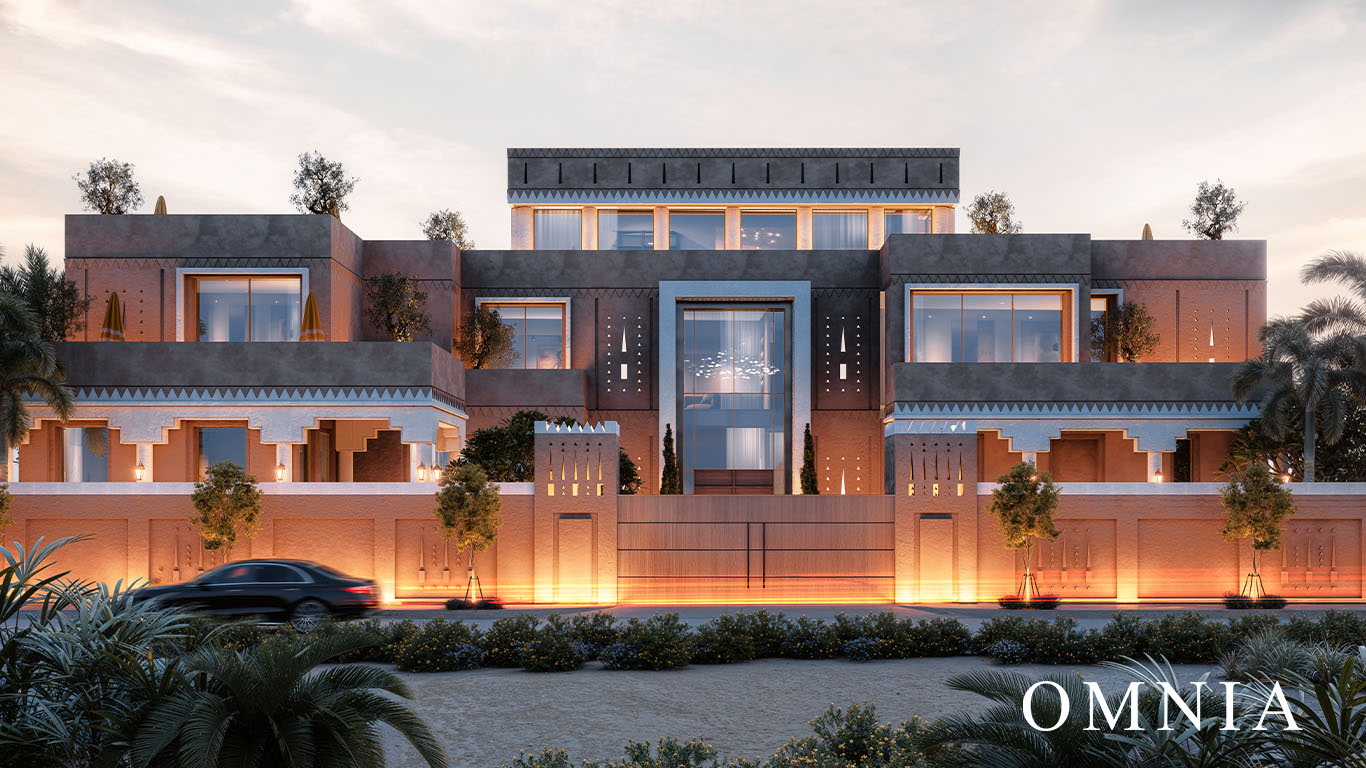
Understanding Saudi Arabia's Architectural DNA
The Cultural Foundation of Privacy in Saudi Architecture
To understand luxury gated communities in Riyadh, you need to understand where the demand originates.
Traditional Saudi architecture was built around one non-negotiable principle: privacy.
Not privacy as an amenity. Privacy as infrastructure.
Najdi homes in central Saudi Arabia featured walls 80 to 100 centimetres thick. Small windows. Inward-facing courtyards. Separate entrances for family and guests.
These were not aesthetic choices. They were functional requirements driven by Islamic cultural norms around family life and the harsh realities of desert climate.
How Traditional Compounds Shaped Modern Expectations
The courtyard was the heart of the home. An open private space where family could gather, shielded entirely from external view.
The thick walls provided thermal mass to regulate temperature swings between scorching days and cold nights. The limited openings minimised dust intrusion and preserved interior climate control.
But more than climate, these homes were designed to protect household privacy in a culture where the boundary between public and private life was sacred.
Women and family members could move freely within the compound without concern for external visibility. Guests were received in designated spaces that did not compromise the privacy of inner family areas.
The home was a controlled domain, and the walls were the mechanism that made that control possible.
This is not ancient history. This is cultural memory.
The Evolution from Self-Build to Branded Communities
Even as oil wealth transformed Saudi Arabia in the mid-20th century and the government began distributing free land plots with interest-free loans, the architectural priorities remained consistent.
Saudis built larger villas. They used modern materials, concrete instead of mud brick. But the design philosophy stayed the same.
High perimeter walls. Gated entries. Inward orientation. Privacy first.
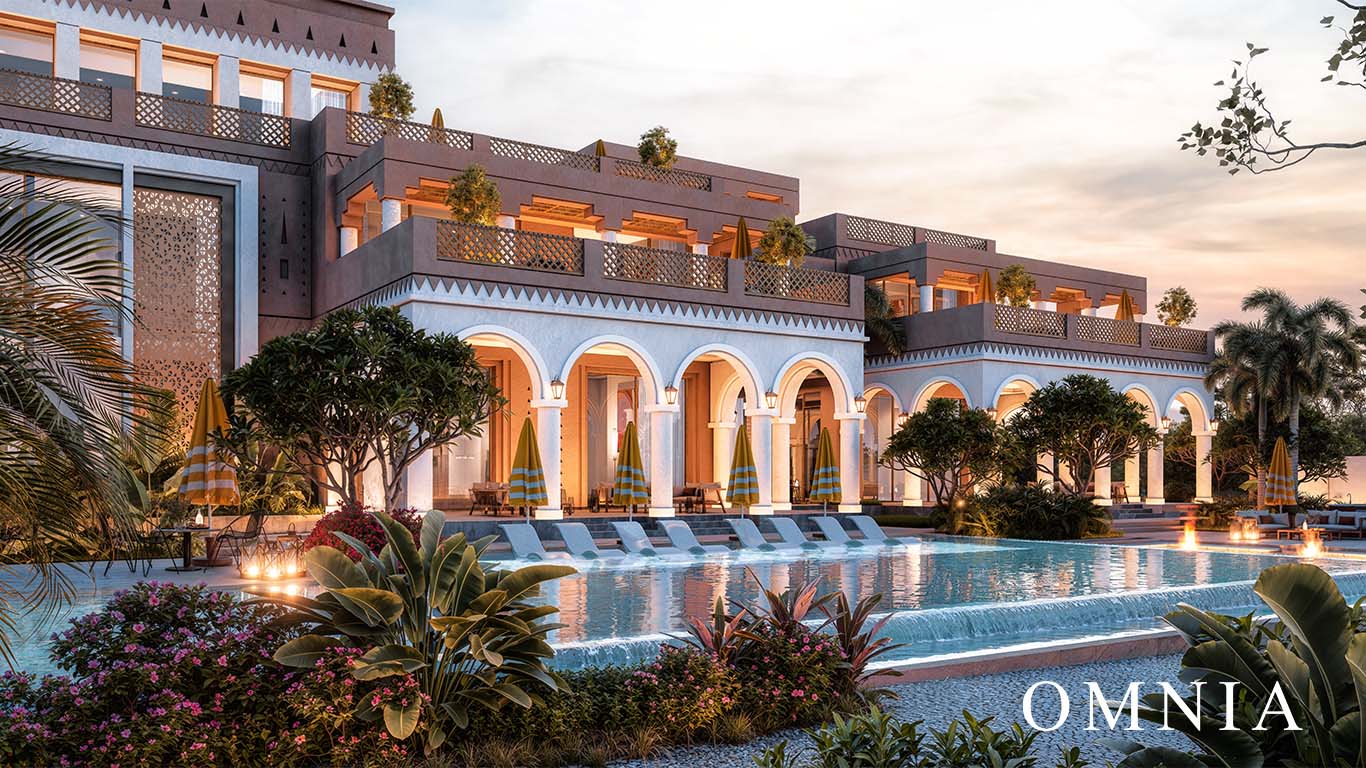
What is happening now in Riyadh's luxury residential market is not a departure from that tradition. It is an evolution of it.
The walls are still there. The gated access is still there. The separation from public life is still there.
What has changed is who is building it, how it is being branded, and who is being invited to buy.
The Shift from Self-Build Culture to Developer-Led Projects
How Property Ownership Worked in Saudi Arabia
For decades, property acquisition in Saudi Arabia followed a pattern unfamiliar to Western markets.
The government provided free land plots to Saudi citizens. The Ministry of Housing offered interest-free loans for construction. Families either hired contractors to build custom villas or selected from pre-designed prototypes and constructed homes themselves.
This was not a speculative development market. There were no large-scale housebuilders marketing ready-made communities.
The residential landscape was shaped by individual families building personal compounds on allocated plots, each one designed and constructed to the owner's specifications.
The Limitations of Traditional Property Development
Privacy was baked into every decision. Plot sizes were generous. Perimeter walls were high. Neighbours were separated by meaningful distances.
But that model had limitations.
It required coordination. Managing contractors, architects, engineers, and tradespeople. Navigating approvals and inspections. Overseeing construction timelines and budgets.
It also lacked amenities. You had your villa and your compound, but you did not have golf, dining, wellness centres, or curated social programming.
What International Developers Bring to Riyadh
What international developers are bringing to Riyadh is a fundamentally different proposition.
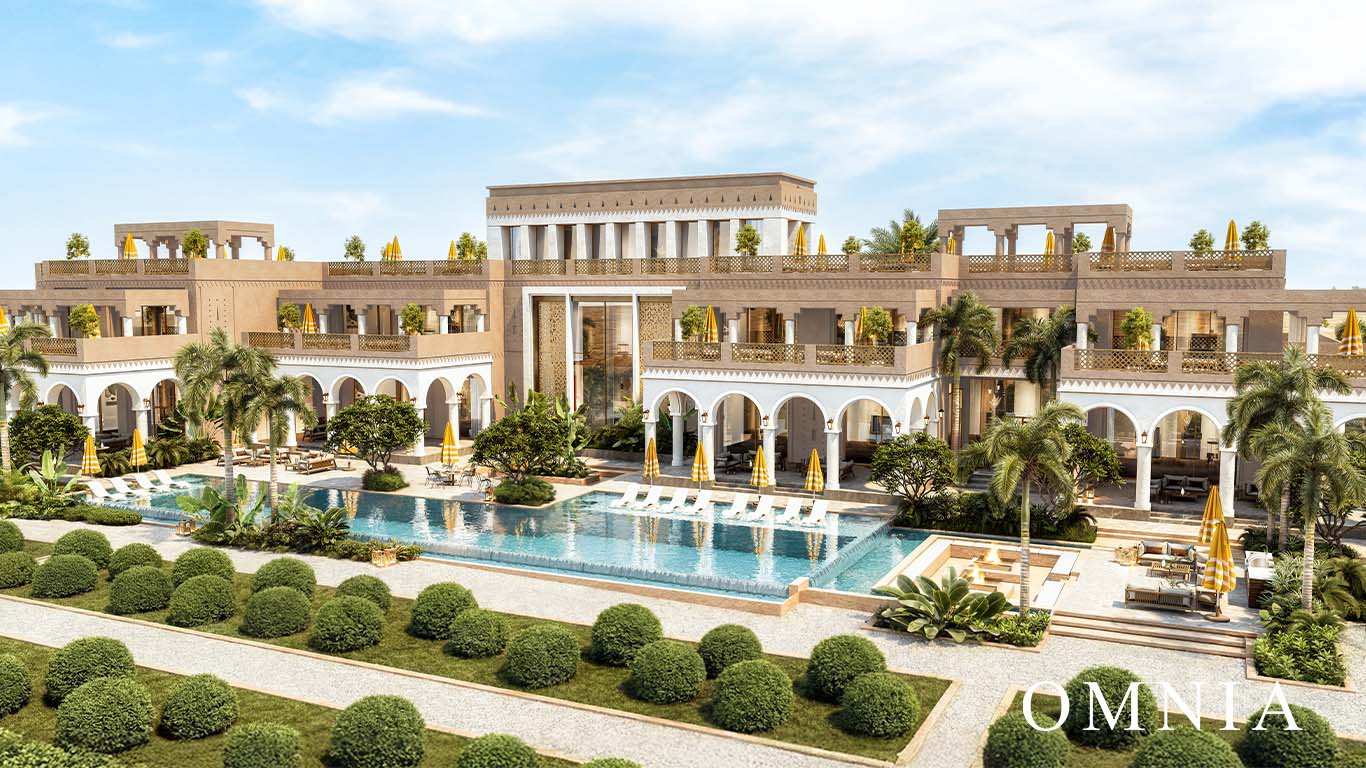
They are taking the privacy model that Saudis already value and wrapping it in a professionally managed, amenity-rich, branded environment.
You still get the walls. You still get the gates. You still get the separation.
But now you also get the Four Seasons managing the hospitality. You get Greg Norman designing the golf course. You get Aman delivering the wellness programming.
For Saudi buyers, this is not a foreign concept being imposed. It is a familiar concept being elevated.
And for international buyers entering the market for the first time under the new foreign ownership laws, it is an entry point into Saudi residential culture that feels legible and credible.
Vision 2030 and the Foreign Ownership Revolution
The Regulatory Change That Opened Saudi Arabia
The market we are seeing today would not exist without Vision 2030 and the regulatory changes that followed.
Until January 2026, foreign property ownership in Saudi Arabia was severely restricted. Non-Saudis could own property only in very limited circumstances.
That barrier has been removed.
The Law of Real Estate Ownership by Non-Saudis, approved in July 2025 and effective January 2026, allows foreign nationals to purchase residential, commercial, and mixed-use properties in designated zones across Saudi Arabia.
The holy cities of Makkah and Madinah remain restricted. But Riyadh, Jeddah, and other major cities are now open.
The Immediate Market Impact
The impact has been immediate.
Developers who were already active in other Gulf markets have moved into Saudi Arabia with ambitious projects designed to capture both local and international demand.
Branded residential product, which proved successful in Dubai and elsewhere, is now being deployed across Riyadh at scale.
We have seen this firsthand. The volume of international inquiries we are fielding for Saudi luxury residential has increased significantly since the foreign ownership announcement.
These are not speculative buyers. These are Gulf nationals looking to diversify their property portfolios. These are returnees, Saudis who spent years abroad and are now relocating back to the Kingdom with capital and expectations shaped by international markets.
Why Institutional Backing Matters
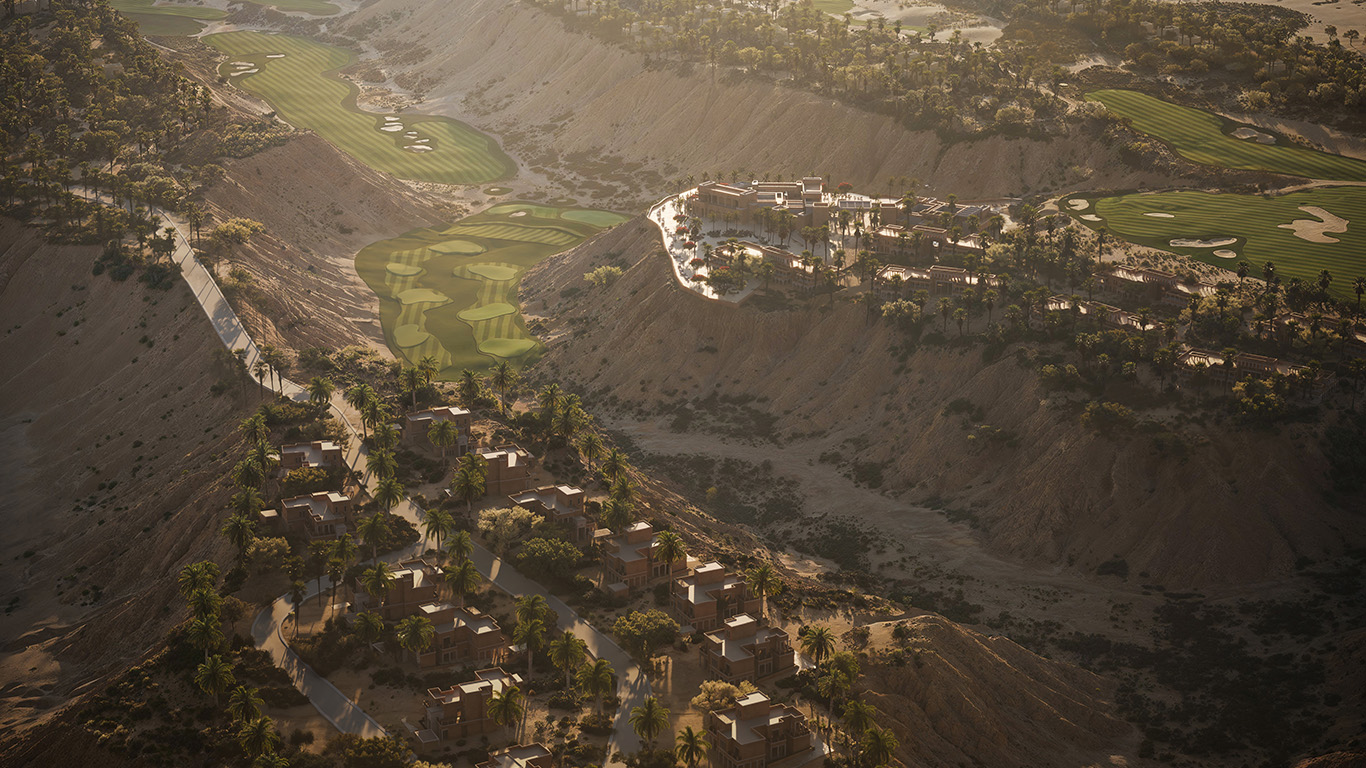
When PIF backs a project like Wadi Safar, and when global hospitality brands like Trump, Four Seasons, Atlantis, and One&Only anchor developments, it signals credibility.
It tells both Saudi and international buyers that this is not experimental. This is the future of prime residential in the Kingdom.
The foreign ownership law did not create demand for gated, ultra-private living in Riyadh. That demand was already latent in the culture.
What the law did was open the market to a much larger pool of capital and validate the lifestyle model at an institutional level.
The Branded Residences Boom in Riyadh and Jeddah
Trump, Four Seasons, and Atlantis Enter the Market
Branded residences have become the dominant product type in Riyadh's ultra-luxury segment, and the pace of announcements has accelerated notably in recent months.
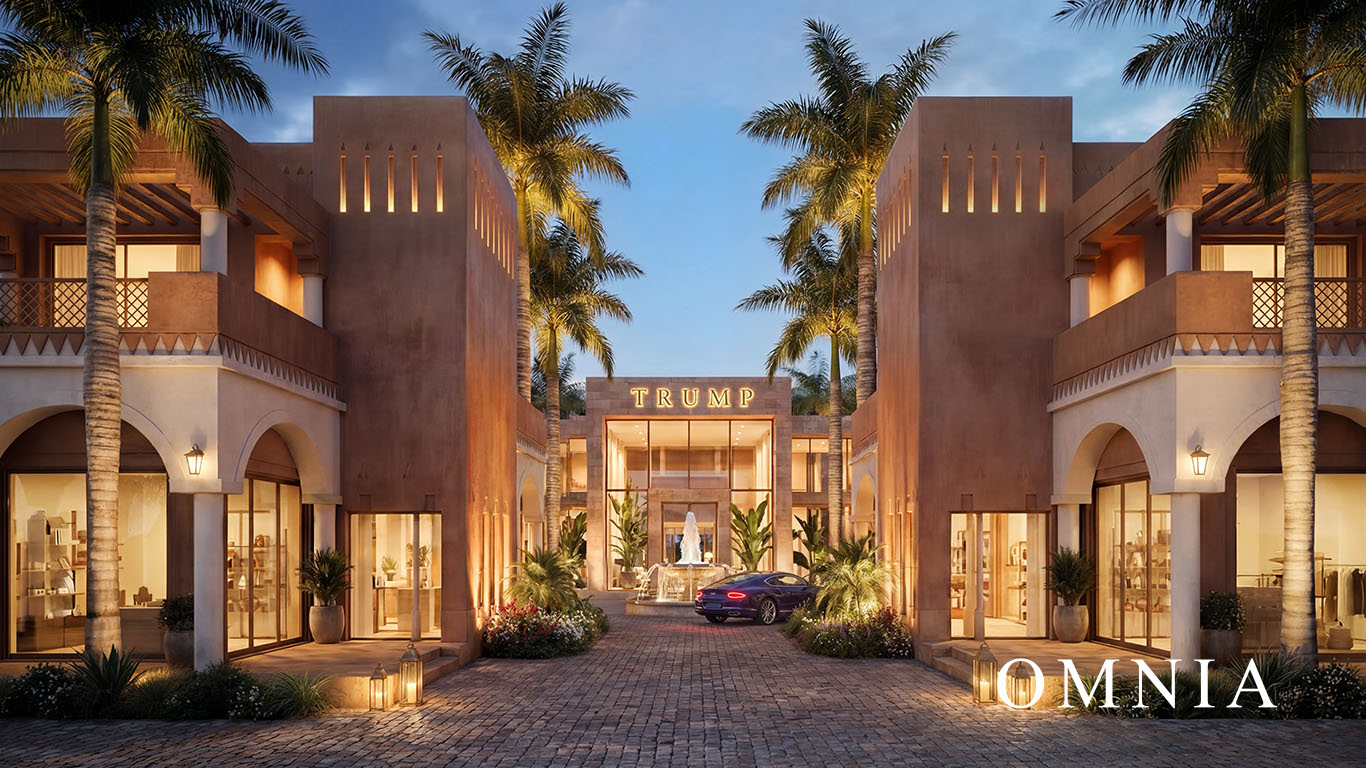
Trump Plaza Jeddah launched this week inside the AMAYA development. A USD 1 billion mixed-use district with residences, offices, retail, dining, and a members-only Vitality Club. It follows Trump Tower Jeddah, launched in December 2024.
Four Seasons Private Residences announced in Diriyah will sit within the wider Diriyah heritage and cultural destination.
Wadi Safar, a PIF-backed valley development within Diriyah, is anchored by Trump International Golf Club, Trump International Hotel, and a collection of branded and non-branded mansions under the Rayana enclave.
The Hospitality Ecosystem in Wadi Safar
Six Senses, Montage, Oberoi, Faena, Aman, and Chedi are all confirmed as hospitality partners within Wadi Safar.
This creates a hospitality ecosystem that serves residents without requiring them to leave the valley.
Atlantis and One&Only Transform Jeddah Central
In Jeddah Central, Midad Real Estate has partnered with Kerzner International in a SAR 7.6 billion joint venture to deliver the Kingdom's first Atlantis and One&Only destinations.
Atlantis Jeddah will include branded residences, the region's first Aquaventure Waterpark, and over 20 dining venues.
One&Only Jeddah will offer private homes, the brand's first in Saudi Arabia, designed around discretion and curated living.
Why Branded Residences Are Winning
The pattern is clear. International hospitality and real estate groups are moving into Saudi Arabia with branded residential product because they have seen it work across the Gulf.
Branded residences reduce friction for international buyers. They provide a reference point for quality, service, and operational credibility. They make a new market feel less risky.
For Saudi buyers, branded residences offer something different. They offer a professionally managed, amenitised version of the privacy model they already value.
You get the walls, the gates, and the controlled access. But you also get the golf, the dining, the wellness centres, and the social programming.
This is why branded residential product is moving faster than any other segment in Riyadh right now. It appeals to both local and international demand simultaneously.
What Defines Ultra-Private Living in Riyadh
Multi-Layered Access Control
The term ultra-private gets used loosely, so it is worth being precise about what it actually means in Riyadh's gated luxury market.
It means multiple layers of controlled access.
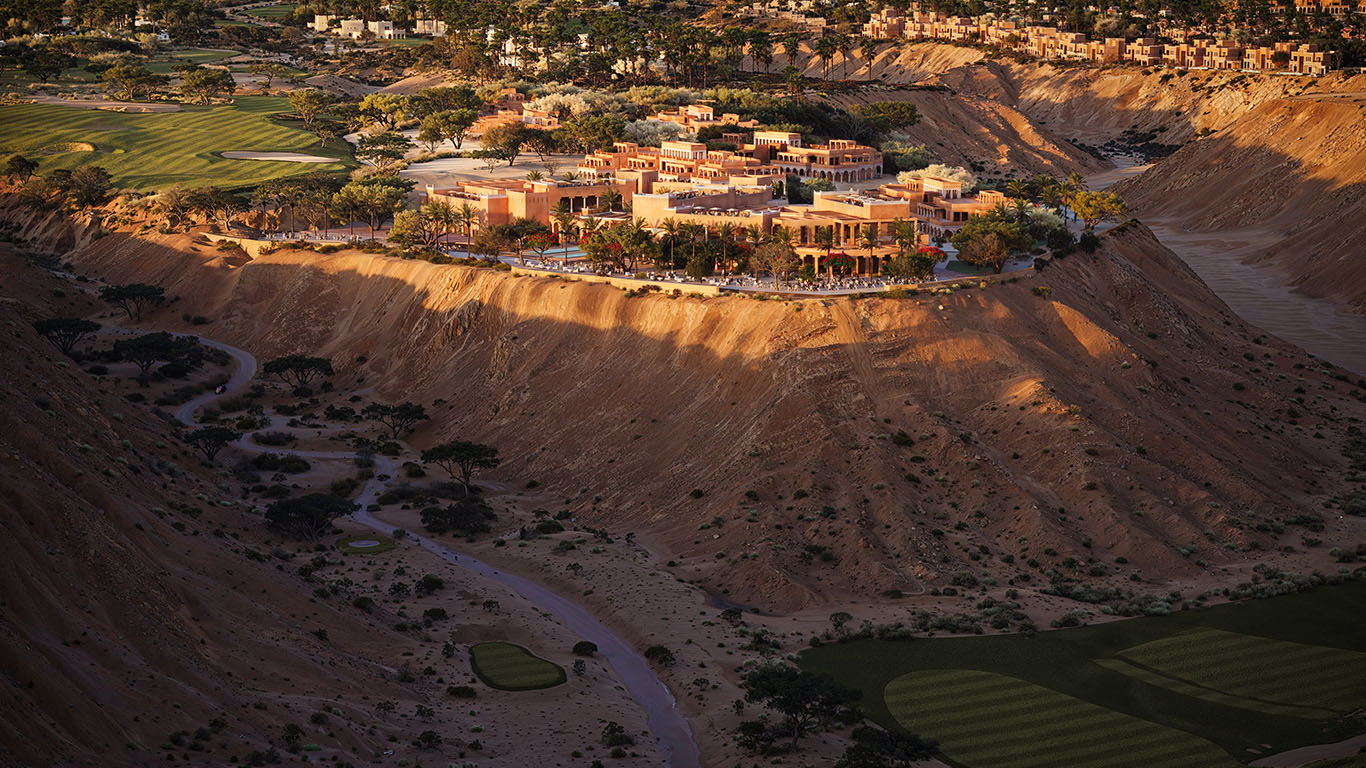
The development sits behind a secured gate. That is baseline. But within that perimeter, individual neighbourhoods often have secondary gates. In some enclaves, individual villa clusters or plots have tertiary access points.
This layering creates zones of progressively greater exclusivity. You are not just living in a gated community. You are living in a gated neighbourhood within a gated community.
For buyers who value discretion, this matters. It creates physical and visual separation not just from the public, but from other residents within the same development.
Low Density as a Premium Feature
It means constrained density.
These developments are not efficiently packed to maximise unit yield. Plot sizes are large. Building coverage is limited. Setbacks are generous.
You have meaningful distance between homes, which creates acoustic and visual privacy that fencing alone cannot deliver.
Controlled Public Realm
It means controlled public realm.
Shared amenities exist, but they are designed exclusively for residents and authorised guests. There are no day visitors. There are no public throughfares. There is no mixed retail drawing external foot traffic.
The development operates as a closed loop by design and by covenant.
Professional Security Infrastructure
It means professional security infrastructure.
Multi-layered perimeter monitoring. Limited entry points with 24-hour staffing. Vehicle and visitor logging. Biometric access systems. Internal patrol routes. Surveillance coverage that is ambient, not intrusive.
This is not security theatre. This is operational credibility delivered by professional management teams with institutional backing.
For ultra-high-net-worth buyers, both Saudi and international, these details are not negotiable. They are the baseline expectation.

Who is Buying Luxury Gated Communities in Riyadh
Saudi Nationals from Established Families
The buyer profile for ultra-private gated communities in Riyadh breaks into several distinct groups.
Multi-generational wealth holders who historically owned large family compounds in central Riyadh but are now exploring newer enclaves that offer privacy without the operational burden.
They want space, but they also want amenities. They want security handled professionally, not managed in-house. Gated luxury communities provide that.
Saudi Returnees from International Markets
Saudis who spent years abroad for education or business and are now relocating back to the Kingdom as Vision 2030 creates economic opportunity.
These buyers have international reference points. They expect architectural quality, landscape design, and lifestyle programming that matches what they experienced in London, Geneva, or California.
They are less attached to traditional central neighbourhoods and more open to new enclaves with strong branding and institutional credibility.
Gulf Nationals Diversifying Property Portfolios
Citizens of UAE, Kuwait, Qatar, and Bahrain allocating capital into Saudi real estate under the new foreign ownership framework.
Many already own second homes across multiple Gulf markets. They understand gated living. They value privacy.
And they are drawn to Saudi Arabia's scale, growth trajectory, and the institutional backing behind PIF-led developments.
International Buyers and Family Offices
High-net-worth individuals and family offices from Asia, Europe, and beyond who view Vision 2030 as a structural investment opportunity.
These buyers are entering the Saudi market for the first time, and branded gated communities provide a legible entry point. They understand Four Seasons. They understand Trump. They understand Atlantis.
The brands reduce perceived risk.
Corporate Executives Seeking Turnkey Solutions
Both Saudi and expat, who want turnkey product.
They do not want to coordinate construction, manage contractors, or oversee household operations. They want to acquire a finished residence in a professionally managed environment with reliable security, amenities, and a vetted community.
Across all these groups, the common thread is a willingness to trade urban centrality for privacy, space, and exclusivity.
They are not optimising for convenience. They are optimising for insulation.
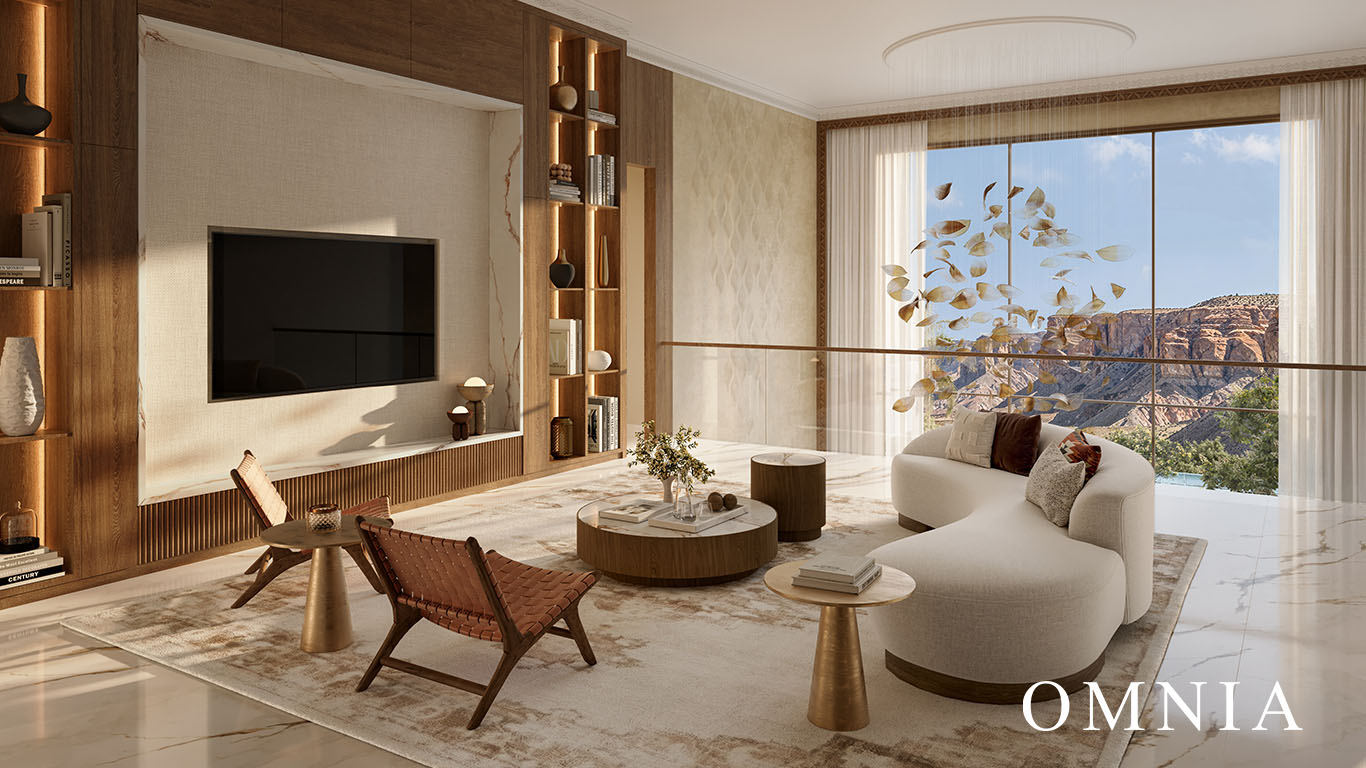
Privacy as a Value Driver in Riyadh's Luxury Market
Why Privacy Commands Premium Pricing
In most residential markets, privacy is treated as a secondary attribute. It is nice to have, but it does not fundamentally drive valuation.
In Riyadh's ultra-luxury segment, privacy is the core value proposition. Everything else, amenities, branding, location, is supporting infrastructure.
This changes how developments are priced.
Buyers are not comparing price per square metre against other villas in the city. They are paying a premium for the ability to live in an environment where their household is physically and operationally separated from public exposure.
That premium is meaningful, and it shows up in land values, construction budgets, and exit pricing.
How Developers Structure Pricing
Developers who understand this dynamic structure their offerings accordingly.
They constrain density. They layer access. They invest in professional security operations. They partner with globally recognised hospitality brands to validate quality and service delivery.
And they price accordingly.
For international buyers, particularly those from markets where gated living is standard for affluent households, this positioning is intuitive. They have paid for privacy elsewhere. They understand its value.
Cultural Continuity Meets Modern Luxury
For Saudi buyers, the psychology is slightly different but equally strong. Privacy has always been culturally important.
High walls around family compounds, separate entrances for family and guests, discrete household management. These are traditional norms.
What gated luxury communities offer is a modern, professionally managed version of that same principle. You get privacy, but you also get golf, dining, wellness centres, and curated social programming.
That combination commands pricing power.
Buyers will pay more for lower density. They will pay more for layered access. They will pay more for the assurance that their address will not become crowded or publicly accessible.
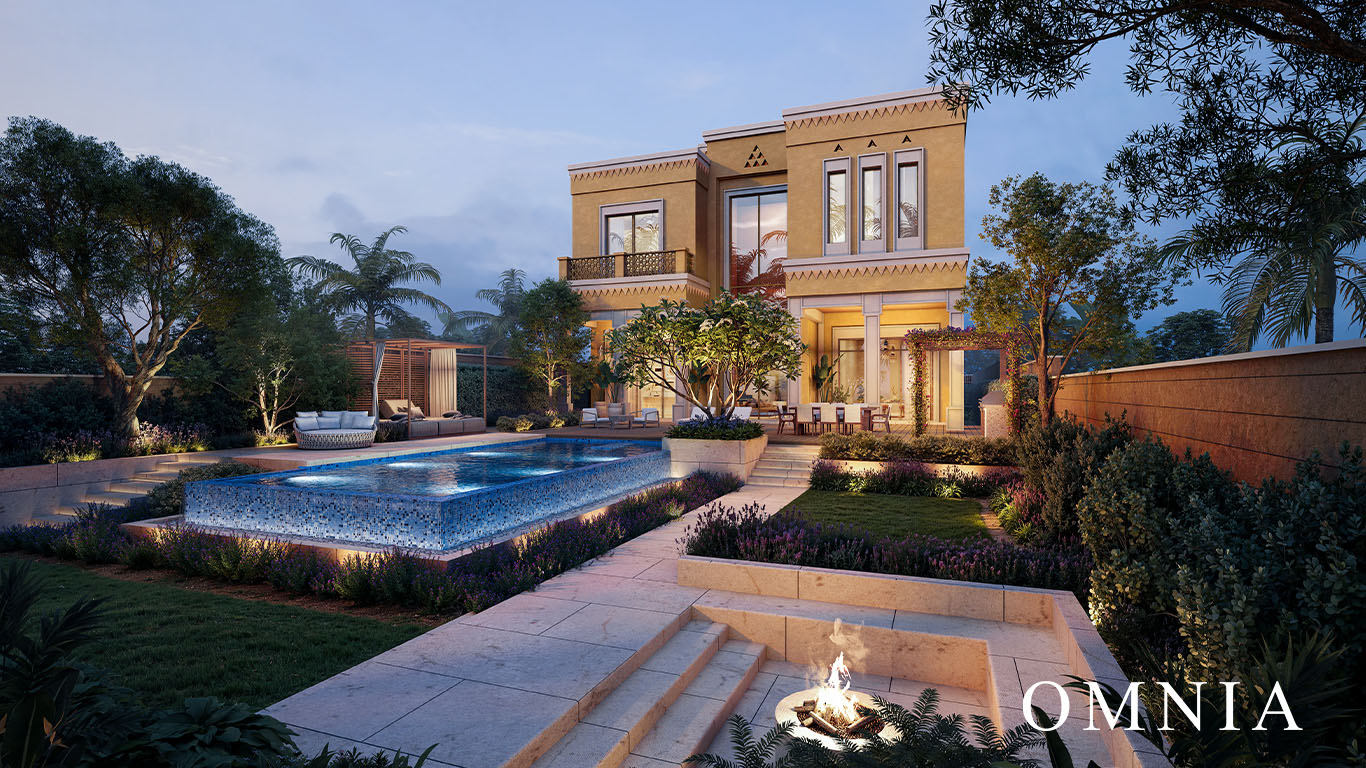
The Diplomatic Quarter - Riyadh's Original Gated Enclave
How the DQ Established the Model
Before the current wave of branded gated luxury product, Riyadh's most established example of controlled, low density living was the Diplomatic Quarter.
The DQ, as it is known, was developed in the 1980s as a purpose-built enclave for embassies, diplomatic residences, and select international organisations. It sits on the western edge of central Riyadh, bordered by Wadi Hanifah.
The DQ operates as a gated district. Access is controlled. Entry requires clearance. The internal environment is green, quiet, and spatially generous.
Compounds within the DQ house expat families, diplomats, and senior executives. They offer villas, pools, landscaped gardens, and recreation facilities within secured perimeters.
The Limitations of the DQ Model
For decades, the DQ represented Riyadh's premium privacy product.
But it was never designed for Saudi nationals in large numbers. It was never positioned as a luxury lifestyle destination in the way current developments are.
It was functional, not aspirational. It proved the market for gated living in Riyadh, but it did not elevate the concept.
What Modern Developments Learned from the DQ
What is happening now is developers taking the DQ's privacy model and upgrading it.
They are introducing branded hospitality, championship golf, curated retail, fine dining, and wellness programming. They are building for owner occupiers, not rotating expat assignments.
And they are targeting a buyer base that expects more than just a secure villa. They expect an ecosystem.
The DQ demonstrated that there was demand for controlled, low density living in Riyadh. The new generation of product is scaling that concept upward and positioning it as ultra-luxury rather than functional housing.
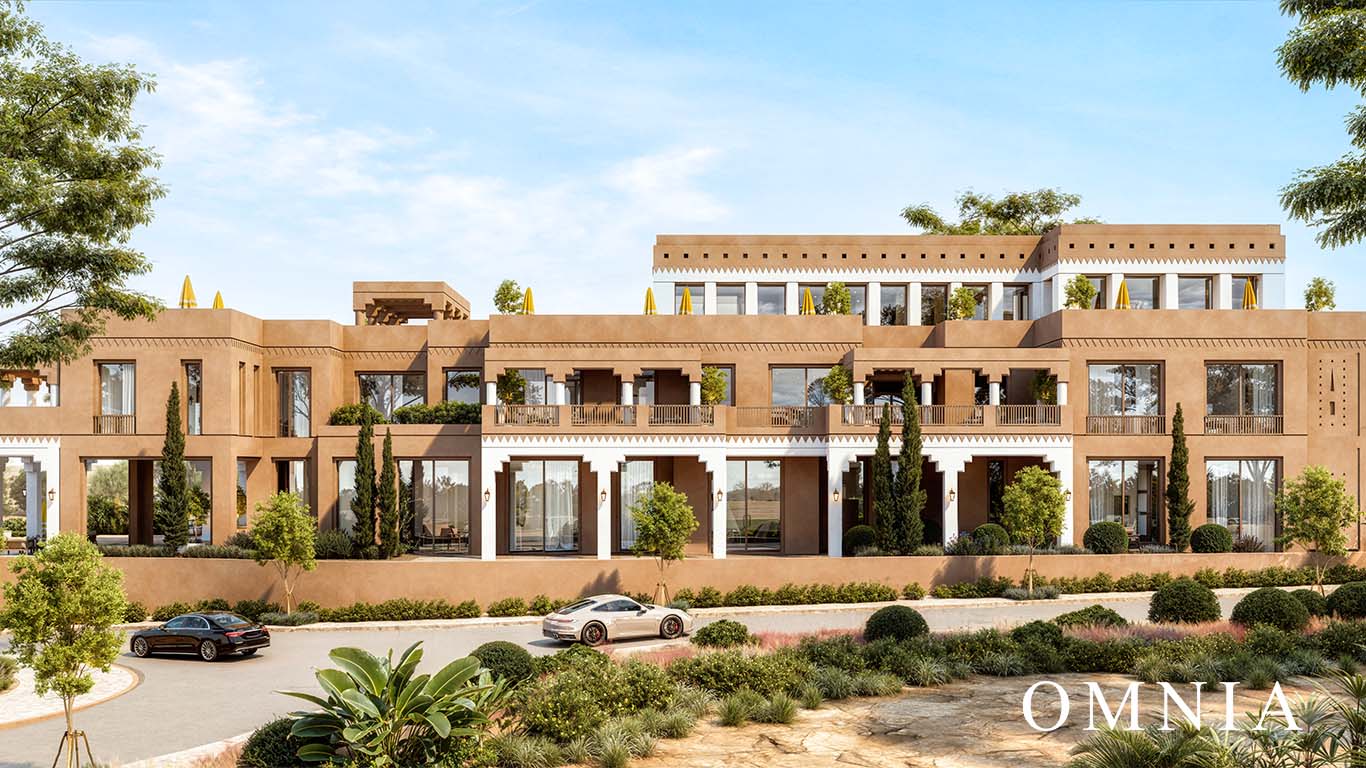
Wadi Safar - The New Standard
Inside Saudi Arabia's Most Exclusive Residential Valley
The most visible example of Riyadh's ultra-private luxury evolution is Wadi Safar.
Located on the western edge of Riyadh within the broader Diriyah development zone, Wadi Safar is being positioned as Saudi Arabia's most exclusive residential valley.
It is a PIF-backed project, developed by Diriyah Company, and structured around ultra-private, low density living at scale.
The Geography and Masterplan
Wadi Safar spans a significant geographic footprint within Wadi Hanifah, one of Riyadh's natural valleys.
The site includes rolling terrain, escarpment views, and native desert landscape. The masterplan integrates that topography deliberately.
Villas and mansions are positioned to maximise views over the valley floor and fairways. Plot sizes are large. Building density is intentionally restrained.
Multi-Tiered Access Control
Access into Wadi Safar is secured at the valley level. There is one primary entry point, reserved for residents and authorised guests.
Within the valley, individual neighbourhoods have additional private access points. In enclaves like Rayana, homes sit behind further secured gates.
This multi-tiered access model is central to Wadi Safar's positioning.
Championship Golf and Five-Star Hospitality
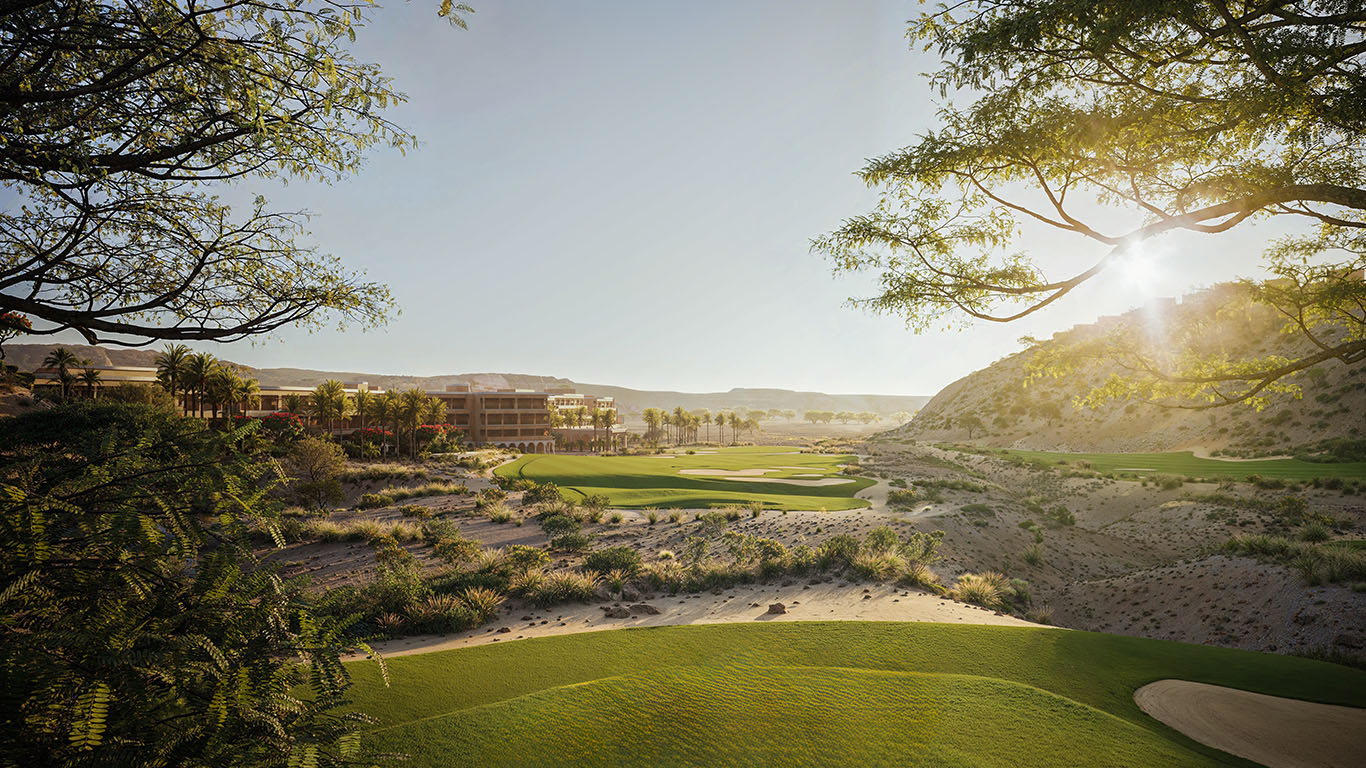
The valley's amenity infrastructure is anchored by the Royal Equestrian and Polo Club and a Greg Norman-designed 27-hole championship golf course.
Hospitality partners include Six Senses, Montage, Oberoi, Faena, Aman, and Chedi.
These are not hotel flags for marketing purposes. They represent a curated hospitality ecosystem designed to serve residents with dining, wellness, spa, and leisure programming without leaving the valley.
Rayana: Saudi Arabia's Private Address
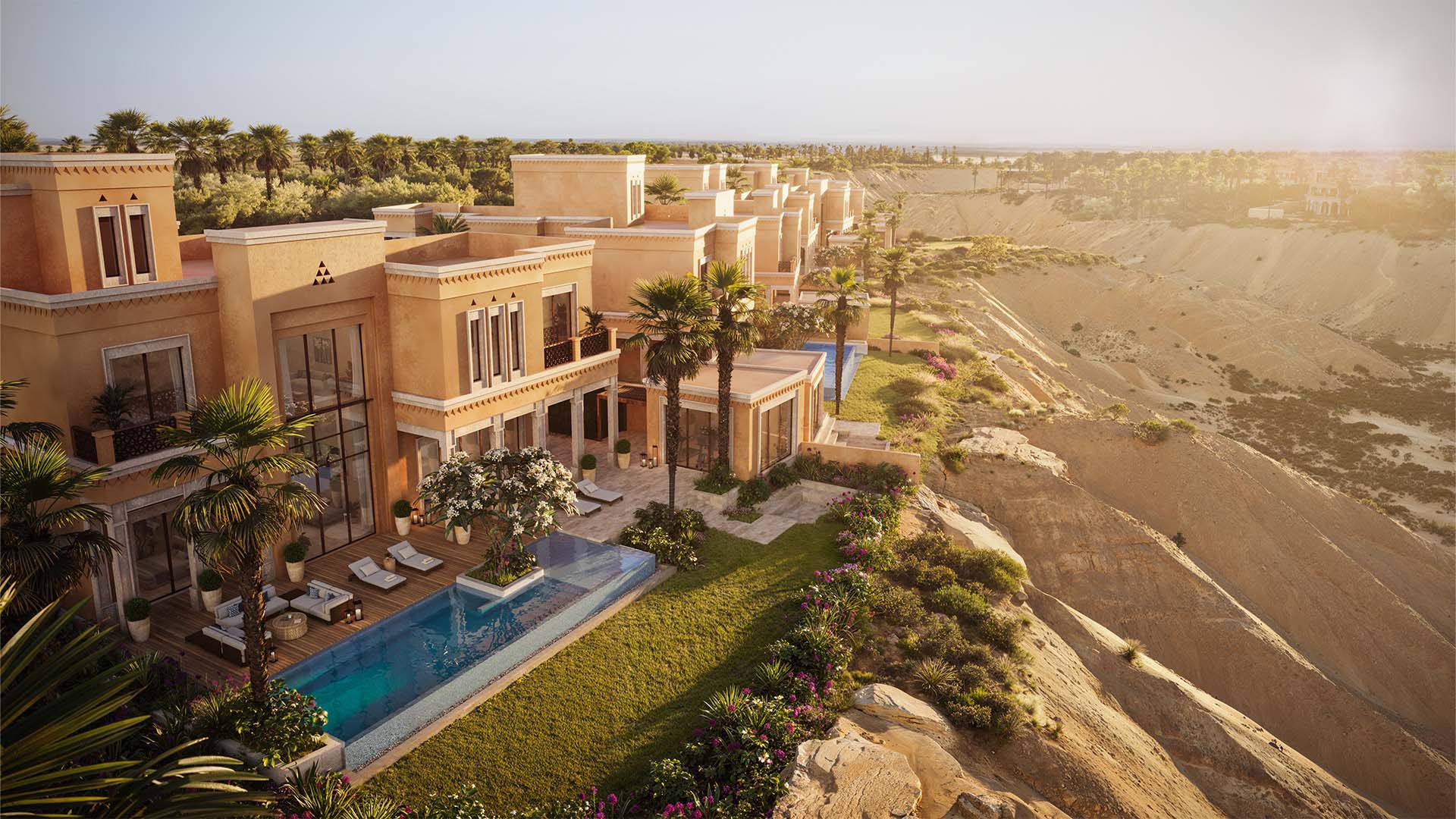
Within Wadi Safar, Dar Global has launched Rayana, a limited collection of branded and non-branded mansions anchored by Trump International Golf Club Wadi Safar, Trump International Hotel Wadi Safar, and a members-only club with no day guest access.
Rayana is not marketed as a villa community. It is marketed as Saudi Arabia's private address.
Privacy is not a feature. It is the proposition.
We are tracking Wadi Safar closely because it represents a directional shift in how ultra-luxury living is being conceived in Saudi Arabia.
It is low density by design. It is gated at multiple levels. It combines branded hospitality with private residential estates.
And it is targeted at a buyer who values discretion, space, and controlled access above urban proximity.
This is the new benchmark.
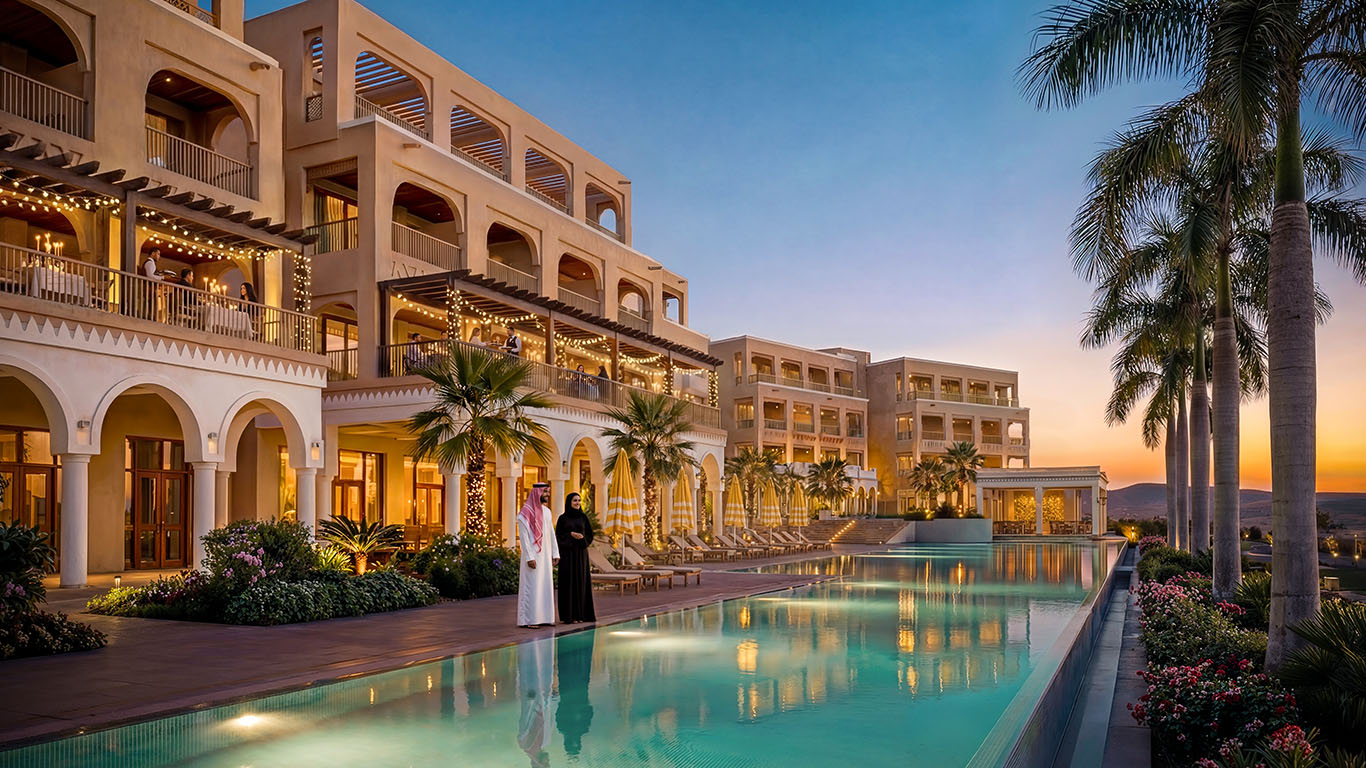
From Expat Compounds to Luxury Communities
The Traditional Compound Model
Riyadh's traditional model for private, gated living was the expat compound.
Self-contained residential enclaves, typically managed by corporate housing providers, designed to accommodate international families on assignment.
Compounds offered villas, pools, gyms, and sometimes retail within a secured perimeter. They served a functional need. They were reliable, turnkey, and familiar to expats who had lived in similar environments across the Gulf.
Why Compounds Were Never Aspirational
But compounds were never aspirational. They were practical.
They offered security and convenience, but they were not designed as lifestyle destinations. Architecturally, they tended toward bland uniformity. Amenities were adequate but rarely exceptional. Community programming was minimal.
They existed to house people temporarily, not to create long term owner-occupied neighbourhoods.
The New Model: Communities, Not Compounds
What is emerging now is a different model. Gated luxury communities designed for ownership, not rental. Built for families who intend to stay for decades, not rotational assignments.
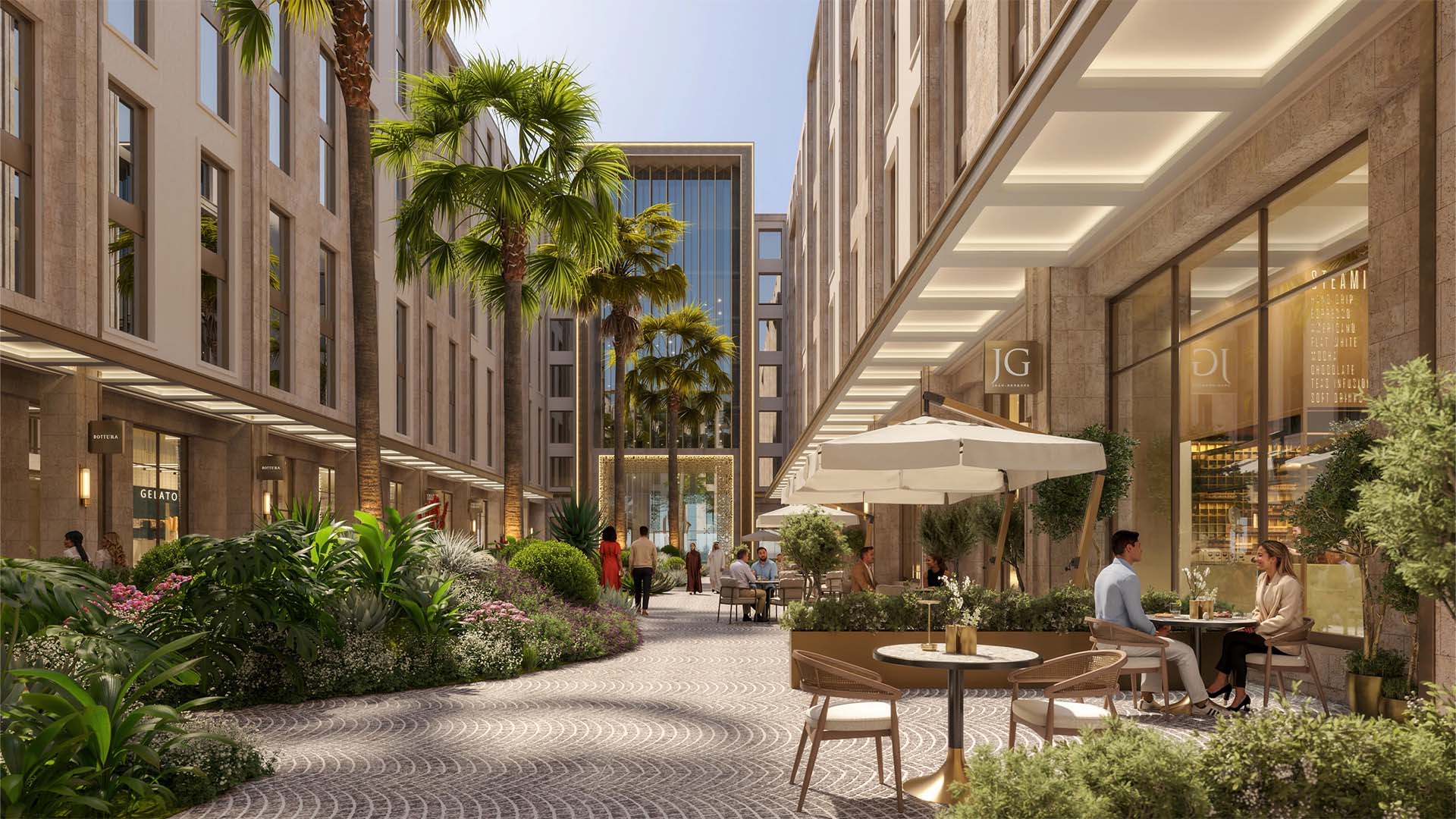
They incorporate branded hospitality, fine dining, championship golf, wellness centres, and curated social programming. They are architecturally ambitious. They are landscaped to high standards.
And they are managed by professional operators with institutional credibility.
How Positioning Drives Premium Pricing
This shift from compound to community changes the buyer equation.
Compounds compete on price and convenience. Communities compete on exclusivity, lifestyle, and long term value retention.
We see this transition most clearly in how new developments are positioned. They are not marketed as convenient housing solutions. They are marketed as generational addresses.
The messaging emphasises heritage, permanence, and belonging.
The target buyer is not someone looking for short term accommodation. It is someone looking to anchor their family in an environment that reflects their status and values.
The Future of Gated Luxury Communities in Riyadh
What to Expect from the Market
Riyadh's gated luxury segment is still in its early growth phase, but the trajectory is clear.
More developments will follow the Wadi Safar model. Low density, multi-tiered access, branded hospitality integration, and lifestyle programming designed for long term owner occupiers.
We expect additional international hospitality groups to partner with Saudi developers to anchor these communities. We expect more branded residential product, where golf clubs, hotels, or wellness operators extend their names to villa collections within gated enclaves.
The Pricing Gap Will Widen
We also expect the pricing gap to widen.
As supply of genuinely ultra-private product remains constrained relative to demand, premium pricing will hold. Buyers who want the highest level of exclusivity, discretion, and security will continue to pay for it.
Developers who can deliver that product at institutional quality will capture disproportionate value.
The Migration from Central Riyadh
The question is not whether gated luxury communities will remain relevant in Riyadh.
The question is how much of the city's ultra-high-net-worth population will migrate to these enclaves, and what that migration does to established central neighbourhoods.
For now, the trend is unmistakable. Privacy is not a preference. It is an expectation rooted in centuries of Saudi architectural and cultural tradition.
And Riyadh's residential market is restructuring around that expectation at speed, with institutional backing, international capital, and global hospitality brands validating the model at scale.
The walls are not new. The sophistication inside them is.

Become a member to Access our full network. The ultimate community for global investors.

Omnia Research
Reccomended for you

Related reading