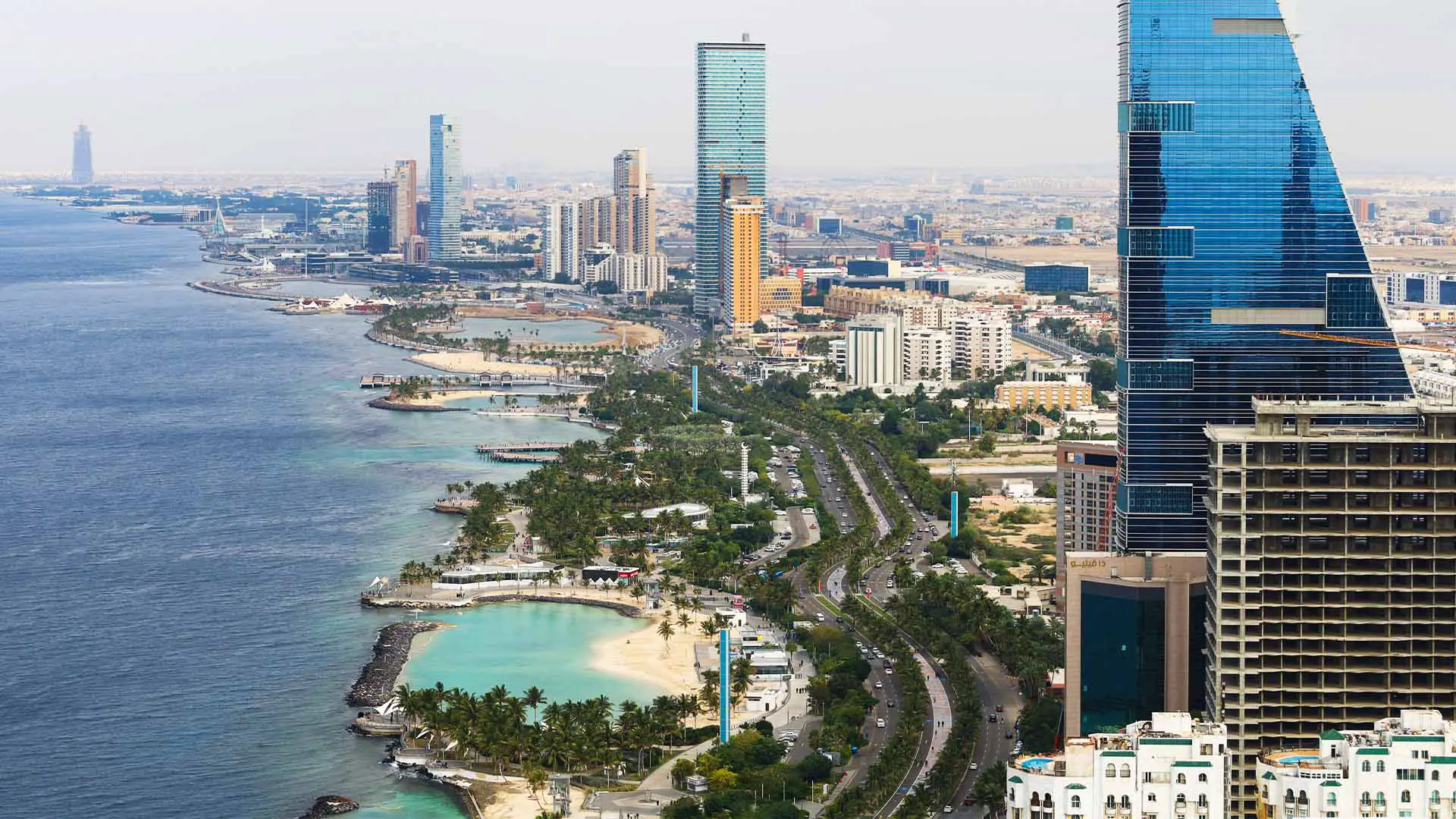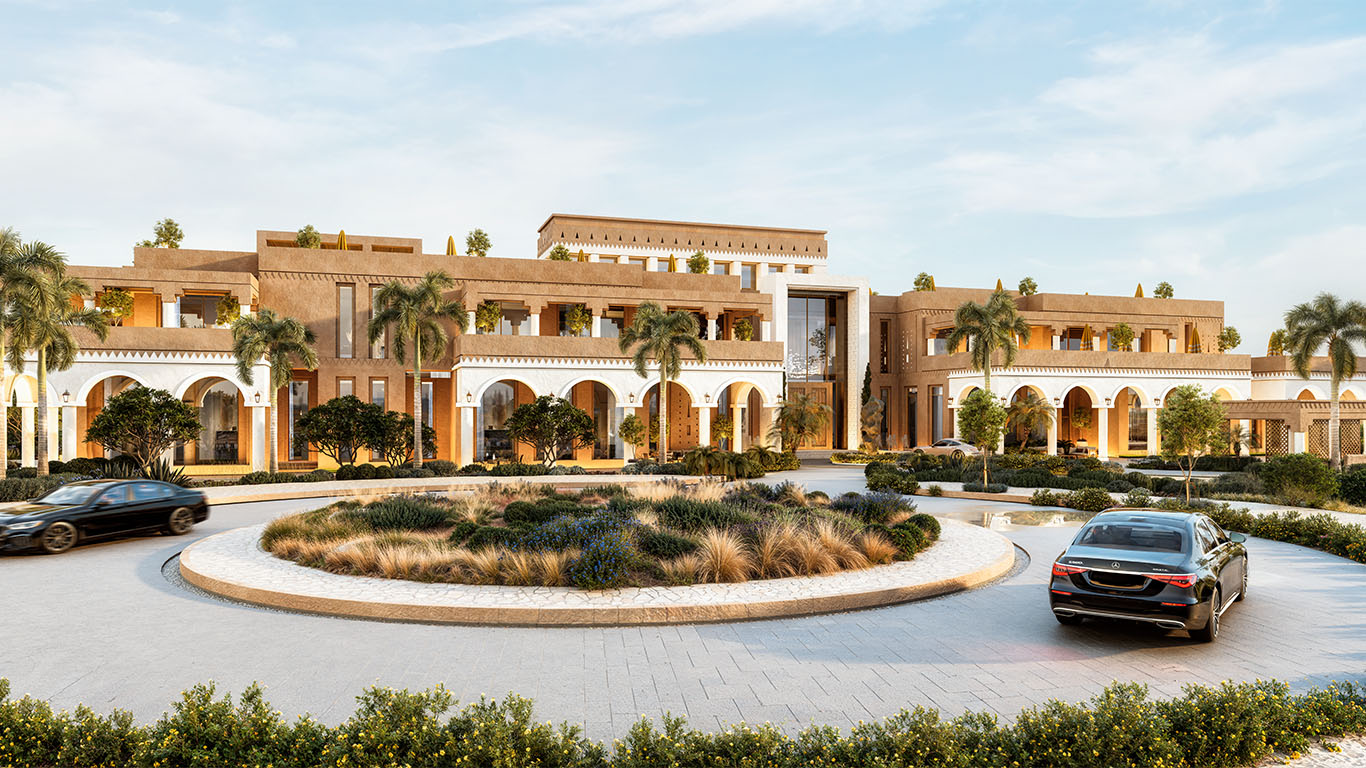


Saudi Arabia’s ultra luxury residential market is still in its early phase, but it is advancing faster than many expected.
Since the Kingdom opened its residential property market to international buyers, capital has begun to move with notable discipline.
From our experience firsthand dealing with prospective buyers both domestic and international, this is not speculative money chasing short-term yield. Instead, early buyers are making measured allocations into limited, long-term assets, positioning ahead of broader market maturity.
Other brokers active in the market over the past year report a similar pattern. Buyers are entering early, allocating meaningful capital, and underwriting Saudi Arabia as a long-duration play aligned with Vision 2030 rather than as a high-risk frontier market.
Within this context, Wadi Safar has emerged as one of the clearest indicators of where ultra luxury living in Saudi Arabia is heading.
Ultra Luxury Saudi Arabia Is Taking Shape Differently
Globally, ultra luxury real estate markets tend to evolve in predictable ways. Initial attention focuses on branded developments, high visibility locations, and rental performance. Saudi Arabia is diverging from that path.
The early phase of this market is being defined by restraint rather than scale.
Industry participants working with international buyers note that interest is concentrated in low-density, culturally grounded developments rather than vertical luxury or short-term rental assets.
This reflects a more cautious, institutional mindset among early entrants. Buyers are not attempting to time price spikes. They are positioning capital ahead of infrastructure, regulatory, and lifestyle maturation under Vision 2030.
Vision 2030 as a Structural Backdrop
Vision 2030 is often framed as a policy agenda, but for real estate investors it functions more like a structural framework.
It provides long-term visibility into infrastructure spending, urban development, tourism, and lifestyle investment. Unlike many emerging markets, Saudi Arabia’s transformation is centrally coordinated and sovereign-backed.
This matters at the ultra luxury level, where buyers are typically allocating capital across multiple jurisdictions and assessing geopolitical, regulatory, and macroeconomic risk.
Market advisors report that buyers are less focused on near-term pricing and more concerned with alignment. They want assets that sit within the Kingdom’s long-term vision rather than on its margins.
We widely view Wadi Safar as one of the clearest examples of that alignment.
A Young Market With Rapid Maturation
Saudi Arabia’s luxury residential market remains young by international standards. Transaction data is limited. Price discovery is still underway. Buyer education is ongoing.
But the pace of maturation is unusually fast.
Legal clarity around international ownership has improved. (See our write up of the new laws here) Development standards have risen quickly. Buyer profiles are becoming more defined.
This acceleration is compressing what would normally be a multi-decade market evolution into a much shorter timeframe.
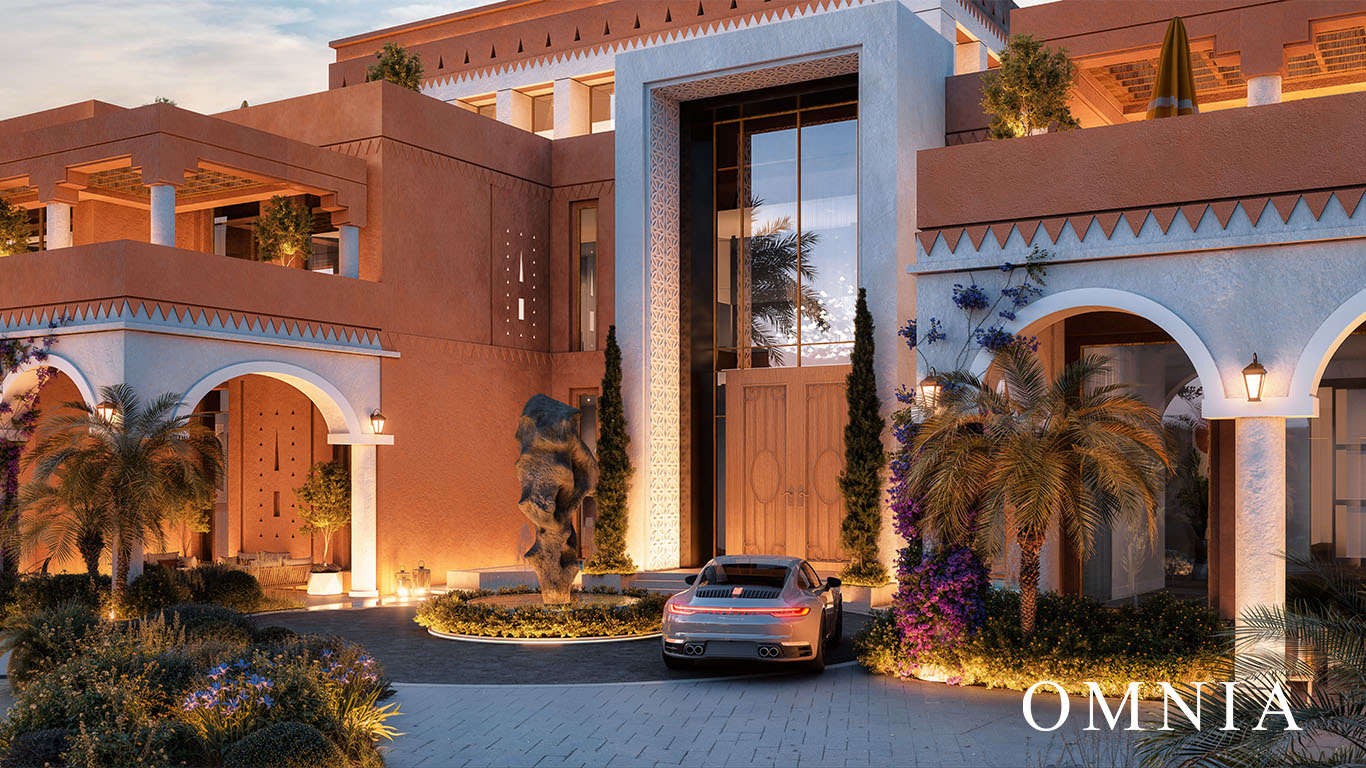
Wadi Safar and the Shift Toward Long-Term Assets
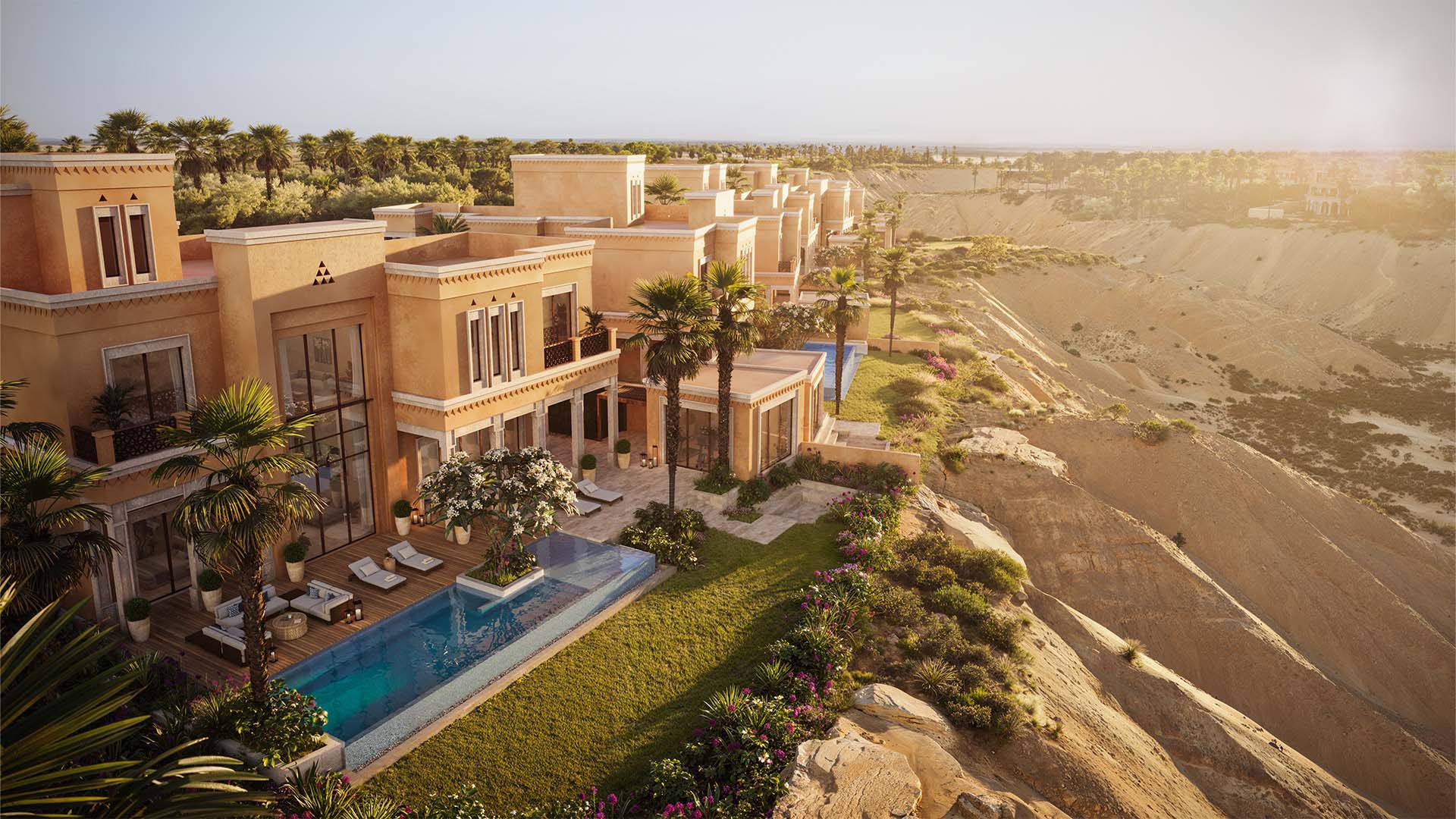
Wadi Safar differs from many high-profile luxury developments in the region in several important ways.
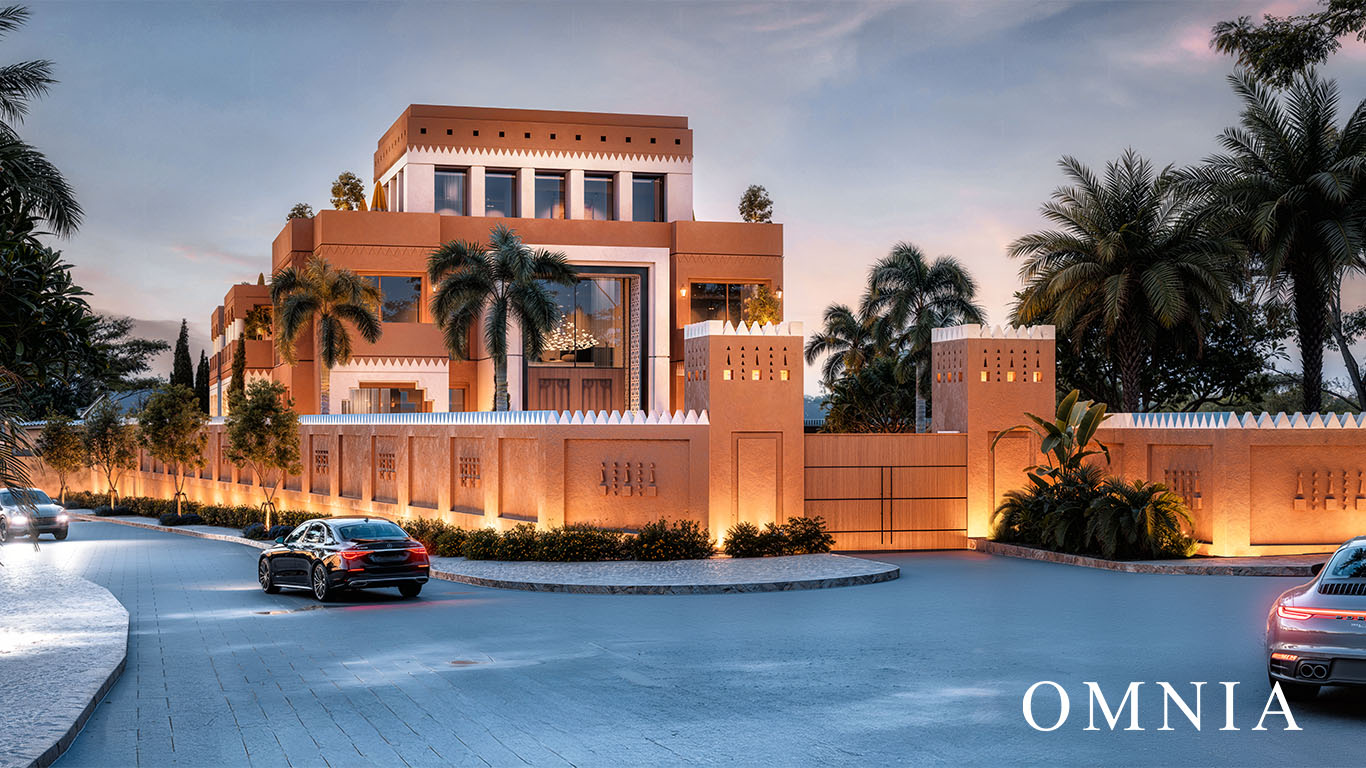
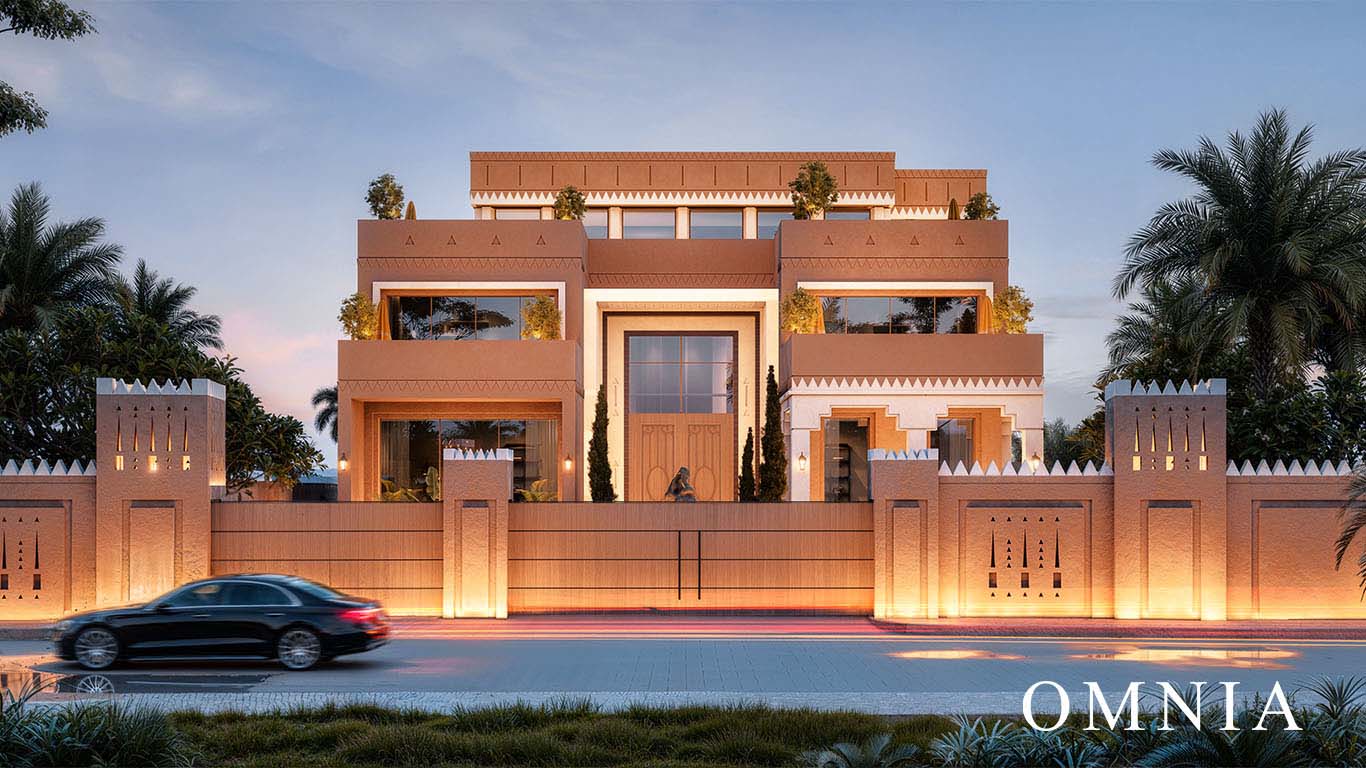
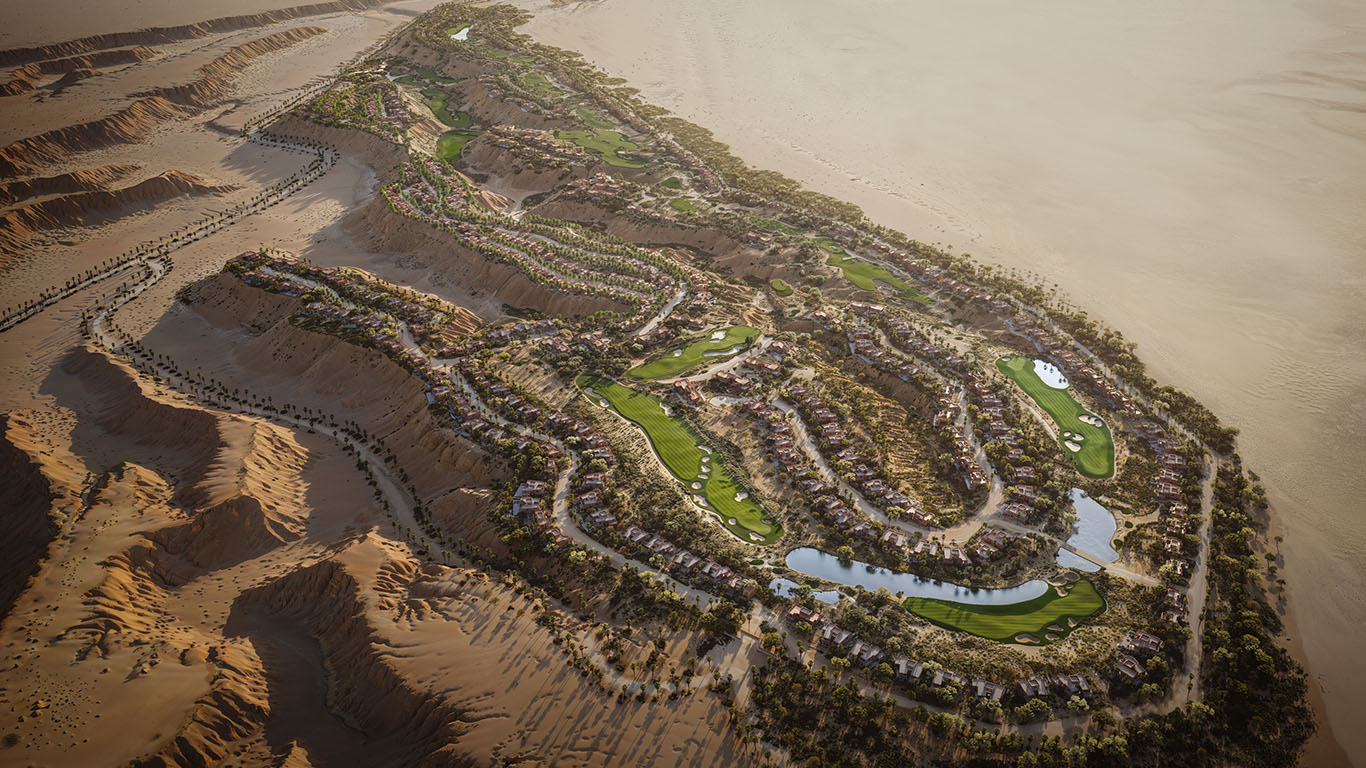
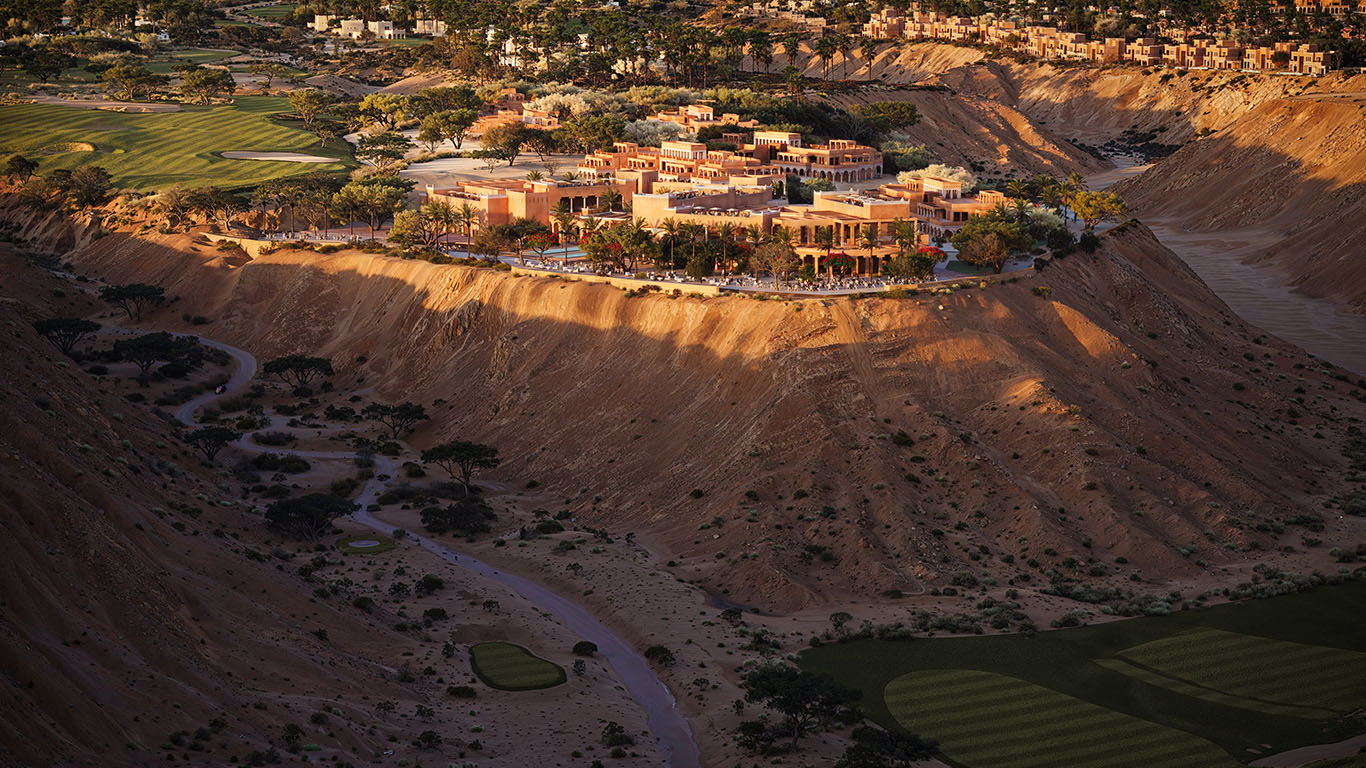
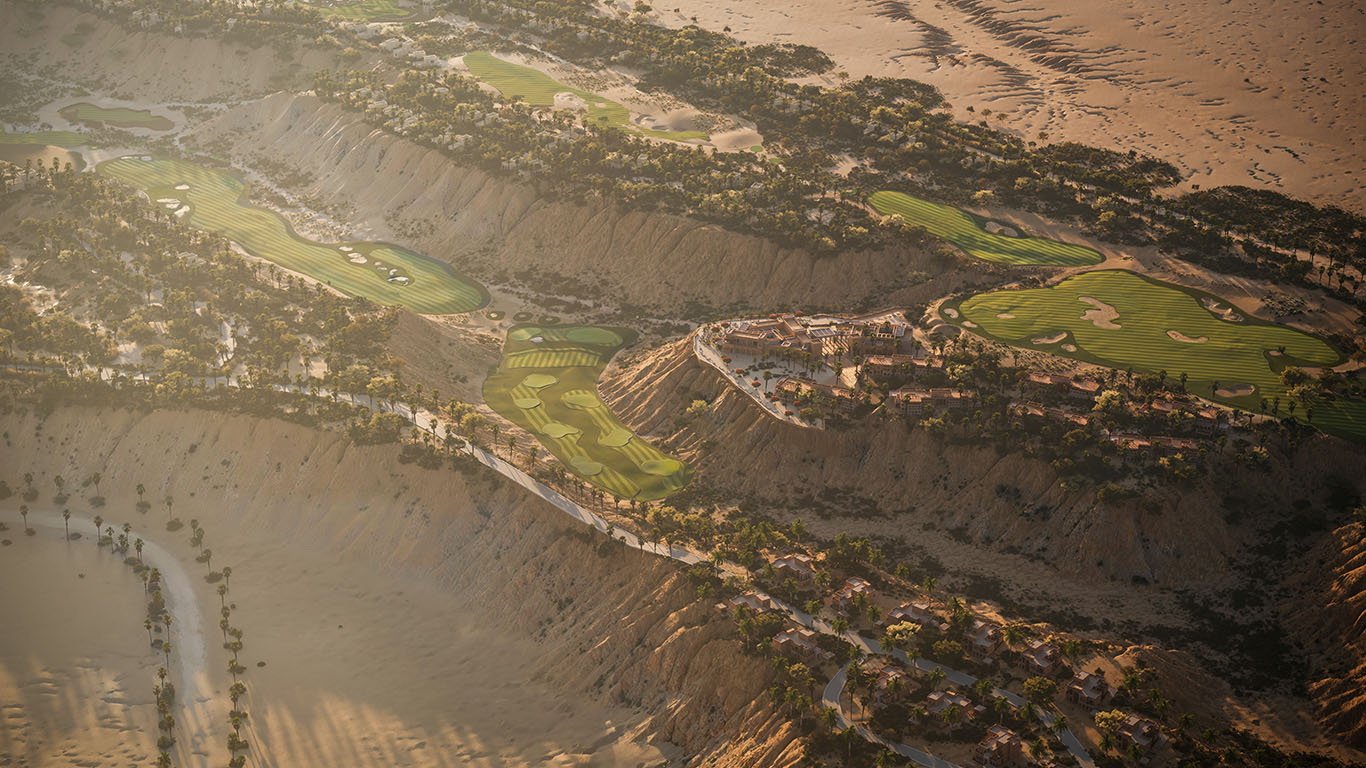
It is low density by design. Supply is structurally constrained. The development is shaped by natural topography rather than engineered for maximum volume.
For early-stage luxury markets, this type of restraint is significant.
Low-density developments tend to age better, particularly in markets undergoing rapid expansion. They offer insulation from overbuilding and are less exposed to shifts in buyer sentiment.
Market professionals note that buyers evaluating Wadi Safar are not comparing it to rental-driven luxury towers or resort-style developments. They are comparing it to long-held private estates and legacy properties in established global markets.
Buyer Behaviour Signals Market Direction
One of the clearest indicators of a market’s future direction is who enters first.
From our experience In Saudi Arabia’s ultra luxury segment, early buyers often fall into a few broad categories.
- International families diversifying geographic exposure rather than replacing existing holdings.
- Regional capital seeking proximity to decision-making and economic transformation.
- Executives and principals spending increasing time in Riyadh and requiring permanent residential bases.
Across these groups, a consistent theme emerges. Capital is being allocated early into stable, long-term assets rather than into yield-driven products.
This behaviour suggests confidence in the underlying trajectory of the market rather than in short-term performance.
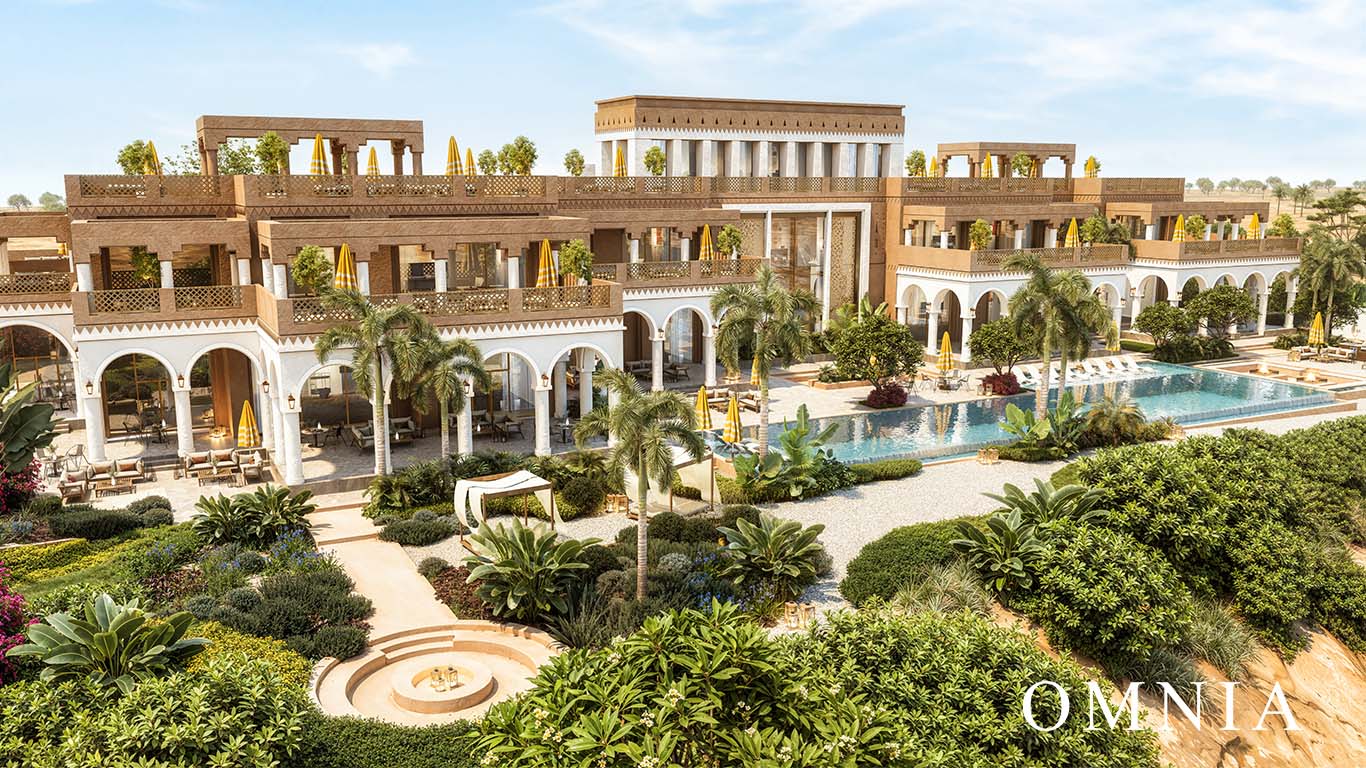
Cultural Context as a Luxury Differentiator
Globally, the highest-performing ultra luxury assets tend to share one characteristic. Cultural relevance.
Wadi Safar’s proximity to Diriyah places it within a landscape of national and historical significance. This gives the development a level of contextual depth that newer, purpose-built luxury districts often lack.
For international buyers, cultural grounding increasingly matters. It signals permanence and narrative rather than transient appeal.
Industry observers note that developments tied to heritage and place tend to attract more patient capital and experience lower volatility over time.
Privacy, Scale, and the Changing Definition of Luxury
Luxury preferences are shifting.
High visibility, dense developments are losing appeal among ultra high net worth buyers. Privacy, control, and spatial separation are becoming more important.
Wadi Safar reflects this shift. Residences are dispersed rather than clustered. Architecture prioritizes integration with land rather than dominance over it.
This approach resonates with buyers who view luxury as functional rather than performative.
Market advisors report that privacy and low density are now among the most frequently cited drivers of interest in Saudi ultra luxury purchases.
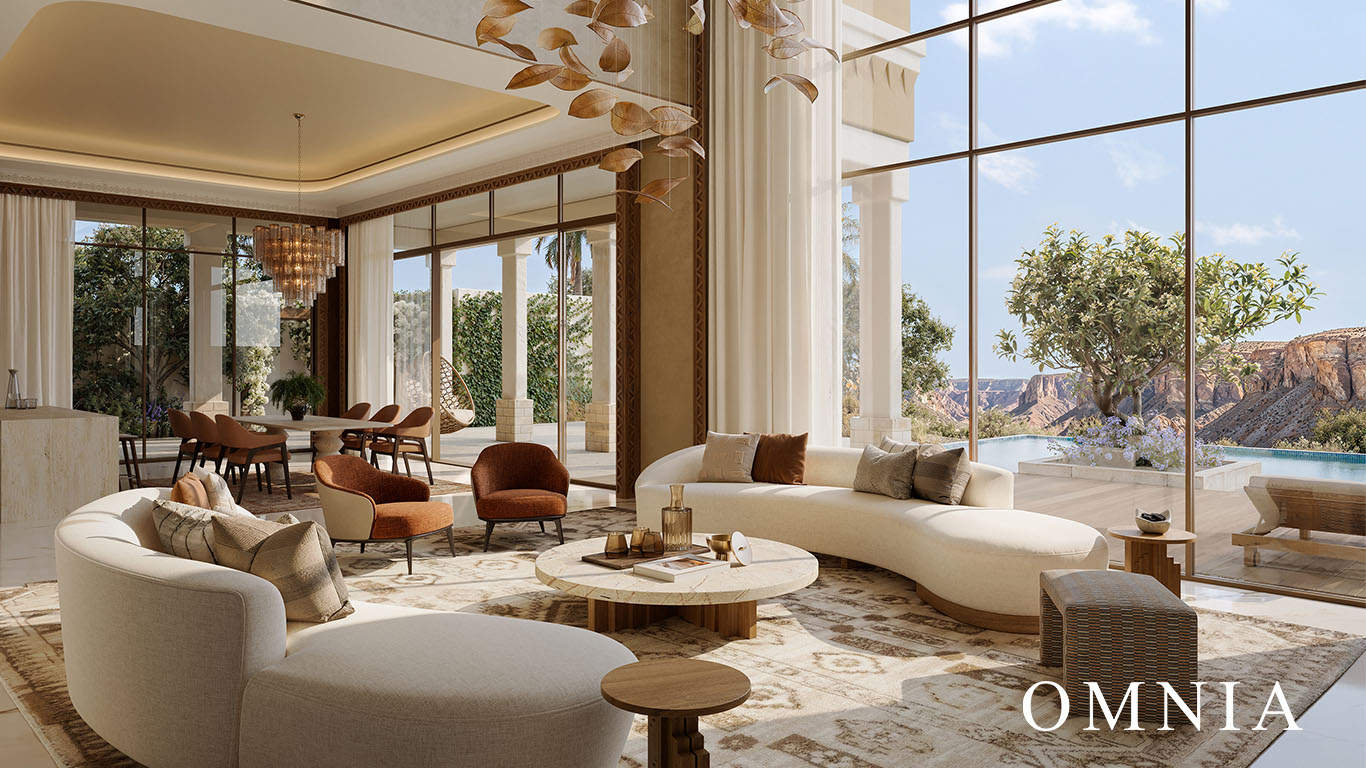
Not a Yield Market, and Not Trying to Be
Saudi Arabia’s ultra luxury residential market is not being built around rental yield.
While rental demand will evolve, most early buyers are not underwriting acquisitions based on income performance. Instead, they are prioritising capital positioning and long-term value preservation.
This is consistent with early-stage luxury markets globally, where capital growth tends to follow infrastructure maturity rather than lead it.
What Wadi Safar Signals About the Future
Wadi Safar is less important as a standalone project than as a signal.
It suggests that Saudi Arabia’s ultra luxury market will prioritise quality over quantity, cultural grounding over imported aesthetics, and long-term alignment over short-term metrics.
As Vision 2030 continues to reshape the Kingdom’s urban and economic environment, developments that reflect these priorities are likely to set benchmarks for future projects.
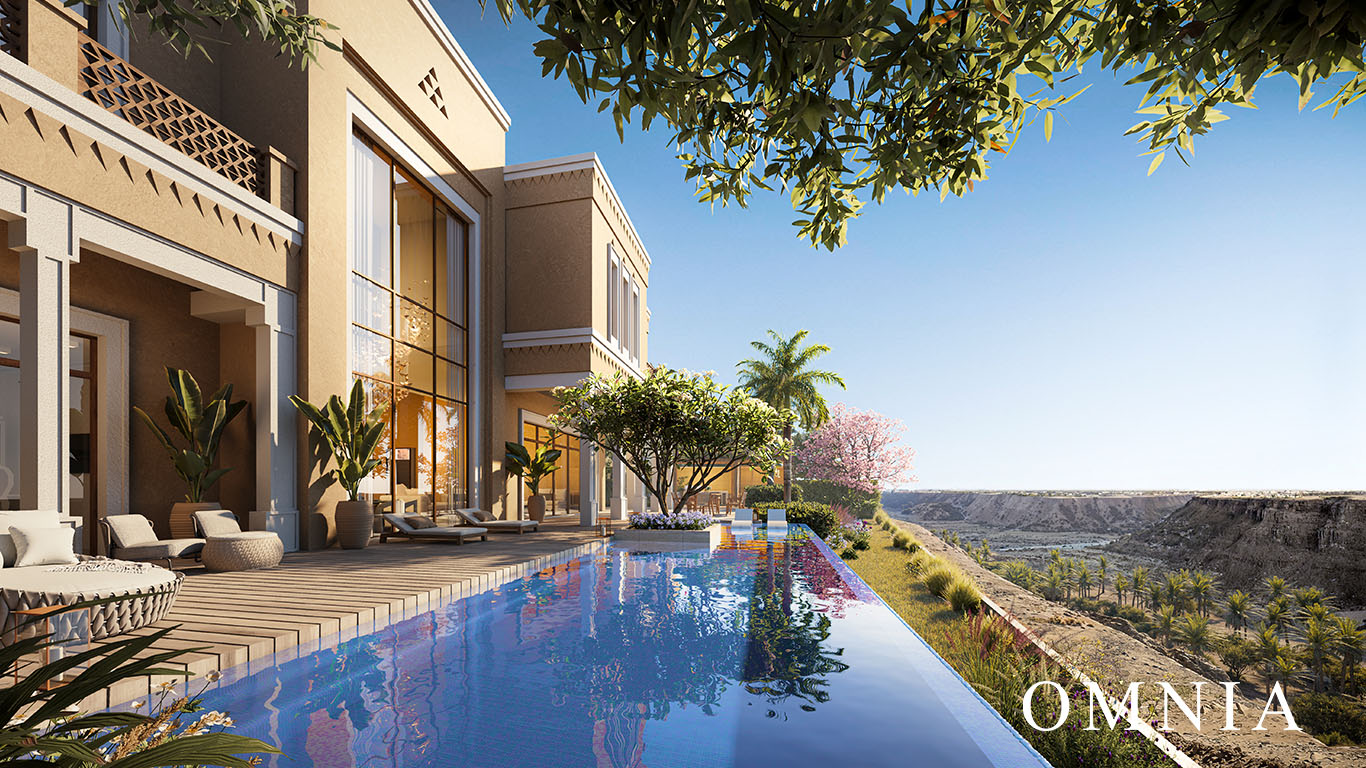
To tie it all together
We see Saudi Arabia’s ultra luxury residential market as still forming, but its direction is becoming clearer.
Early capital is entering with discipline. Buyers are making long-term allocations rather than speculative bets. Developments that combine low supply, cultural relevance, and alignment with Vision 2030 are attracting the most serious interest.
Wadi Safar stands out not because of scale or spectacle, but because it reflects how this market is maturing.
As Saudi Arabia’s transformation continues, it may come to be seen as one of the early reference points for what ultra luxury living in the Kingdom was always intended to become.
Read about RAYANA, or discover our full services in Saudi Arabia

Become a member to Access our full network. The ultimate community for global investors.
Omnia Research
Reccomended for you

Related reading